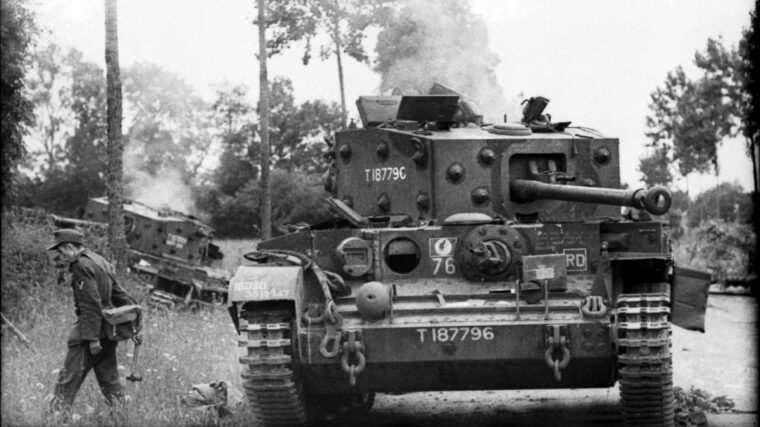
Tigers Triumphant at Villers-Bocage
By Michael E. HaskewOn D-day, June 6, 1944, the British 3rd Infantry Division was the first to land on Sword Beach. Read more
On D-day, June 6, 1944, the British 3rd Infantry Division was the first to land on Sword Beach. Read more
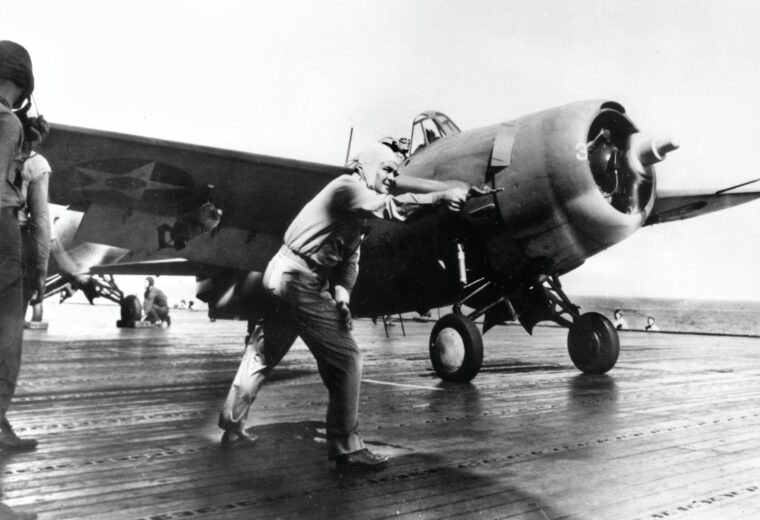
The Cactus Air Force: Air War over Guadalcanal (Eric Hammel and John McKelvey Cleaver, Osprey Books, Oxford UK, 2022, 336 pp., Read more
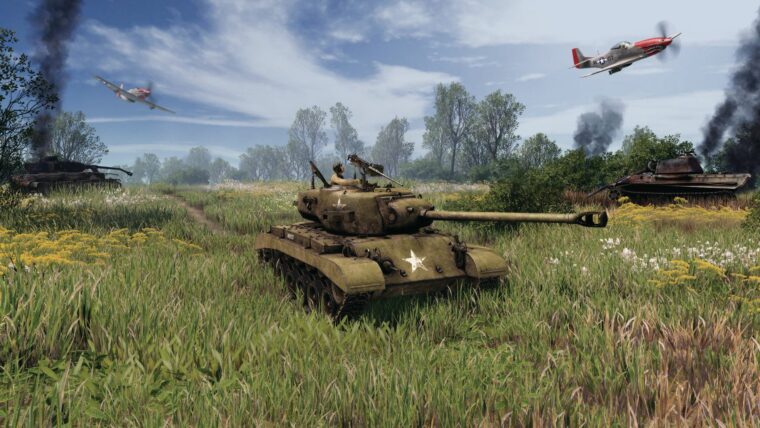
Players interested in the upcoming Men of War II have likely kept their ears close to the ground in the period of time leading up to its eventual 2023 release, and we recently got more information thanks to a new series of developer diaries that shed some light on the progress. Read more
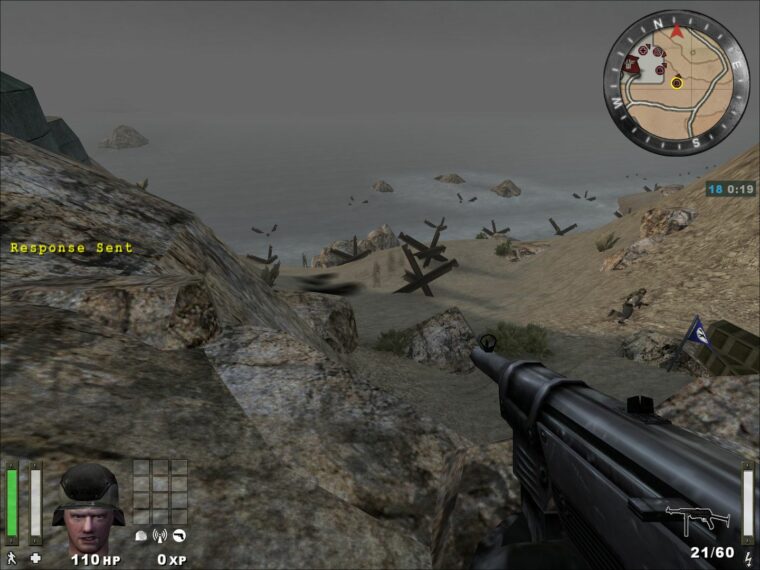
It’s been almost two decades since Wolfenstein: Enemy Territory first brought the free and open-source multiplayer take on the series to our screens as a standalone game, and now it’s been resurrected in all of its visual time capsule glory. Read more
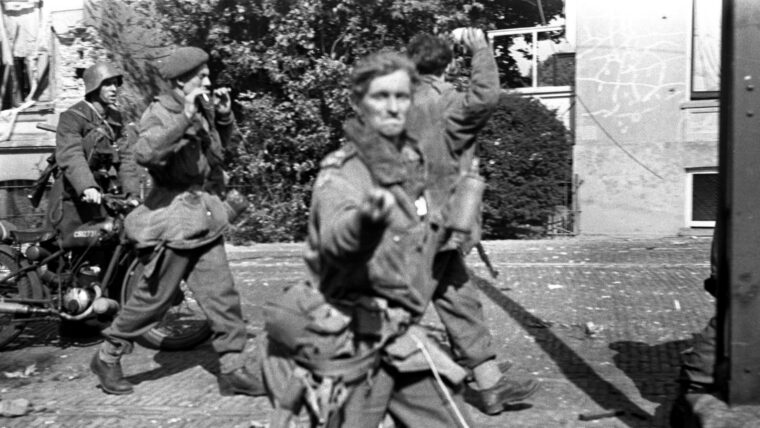
Operation Market-Garden, British Field Marshal Bernard L. Montgomery’s imaginative and daring plan—reluctantly endorsed by his superior, General Dwight D. Read more
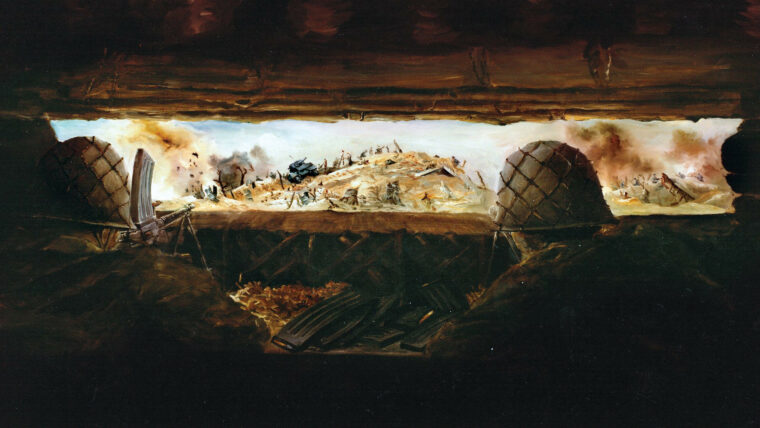
The Battle of Tarawa, a component of Operation Galvanic, was the U.S. Marines’ first bold amphibious assault against a Japanese stronghold in World War II. Read more
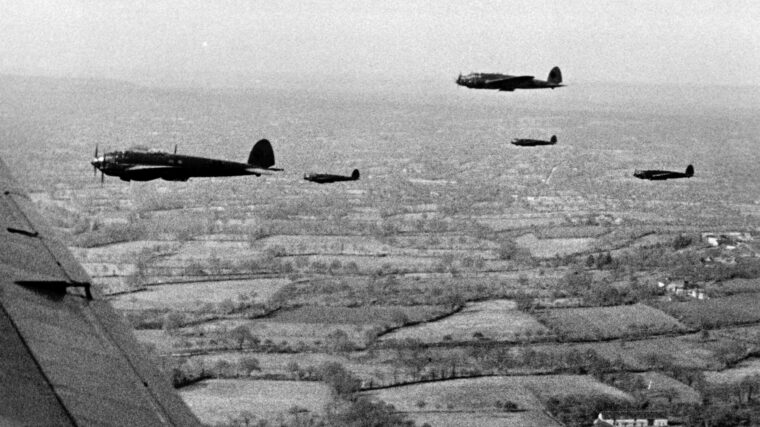
Chain Home, or ‘CH’ was the codename given to the system of early warning radar stations located along the Europe facing coasts of the United Kingdom (UK) before and during World War II to locate and follow aircraft. Read more
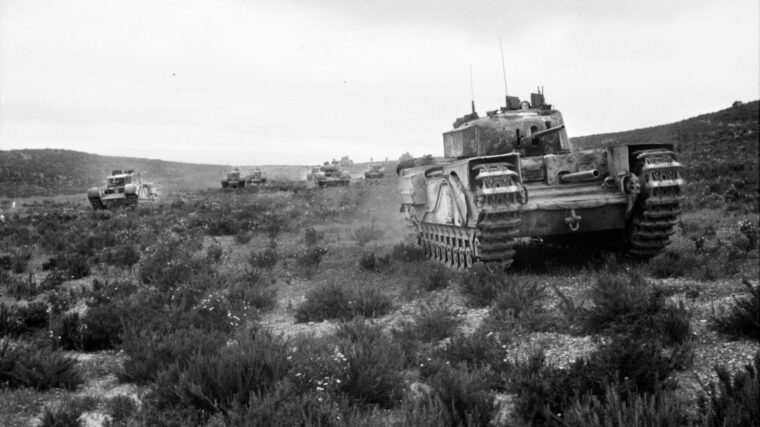
Columns of smoke rose above the skyline around a Tunisian farming complex on February 28, 1943, wafting past the late afternoon sun through atmosphere punctuated by the crack of bullets, booming explosions and the screams of wounded men. Read more
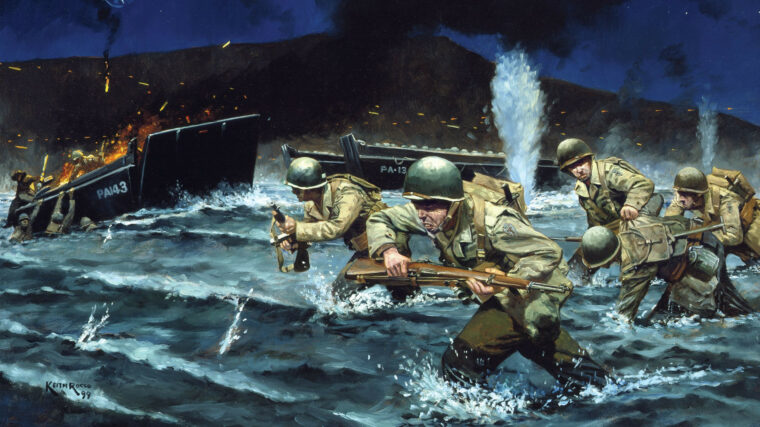
After the collapse of Mussolini’s fascist regime in July 1943, the allies launched a double attack against the western coast of the Italian mainland. Read more
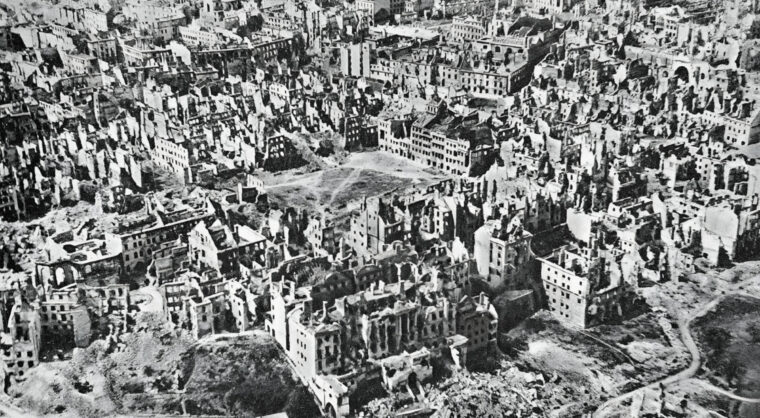
On September 1, 1939, Adolf Hitler set World War II in Europe in motion when the spearheads of the Nazi Wehrmacht rolled across the German frontier into Poland. Read more
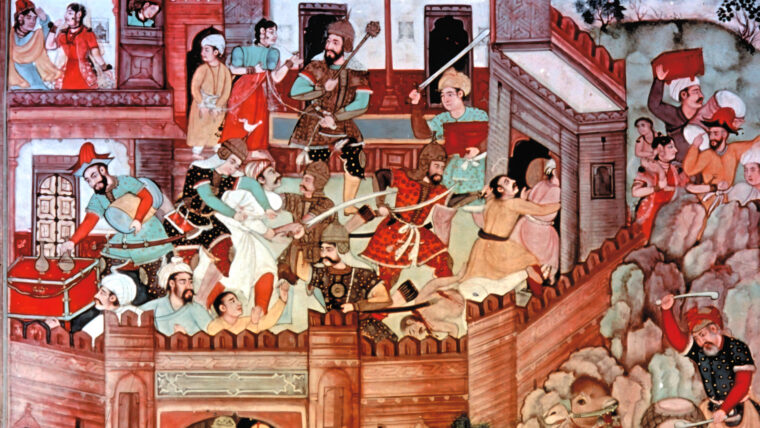
In ad 1205, Mongol ruler Genghis Khan, having completed the unification of his Gobi Desert empire, began looking south toward China for further conquest. Read more
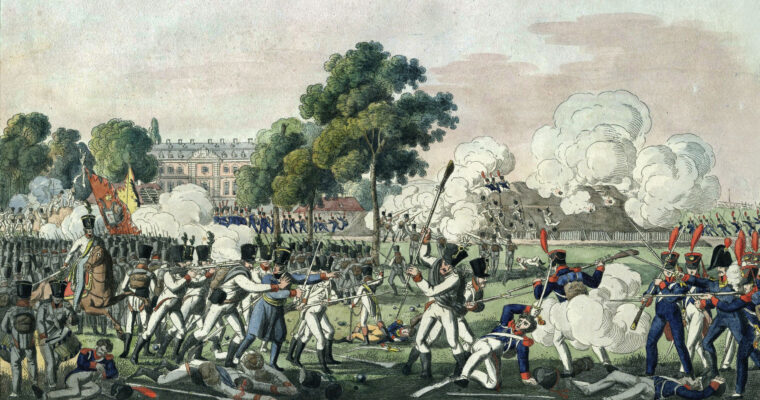
Marshal Gouvion Saint-Cyr was in a tight spot, and he knew it. It was the morning of August 26, 1813, and Saint-Cyr and his French XIV Corps were defending Dresden, the capital of Saxony, from a large and menacing Allied army that outnumbered his own by at least four to one. Read more
The messenger arrived as U.S. Navy Lt. James “Pug” Southerland tore into a sandwich and coffee in the wardroom of the carrier USS Saratoga. Read more
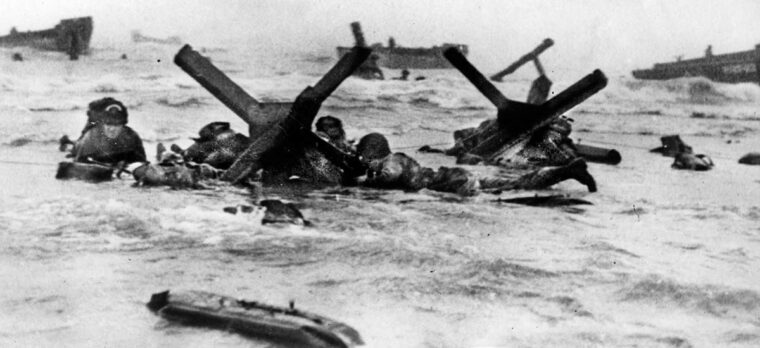
“Andy” Andrews served as a machine gunner in Company H, 16th Infantry Regiment of the 1st Infantry Division. Read more
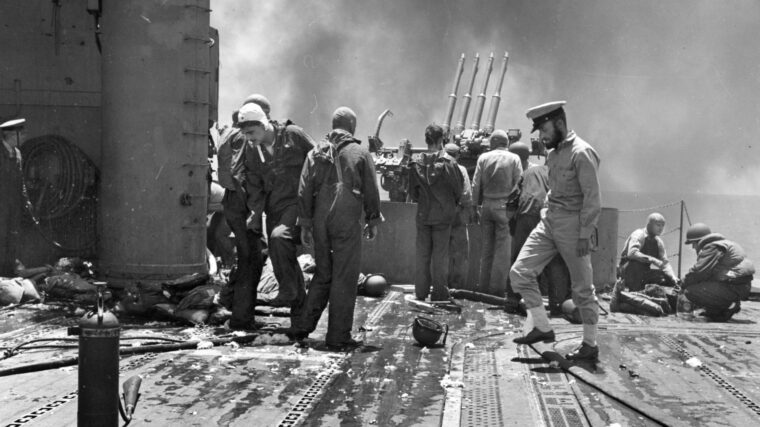
Modern readers benefit from decades of research, interviews, and information on the various battles of the Pacific War. Read more
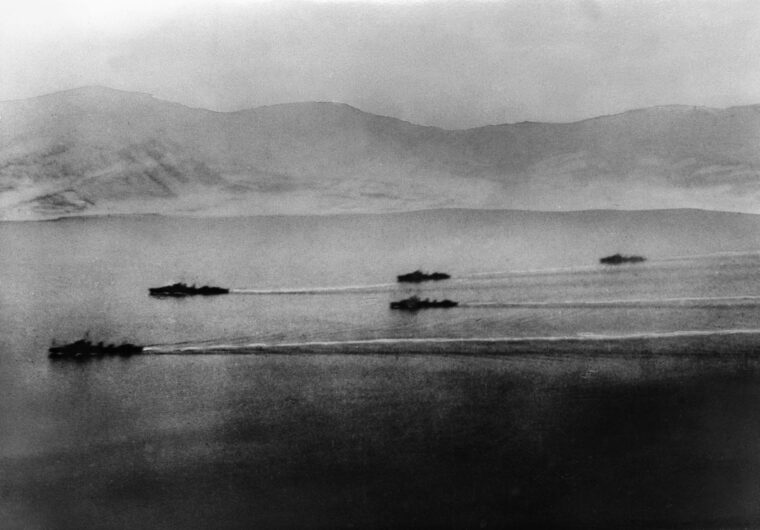
The fighting for Narvik in 1940 was a combined naval and air campaign involving soldiers and sailors from Great Britain, France, Norway, Poland and Germany. Read more
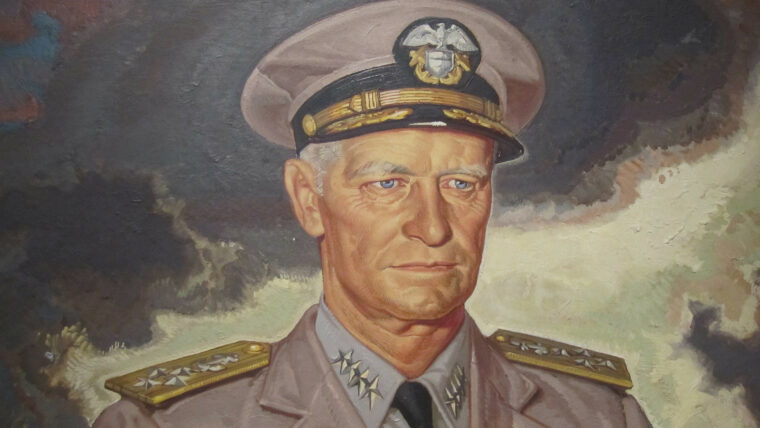
Before World War II, the U.S. Navy developed a culture that purposely created leadership opportunities. An emphasis on decentralized authority gave direction to junior leaders while encouraging them to use their own initiative to achieve results. Read more
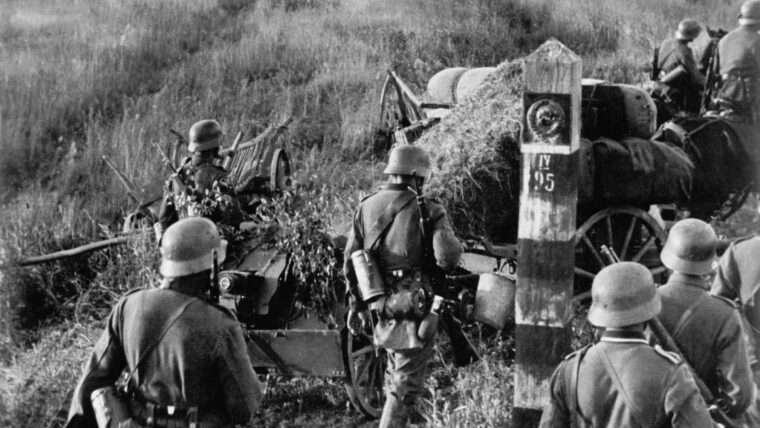
Hans Roth, Frankfurt native and army reservist in his 30s, looked across the fields in front of his position the night before Operation Barbarossa was to begin. Read more
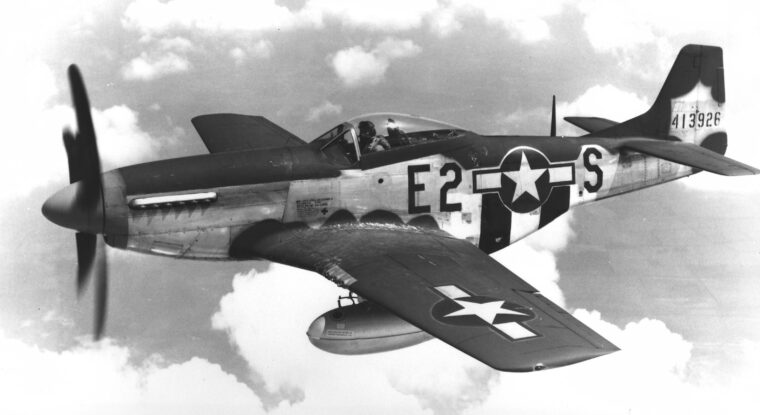
When the North American P-51B Mustang arrived in Europe in 1943, it was the U.S. Army Air Force’s fastest and most maneuverable fighter. Read more
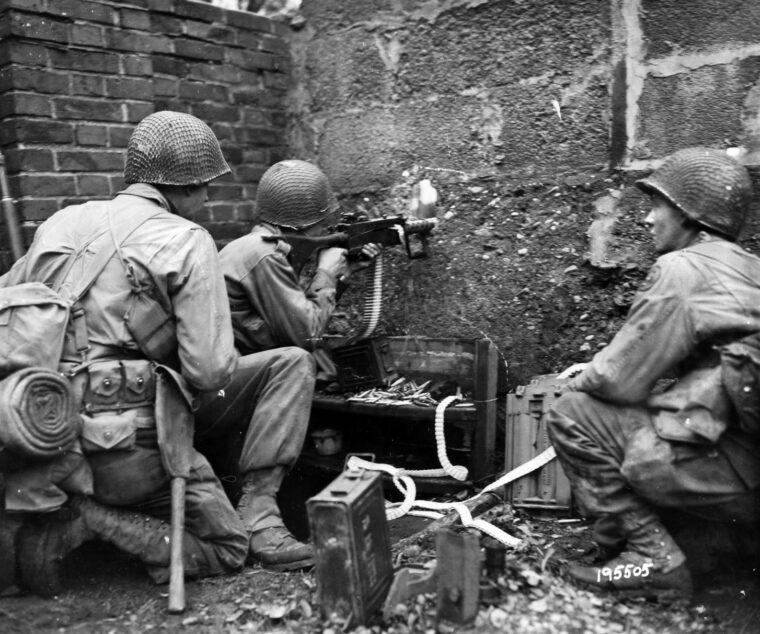
Phil Larimore grew up in Memphis, Tennessee. A Boy Scout, he learned a lot of outdoor skills, including horsemanship. Read more