Latest Posts
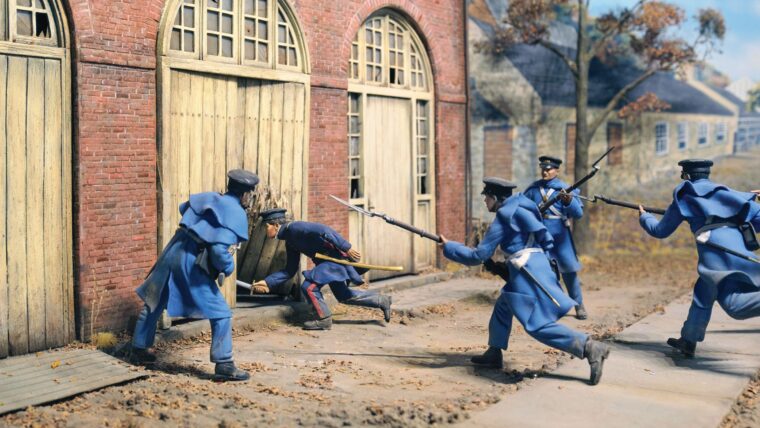
John Brown’s Bloody Abolitionist Crusade
By Eric NiderostAgroup of insurgents, probably abolitionists fiercely dedicated to ending slavery, had seized the Federal Arsenal at Harper’s Ferry—that was the news Charles W. Read more
Latest Posts
Agroup of insurgents, probably abolitionists fiercely dedicated to ending slavery, had seized the Federal Arsenal at Harper’s Ferry—that was the news Charles W. Read more
Latest Posts
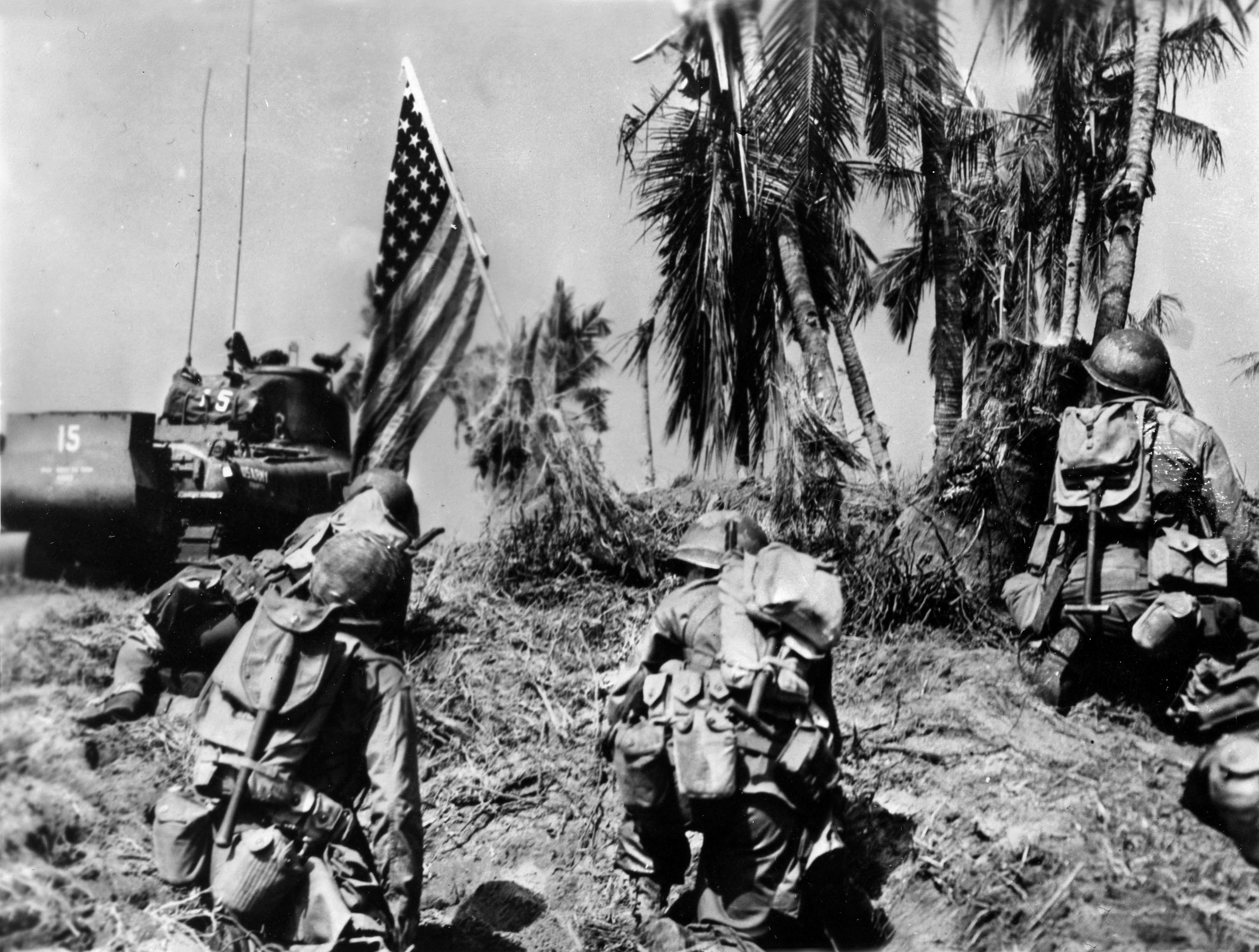
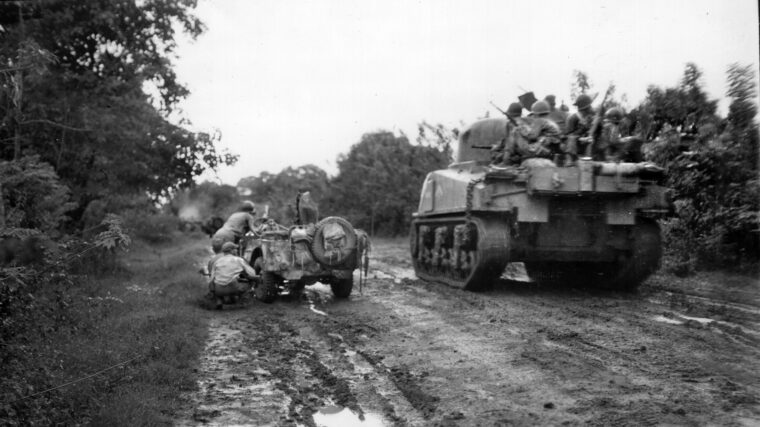
Santo Tòmas University, Manila, Philippines, about 9:00 p.m., February 3, 1945: Louis G. Hubele, a 45-year-old civilian internee of the Japanese, heard more than the usual amount of vehicle traffic on España Street. Read more
Latest Posts
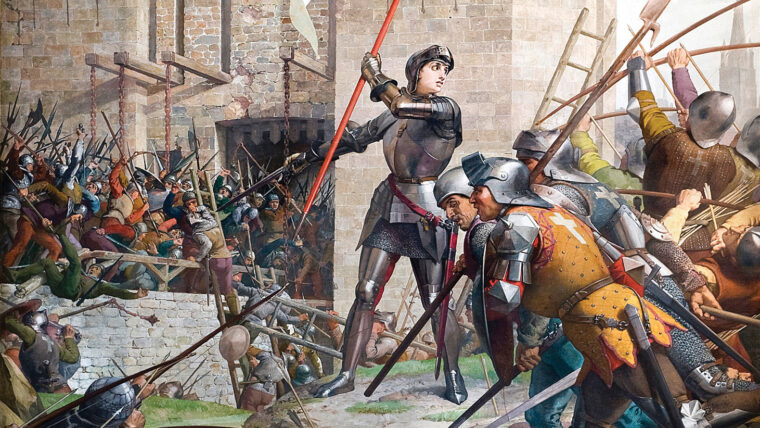
In November 1455 a most extraordinary ecclesiastical court convened in the Cathedral of Notre Dame in Paris at the behest of the French Inquisition. Read more
Latest Posts
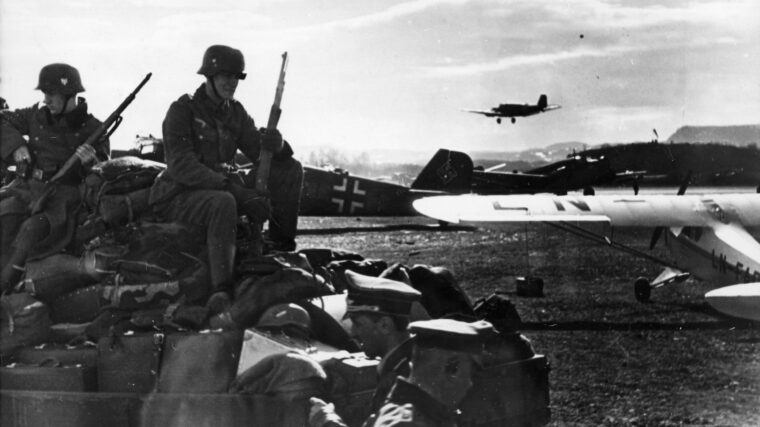
The second week in April 1940 was a stormy period in the North and Norwegian Seas. The weather deteriorated during April 7, with low cloud cover and fog. Read more
Latest Posts
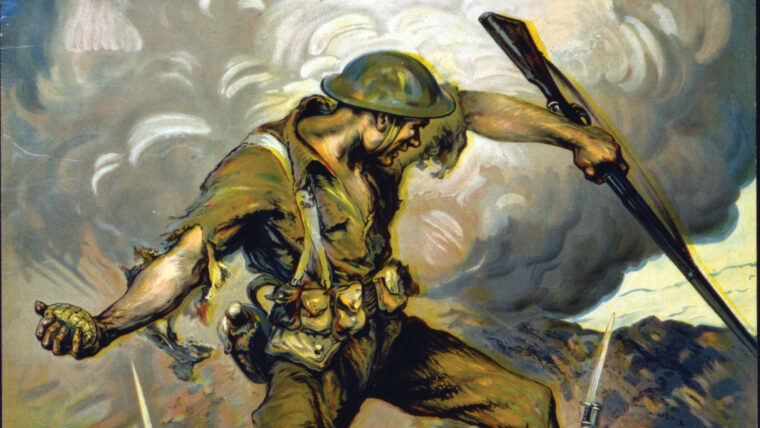
Even now, six decades after the end of World War II, the words “potato masher” just as easily conjure images of the legendary German hand grenade as they do kitchen utensils. Read more
Latest Posts
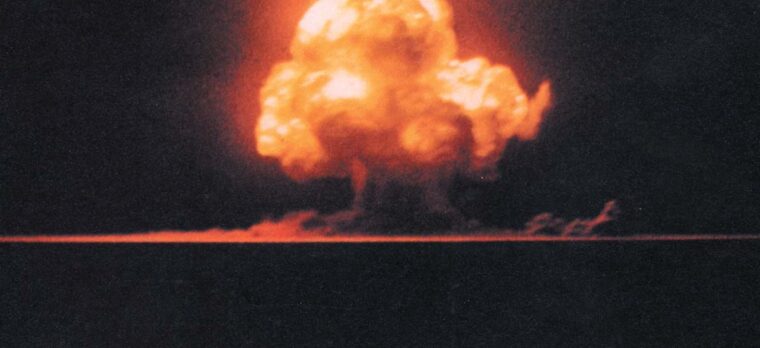
On August 7, 1945, the day after the atomic bombing of Hiroshima, President Harry S. Truman announced, “The force from which the sun draws its power has been loosed against those who brought war to the Far East. Read more
Latest Posts
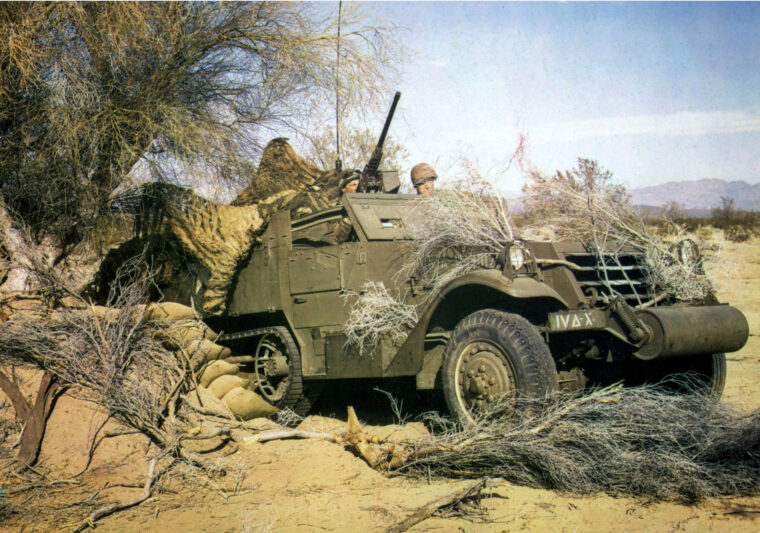
For the United States Army, the long road to Germany began in the mountainous deserts of Tunisia in mid-November 1942. Read more
Latest Posts
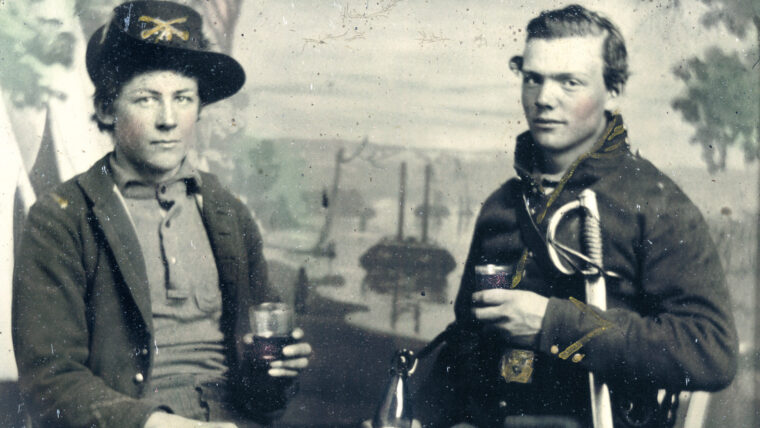
Union General Benjamin Butler was baffled. Every night a picket guard went to an outpost 1½ miles from Fort Monroe, Virginia. Read more
Latest Posts
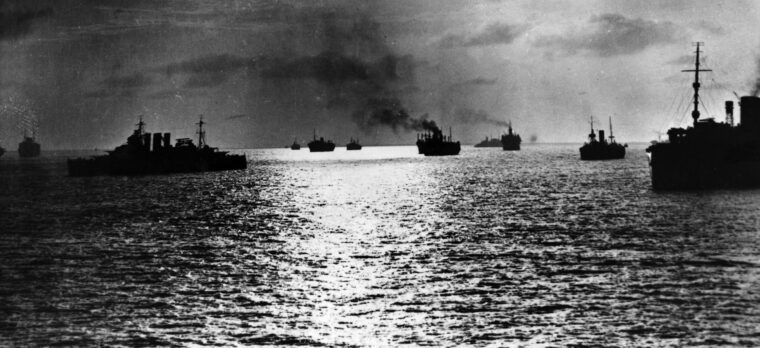
The American military presence in China, which stretched back to the 1850s, came to an abrupt end in November 1941. Read more
Latest Posts
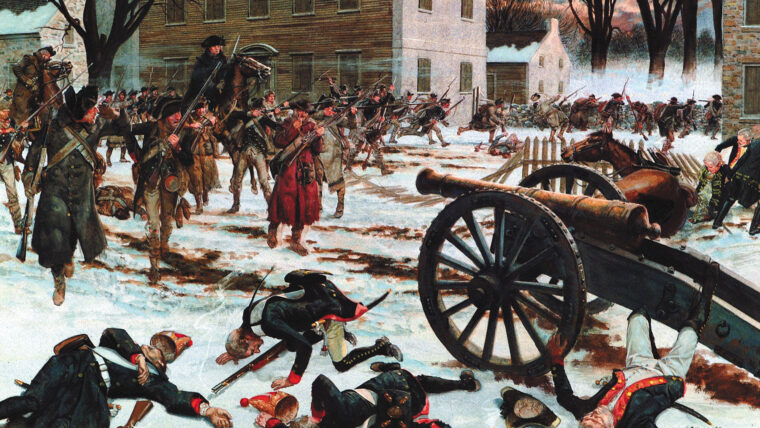
By the winter of 1776, the struggle for American independence had reached its lowest point. In June of that year General George Washington’s Continental Army had stood at nearly 20,000 strong. Read more
Latest Posts
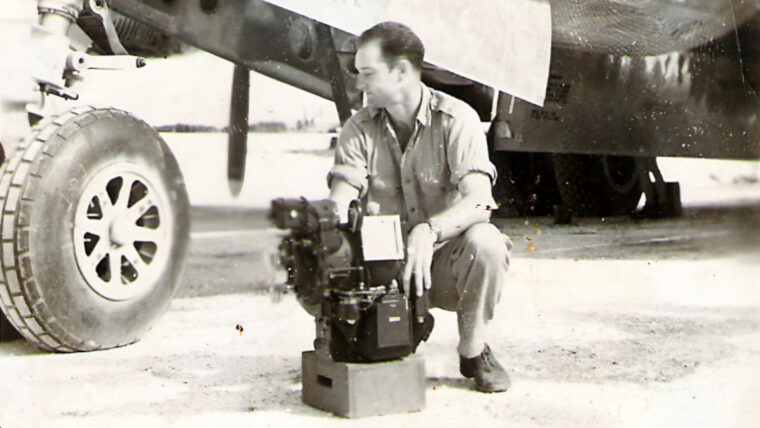
In a 1921 bombing test, U.S. Army Air Corps General Billy Mitchell’s airmen sank the former German battleship Ostfriesland. Read more
Latest Posts
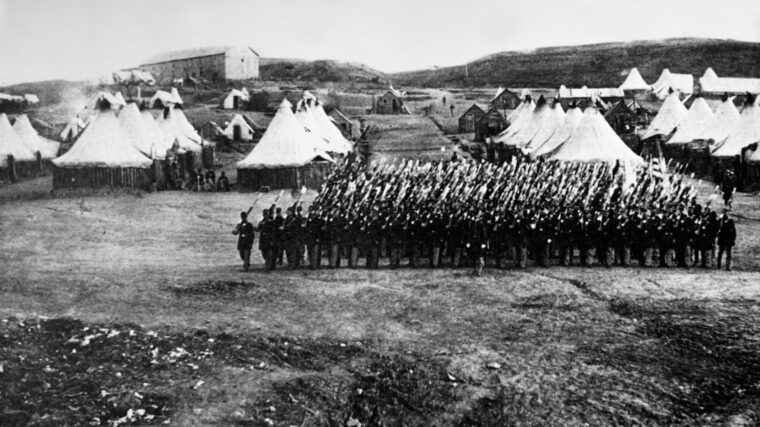
“All wars are boyish, and are fought by boys,” author Herman Melville wrote. That was certainly true of the American Civil War, when some 70 percent of the troops on either side were 23 or younger, and the median age for a soldier was 18. Read more
Latest Posts
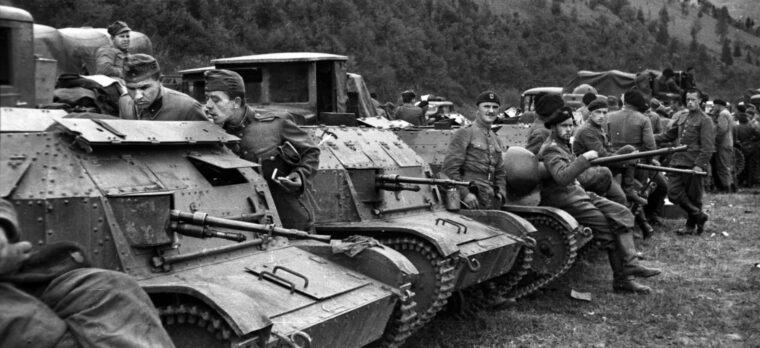
Poland does not always get the recognition it deserves for helping to defeat Nazi Germany and end the war in Europe. Read more
Latest Posts
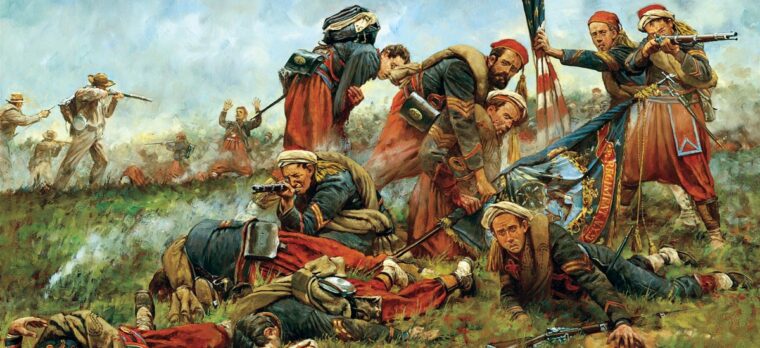
In the rolling fields on the south side of the Warrenton Turnpike, the men of the 5th New York of Colonel Gouverneur K. Read more
Latest Posts
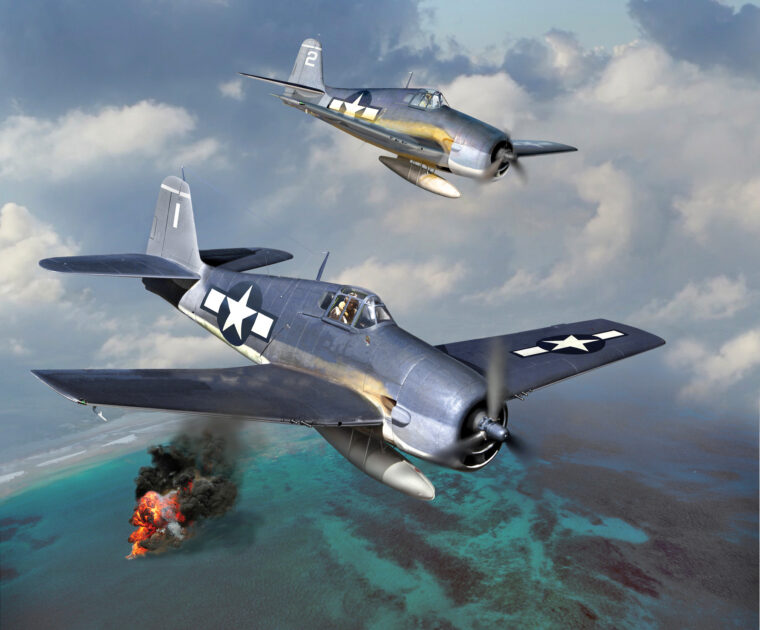
Lieutenant Hollis Hills had every reason to be puzzled. His guns had just raked the Japanese fighter ahead of him, the rounds striking home along the enemy’s fuselage and wing roots. Read more
Latest Posts
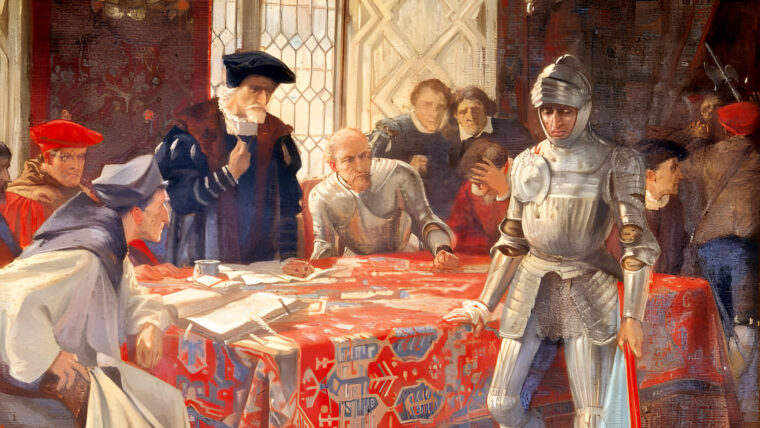
Flanking movements were long known to English military commanders, but traditionally they were limited to maneuvers by one wing around an enemy’s line—not by the entire army itself, which would have been considered highly unorthodox and far too risky. Read more
Latest Posts
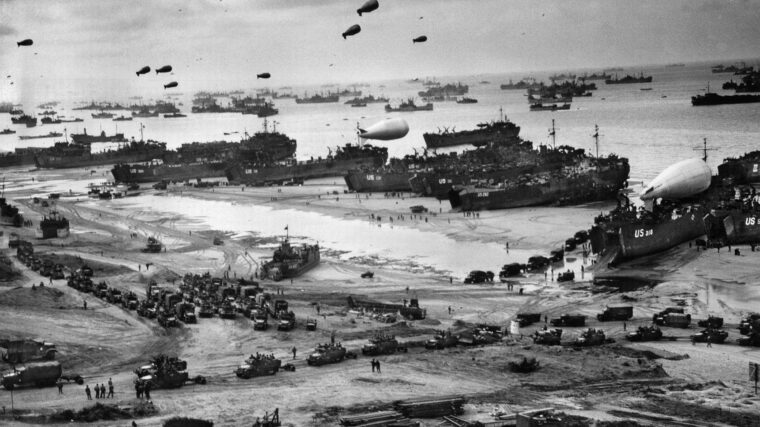
In the predawn hours of June 6, 1944, the largest armada ever sent into war assaulted the coast of France at Normandy. Read more
Latest Posts
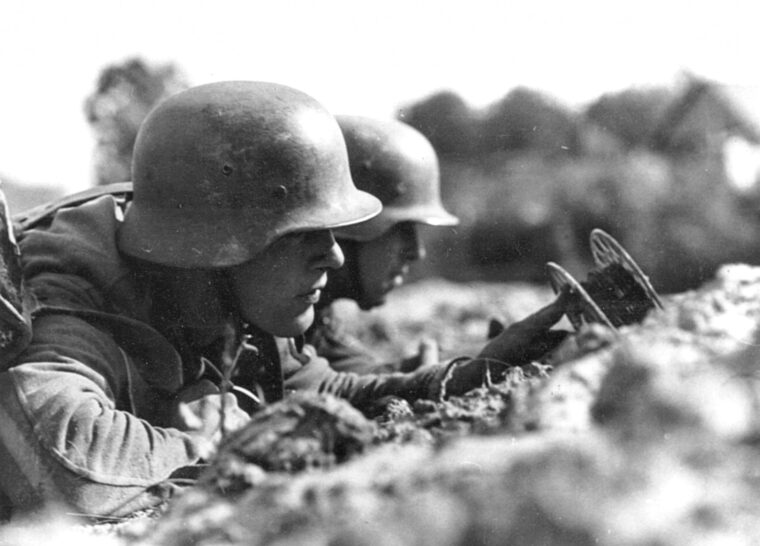
In the latter half of 1943, the German Wehrmacht had seen disaster follow disaster on the Eastern Front. Read more
Latest Posts
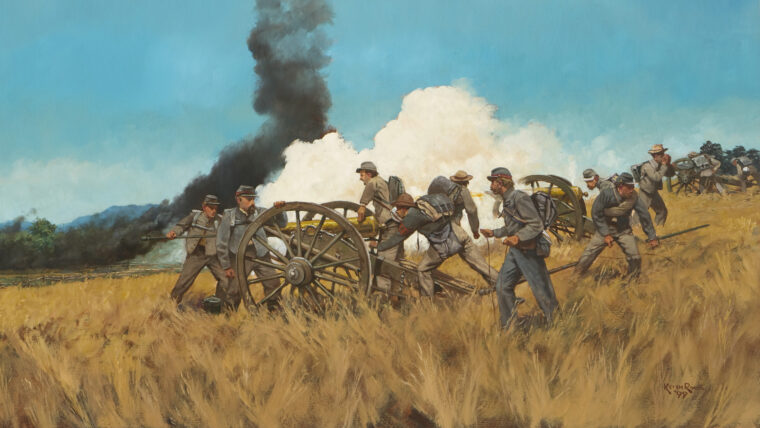
On September 7, 1862, Colonel Walter Taylor of General Robert E. Lee’s staff wrote to his sister: “The Yankee papers of the 6th exhibit a gloomy picture for our enemy. Read more
Latest Posts
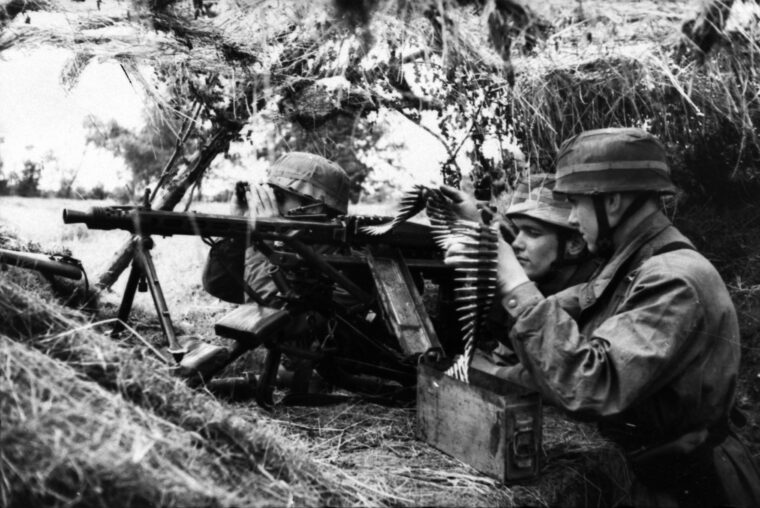
Whether fighting in the mountains of the Italian peninsula, assaulting Nazi defensive positions along the vast Russo-German Eastern Front, or clashing with German Army opponents from Normandy to the Elbe River, from 1942 to 1945, Allied soldiers in World War II faced a determined enemy armed with the most effective machine gun produced during that struggle: the Maschinengewehr 42, or the MG 42 for short. Read more