Jefferson Davis
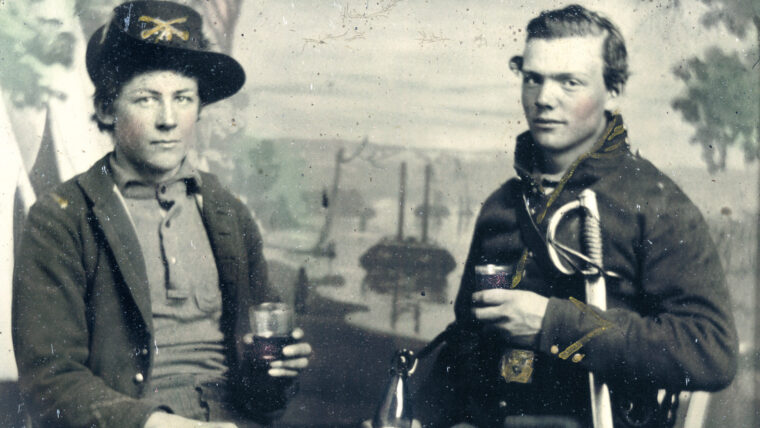
Forty-rod, Blue Ruin & Oh Be Joyful: Civil War Alcohol Abuse
by David A. NorrisUnion General Benjamin Butler was baffled. Every night a picket guard went to an outpost 1½ miles from Fort Monroe, Virginia. Read more

Jefferson Davis, President of the Confederacy during the American Civil War, was a hero of the U.S. Army during the Mexican War and U.S. Secretary of War. Born in Kentucky, Jefferson Davis represented the state of Mississippi in the U.S. Senate and the House of Representatives. Jefferson Davis was the only individual to serve as President of the Confederacy. In the last days of the war, Jefferson Davis fled the Confederate capital of Richmond, Virginia, and was captured by Union cavalry in Georgia. Jefferson Davis was imprisoned and indicted on treason charges but received a presidential pardon in 1868. He died in 1889 at the age of 81.
Jefferson Davis
Union General Benjamin Butler was baffled. Every night a picket guard went to an outpost 1½ miles from Fort Monroe, Virginia. Read more
Jefferson Davis
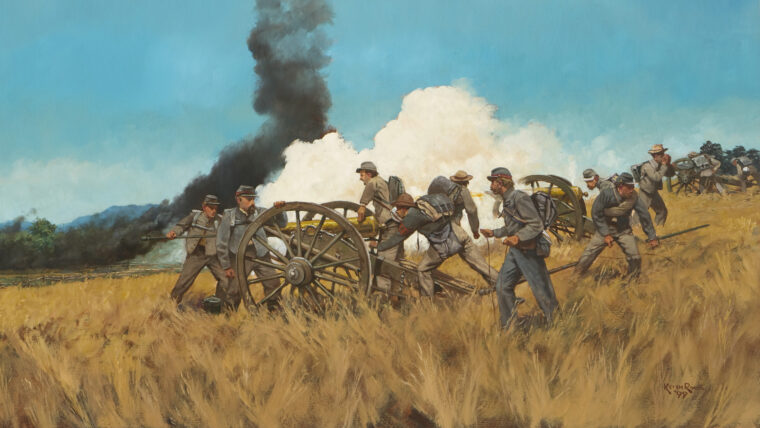
On September 7, 1862, Colonel Walter Taylor of General Robert E. Lee’s staff wrote to his sister: “The Yankee papers of the 6th exhibit a gloomy picture for our enemy. Read more
Jefferson Davis
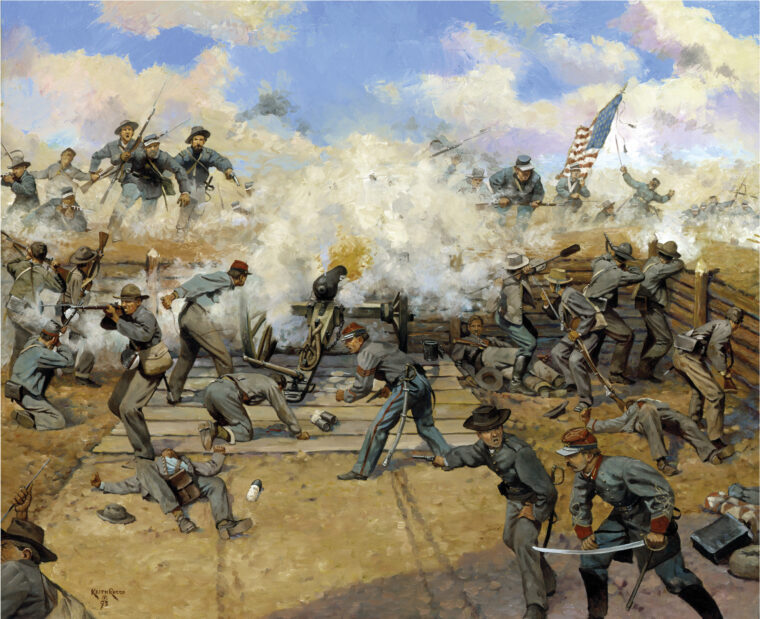
Lieutenant Colonel Horace Porter, personal aide to Lt. Gen. Ulysses S. Grant, maneuvered his mount past ammunition wagons, ambulances, stragglers, and prisoners jamming the muddy roads leading back to headquarters from Five Forks, Virginia, on the evening of April 1, 1865. Read more
Jefferson Davis
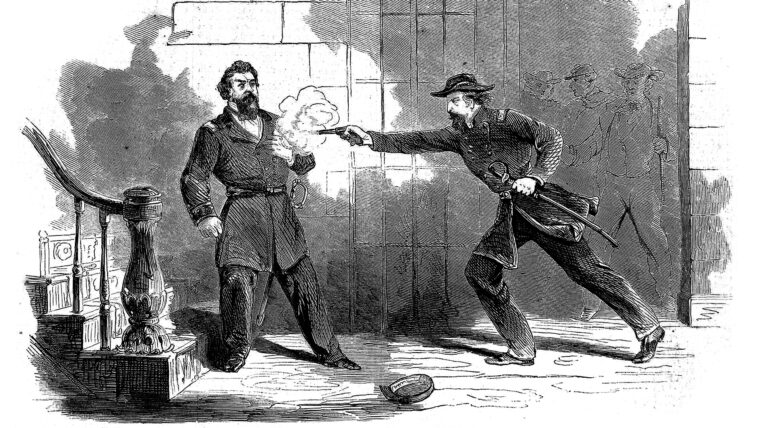
Few Civil War officers, in either army, were as polarizing as Union Maj. Gen. William “Bull” Nelson. Read more
Jefferson Davis
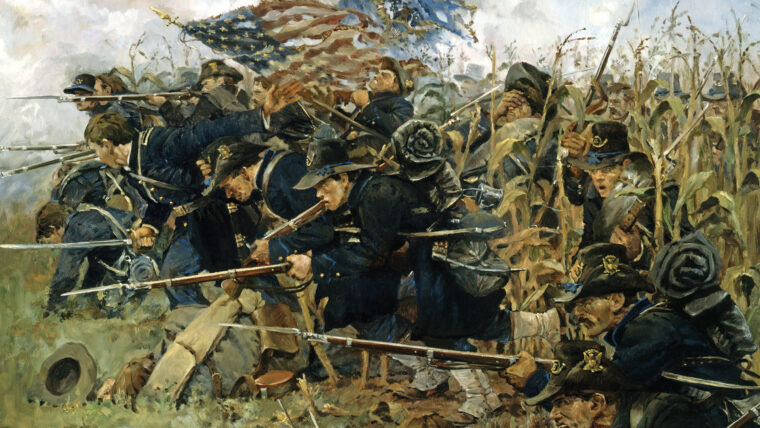
The White House was a somber place in the summer of 1862. The Civil War was in the midst of its second costly year, and the Union armies had yet to win a significant victory in the eastern theater. Read more
Jefferson Davis
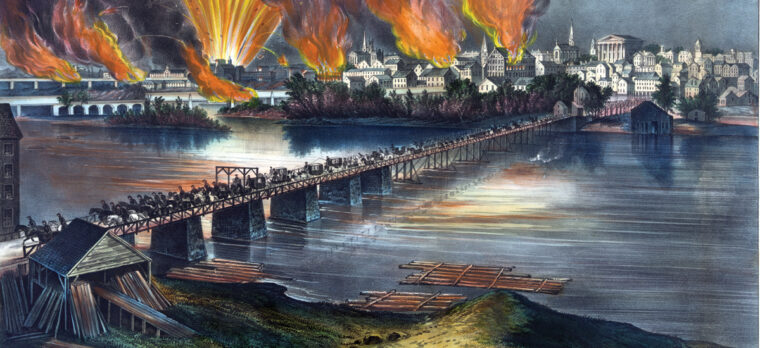
When the end came, on April 2, 1865, Confederate President Jefferson Davis was sitting in his customary pew at St. Read more
Jefferson Davis
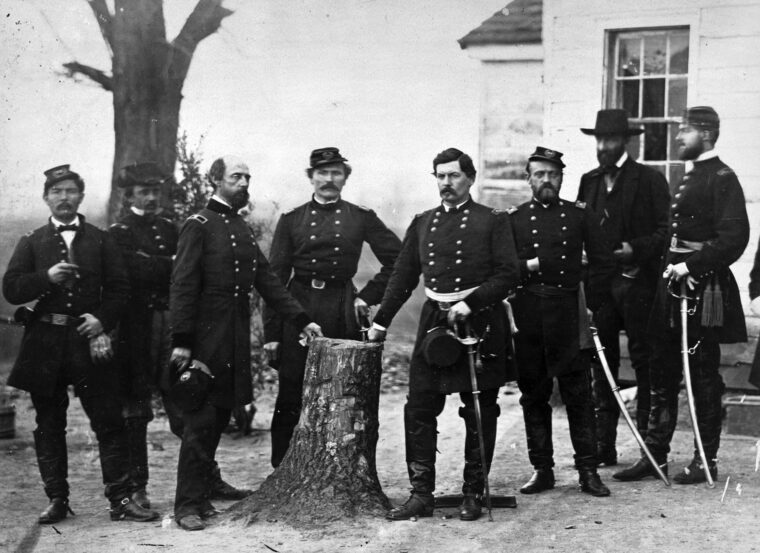
After an almost uninterrupted, four-month-long string of Union successes beginning in early 1862, followed by the advance of a 100,000-man enemy army to the eastern outskirts of its capital at Richmond, Virginia, the Confederacy suddenly found itself in a life-or-death struggle for its very survival. Read more
Jefferson Davis
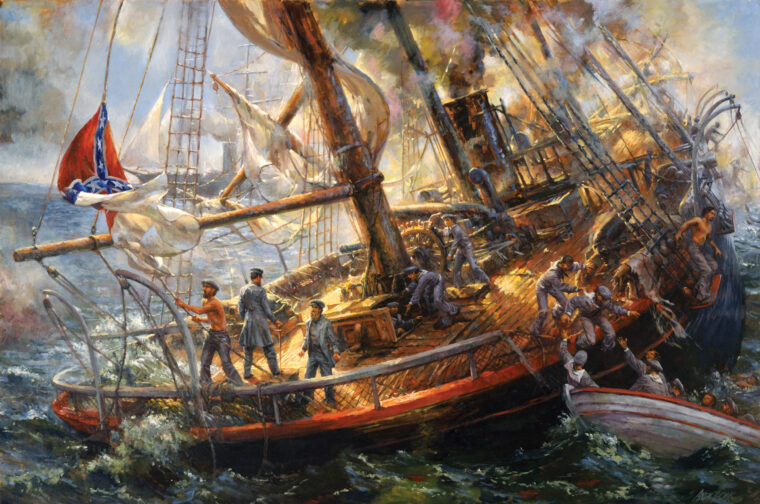
On August 24, 1862, newly promoted Captain Raphael Semmes of the Confederate States Navy called his largely English crew to the quarterdeck of his new command, the 220-foot battle cruiser Alabama, lying off the coast of Terceira in the Azores. Read more
Jefferson Davis
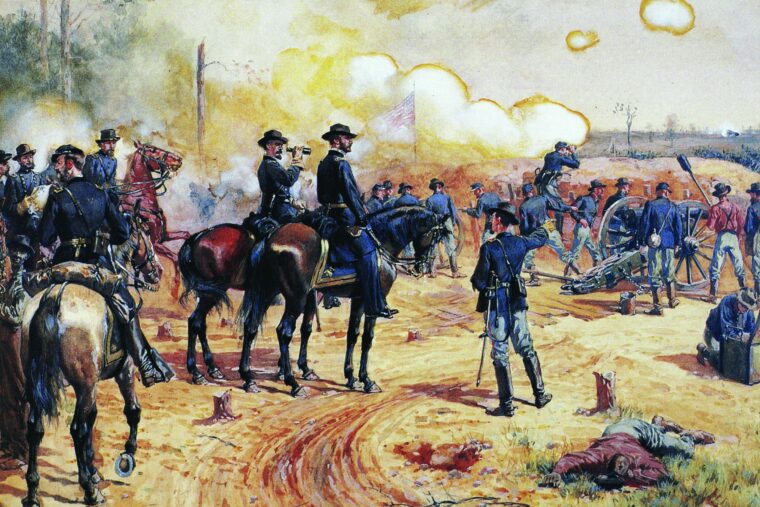
During the early afternoon of July 9, 1864, the 103rd Ohio Volunteer Infantry Regiment of Maj. Gen. John M. Read more
Jefferson Davis
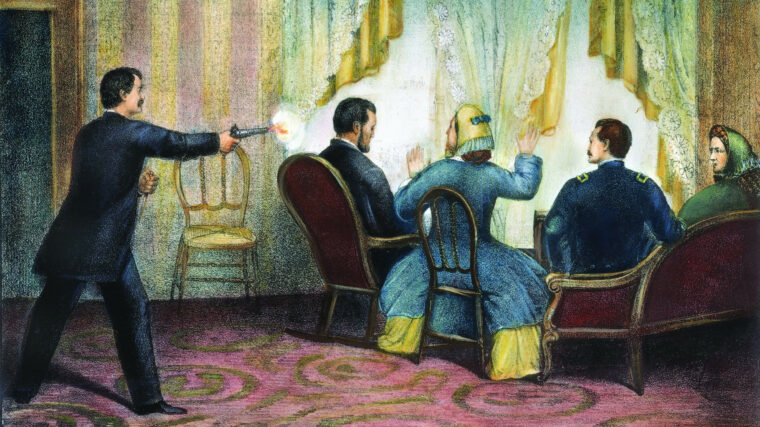
In the late hours of April 14, 1865, Secretary of War Edwin Stanton sat at a small table in the Petersen House across the street from Ford’s Theater in Washington, D.C. Read more
Jefferson Davis
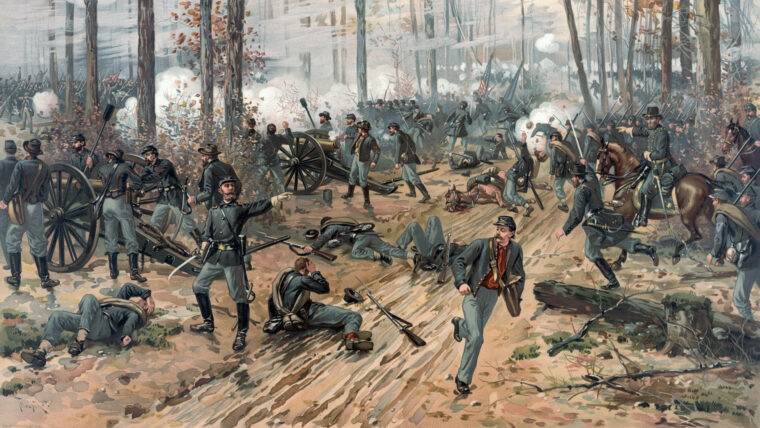
By the end of the winter campaign of 1861-1862, Union Maj. Gen. Ulysses S. Grant had shattered the Confederate defenses in northwest Tennessee with a combined land and water attack on Forts Henry and Donelson, forcing General Albert Sidney Johnston to abandon his bastion at Nashville and retreat southward. Read more
Jefferson Davis
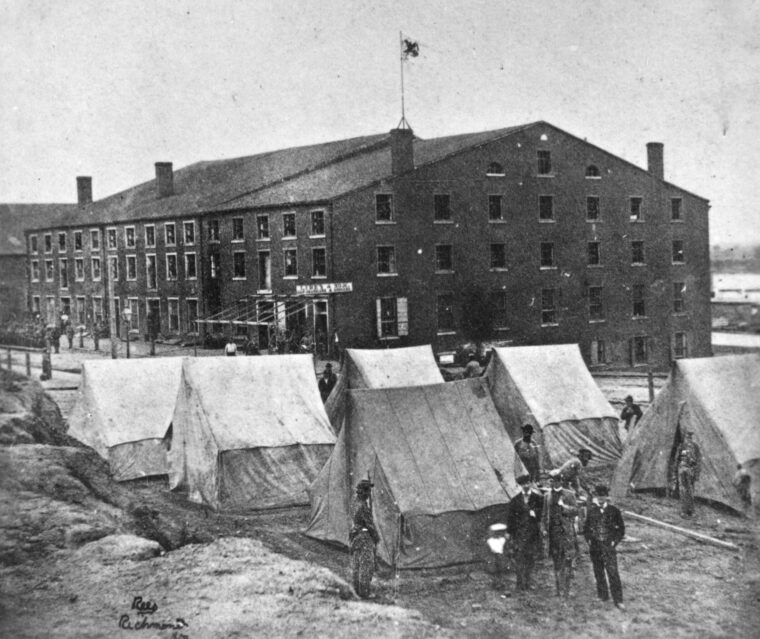
One of the primary reasons given for the Union defeat at the First Battle of Bull Run was the lack of adequate cavalry. Read more
Jefferson Davis
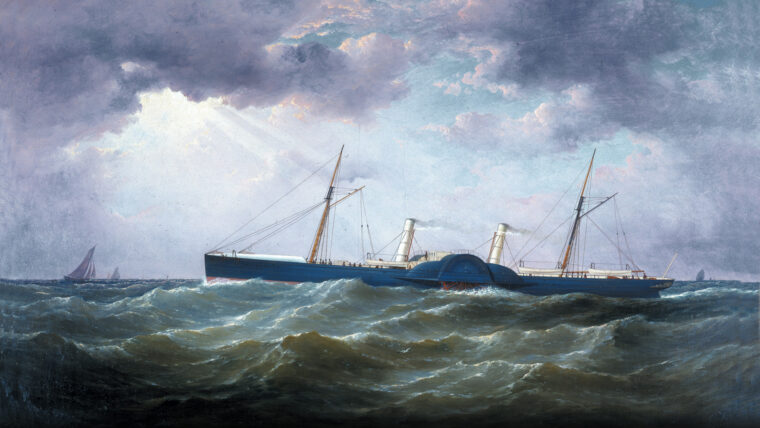
Despite the increasing effectiveness of the Union naval blockade, more and more steamers plied the waters between the few remaining Confederate ports and Nassau, St. Read more
Jefferson Davis
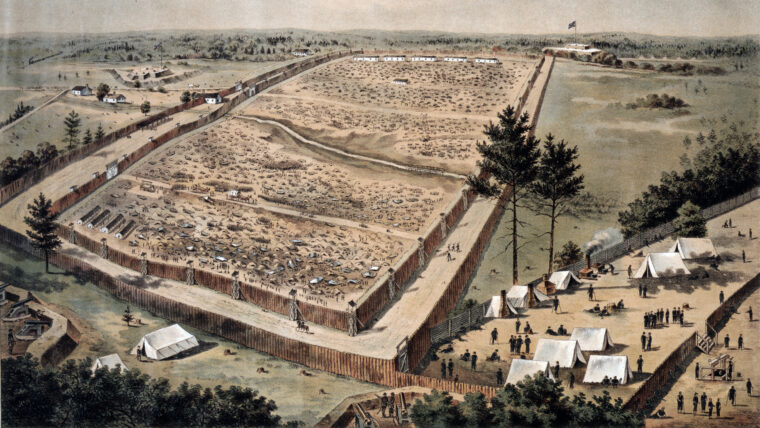
The June 19, 1861, editorial in the Charleston Mercury newspaper warned: “War is bloody reality, not butterfly sporting. Read more
Jefferson Davis
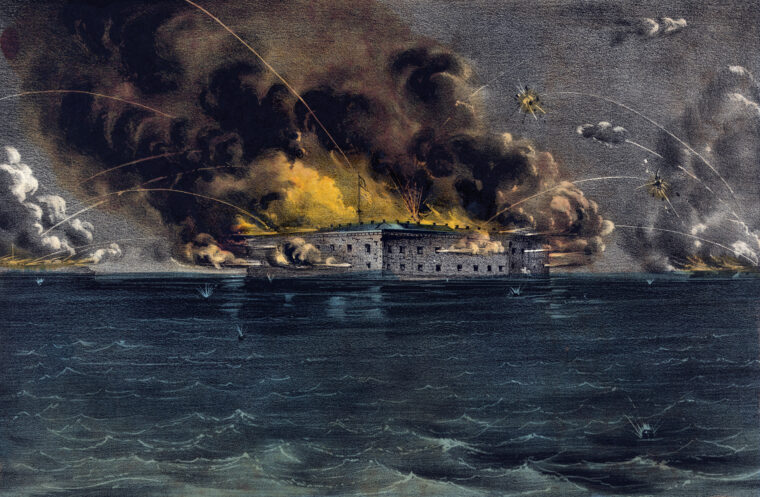
Shortly after midnight on the morning of April 12, 1861, four men in a rowboat made their way across the pitch-black harbor at Charleston, South Carolina, toward an unfinished and architecturally insignificant masonry fort three miles out from the city where the harbor meets the Atlantic Ocean. Read more
Jefferson Davis
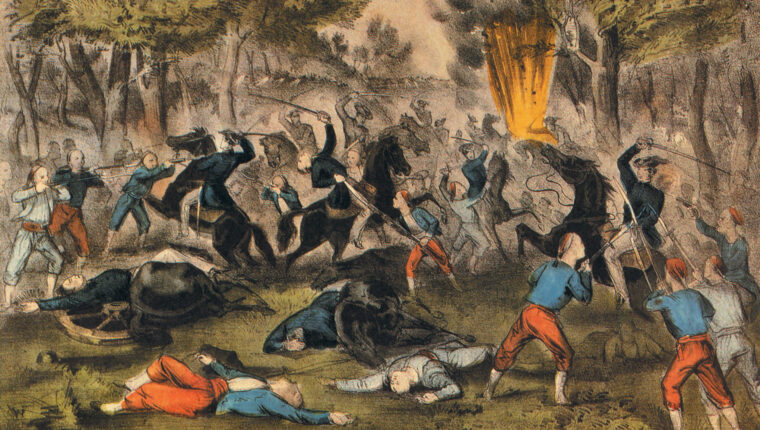
“But for you, there would have been no Battle of Bull Run.” When Confederate President Jefferson Davis made that blanket statement in the summer of 1862, he was not addressing Pierre G.T. Read more
Jefferson Davis
Big battles make the history books. But for the soldiers, it was often the smaller, fiercer fights they remembered most keenly later in their lives. Read more
Jefferson Davis
By Edward Holub and John Marchetti
“For God’s sake, if Mr. Forrest will let me alone, I will let him alone. Read more
Jefferson Davis
During the evening of September 20,1863, the following message reached Washington and was given to the president of the United States: “We have met with a serious disaster; extent not yet ascertained. Read more
Jefferson Davis
By the early spring of 1865, the Southern Confederacy was on the cusp of extinction. In every theater of the four-year-old Civil War, the gray-clad Rebels were getting the worst of things. Read more