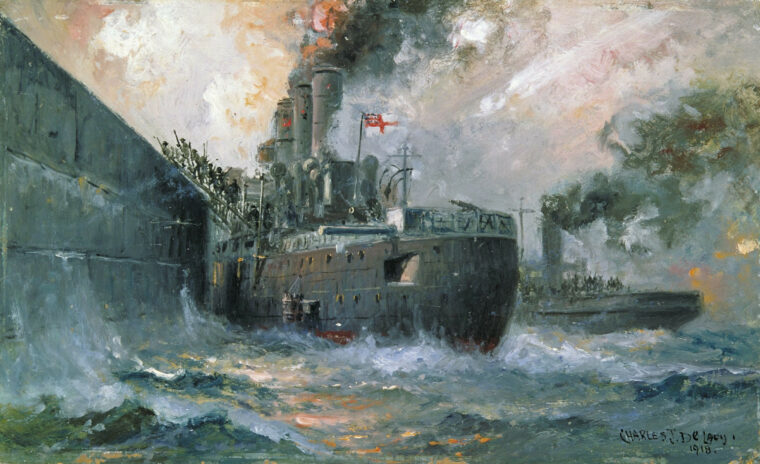
Zeebrugge: A Gallant Raid on Saint George’s Day
By Robert Barr SmithIn the spring of 1918, World War I was well into its fourth year, and still the armies struggled and died in the glutinous mud of Flanders. Read more
In the spring of 1918, World War I was well into its fourth year, and still the armies struggled and died in the glutinous mud of Flanders. Read more

Peering through a pair of field glasses, Major General Nathan Bedford Forrest perched in an oak tree on Missionary Ridge, overlooking the Tennessee town of Chattanooga, and observed a Union army in complete disarray. Read more
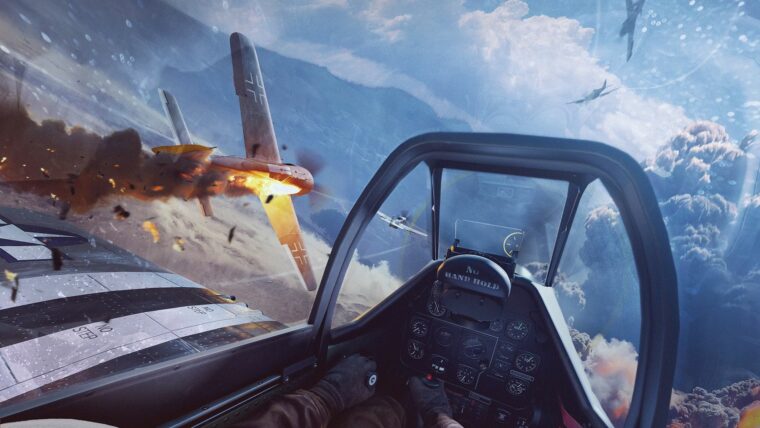
The War Thunder series recently revealed plans to deliver an aerial combat spinoff titled Aces of Thunder in the most immersive way possible. Read more
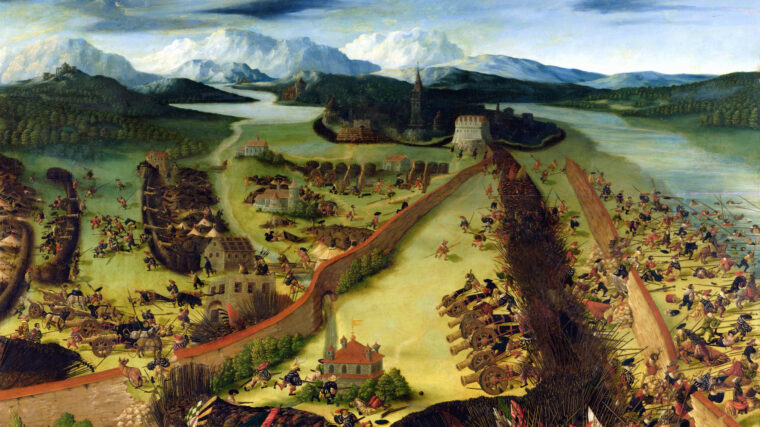
From the moment he was crowned King of France in 1514, Francis I shared the same obsession with the rich Italian territories of Milan and Naples that his predecessors, Charles VIII and Louis XII, had shown during their time on the throne. Read more
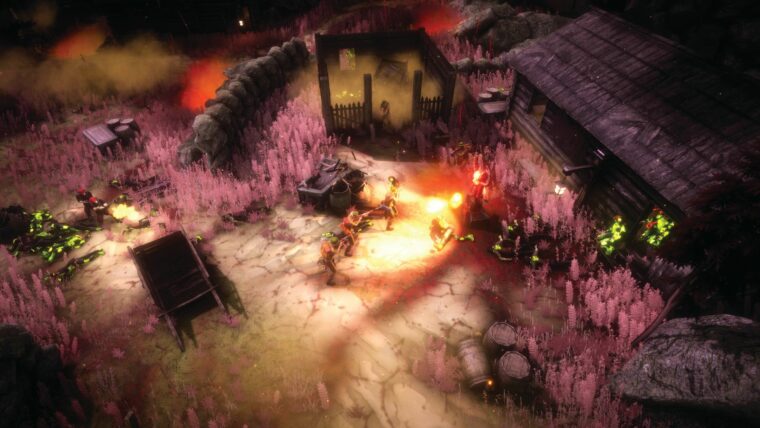
It’s time to venture into uncharted territory with narrative-driven alternate timeline tactical RPG Broken Lines, which just unleashed a DLC expansion titled The Dead and the Drunk. Read more
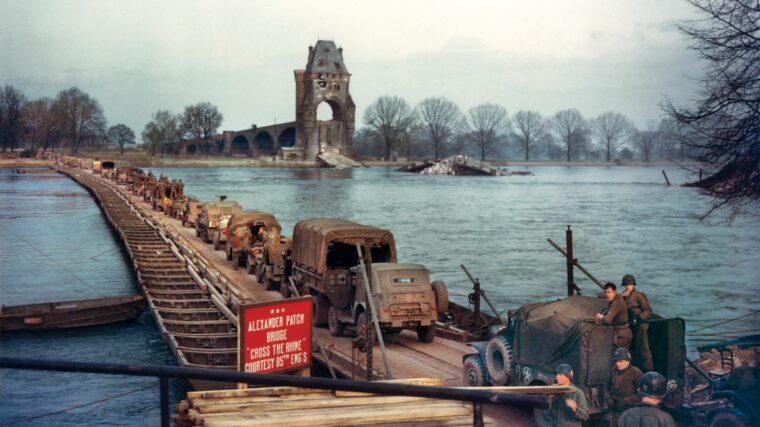
While British Field Marshal Bernard L. Montgomery’s 21st Army Group was marching across Belgium, Holland, and into northern Germany on his way to the Rhine, Omar Bradley’s 12th Army Group, made up of Courtney Hodges’s First and George Patton’s Third U.S. Read more
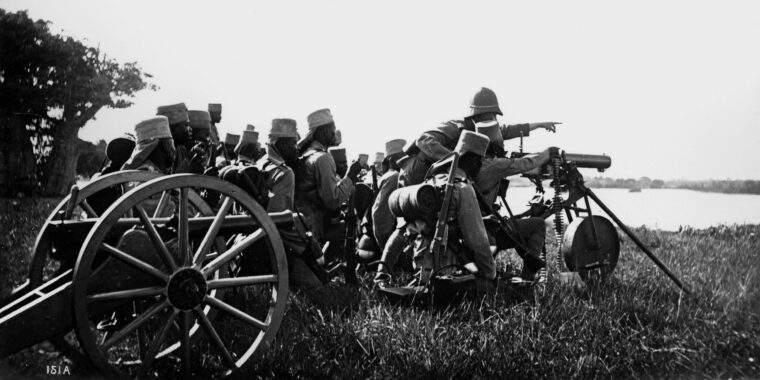
World War I evokes dreary images of trench warfare, where both sides’ strategy was simply to feed more and more troops into the mincing machine. Read more
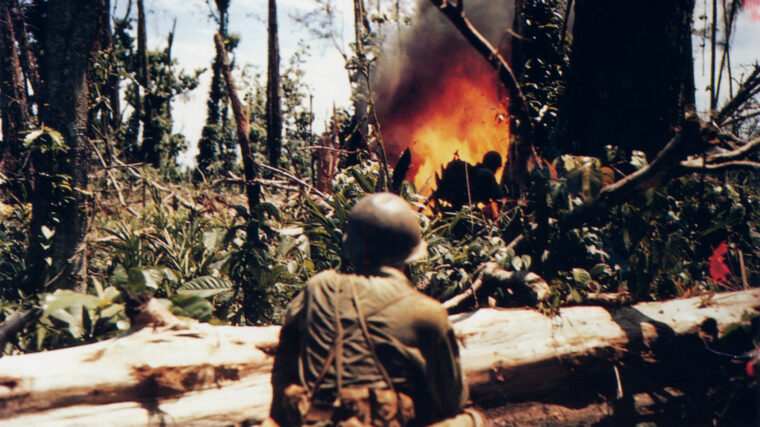
Perhaps the most primal and profound fear of men and animals alike is the fear of fire. With that in mind, fire has been a mainstay of combat for thousands of years, from burning arrows to scalding cauldrons of oil. Read more
The photograph is brutal, harsh, and unsettling. The death of Sergeant Leonard George Siffleet occurred on October 24, 1943. Eighty years ago, Siffleet was bound and blindfolded, transported to the beach at Aitape, New Guinea, after two weeks of torture and mistreatment at the hands of his Japanese captors. Read more
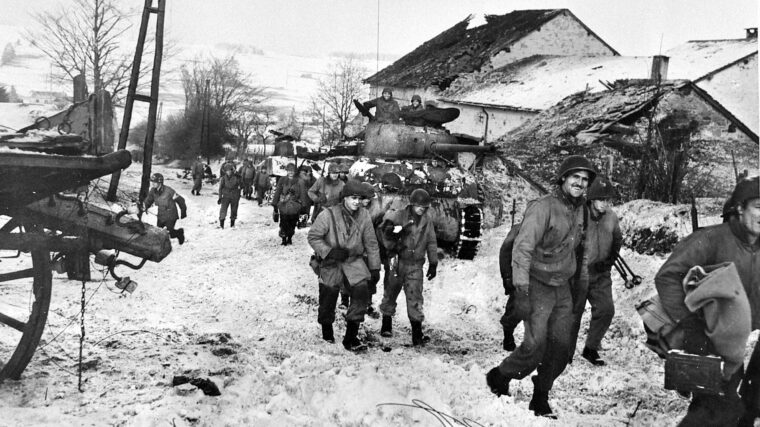
On the morning of December 19, Lieutenant General George S. Patton, Jr., prepared his Third Army for a battle raging north of him—the Battle of the Bulge. Read more

Lieutenant Colonel George Monro of the 35th Regiment of Foot was a tough Scotsman, a career soldier who had served in the British Army for many years. Read more
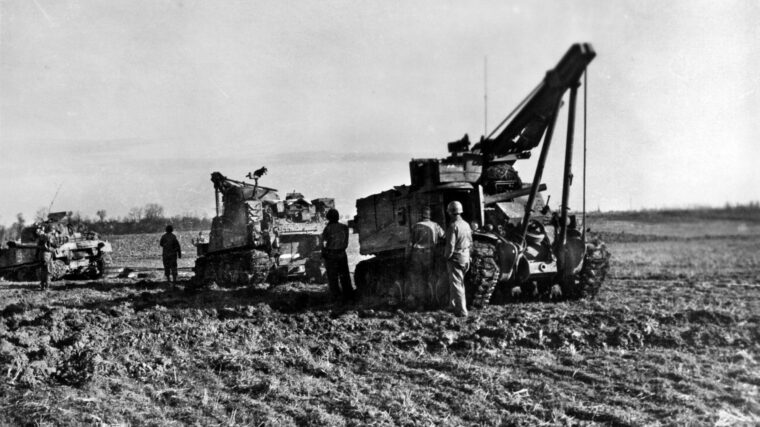
The U.S. Army’s drive across France and Belgium during the late summer and fall of 1944 was made possible by the support of the logistics and maintenance personnel that performed their duties magnificently—but received little credit or glory. Read more

The Spanish Empire is best remembered for its great voyages of exploration, its conquest of the New World, and its mighty Armada. Read more

On a warm summer day in the year 378 BC, a large Spartan army stood baffled on the plain of Boeotia in central Greece. Read more

By the late summer of 1814, the invading British Army had routed the entire American Army—both federal and state troops—on the Eastern Seaboard of the United States. Read more
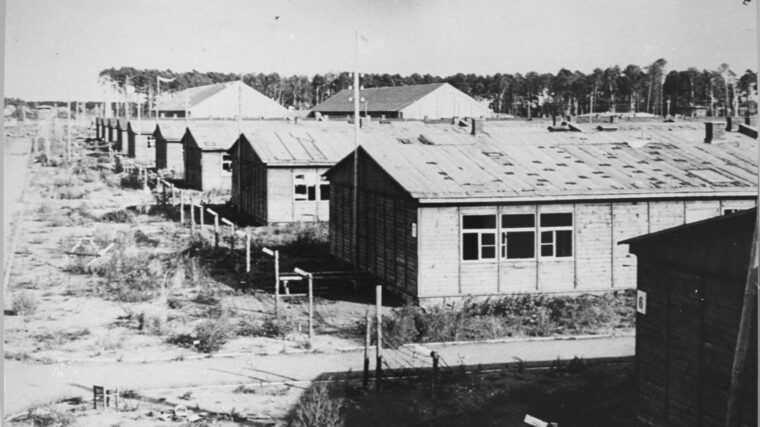
German prosecutors continue to go after anyone associated with the Third Reich’s concentration and death camps with a tenacity that would make Hitler’s victims proud. Read more

The Office of Strategic Services (OSS) was America’s first strategic intelligence organization. President Franklin D. Roosevelt authorized its establishment on June 13, 1942, six months after World War II began, to collect and analyze strategic intelligence and to conduct special services, including subversion, sabotage, and psychological warfare. Read more
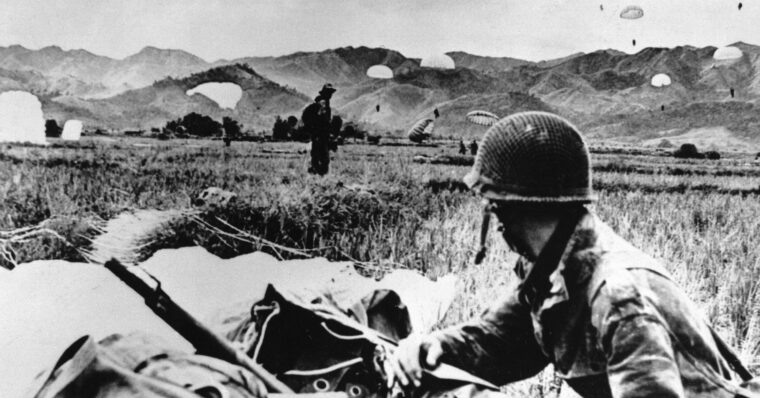
It began with the now-familiar sound, like thunder, coming from the hills to the northeast of the entrenched camp, as hidden Viet Minh mortar and artillery sites began raining destruction down upon the French fortifications in the Dien Bien Phu valley. Read more
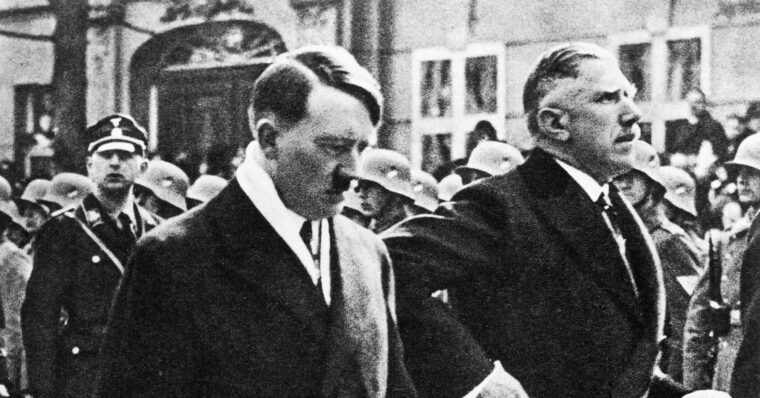
On May 31, 1932, Franz von Papen achieved the pinnacle of a long career serving his country when, in a surprising move, the aging President Paul von Hindenburg named him Chancellor of Germany. Read more

In many ways, Flavius Aetius personified the tumultuous changes that rocked the Western Roman Empire during its final years. Read more