
Pollepel Island: Private Fortress on the Hudson
By Dorraine FisherIn central New York, 50 miles north of New York City on the Hudson River, is a small spit of land known as Bannerman Island. Read more
In central New York, 50 miles north of New York City on the Hudson River, is a small spit of land known as Bannerman Island. Read more
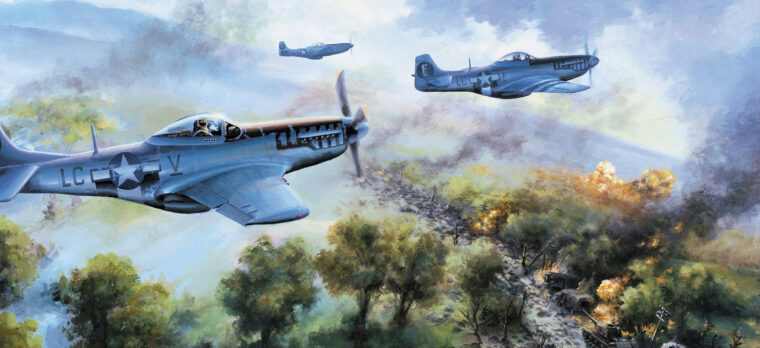
In the summer of 1944, the Third United States Army under Lt. Gen. George S. Patton made a spectacular dash across France, a daring advance that ranks high on the list of great military endeavors. Read more
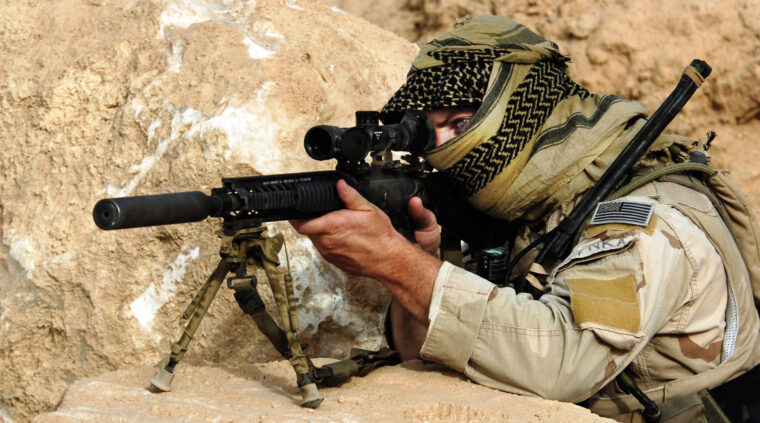
From the sniper’s perch, the city of Fallujah, Iraq, on November 7, 2004, looked dusty and brown. Most of the buildings were squat, two-story affairs, with the occasional minaret or domed mosque sitting above them. Read more
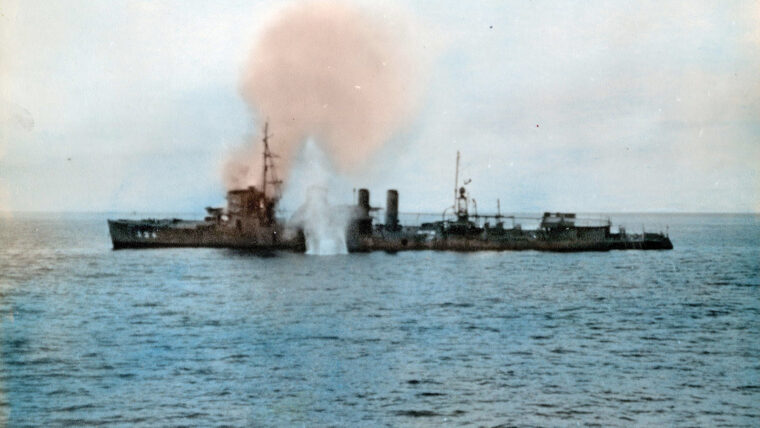
The Spanish-American War saw the development of the torpedo as we know it today. It was not the static mine of the Civil War but a propeller driven, waterborne explosive device. Read more

In AD 451, Attila the Hun, by then known to terrified Western Christians as the “scourge of God,” crossed the Rhine River in command of a multi-ethnic army. Read more
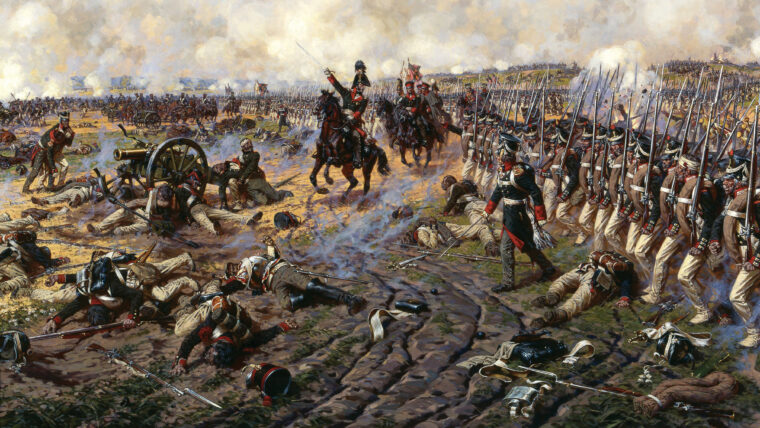
By mid-afternoon on September 7, 1812, Russian troops had lost control of the earthworks on their left flank at Borodino. Read more
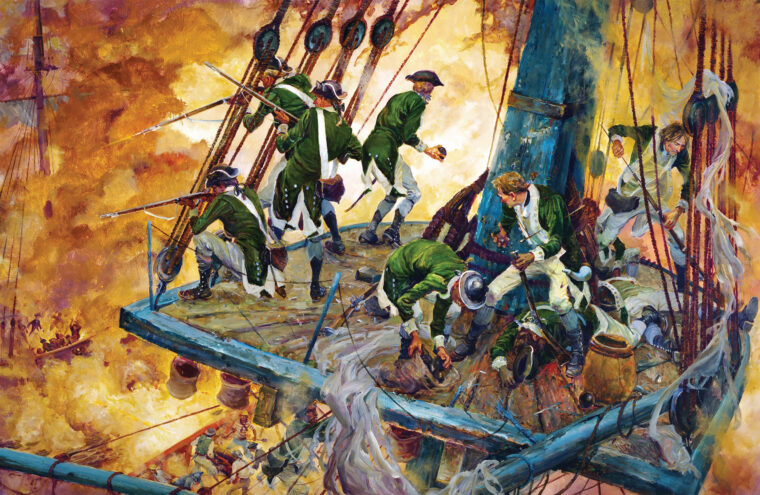
Standing on the quarterdeck of his flagship Bonhomme Richard, Commodore John Paul Jones took his telescope and trained it northwards, sweeping the instrument to the left and right to see what his lookouts were reporting at midafternoon on September 23, 1779. Read more
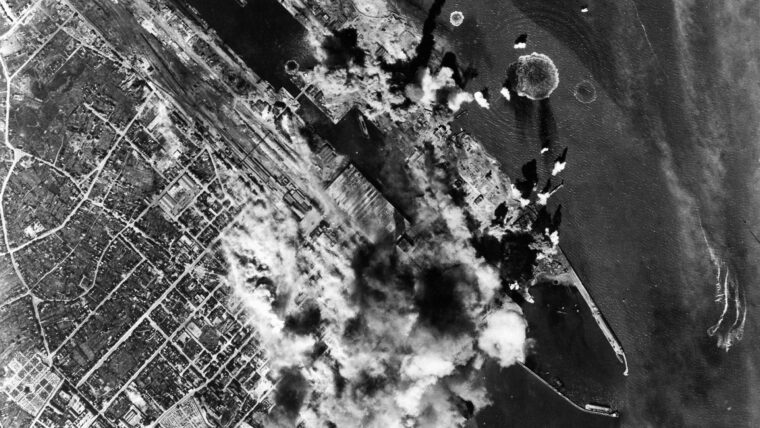
Even today, they don’t like to talk about the St. Nazaire raid.
Compared to the thousand-plane raids that went deep into Germany later in World War II, the January 3, 1943, bomber mission from England to the coast of German-occupied France was small and spanned only a modest distance. Read more
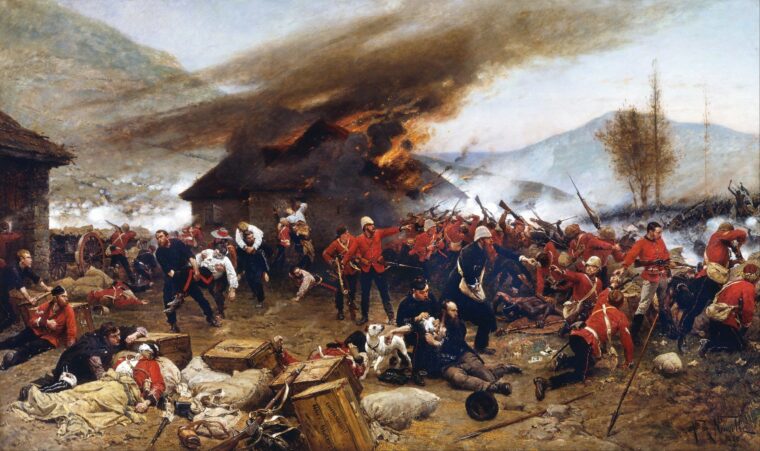
A Handful of Heroes: Rorke’s Drift Facts, Myths and Legends (Katie Stossel, Pen and Sword Books, South Yorkshire UK, 2022, 201 pp., Read more
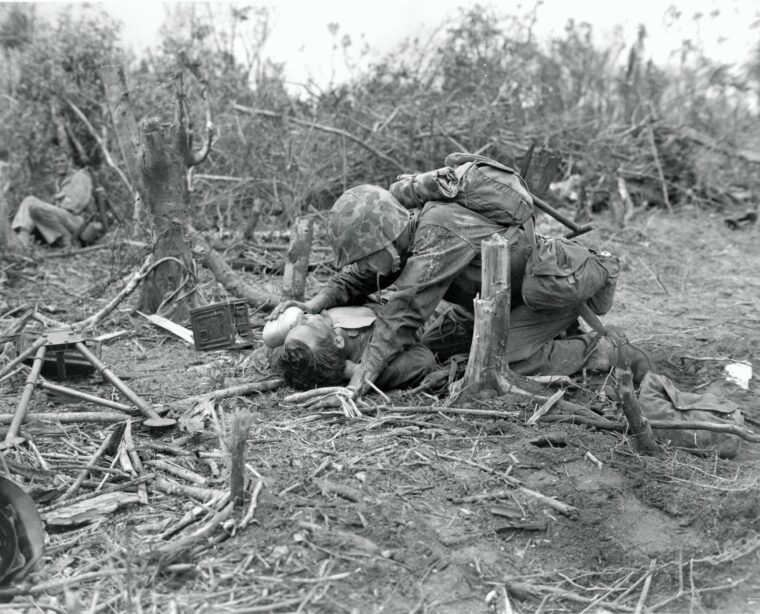
The cacophony of naval gunfire proved so thunderous it left some marines in a stupor. Dark smoke roiled thousands of feet in the air from the bombardment of Peleliu, a small island in the Palau Islands. Read more
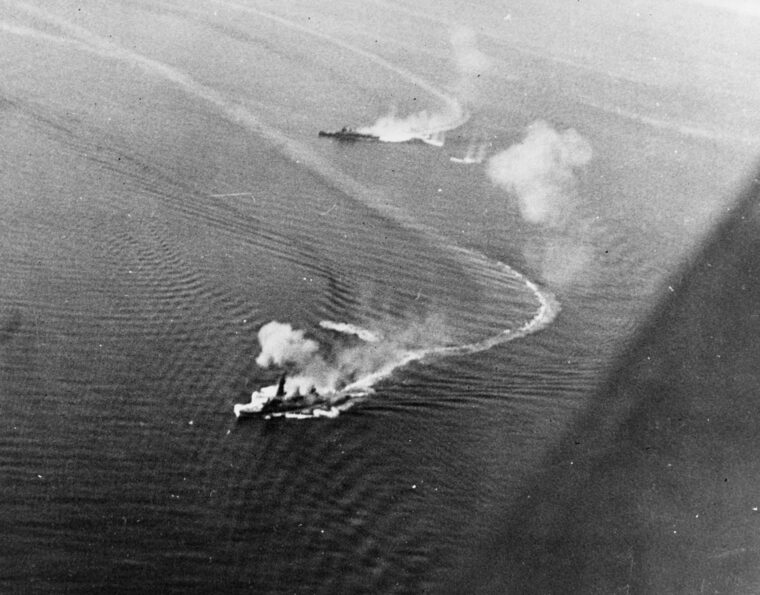
The Battle of Leyte Gulf was the largest naval battle of World War II, and by most measures the largest in history. Read more
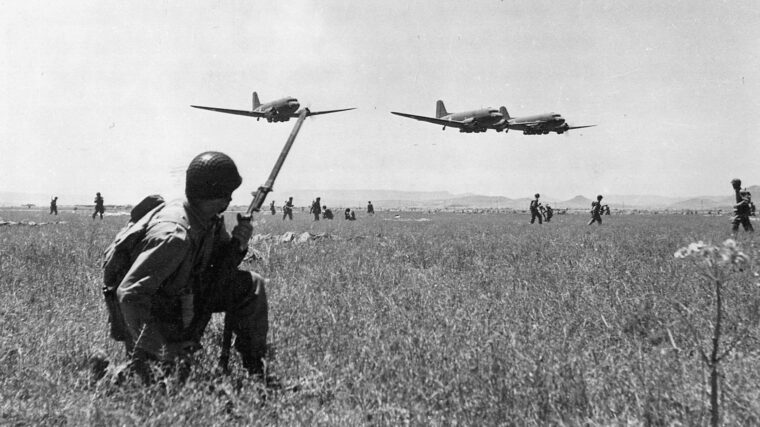
James Gavin began his wartime service as the commander of the 505th Parachute Infantry Regiment during the Sicily operation, before assuming command of the entire 82nd Airborne Division for the remainder of the war. Read more
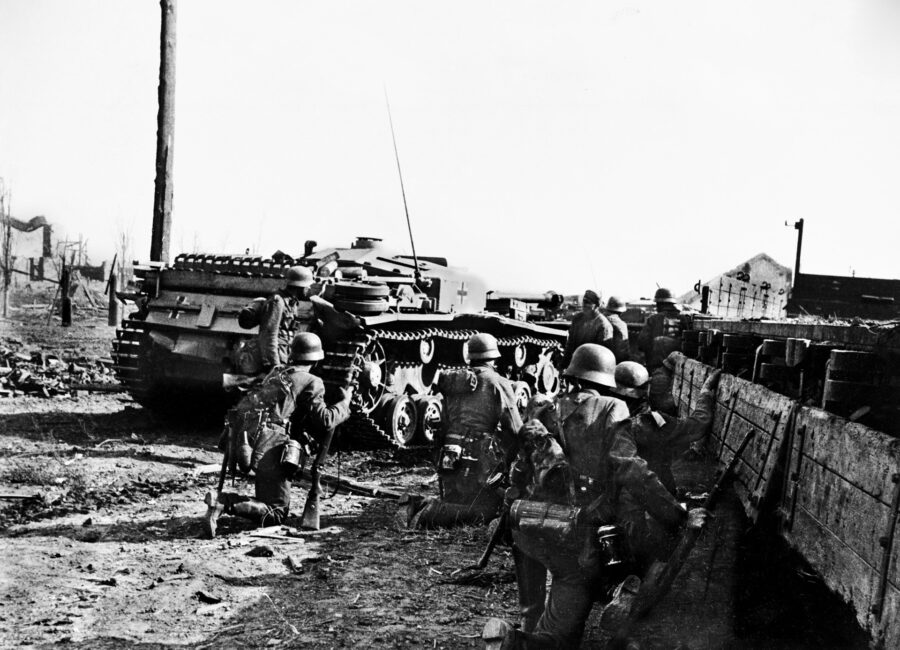
Few in the West know about the Rzhev Salient. The fighting around Moscow and Stalingrad come quickly to mind, but this little-known salient near the town of Rzhev, roughly 100 miles west of Moscow, was so terrible it was nicknamed the “Meat Grinder.” Read more
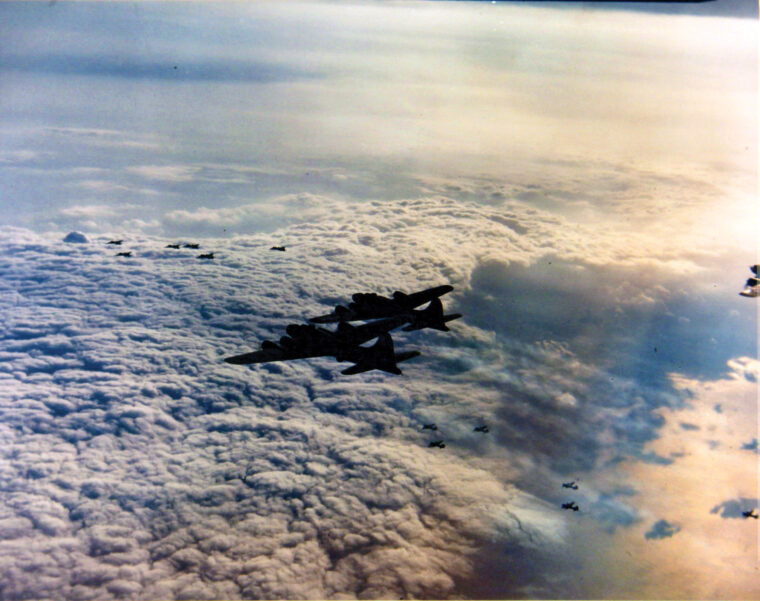
Lieutenant Wayne Blickenstaff saw a group of German Messerschmitt Me-109 fighters disperse after making a run at some American bombers. Read more
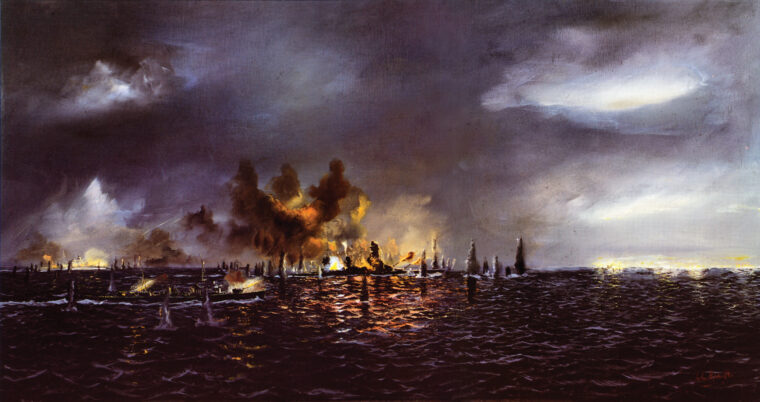
The Battle of Leyte Gulf, while the largest naval battle in history, was composed of four major actions occurring over two days. Read more
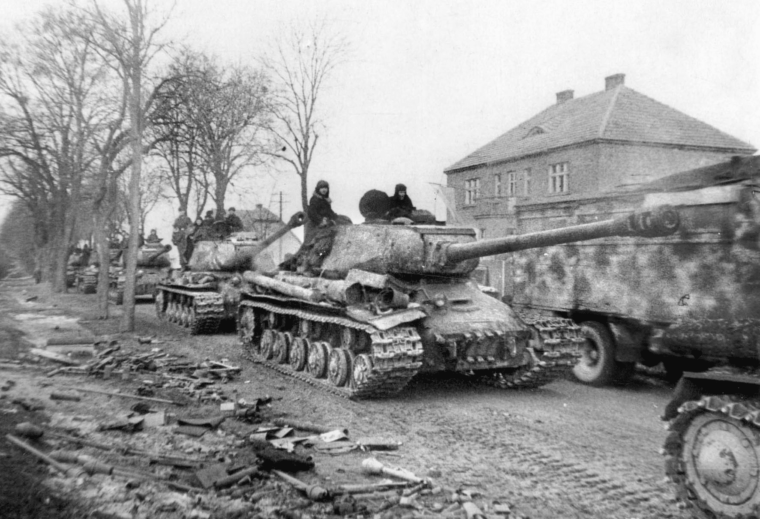
The overwhelming Soviet offensives in the summer of 1944 threw the German army back. Much of the German Army Group North drew back into the Baltic States of Estonia, Latvia, and Lithuania. Read more
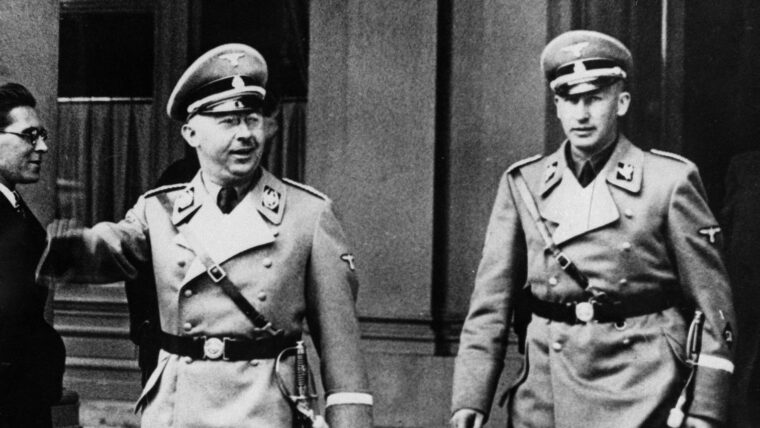
Felix Kersten acted as Heinrich Himmler’s personal masseur and did the job so well Himmler nicknamed the outgoing, heavy set Kersten the “Magic Buddha.” Read more
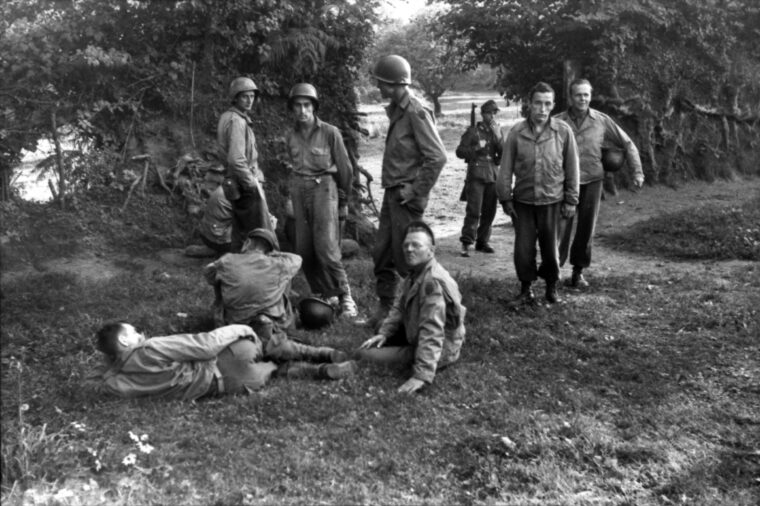
The German Army had extensive combat experience, some of the best weapons and equipment, and in June 1944 was holding its own in Italy and on the Eastern Front. Read more
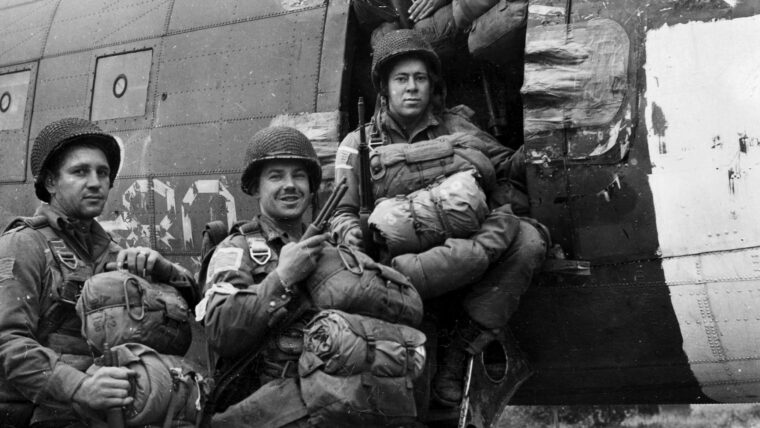
Glider Pilots occupied a perilous position in British airborne divisions. It took skill and determination to pilot a glider. Read more
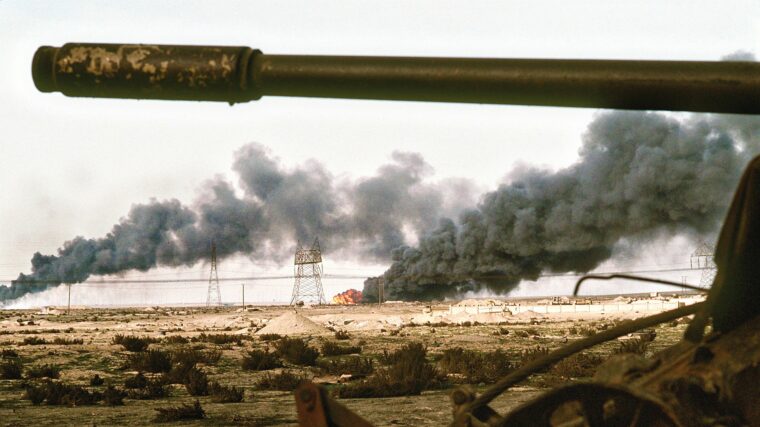
IN November 1990 the United Nations Security Council passed a resolution authorizing the use of force against Iraq if it failed to withdraw from Kuwait by January 15, 1991. Read more
![The 185th Infantry Regiment (40th ID) hits the beach in an LCVP [Landing Craft Vehicle, Personnel] during amphibious training on Guadalcanal in the Solomon Islands in early March 1944.](https://warfarehistorynetwork.com/wp-content/uploads/2026/01/W-Spr26-Bud-Elliott-3.jpg)