WWII

WWII

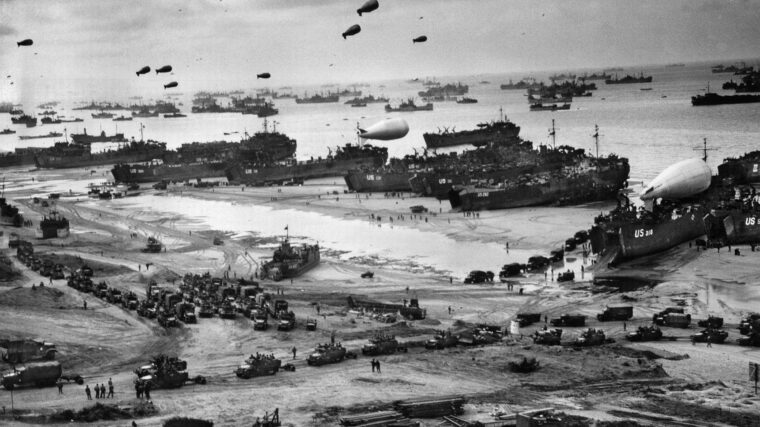
The Longest Struggle

By Michael D. Hull

For the duration of World War II, from the evening of Sunday, September 3, 1939, to the evening of Monday, May 7, 1945, the Battle of the Atlantic never ceased. Read more

A Spitfire patrols the southern coast of England in April 1941.

WWII

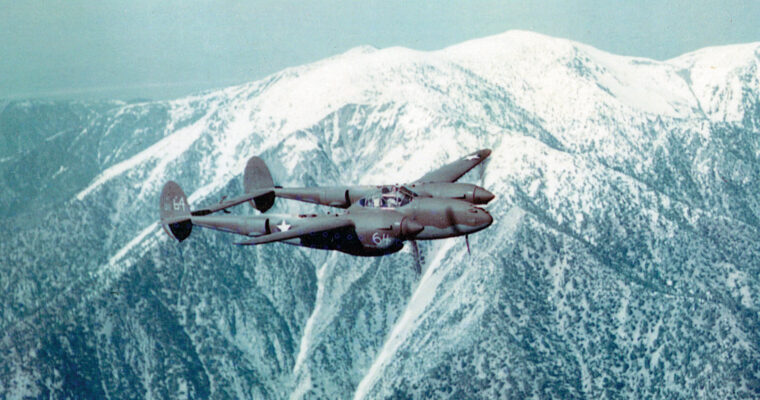
The Supermarine Spitfire

By William F. Floyd Jr.

On April 21, 1942, in action over Malta, Flight Lieutenant Denis Barnham of No. 601 Squadron was given credit for downing a German Junkers Ju-88 bomber and a Messerschmitt Bf-109 fighter. Read more

WWII

A Good Samaritan

By Jon Diamond

The iconic photograph the Blinded Soldier, New Guinea taken on Christmas Day 1942, reveals a wounded and barefoot Australian soldier, Private George “Dick” Whittington of the 2/10th Battalion, being led down a path through a surrounding field of tall kunai grass to an Allied field hospital at Dobodura in Papua, the eastern third of the world’s second largest island, New Guinea. Read more

WWII

The P38 Can Opener: WWII’s “Other” P-38

By Richard A. Beranty

Far down on the list of important inventions essential to victory in World War II is a modest gadget built of stamped metal called the GI Pocket Can Opener—commonly known as the P-38 can opener—which was used by American troops in the field to sever the lids off combat rations. Read more

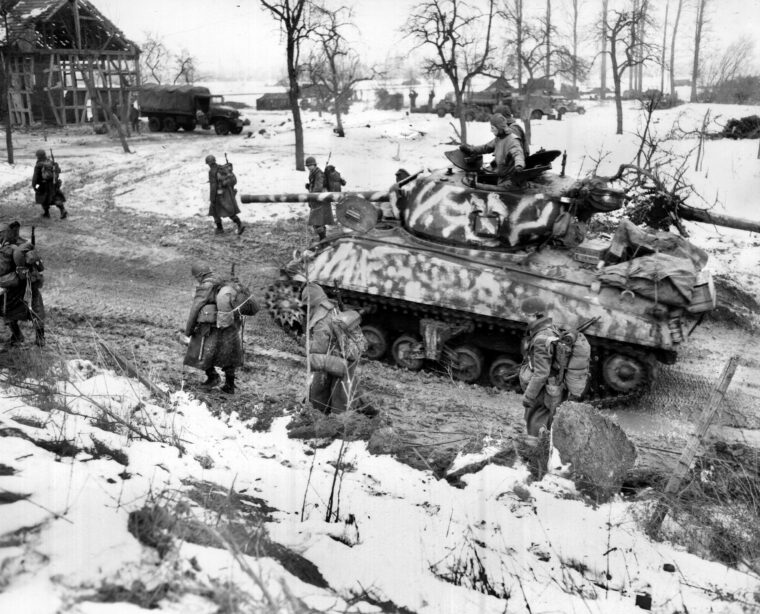
An M4A3E8 of 4th Armored Division takes cover along a sunken road while covering the H-4 highway outside Bastogne with its 76mm gun. This updated version of the Sherman has wider tracks for better performance in snow and mud; note the star has been painted over so German gunners cannot use it as an aiming point.

WWII

Deadly Drive to Bastogne

By Christopher Miskimon

Private Bruce Fenchel was writing a letter home when his first sergeant burst into the barracks room. “Pack your duffel bags and get ready to roll,” the NCO said ominously. Read more

Two American soldiers of the 96th Infantry Division engage stubborn Japanese defenders on the island of Okinawa. One of them is seen firing his M-1 Garand rifle at a distant target, while the other is in the process of reloading his weapon. The bloody fight for Okinawa lasted 82 days.

WWII

Hell on Hacksaw Ridge

By Nathan N. Prefer

It was called the Maeda Escarpment, after the nearest native village. An escarpment, according to the dictionary, is “a steep slope in front of a fortification” or “a long cliff.” Read more

As the date of D-Day approaches, GIs shave their heads. Some did it for sanitary reasons, other to look like American Indians, whom, it was rumored, terrified Adolf Hitler. The crudely drawn woman on the soldier’s jacket attests to what the GIs miss the most.

WWII

Preparing for D-Day

By Kevin M. Hymel

The American Army that stormed the beaches of Normandy was mostly green but well trained. For months men practiced climbing down rope ladders into landing craft, exiting in columns of threes, racing across a beach, assaulting pillboxes, storming bluffs, and digging foxholes. Read more

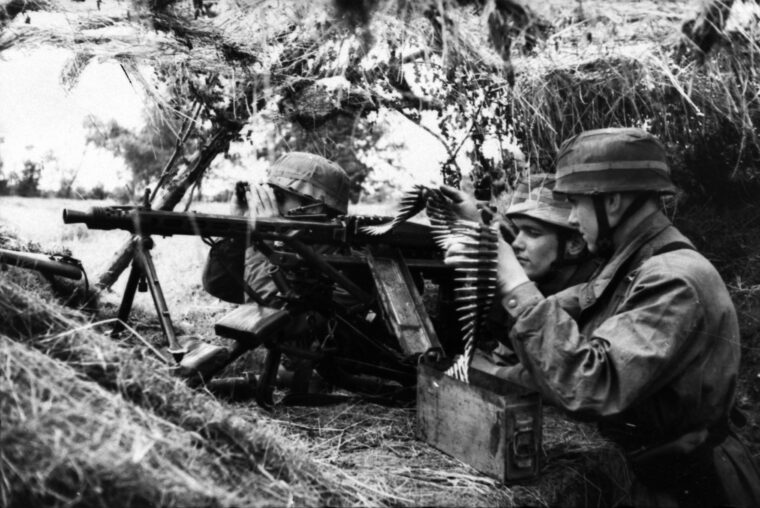
On August 11, 1943, an American soldier digs in with his heavy machine gun on a hillside near Brolo. U.S. forces attempted to outflank German troops with an amphibious landing near this site during Operation Husky.

WWII

Imbroglio at Brolo

By Eric Ethier

Fresh off a tense telephone conversation with Maj. Gen. Lucian Truscott, Lt. Gen. George S. Patton, Jr., climbed into a jeep and rumbled over to Truscott’s 3rd Infantry Division headquarters east of Terranova, on Sicily’s northeastern coast. Read more

WWII

The Bridges at Nijmegen

By Christopher Miskimon

Lieutenant Colonel Ben Vandervoort’s 2nd Battalion, 505th Parachute Infantry Regiment (2/505) was fighting its way through the Dutch town of Nijmegen on September 19, 1944. Read more

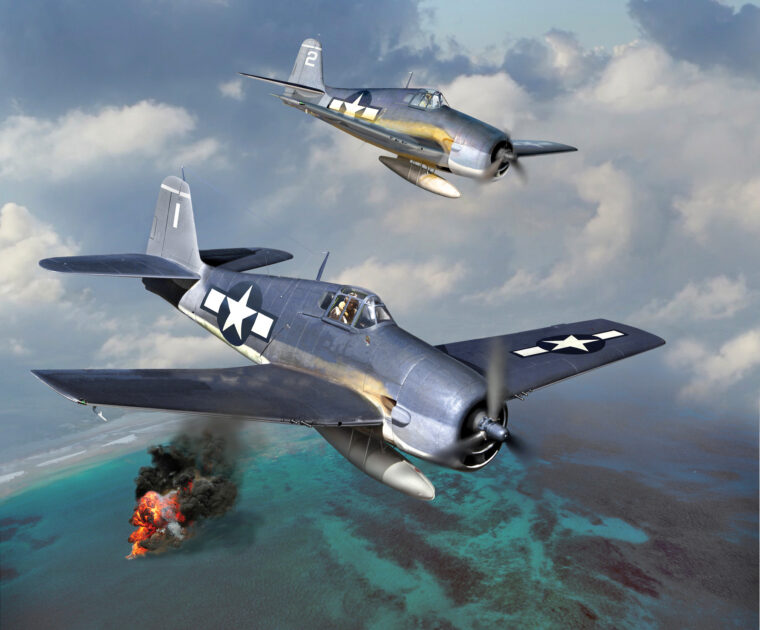
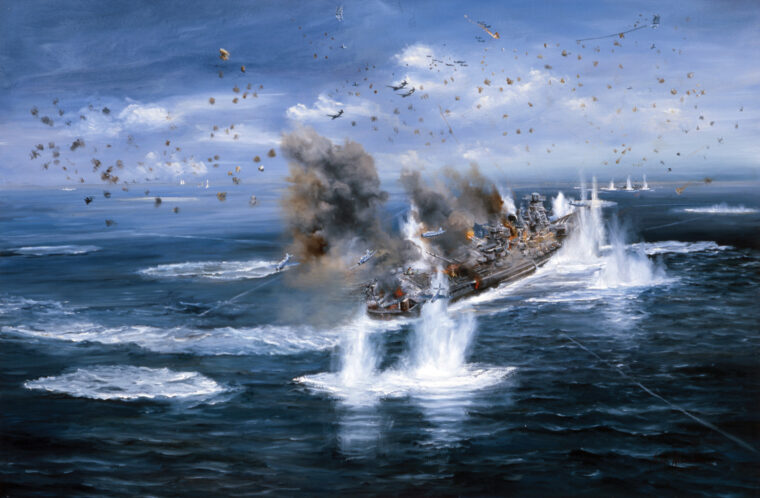
U.S. Navy Lieutenant Alex Vraciu, who shot down six Japanese aircraft in the Battle of the Philippine Sea, takes off in his F6F Hellcat from the deck of the USS Lexington in a painting by Nicolas Trudgian. By 1944 the Japanese carrier fleet had only half the number of aircraft of the United States, making it highly unlikely they would reverse the tide of the War in the Pacific.

WWII

Carrier Clash in the Marianas

By Chuck Lyons

The Philippine Sea encompasses two million square miles of the western part of the Pacific Ocean. It is bounded by the Philippine Islands on the west, the Mariana Islands on the east, the Caroline Islands to the south, and the Japanese Islands to the north. Read more

German soldiers in foxholes with panzerfausts within arm’s reach for immediate use await the onslaught of Soviet armor and infantry.

WWII

Savage Fight for Seelow

By Victor Kamenir

For Soviet Premier Josef Stalin and the people of the Soviet Union, the capture of Berlin was of great political and symbolic importance. Read more

A Lockheed Hudson bomber of the Royal Australian Air Force scores a hit against a Japanese freighter near Port Moresby, New Guinea.Variants of the Lockheed Electra and Lodestar designs saw service around the globe during World War II.

WWII

Lockheed’s Electra and Lodestar

By Sam Mcgowan

During its history, the Lockheed Aircraft Corporation has earned a reputation for building versatile airplanes. Its 1950s era C-130 Hercules is no doubt the most famous, but it was not the first. Read more

Soviet Premier Josef Stalin, U.S. President Franklin D. Roosevelt, and British Prime Minister Winston Churchill met in the Iranian capital of Tehran in late 1943. Among the topics of discussion was the opening of a second front in Western Europe.

WWII

Big Three in Tehran

By Michael D. Hull

World War II made a disparate trio of allies —British Prime Minister Winston Churchill, Soviet Marshal Josef Stalin, and American President Franklin D. Read more