Book Reviews
Mark Stille’s ‘Midway: The Pacific War’s Most Famous Battle’
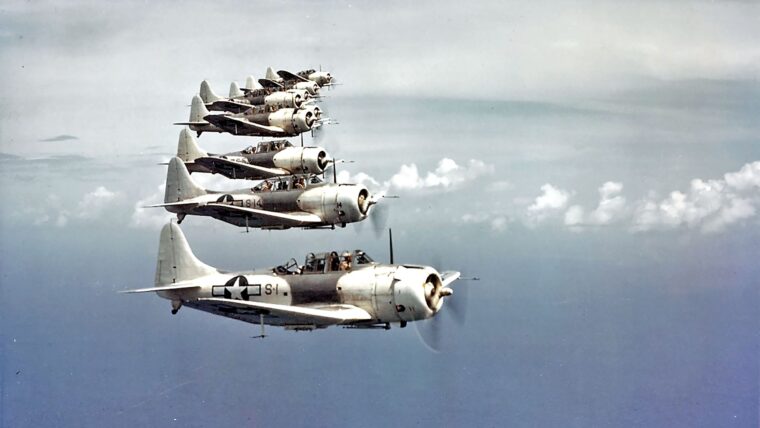
By Christopher MiskimonJapan’s striking force sailed for Midway on May 27, 1942, a day later than planned, after some late preparations were complete. Read more
Book Reviews
Japan’s striking force sailed for Midway on May 27, 1942, a day later than planned, after some late preparations were complete. Read more
Book Reviews
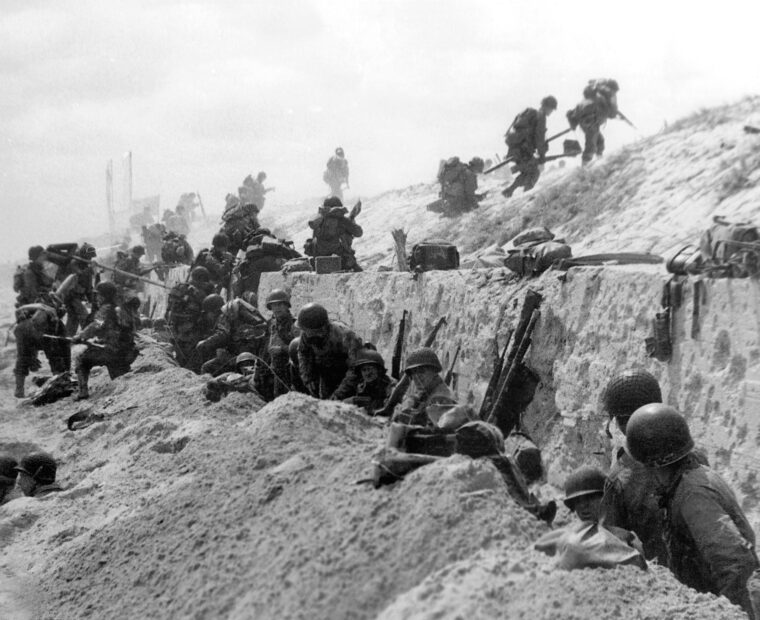
There are no large cities and few sizable towns in Normandy between Cherbourg and Caen. One of those towns is Sainte-Mère Église, a crossroads valuable for the invading Allied forces in June 1944. Read more
Book Reviews
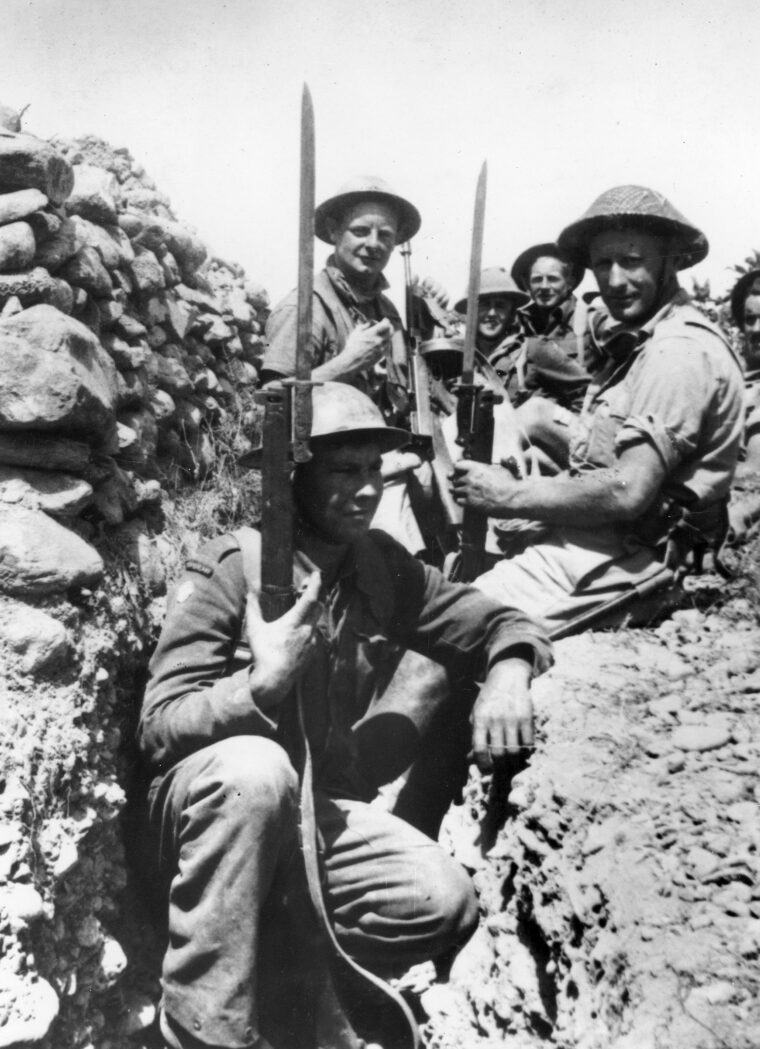
Captain Stanton Johnson’s company of New Zealand infantry slowly recovered from a bombing raid by the German Luftwaffe. Read more
Book Reviews
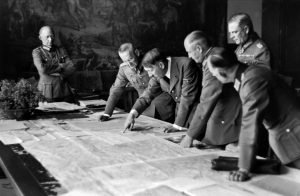
The United States played an important role at the end of World War I. Even during the 1930s, gripped by economic depression, America had enormous actual and potential industrial capacity. Read more
Book Reviews
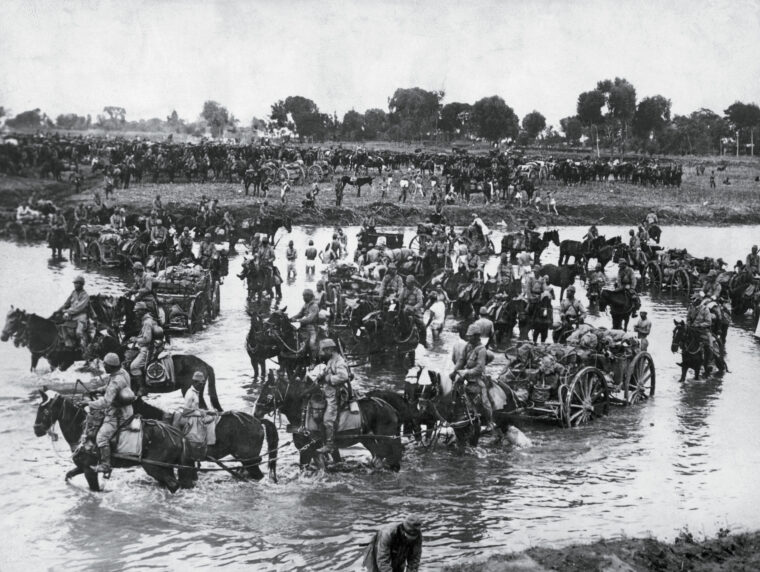
The Pacific War of 1941-1945 really stems from the Sino-Japanese conflicts of the 1930s. It most likely would not have happened had Japan not been embroiled in a war in China, which began with sporadic skirmishing and “incidents” in the early 1930s. Read more
Book Reviews
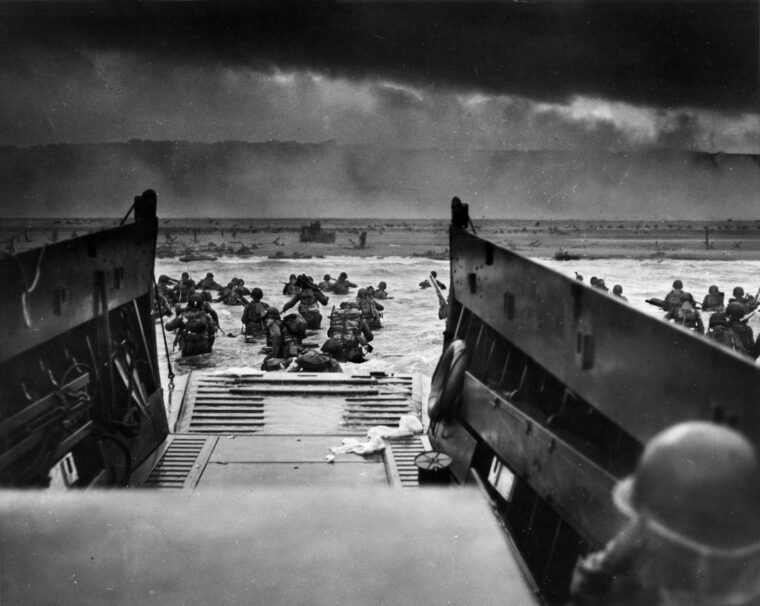
The U.S. 1st Infantry Division, nicknamed “Big Red One” for its distinctive shoulder patch, fought during the entirety of U.S. Read more
Book Reviews
By Christopher Miskimon
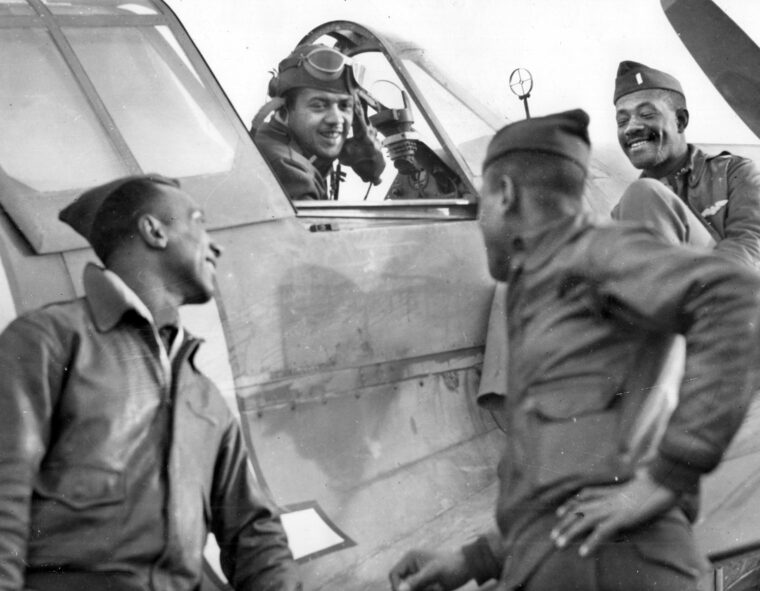
The 332nd Fighter Group was the only segregated American fighter group to see combat service during World War II. Read more
Book Reviews
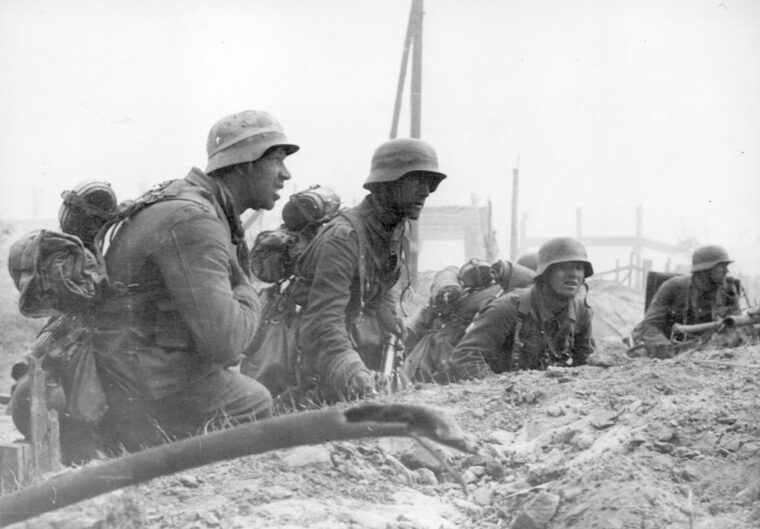
The Nazi invasion of the Soviet Union that began on June 22, 1941, involved three million German troops and their allies, against nearly five million Soviet soldiers. Read more
Book Reviews
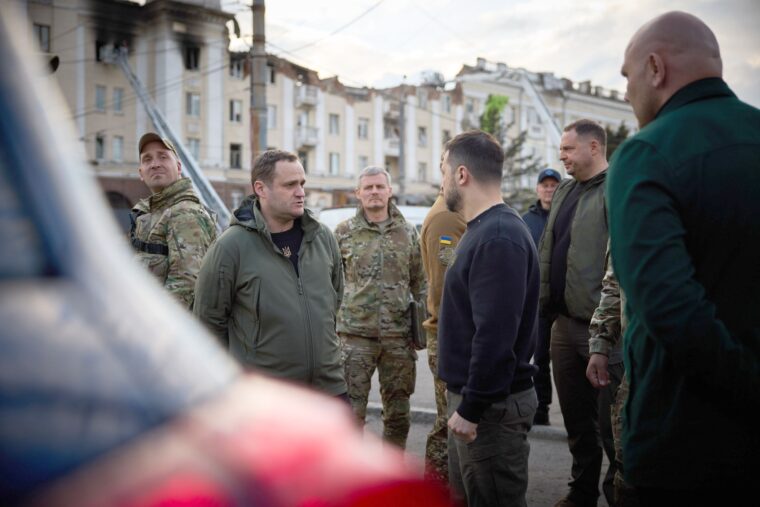
The distant thundering of Russian missiles and bombs awoke Olena Zelenska, First Lady of Ukraine, at 4:30 a.m. Read more

Book Reviews
The village of Monchy-le-Preux sits on a low hill east of Arras. During World War I, this otherwise minor local became a focal point for the hellish fighting of that conflict. Read more
Book Reviews
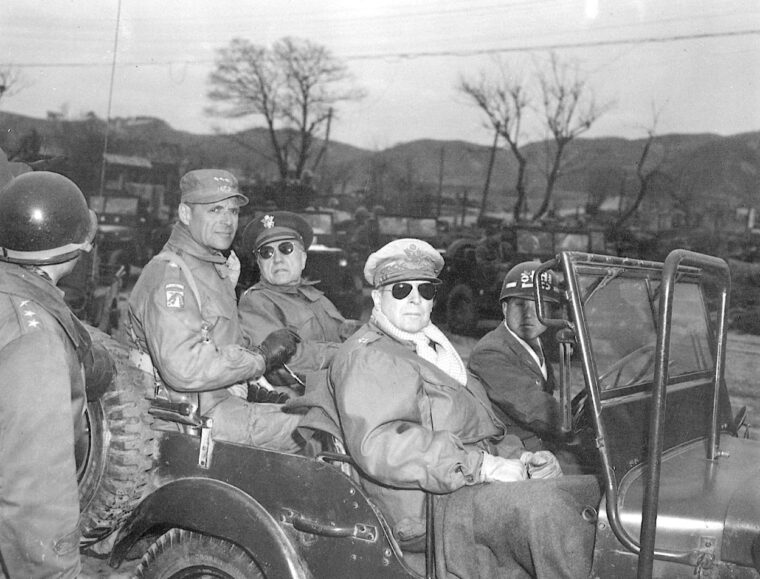
There are many American flag officers who stand as exemplars of duty, integrity and honor. Unfortunately, there are others whose legacies are examples of immoral and unethical conduct, lessons in what not to do. Read more
Book Reviews
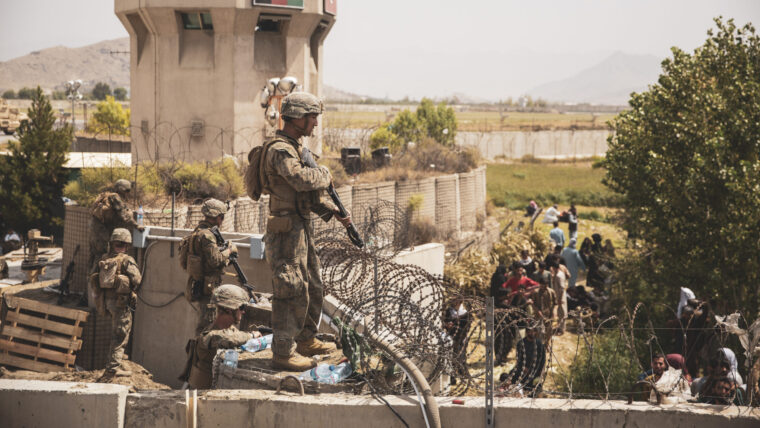
As the United States withdrew from Afghanistan in 2021, the situation quickly became chaotic. A group of veterans, intelligence operatives and even legislative aides worked to evacuate Afghans who had worked with them for two decades and were now being left behind. Read more
Book Reviews
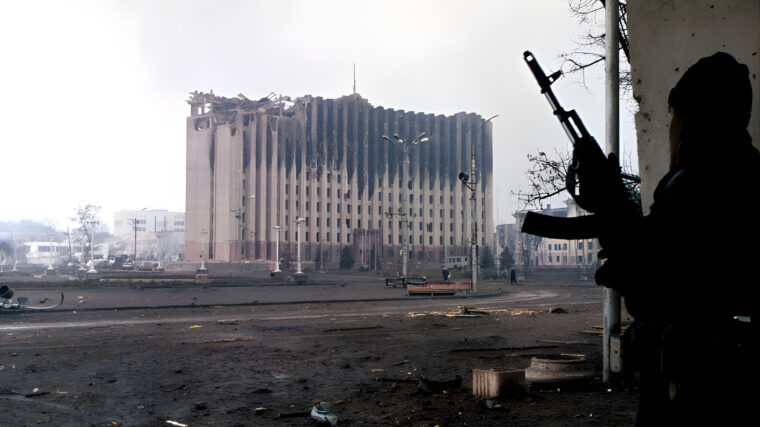
The Russian Army attacked the city of Grozny in Chechnya on December 31, 1994. It sent several columns into the city from the north, east and west simultaneously, intent on quickly overawing the local population and seizing control of the city. Read more
Book Reviews
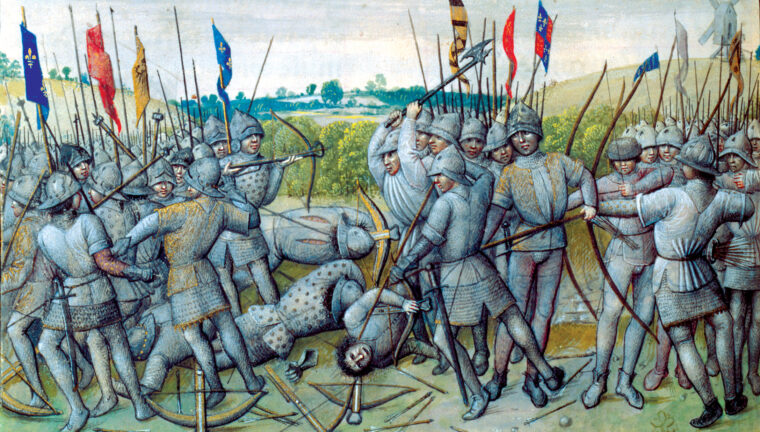
On August 26, 1346, the British army had ceased its northward retreat as its leaders decided to make a stand against the pursuing French forces. Read more
Book Reviews
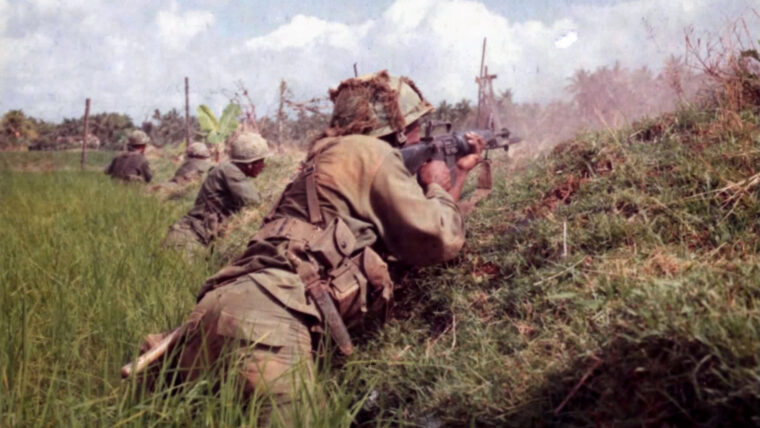
Two months after the hard fighting in the Ia Drang Valley, newly promoted Colonel Harold G. Moore led a new operation against the North Vietnamese Army (NVA). Read more
Book Reviews
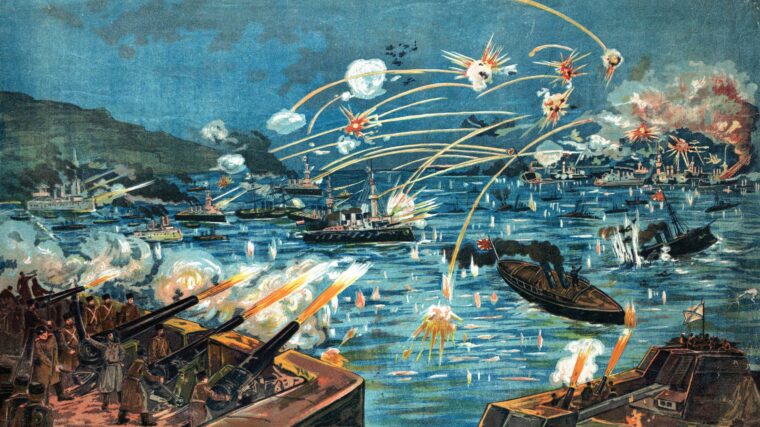
The Russo-Japanese War began with a surprise naval attack by the Japanese Navy on the Russian Pacific Fleet at Port Arthur. Read more
Book Reviews
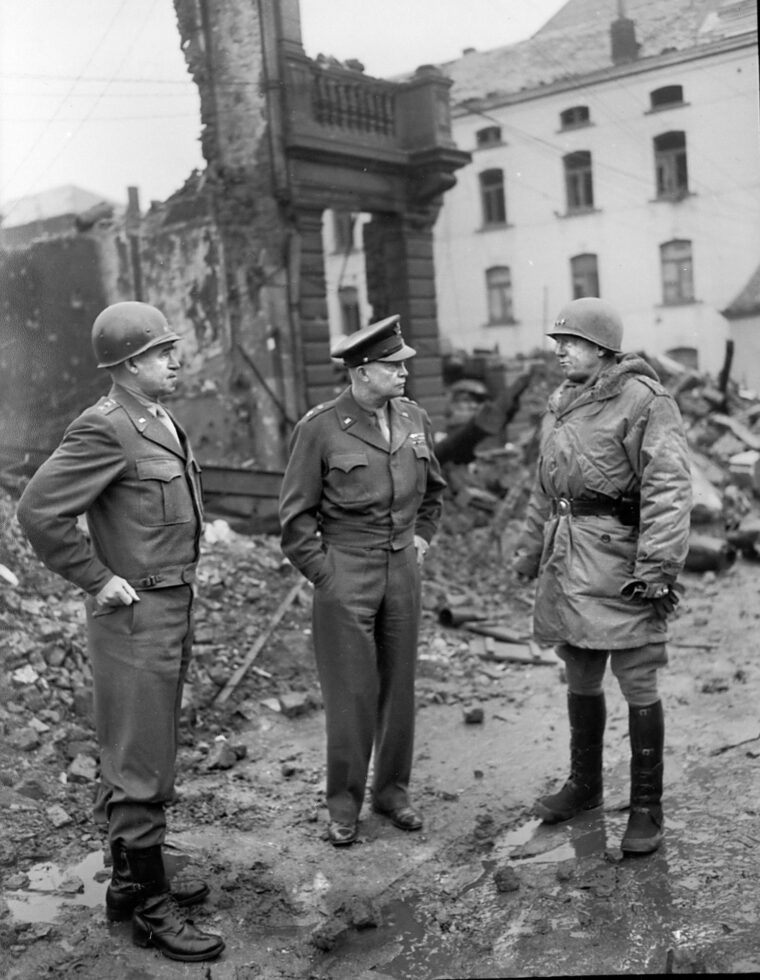
The U.S. Army’s summer campaign of 1944 proved hard-fought, but successful. The Normandy landing succeeded in establishing a lodgment in mainland Europe. Read more
Book Reviews
On September 20, 1944, 1st Lt. Joe Paul Hendrickson said goodbye to his wife and two small children. Read more
Book Reviews
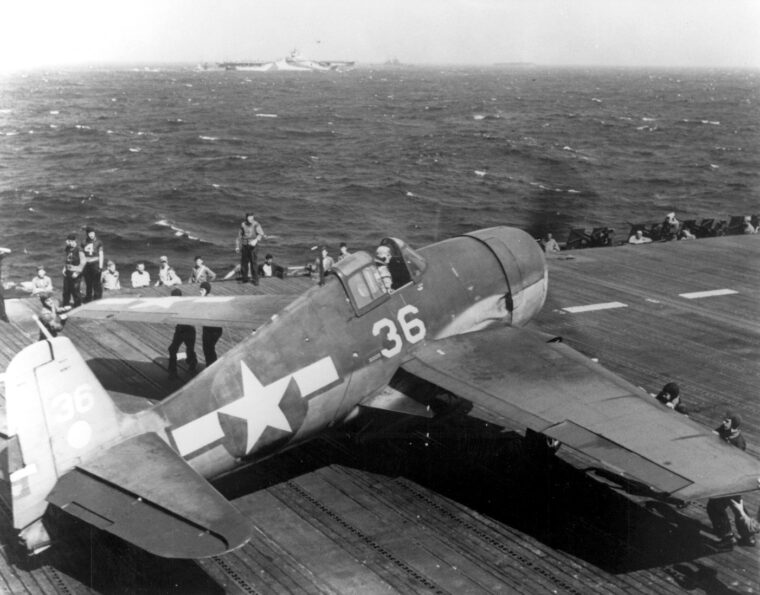
Georgia-born Hamilton McWhorter III wanted to be a fighter pilot. When the Pearl Harbor attack happened on December 7, 1941, he was a naval aviation cadet still in training. Read more
Book Reviews
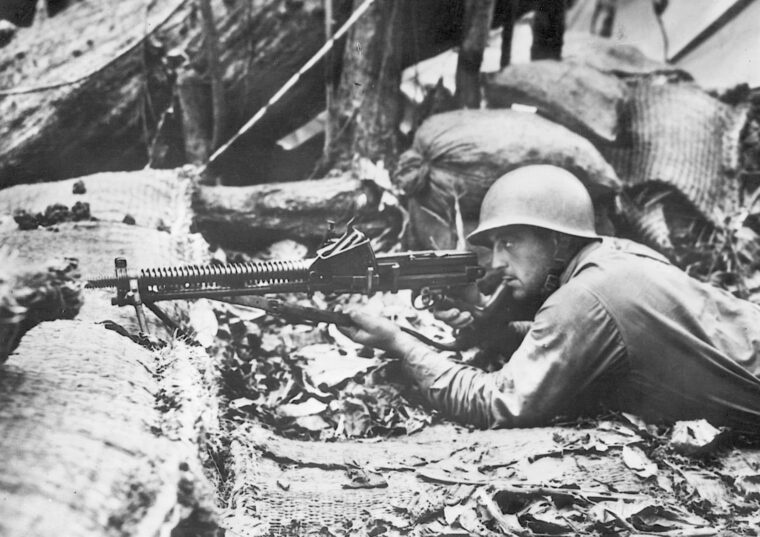
William Swanson described himself as an ordinary rifleman, but there was nothing ordinary about his experiences as a United States Marine in World War II. Read more