The Athenian Soldier Versus the Spartan Hoplite
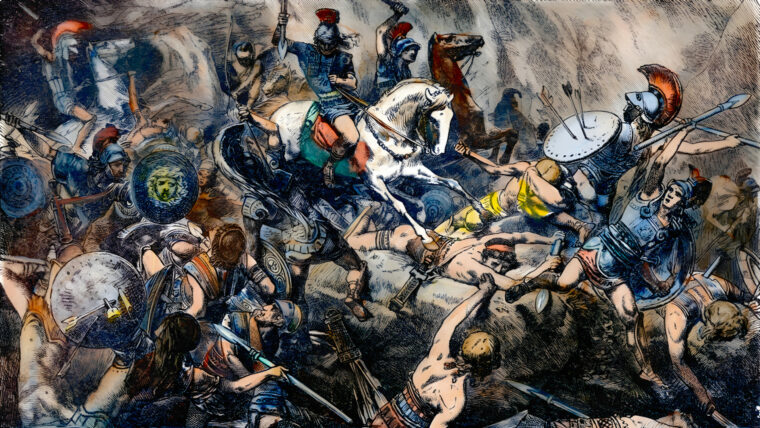
By Fred Eugene RayThe wars fought by Sparta and Athens in the fifth century bc pitted one city-state with ancient Greece’s greatest army against one boasting her most powerful fleet. Read more
The wars fought by Sparta and Athens in the fifth century bc pitted one city-state with ancient Greece’s greatest army against one boasting her most powerful fleet. Read more

The U.S. Army trained dogs for a number of tasks during World War II. From checking for mines to guarding prisoners of war, the dogs performed admirably, but a few special dogs actually earned jump wings. Read more
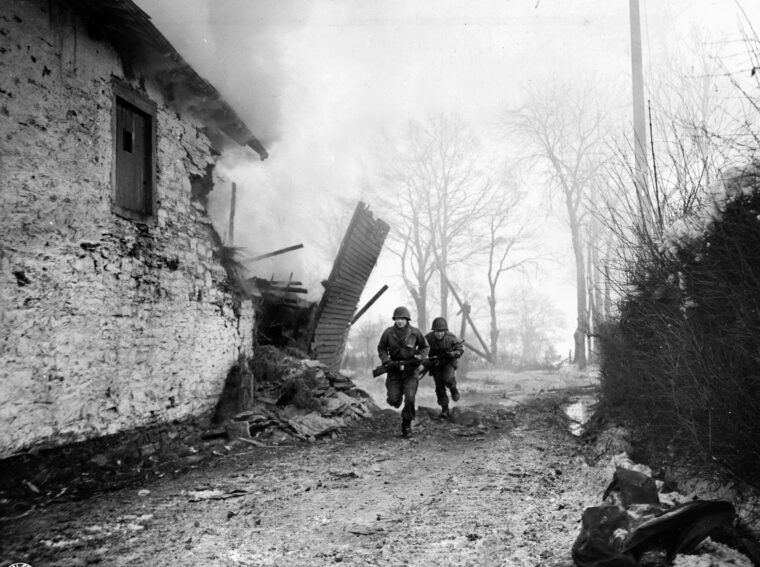
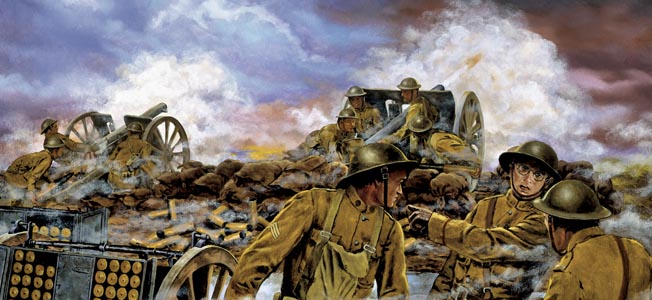
The GIs defending Pillbox No. 9 watched in despair as a weak January sun set behind them. Read more
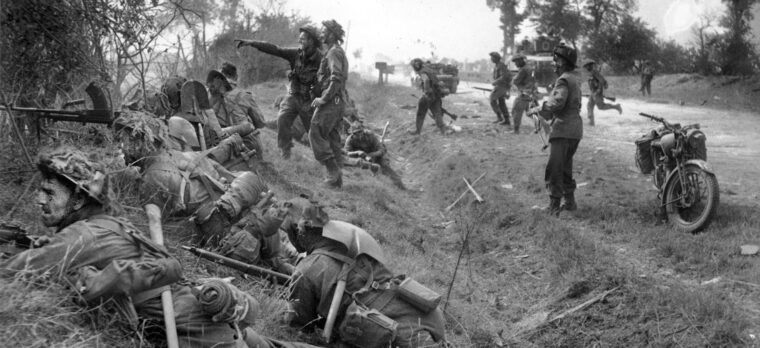
The political and military reasons for launching Operation Goodwood have been discussed in virtually every book written about the Normandy campaign. Read more
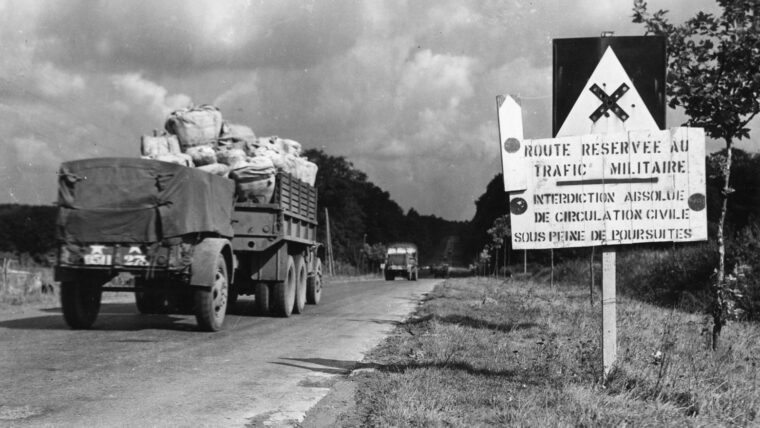
While supply and logistics may seem like dull, dry topics, they are absolutely essential to military operations, for no victory can be achieved without a steady, uninterrupted flow of food, fuel, ammunition, clothing, medical supplies, and other key matériel. Read more
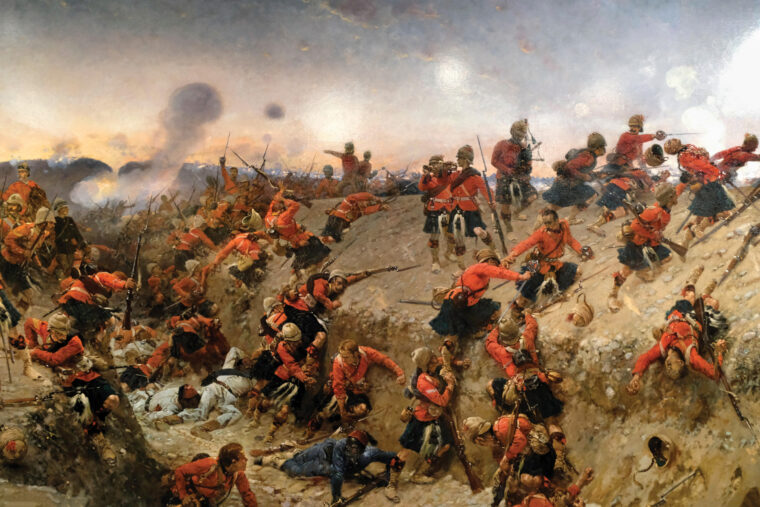
The crew of the HMS Alexandria waited anxiously for battle in the minutes before 7:00 am on July 11, 1882. Read more
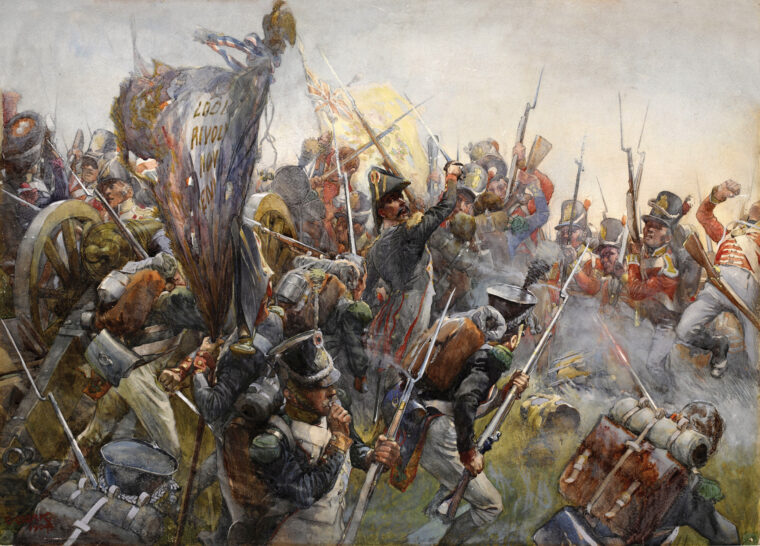
Marshal Auguste Marmont watched intently as the left wing of his French army maneuvered against the Anglo-Portuguese army during the Battle of Salamanca at mid-afternoon on July 22, 1812. Read more

By Robert L. Durham
Prince Rupert eyed the Parliamentarian position atop the low ridge south of the village of Newbury on the morning of September 20, 1643, with deep concern. Read more

Sergeant Larry Kirby will always remember the fighting on the morning of March 12, 1945, as his unit, Easy Company, 9th Marines, 3rd Marine Division, attempted to move against Hill 362C under the cover of darkness in northeastern Iwo Jima. Read more
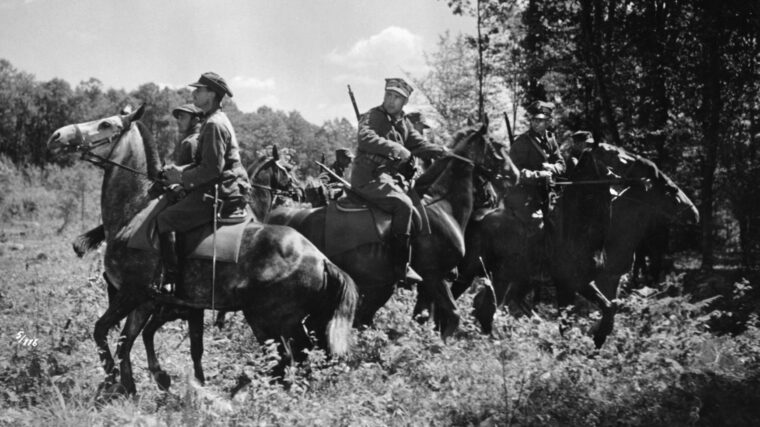
In the late afternoon of September 1, 1939, the 18th Uhlan Regiment of the Pomorska Cavalry Brigade was holding its position along Poland’s heavily forested northwest frontier when orders arrived to attack the flank of the advancing German 20th Motorized Infantry Division. Read more

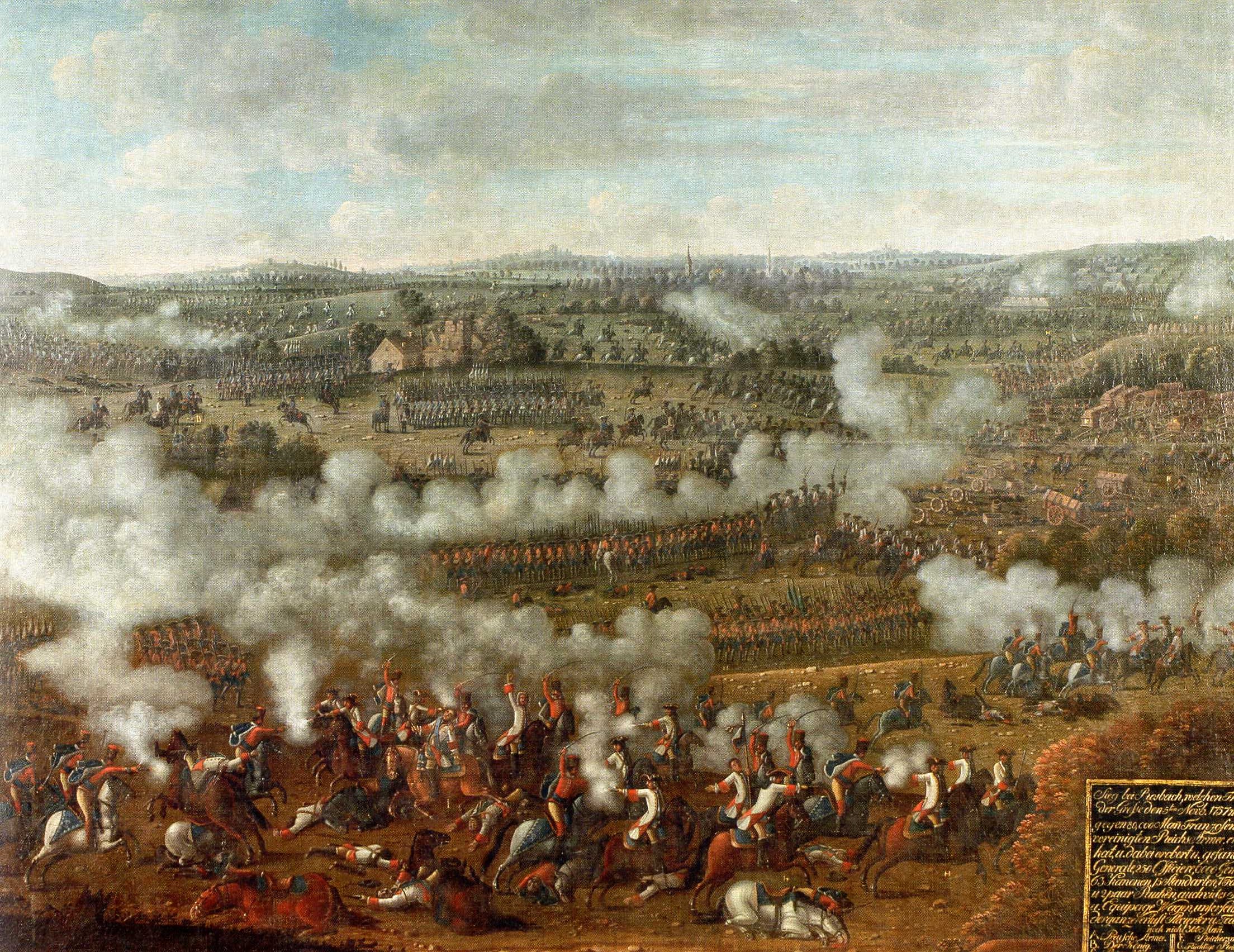
In the early afternoon of December 5, 1757, the men of Prussia’s 26th Infantry Regiment were drawn up in assault formation just south of the Silesian village of Leuthen. Read more

An estimated 1.2 million people were employed by the German ground-based air-defense system by the end of the war in Europe. Read more

By Mason B. Webb
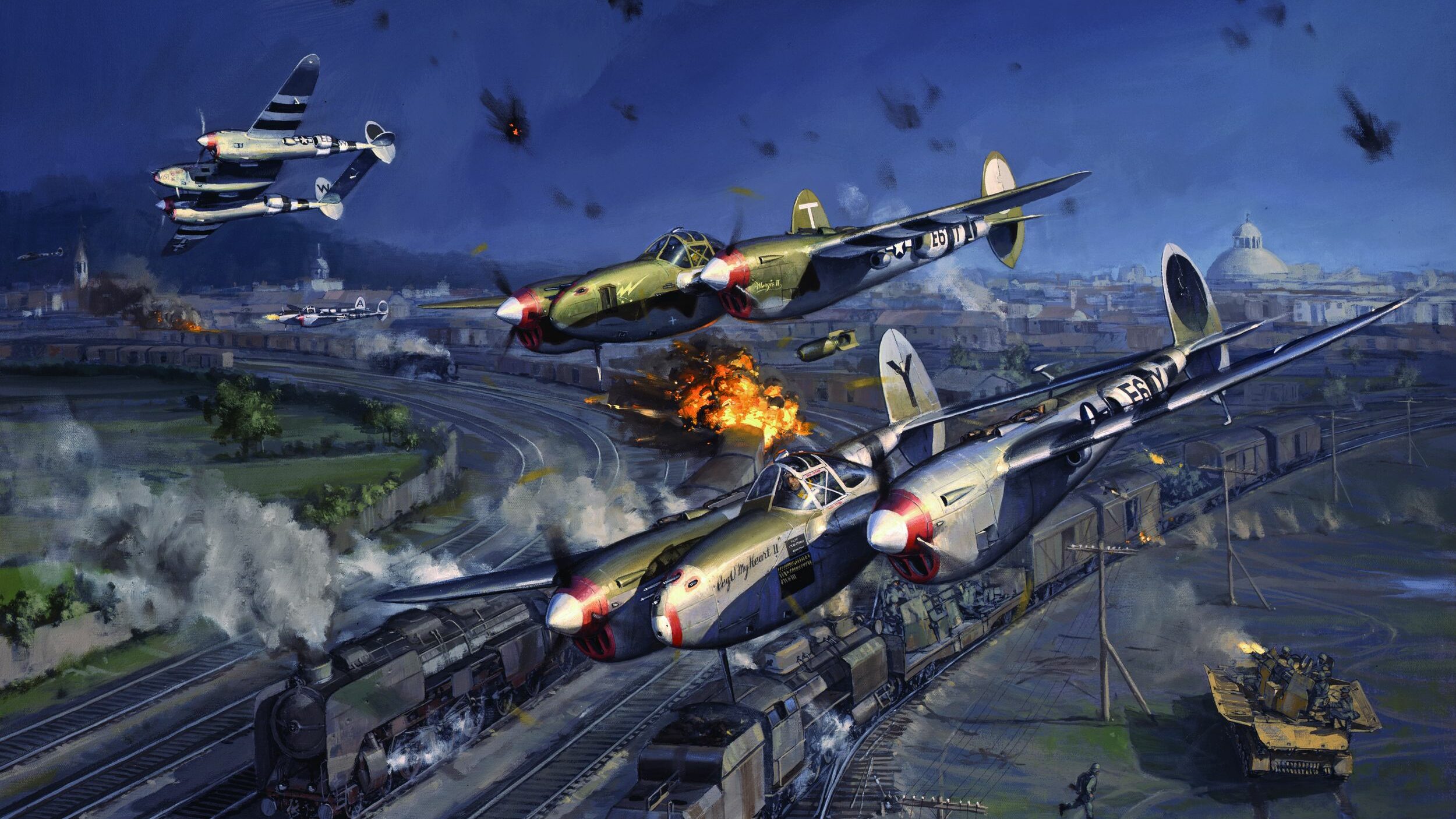
After the debacle at Pearl Harbor on December 7, 1941, the United States realized that it had its hands full. Read more

Colonel Axel Gyllenkrok had had a lot on his mind in recent weeks. It was the autumn of 1708, and as the Swedish Army’s general quartermaster he was not only responsible for supplying its needs on campaign, but he also functioned as an operational manager. Read more

As part of tribal obligations to appease Rome, Segimer, the powerful Cherusci chief, surrendered his sons Arminius and Flavus to the Roman emperor Augustus. Read more
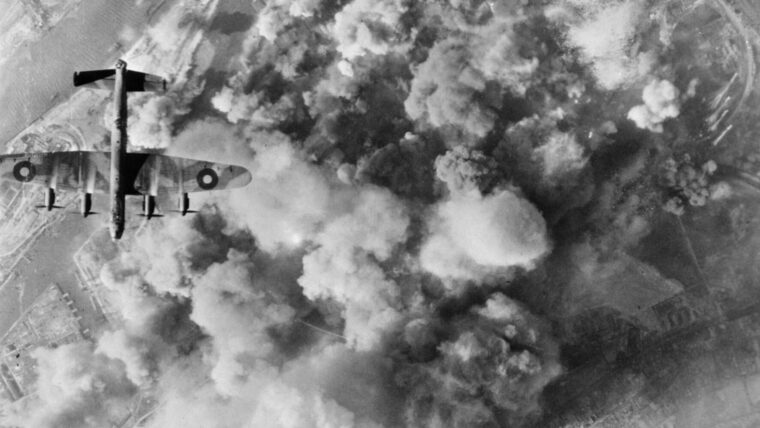
Powerful, brisling with firepower and able to carry an amazingly large bombload, the majestic Avro Lancaster, along with the iconic Supermarine Spitfire, has come to symbolize the might of the Royal Air Force in World War II. Read more
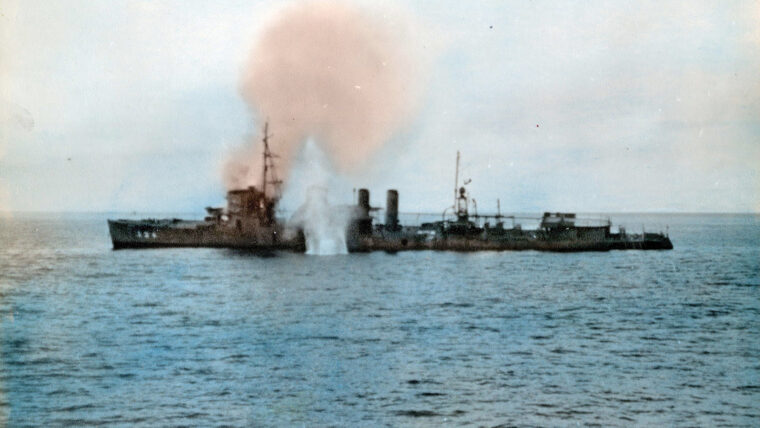
The Spanish-American War saw the development of the torpedo as we know it today. It was not the static mine of the Civil War but a propeller driven, waterborne explosive device. Read more

In AD 451, Attila the Hun, by then known to terrified Western Christians as the “scourge of God,” crossed the Rhine River in command of a multi-ethnic army. Read more
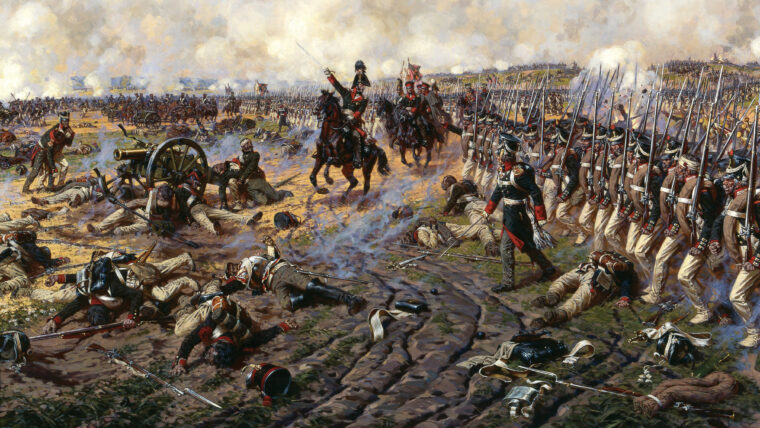
By mid-afternoon on September 7, 1812, Russian troops had lost control of the earthworks on their left flank at Borodino. Read more
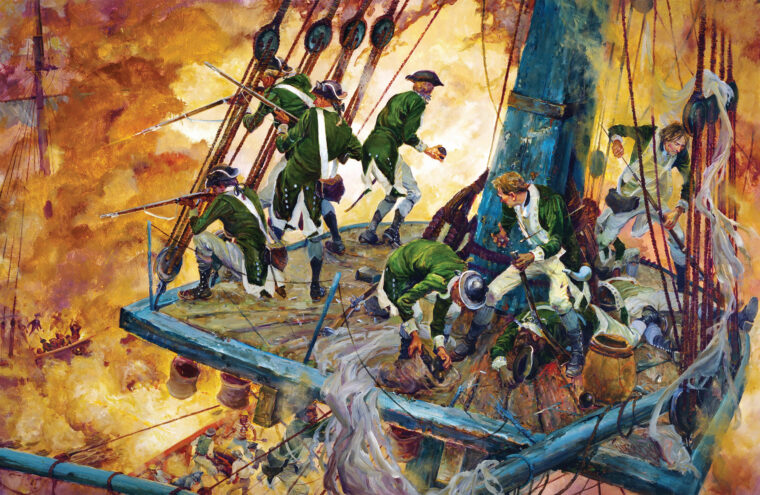
Standing on the quarterdeck of his flagship Bonhomme Richard, Commodore John Paul Jones took his telescope and trained it northwards, sweeping the instrument to the left and right to see what his lookouts were reporting at midafternoon on September 23, 1779. Read more