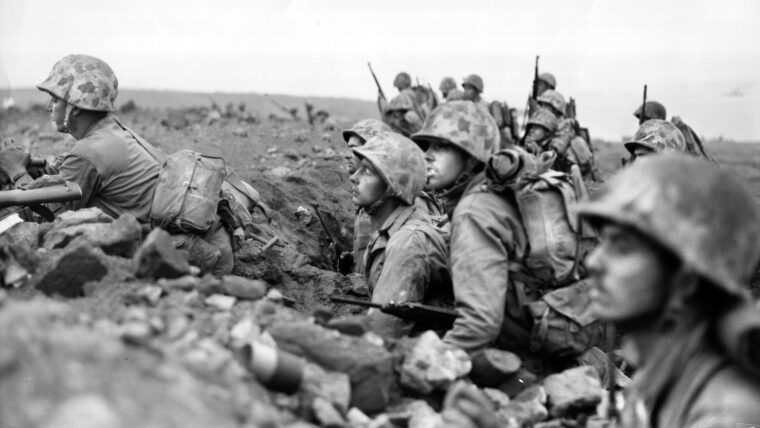
Bitter Bloodletting At Iwo Jima
By Adam HeadleyThe Boeing B-29 Superfortress bomber nicknamed Dinah Might struggled to stay in the air on the afternoon of March 4, 1945. Read more
The Boeing B-29 Superfortress bomber nicknamed Dinah Might struggled to stay in the air on the afternoon of March 4, 1945. Read more
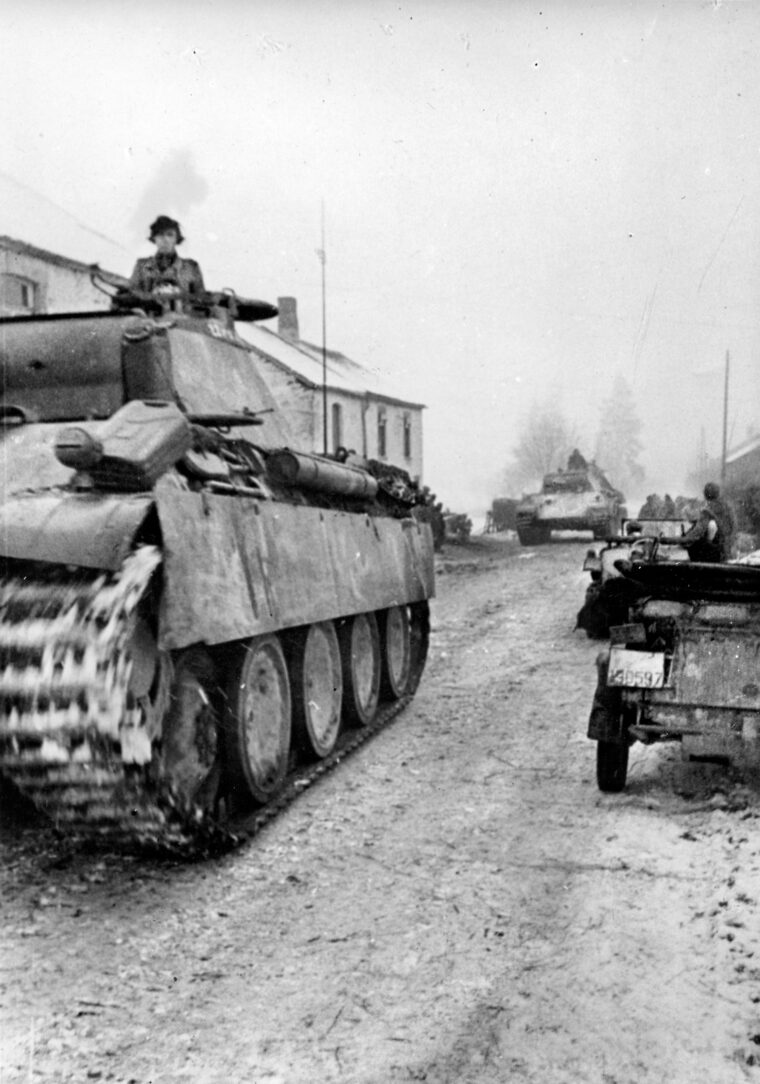
Few festivities occurred on Christmas Eve, 1944, in the Ardennes Forest. Thousands of soldiers struggled to attack or defend positions, or to simply survive. Read more
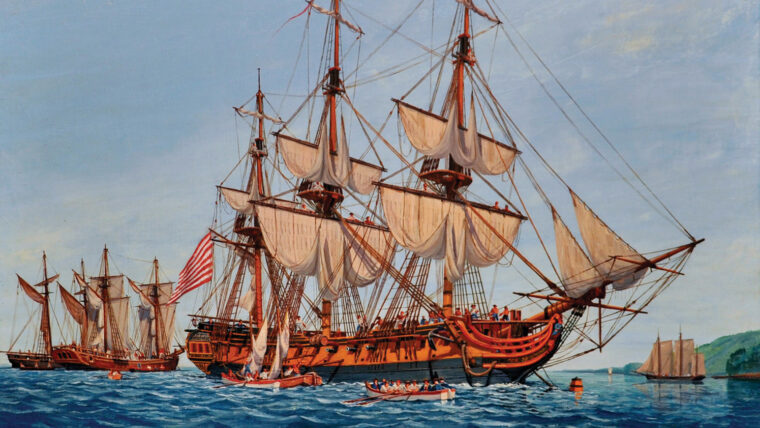
The British frigates HMS Orpheus and Roebuck, on April 20, 1781, escorted their prize—the Continental Navy frigate USS Confederacy—with the Union Jack flying above the Stars and Stripes, to New York harbor, thus ending Confederacy’s two-year service to the American rebels. Read more
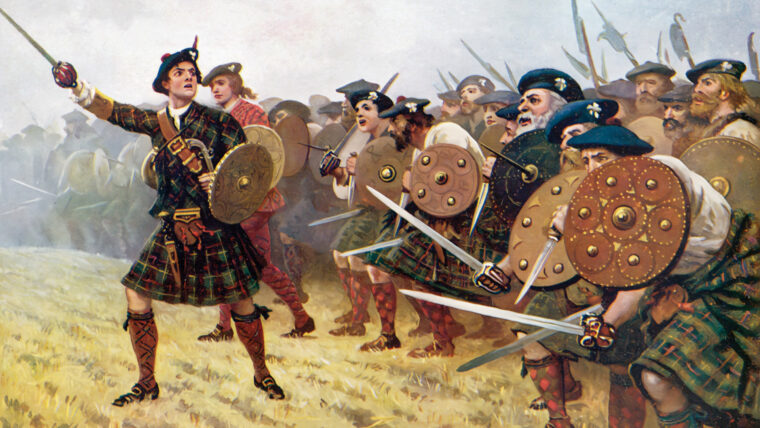
Before dawn on September 21, 1745, the dragoons and infantry of King George II stood in line of battle in a freshly harvested wheat field. Read more
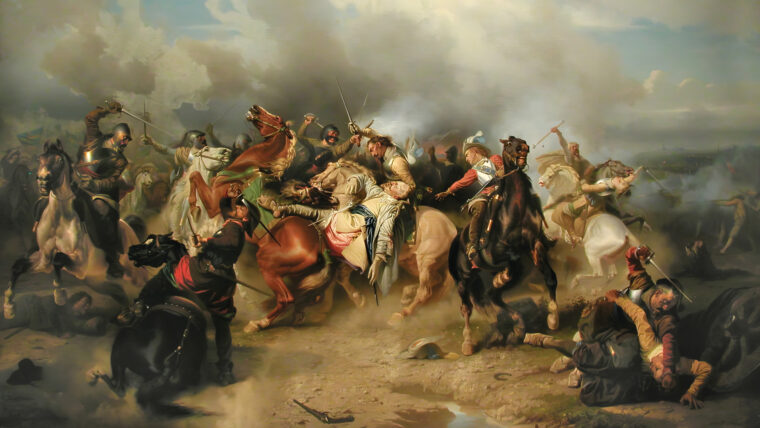
After September 17, 1631, half of Germany feared that God was a Protestant. The other half was sure of it. Read more
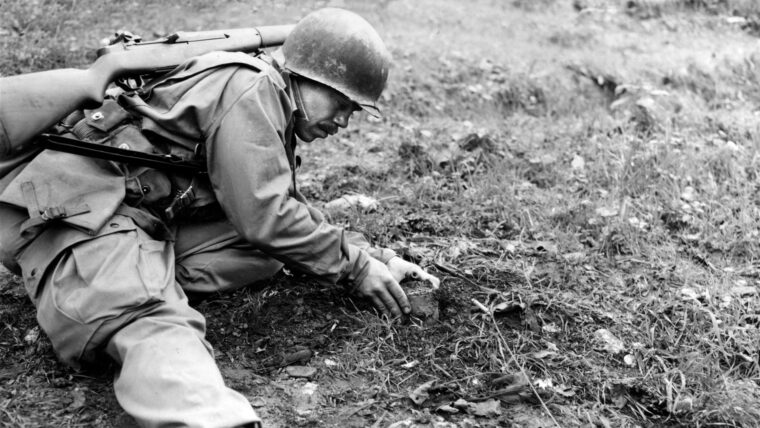
Red-hot grenade fragments sliced through First Lieutenant Bill Munson’s left arm and shoulder, causing him to fall backwards onto the lip of a German machine gun nest. Read more
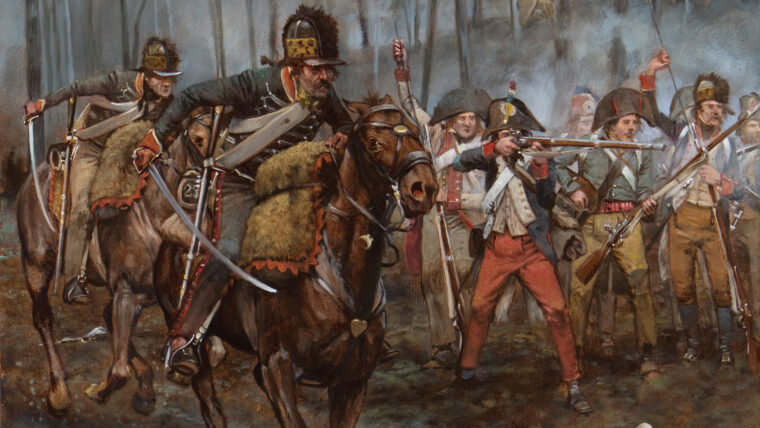
Barthélemy Schérer, commander of the French Army, gazed at the new military orders from Paris in disbelief. The grandoise strategy, detailing an advance on three fronts with the armies uniting in Tyrol for a concentrated thrust at Vienna, were far beyond the capabilities of the starving southern army he commanded along the French Riveria against the combined forces of Austria and Sardinia. Read more
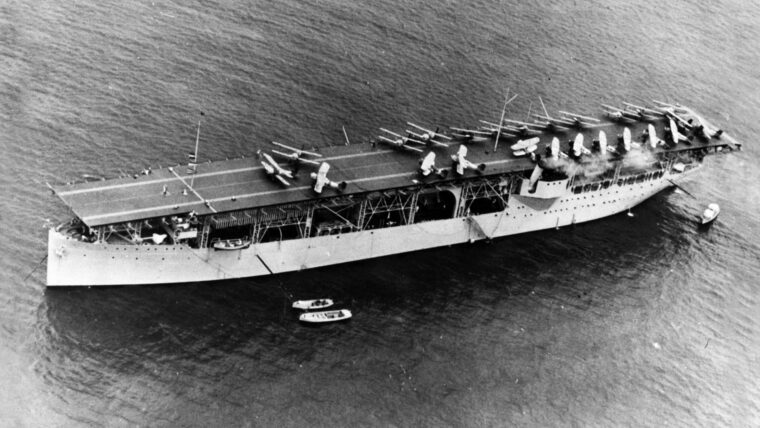
Five years after Great Britain had launched HMS Argus, the world’s first aircraft carrier, in 1917, and following the signing of the Washington Naval Treaty on February 6, 1922, the U.S. Read more
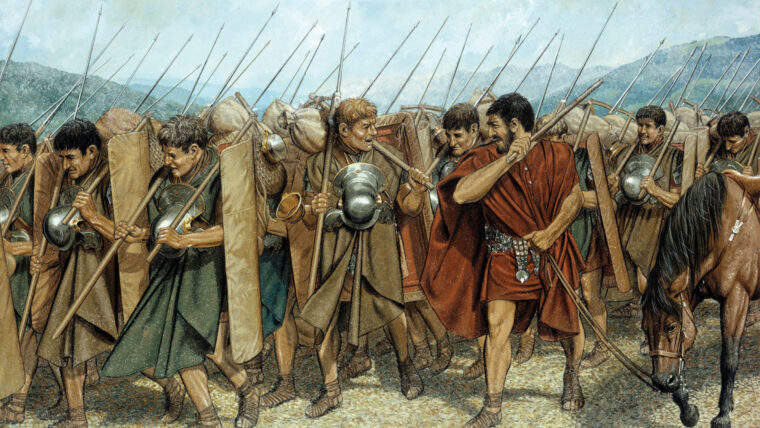
The snow-capped peaks of the Ceraunian Mountains stared down on the sturdy barks hunting for a suitable place to land on the coast of Epirus on January 5, 48 bc. Read more
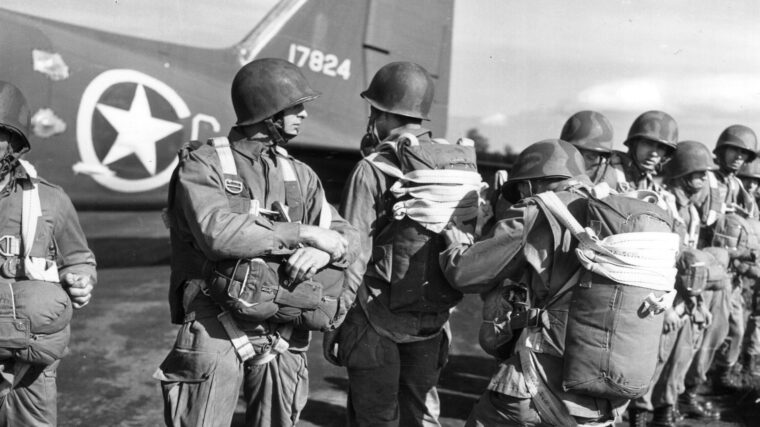
Only two years after the U.S. Army officially sanctioned the formation of an airborne arm, American paratroopers were committed to a vast offensive against Axis forces on the coast of French North Africa. Read more
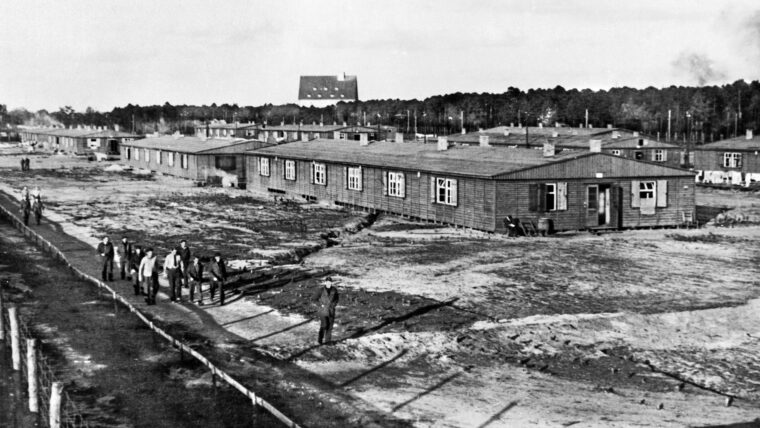
For Allied soldiers, sailors, and airmen interned in enemy prison camps during World War II, escaping was regarded as their unwritten duty. Read more
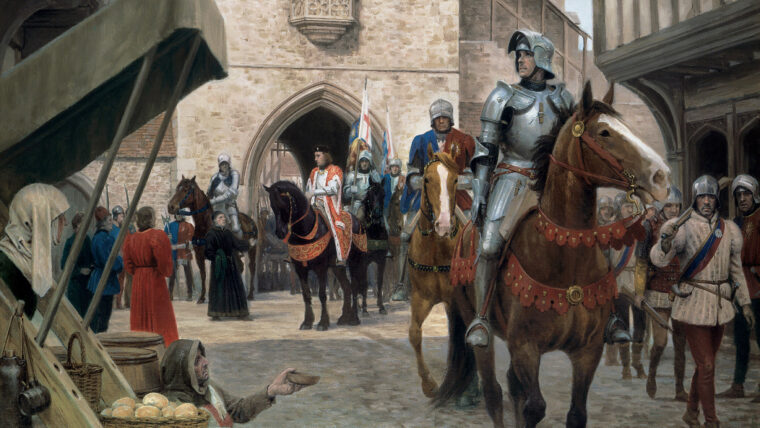
Richard Neville, 16th Earl of Warwick, was troubled by reports he was receiving in March 1471 that an invasion by King Edward IV was imminent. Read more
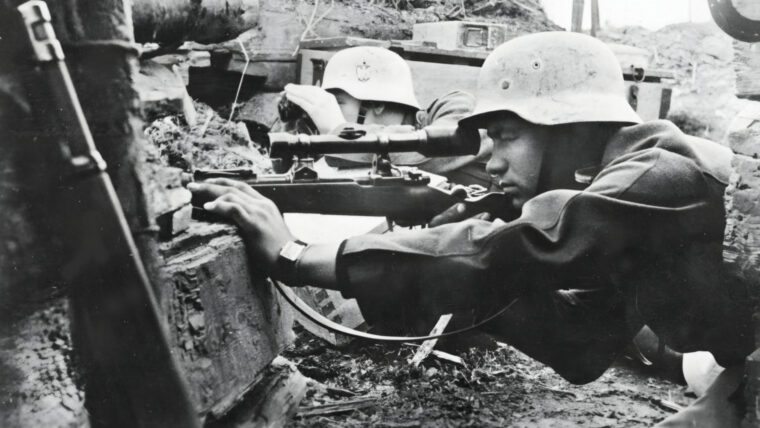
By Christopher Miskimon
Private Harlan J. Hinkle enlisted in the United States Marine Corps the day after the Pearl Harbor attack. Read more
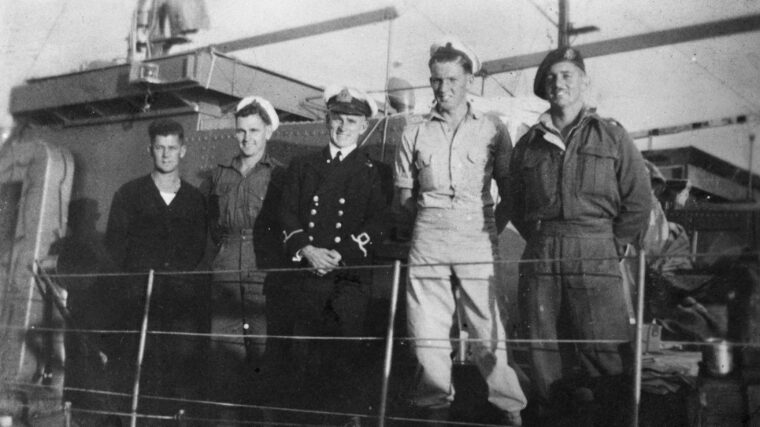
Z Special Unit: The Elite Allied World War II Guerrilla Force (Gavin Mortimer, Osprey Publishing, Oxford, UK, 2022, 240 pp., Read more
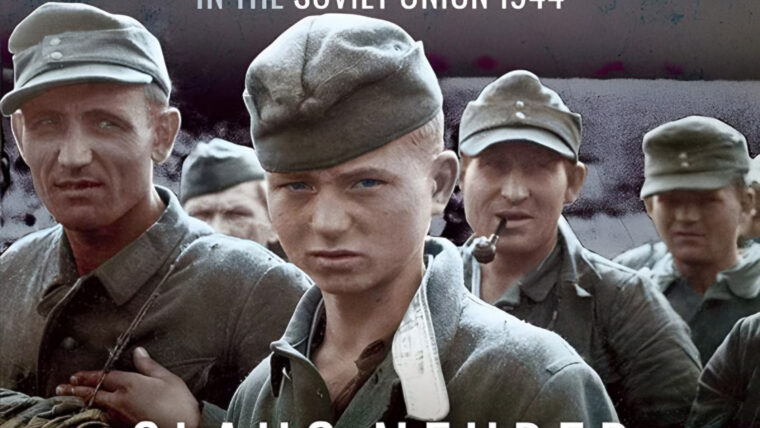
Claus Neuber served as an artillery officer in the German Army on the Eastern Front. In June 1944, the Soviets launched Operation Bagration, a massive offensive which crushed German Army Group Center. Read more
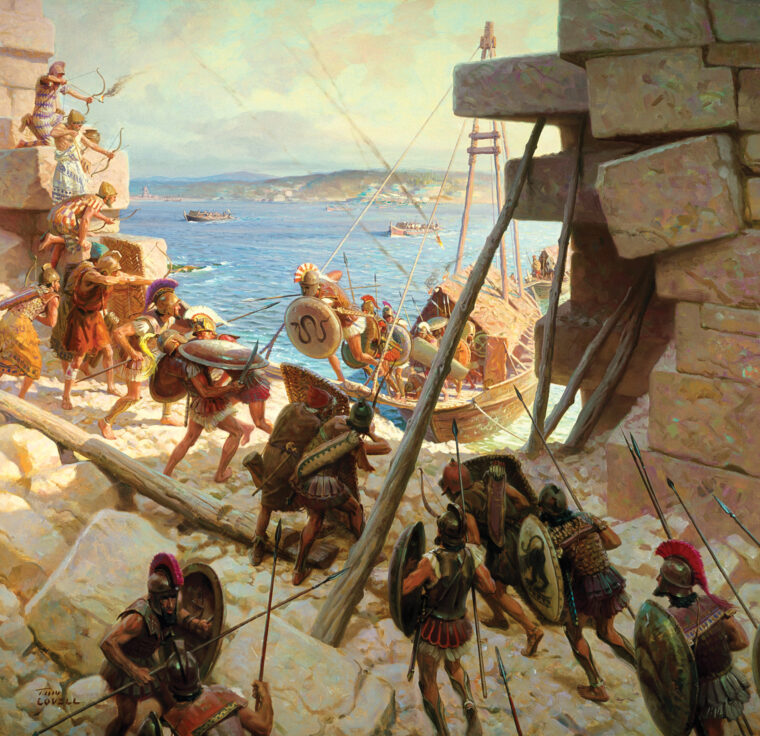
As Alexander the Great marched his army south along the Levantine coast in January 332 bc, he must have felt as if the fates were unquestionably on his side. Read more
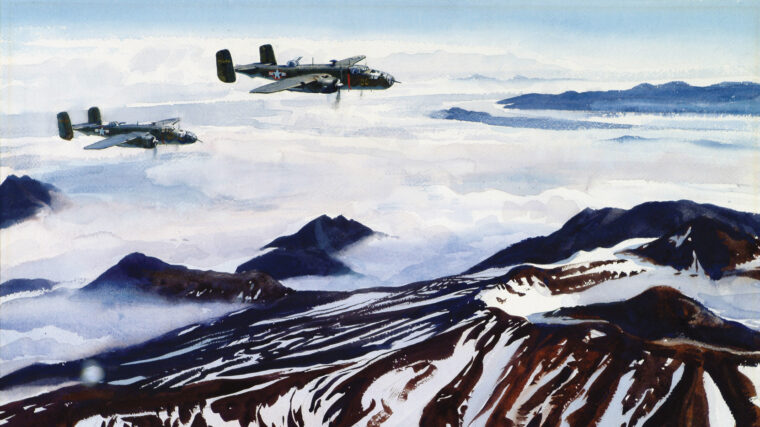
With a sharp clatter of machine guns, the Japanese marines announced their presence by spraying bullets into the isolated U.S. Read more
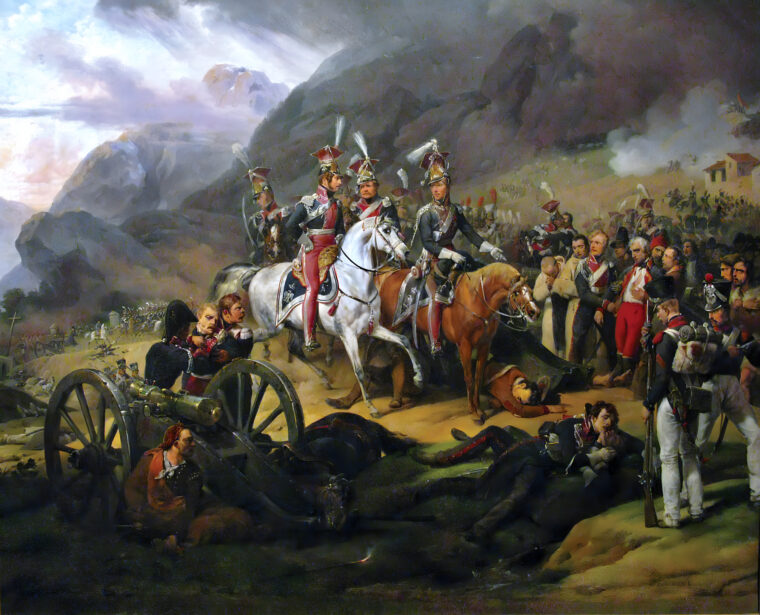
On the foggy morning of November 30, 1808, Napoleon Bonaparte, Emperor of France, watched impatiently as his Grande Armée lumbered up the rocky slopes of the Sierra de Guadarrama Mountains of central Spain. Read more
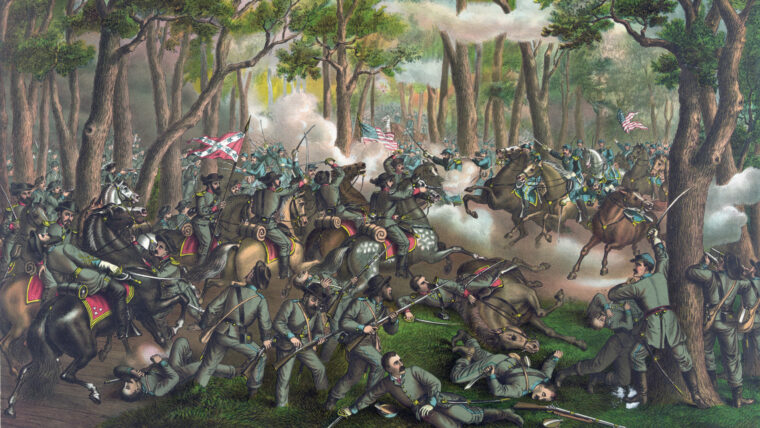
The column of Confederates marched east as quietly as possible along the bed of an unfinished railroad that knifed through the Wilderness south of the Rapidan River shortly before midday on May 6, 1864. Read more
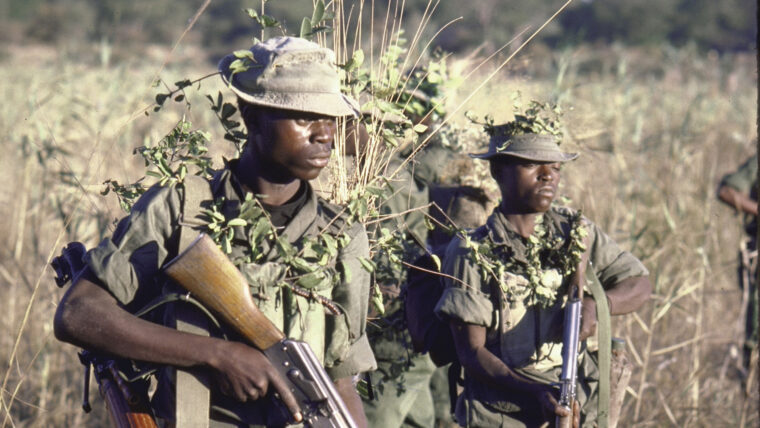
With its pro-Western ally in southern Angola facing destruction by an all-out communist offensive in 1987, Apartheid South African President P.W. Read more