Model’s Failure in Command
By Pat McTaggartColonel General Walter Model was a rising star in the German ArFmy in early 1943. The son of a music teacher, Model was born on January 24, 1891, in Genthin, Saxony-Anhalt. Read more
Colonel General Walter Model was a rising star in the German ArFmy in early 1943. The son of a music teacher, Model was born on January 24, 1891, in Genthin, Saxony-Anhalt. Read more
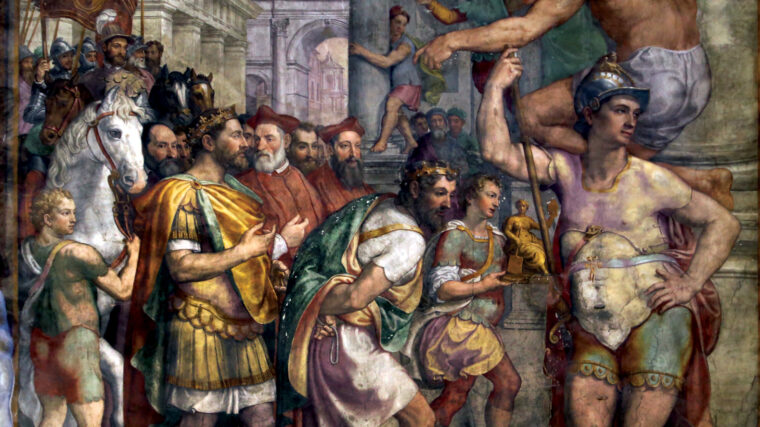
The barefoot crusaders tramped slowly underneath a blazing sun behind bishops and priests chanting and holding aloft relics on July 8, 1099. Read more
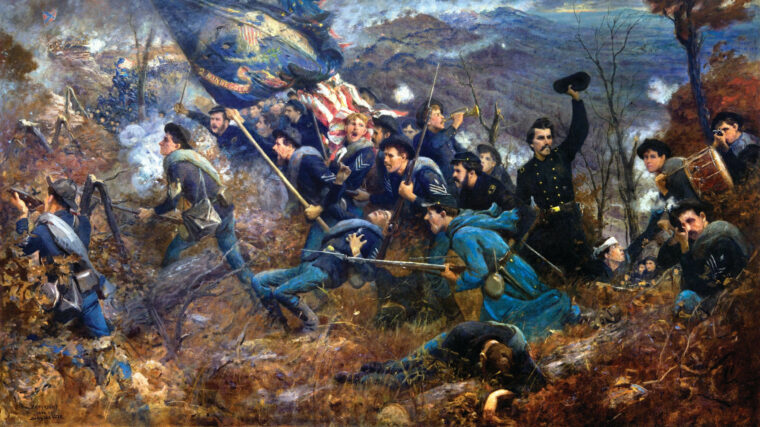
For four breathlessly hot days in mid-July 1863, New York City became the northernmost battleground of the Civil War. Read more
The United States from 1959 to 1961 turned its focus to two of the most charismatic, ruthless, and despotic rulers in the Caribbean region, Fidel Castro of Cuba and Rafael Trujillo of the Dominican Republic. Read more
Italy was unforgiving. German resistance to Allied operations had been brutal since the Salerno landings in the autumn of 1943, and by the following spring frustration had mounted upon frustration. Read more
The rain poured in sheets as the long column of French troops snaked its way through the Apennine Mountains of southern Italy along roads washed out by heavy rains. Read more
On the chilly night of February 8, 1904, the Imperial Russian Navy’s Pacific Squadron lay peacefully at anchor just outside Port Arthur’s main harbor. Read more
By Joseph Frantiska, Jr.
At the beginning of WWII, the U.S. Navy needed a combat aircraft that could meet several requirements: it had to serve as an attack fighter that could conduct precision dive-bombing and ground-support (strafing) operations yet still be small enough to be delivered to battle zones by aircraft carrier. Read more
Prince Rupert of the Rhine did not like to be kept waiting, especially when each passing minute seemed to lessen his chances of victory. Read more
When most people think of the U.S. Army Air Forces in World War II, the first image that usually comes to mind is that of the heavy bombers, the B-17s and B-24s, that ravaged targets in Europe and the B-29s that wreaked havoc on Japanese cities in the Pacific. Read more
The logs and boulders came tumbling downhill, gaining speed before they reached the bottom of the hillsides in the mountain pass. Read more
The concept of a ship that could submerge beneath the water and then resurface dates back as far as the late 1400s, when Italian Renaissance artist and inventor Leonardo da Vinci claimed to have found a method for a ship to remain submerged for a protracted period of time. Read more
It had been a difficult year for the United States Navy.
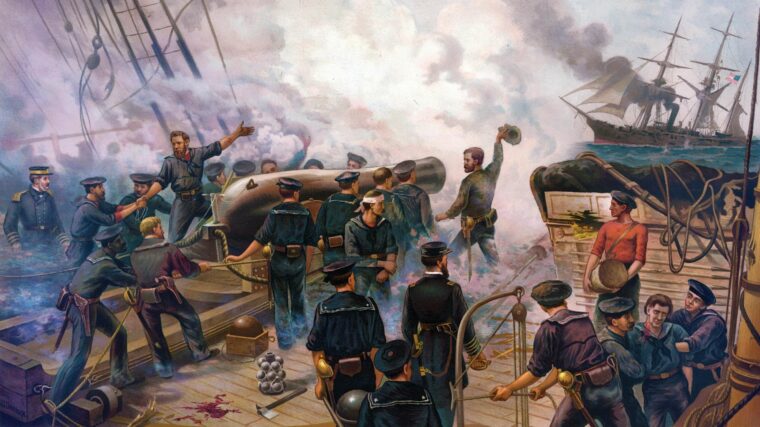
Beginning with the surprise attack on Pearl Harbor on December 7, 1941, defeat after defeat had plagued the efforts of the American Navy to recover its balance and strike back against the rampaging Japanese. Read more
The Allied planning for Operation Overlord had been ongoing for more than two years. Vast quantities of supplies and hundreds of thousands of fighting men and their machinery of war had crowded southern England. Read more
It was nighttime, and a great battle was soon to be fought at Gaugamela, in the dusty plains and rolling hills of modern-day northern Iraq. Read more
Art is in the eye of the beholder, of course, but for those who collect militaria there is a special kind of art that requires a special kind of appreciation. Read more
Count Felix von Luckner was known by many titles in his life: runaway, sailor, hero, braggart, fool—even spy. Read more
In May 1942, the 27th Bombardment Group transferred from Batchelor, Australia, to Hunter Field outside Savannah, Georgia. It was a transfer without men or equipment to the same base from which the group had departed in October 1941 for the Philippine island of Manila. Read more
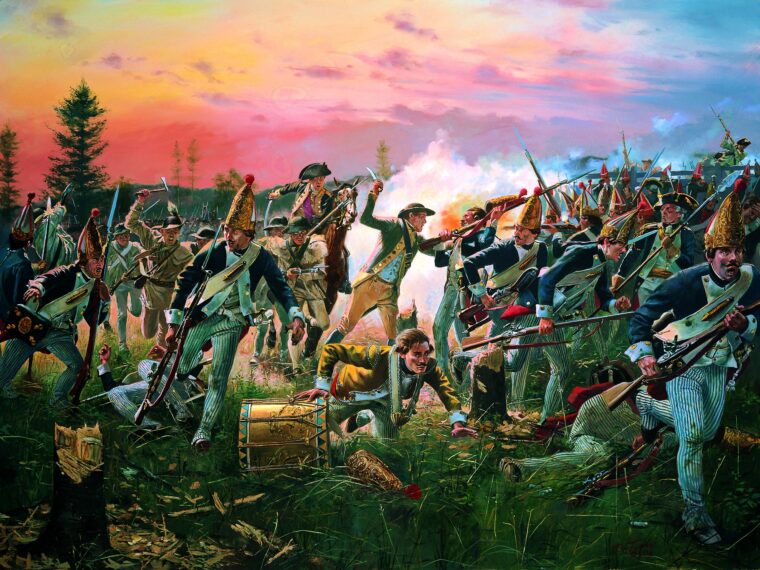
The English soldiers stepped out of their pinnaces into the foaming surf on the island of Hispaniola. Read more
As America geared up for war, the economy of building a wartime army was overwhelming. Tanks, aircraft, soldiers and weapons—all would consume huge resources, and manufacturers were challenged to reduce costs wherever they could. Read more