North Africa

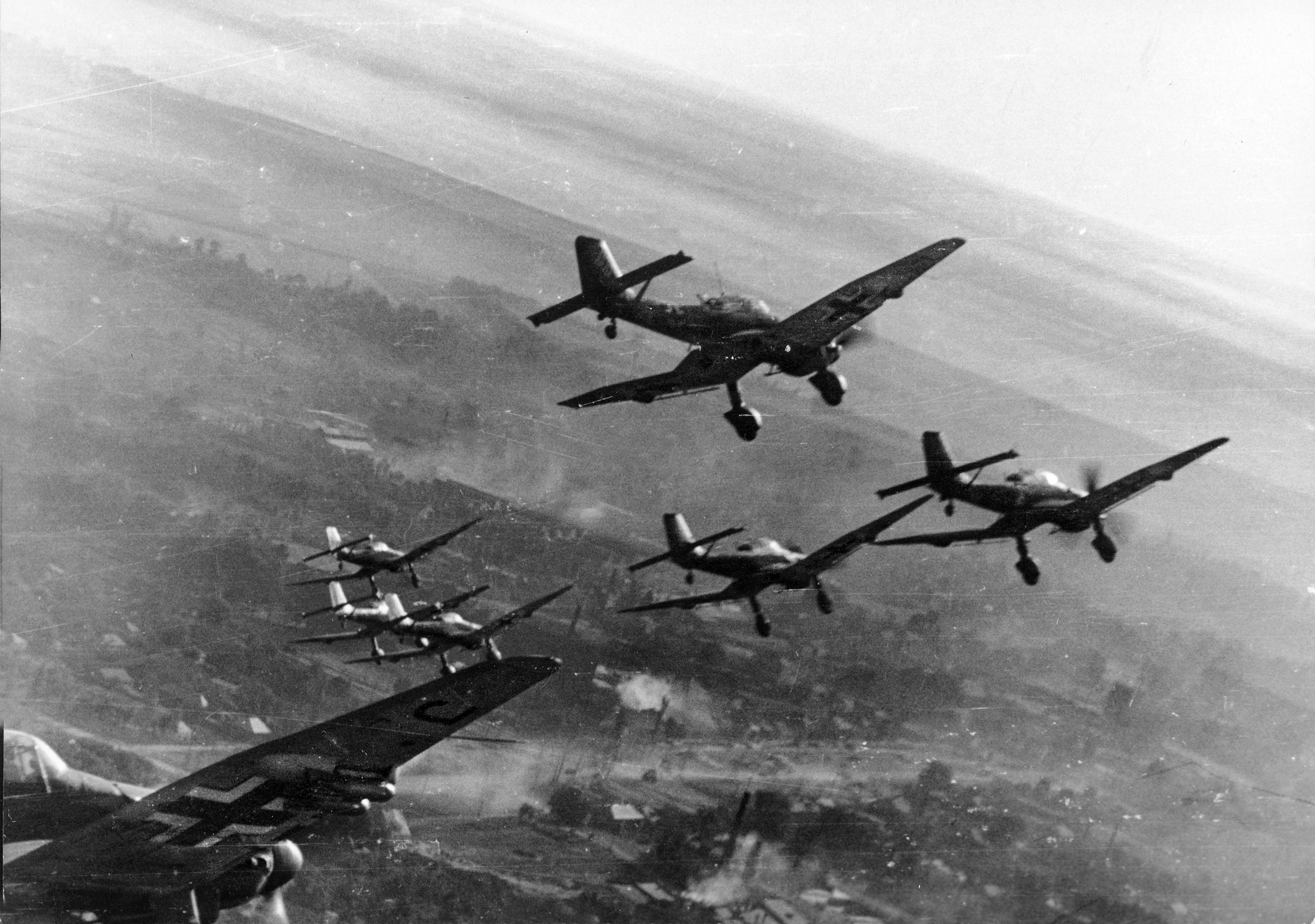
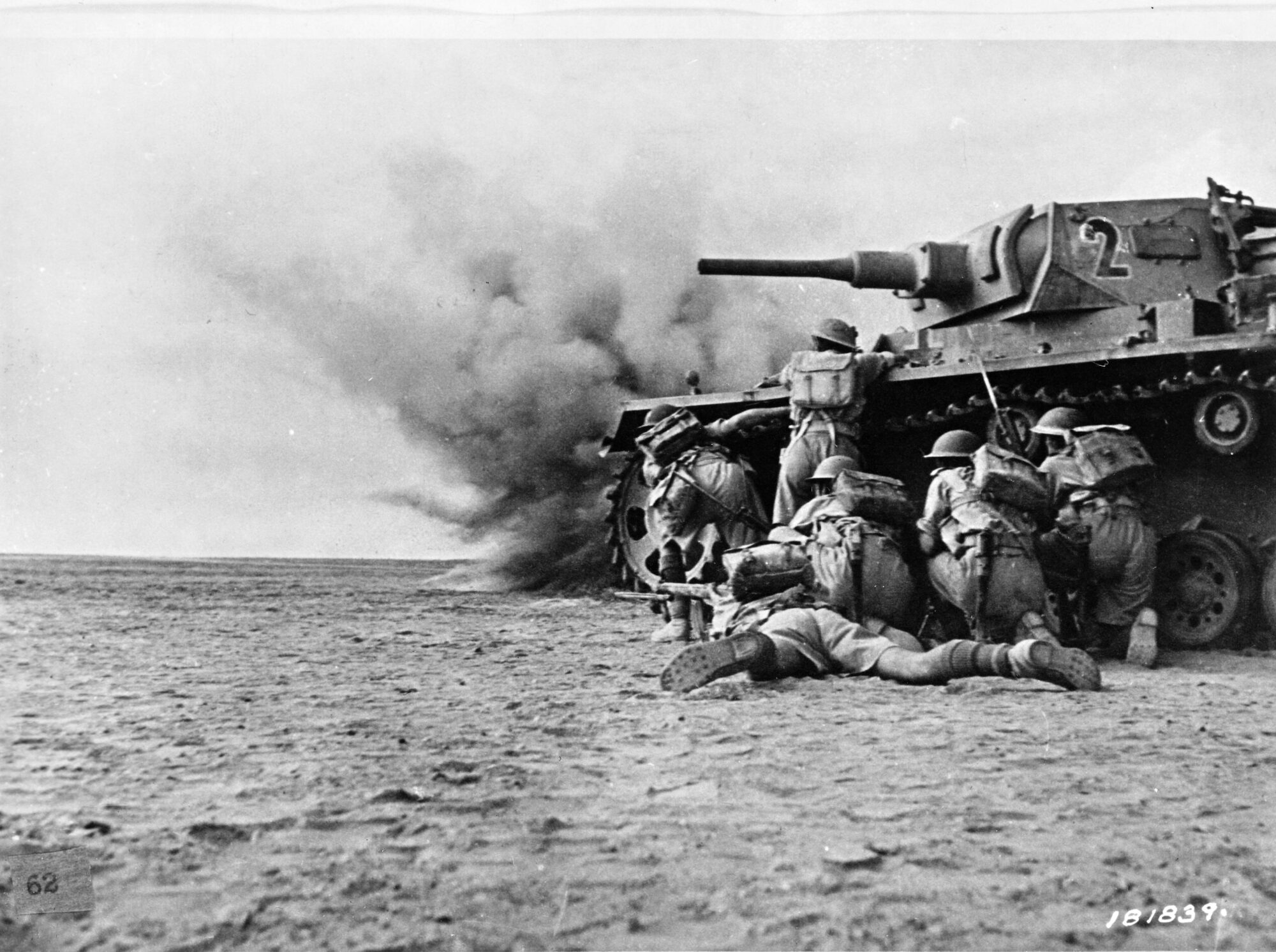
The North Africa campaign during World War II included major operations from early 1940 through the spring of 1943 as Allied forces fought Axis armies of Fascist Italy and Nazi Germany. For the Allies, victory in North Africa was critical for control of the Mediterranean Sea and future offensive operations in Italy. Axis forces hoped to dominate the Mediterranean and seize British-held Egypt, the Suez Canal, and potentially the oil fields of the Middle East. The Allies were victorious in North Africa campaign, and the defeat of Axis forces at the Battle of El Alamein was a turning point during World War II.
For landings to be successful, the attackers had to know a great deal. Only men on the spot could stealthily observe conditions, and they had to be highly trained.

North Africa

SEALs: the Birth of the Navy’s ‘Special Warfare’ Force

By Bud Hyland

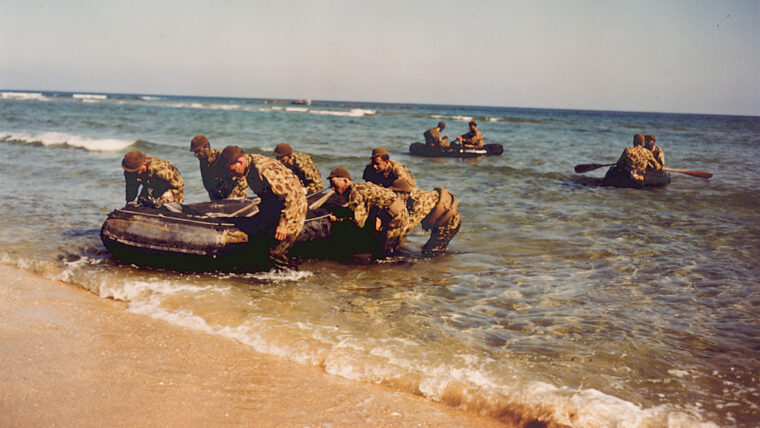
Today’s Navy SEALs (for Sea, Air, and Land special warfare experts) have a history shrouded in secrecy. Commissioned in 1962, they are the most elite shore-area Special Forces in the world, concentrating on very select and often-clandestine intelligence gathering and precision strike missions. Read more

North Africa

Australia’s Heroic Son

By Christopher Miskimon

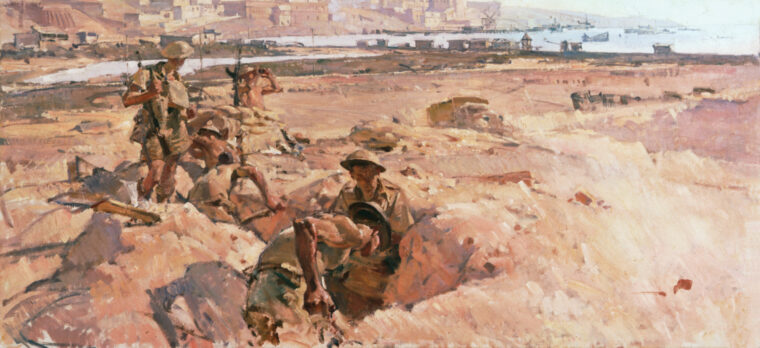
John Hurst Edmondson, known to his friends as Jack, died April 14, 1941, lying on the concrete floor of a sand-swept fighting outpost in the perimeter around Tobruk, Libya. Read more

Westmoreland decorates the standard of a fighting unit in Vietnam. He left the country in 1968.

North Africa

Soldier Profiles: General William C. Westmoreland

By Blaine Taylor

In 1989, this writer had occasion to interview four-star General William Childs Westmoreland, now 86, formerly U.S. military commander in South Vietnam and at the time of the interview a retired Chief of Staff of the Army. Read more

North Africa

Air Force Profiles: Pilot Phil Cochran

By Gerald Astor

Superficially, Phil Cochran personified the WWII fighter pilot, a combat daredevil, nonchalant about the niceties of rank and zealous in pursuit of what he called “chicks.” Read more

Building façades were bedecked with flags of Nazi Germany and Fascist Italy during Hitler’s state visit to Rome in May 1937.

North Africa

The Strange Death Of Air Marshal Italo Balbo

By Blaine Taylor

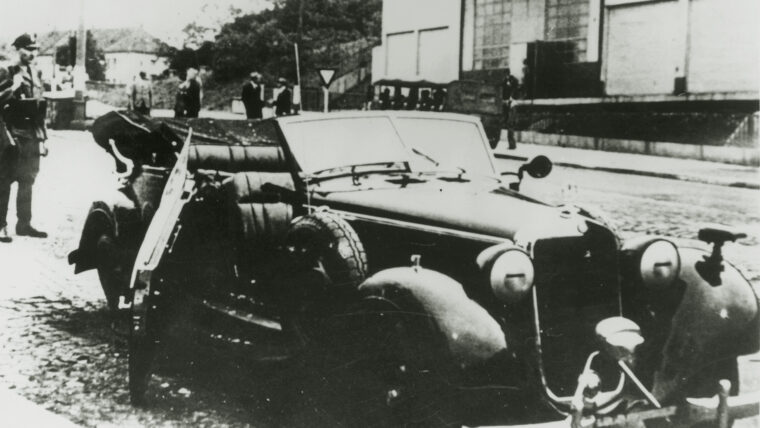
On May 26, 1940, as the armies of Nazi Germany roared across prostrate France and the British Expeditionary Force was in the midst of its evacuation by sea from the European continent, Italian Army Marshal Pietro Badoglio, 69, was in the waiting room of the Palazzo Venezia in Rome. Read more

North Africa

Operation Crusader at Sidi Rezegh—Siege of Tobruk

By Thomas Haymes

By the end of the second day visibility was reduced to almost zero. Burning hulks of everything from ME-109s to M3 “Honey” tanks, Panzer IIIHs, and trucks of all descriptions littered the battleground that was once an airfield. Read more

In a painting by Richard Eurich, British commandos drop from the night sky and scramble onto the beach during the daring raid on the Bruneval radio location station in coastal France, February 27-28, 1942.

North Africa

Operation Biting: the Bruneval Raid to Capture German Radar

By Robert Barr Smith

Through the long, lovely days of the summer of 1940, almost two years before Operation Biting or the “Bruneval Raid,” Royal Air Force Spitfire and Hurricane fighter planes turned back the might of the Luftwaffe over southern and southeastern Britain. Read more

North Africa

Operation Catapult: Churchill’s Desperate Measure

By Brooke C. Stoddard

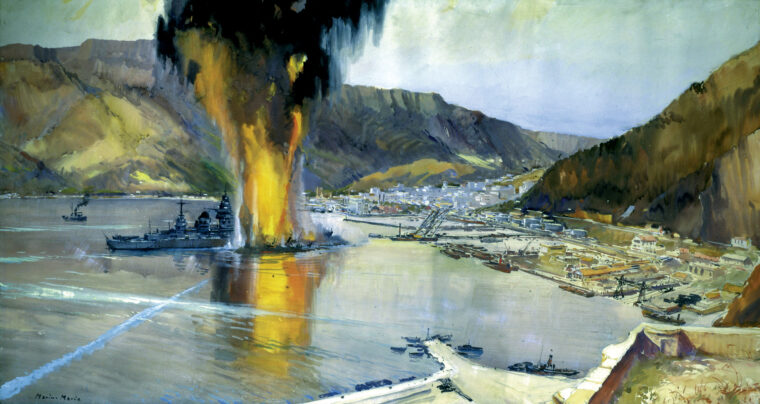
Steaming through the summer Mediterranean night, the world having gone sour in two awful months, British Vice Admiral Sir James Somerville read the message just sent to him from London: “You are charged with one of the most disagreeable and difficult tasks that a British Admiral has ever been faced with, but we have complete confidence in you and rely on you to carry it out relentlessly.” Read more

North Africa

Byzantine Spies in the Byzantine–Sassanid Wars

By Arnold Blumberg

Byzantium, the successor state to ancient Rome, lasted over a thousand years. But it all could have been different because its first major enemy—Persia—was a fierce and determined competitor bent on the Empire’s demise. Read more