Phil Keith and Tom Clavin’s ‘To the Uttermost Ends of the Earth’
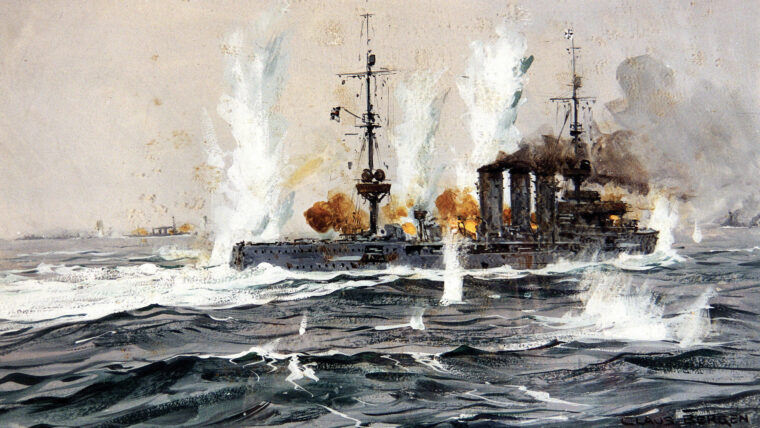
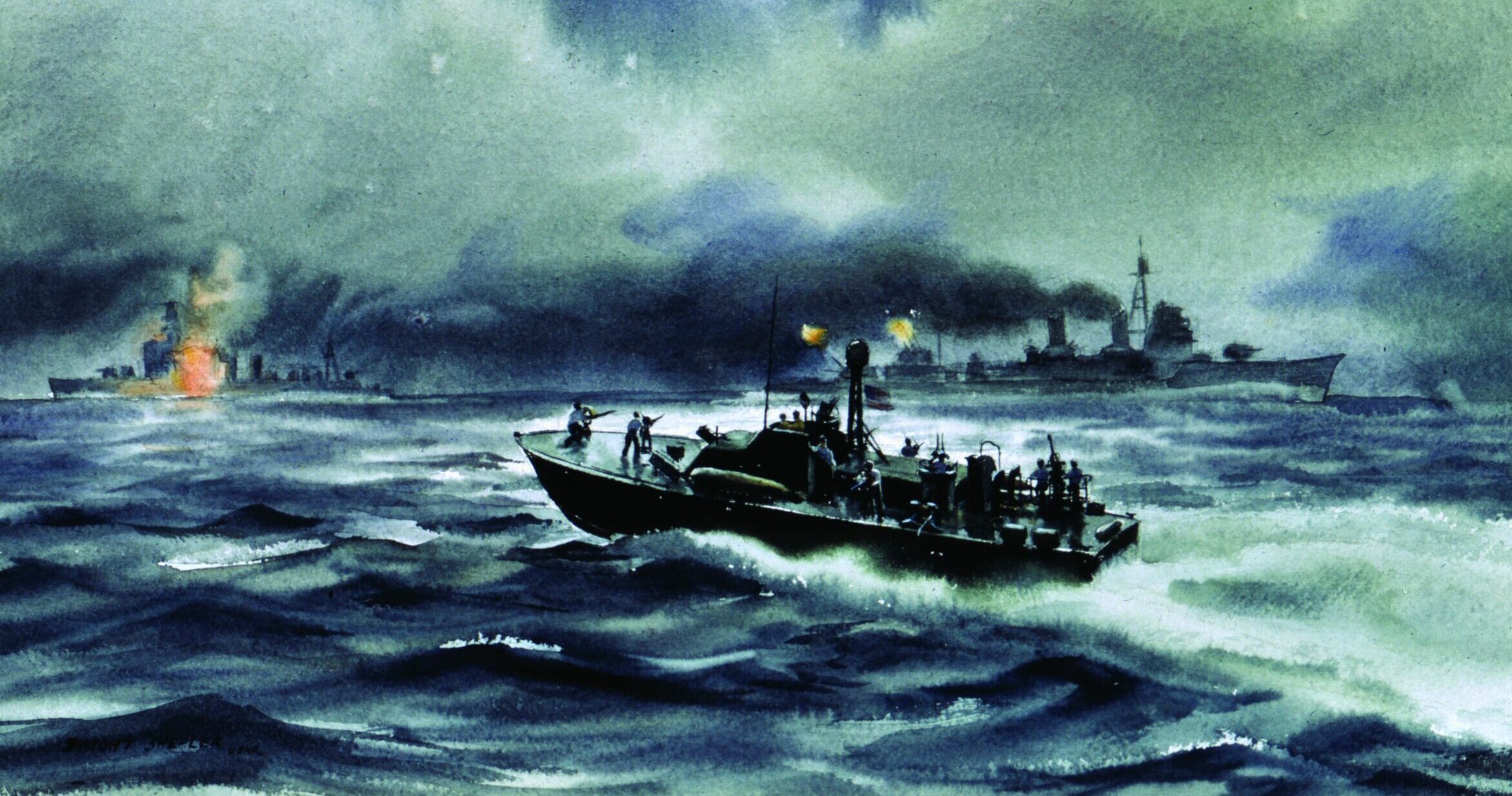
By Christopher MiskimonCap’n! She’s a-comin! She’s comin’ out!” The cry of the bosun rang out from his perch on the mizzen mast high above the deck of USS Kearsarge. Read more
Cap’n! She’s a-comin! She’s comin’ out!” The cry of the bosun rang out from his perch on the mizzen mast high above the deck of USS Kearsarge. Read more
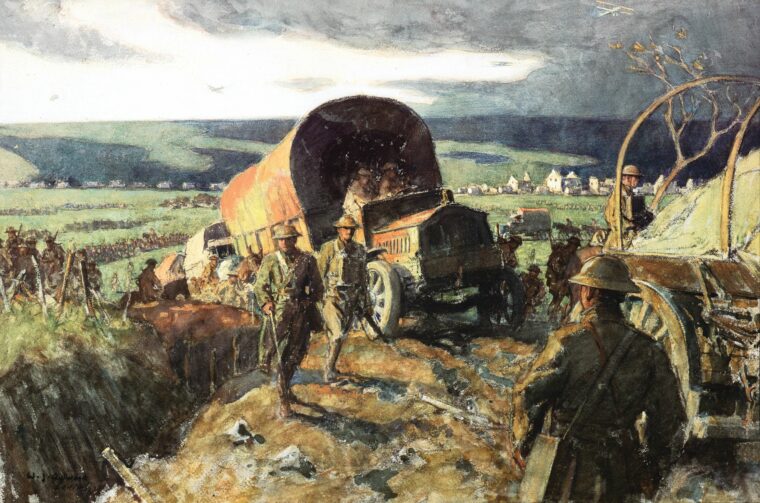
Within seconds of moving into the attack at the Battle of Saint Mihiel in September 1918 Chris Emmett watched a man die. Read more
Stephen Decatur, captain of the USS Intrepid, sprang his trap under cover of darkness on the night of February 16, 1804. Read more
The Studies and Observations Group of the Military Assistance Command Vietnam ranks among the most secretive of the Vietnam War’s special operations organizations. Read more
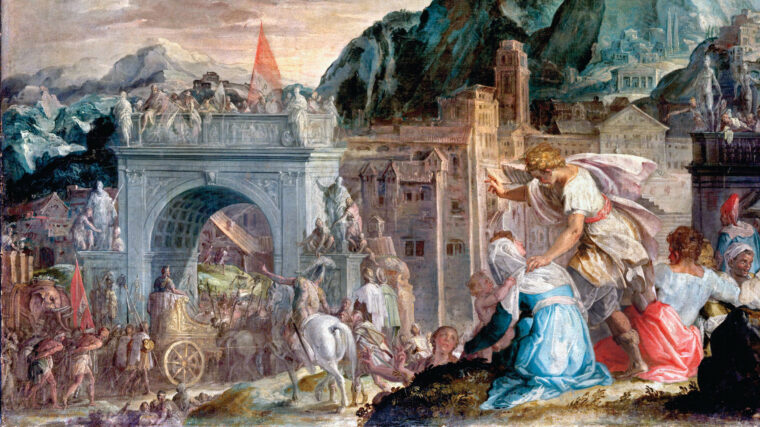
Roman General Flavius Stilicho defended the waning Roman Empire against numerous invasions. His dedication to the restoration of the empire was complete, but he faced enemies from within and without. Read more
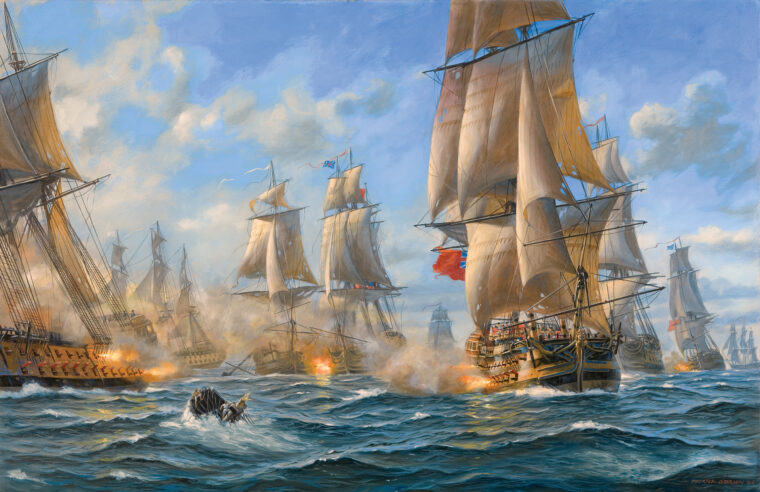
Captain James Lawrence climbed the rigging of the frigate USS Chesapeake in Boston Harbor on June 1, 1813, to get a better look at the unknown ship on the horizon. Read more
HMS Dreadnought was such a revolutionary design its name became the byword for an entire class of warship. Read more
Unmanned aerial vehicles are generally thought of as a modern weapon of war, a product of the digital age. Read more
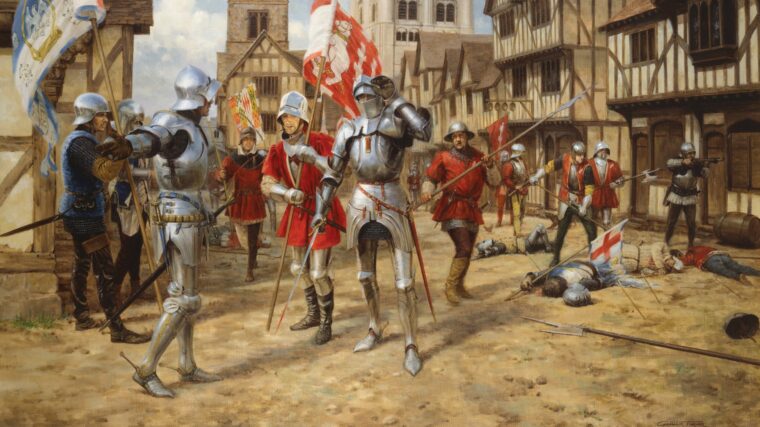
The Romans found Britain to be a terrifying land. They had little information about its people and they found it difficult to invade. Read more
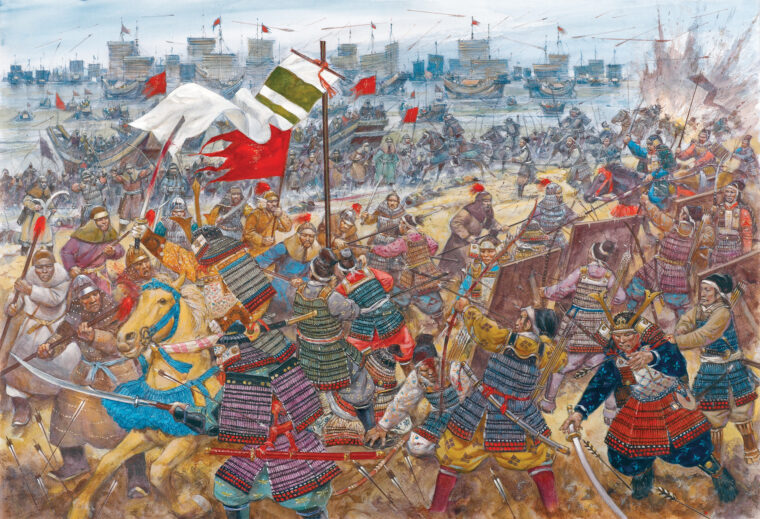
Toyotomi Hideyoshi, a samurai and feudal lord, unified Japan and ushered in a period of peace for the war-torn nation. Read more
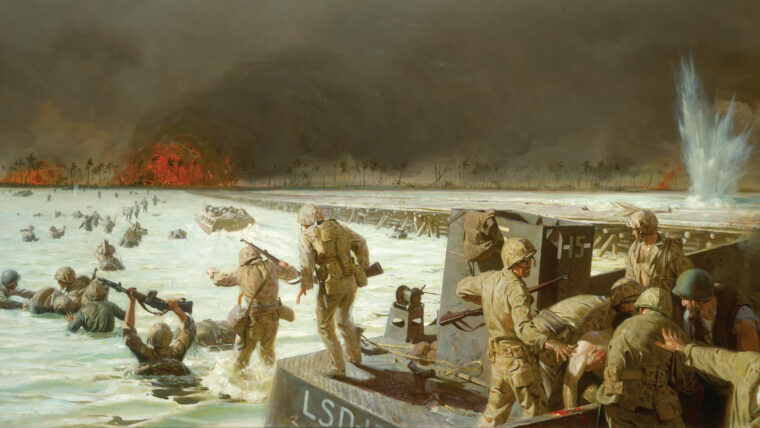
The citation made it plain. U.S. Marine Corps Demolition Sergeant Hershel W. “Woody” Williams had exhibited extraordinary courage during the bloody, protracted fight for the porkchop-shaped scrap of land in the Volcano Islands known as Iwo Jima. Read more
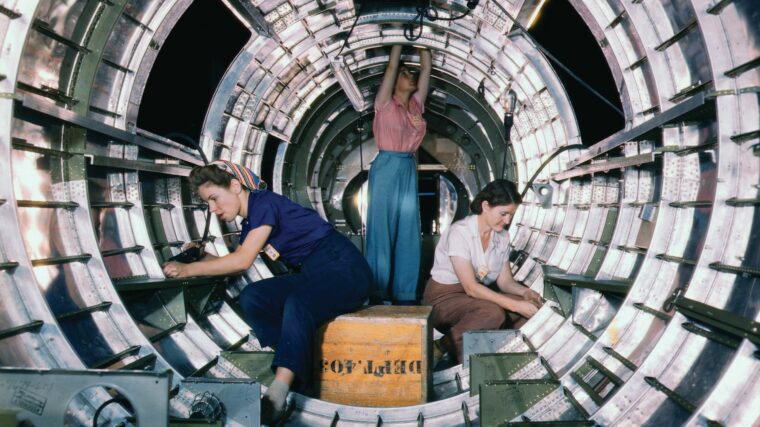
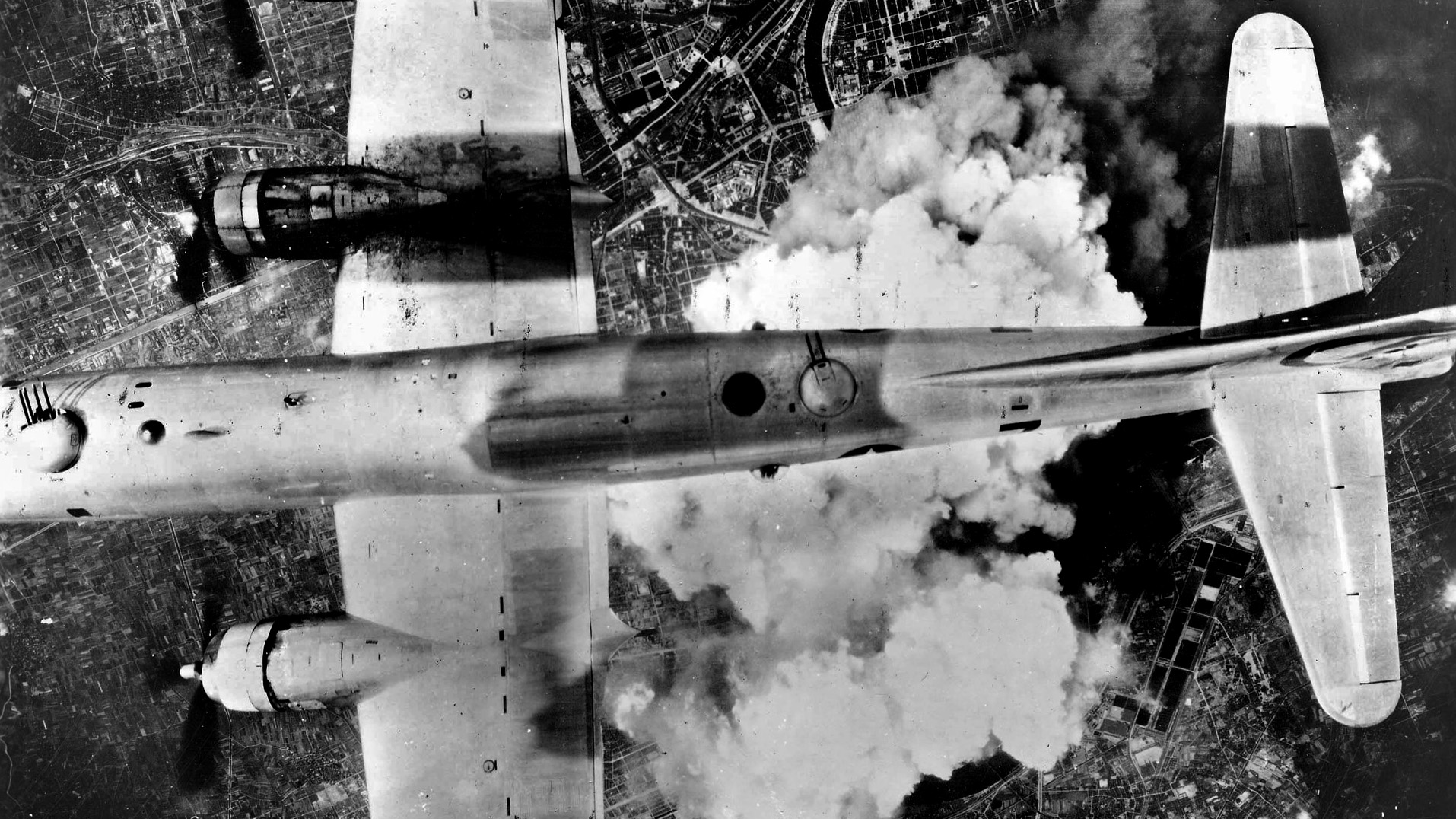
The Boeing B-29 Superfortress bomber nicknamed Dinah Might struggled to stay in the air on the afternoon of March 4, 1945. Read more
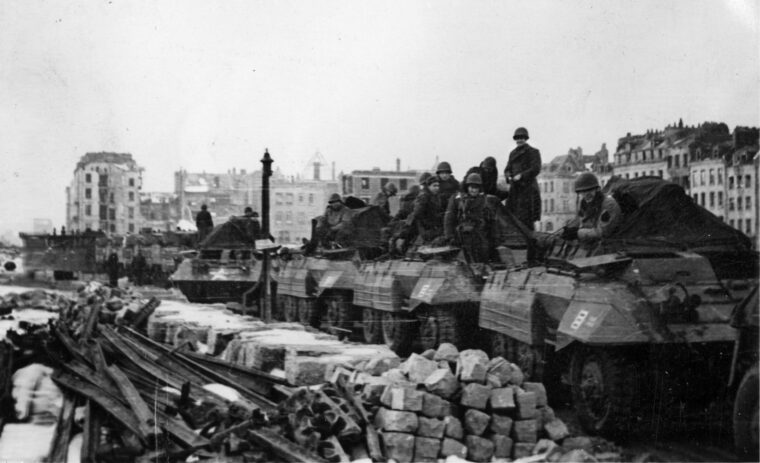
Few festivities occurred on Christmas Eve, 1944, in the Ardennes Forest. Thousands of soldiers struggled to attack or defend positions, or to simply survive. Read more
The British frigates HMS Orpheus and Roebuck, on April 20, 1781, escorted their prize—the Continental Navy frigate USS Confederacy—with the Union Jack flying above the Stars and Stripes, to New York harbor, thus ending Confederacy’s two-year service to the American rebels. Read more
Before dawn on September 21, 1745, the dragoons and infantry of King George II stood in line of battle in a freshly harvested wheat field. Read more
After September 17, 1631, half of Germany feared that God was a Protestant. The other half was sure of it. Read more
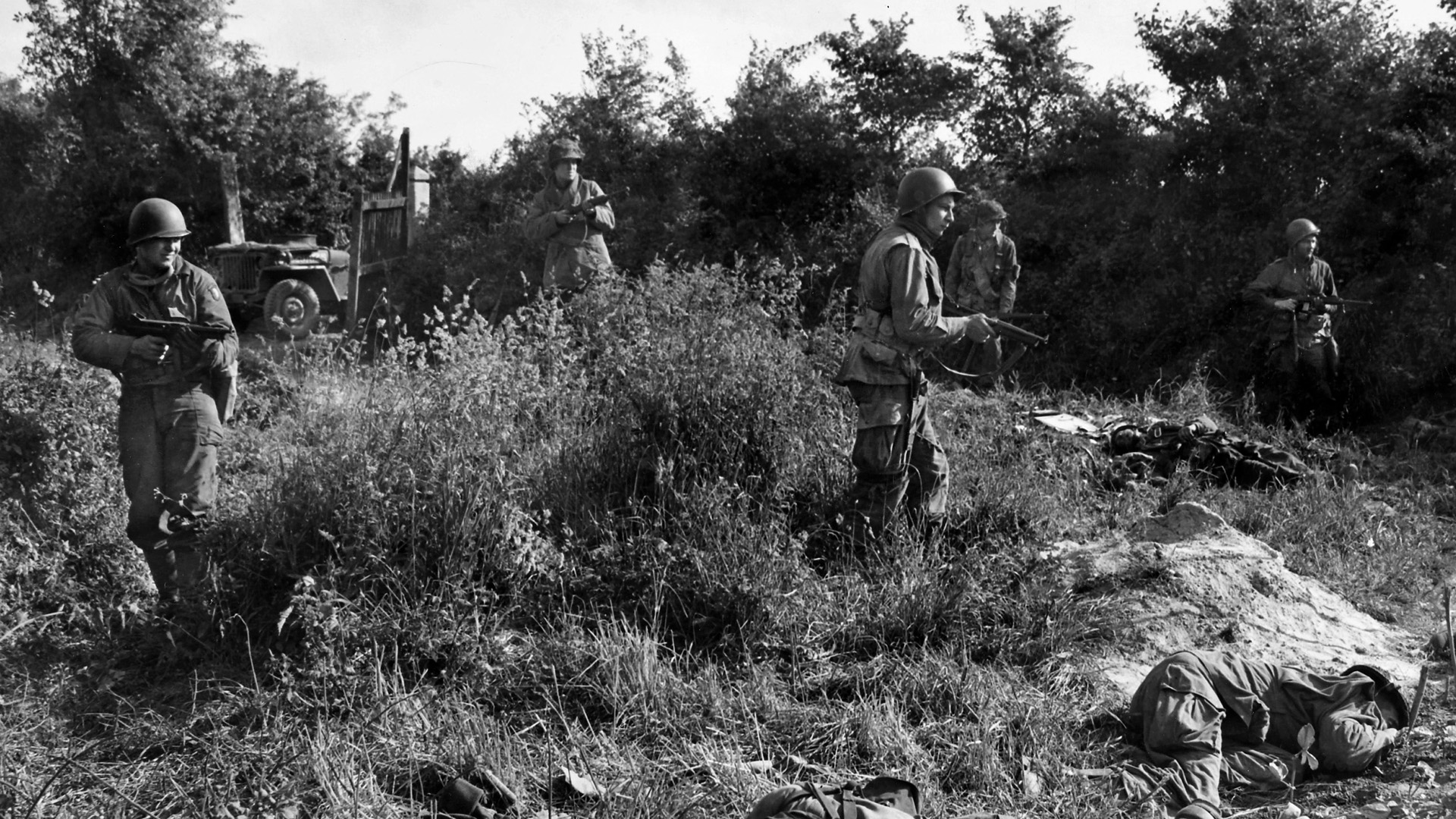
Red-hot grenade fragments sliced through First Lieutenant Bill Munson’s left arm and shoulder, causing him to fall backwards onto the lip of a German machine gun nest. Read more
Barthélemy Schérer, commander of the French Army, gazed at the new military orders from Paris in disbelief. The grandoise strategy, detailing an advance on three fronts with the armies uniting in Tyrol for a concentrated thrust at Vienna, were far beyond the capabilities of the starving southern army he commanded along the French Riveria against the combined forces of Austria and Sardinia. Read more
By William E. Welsh
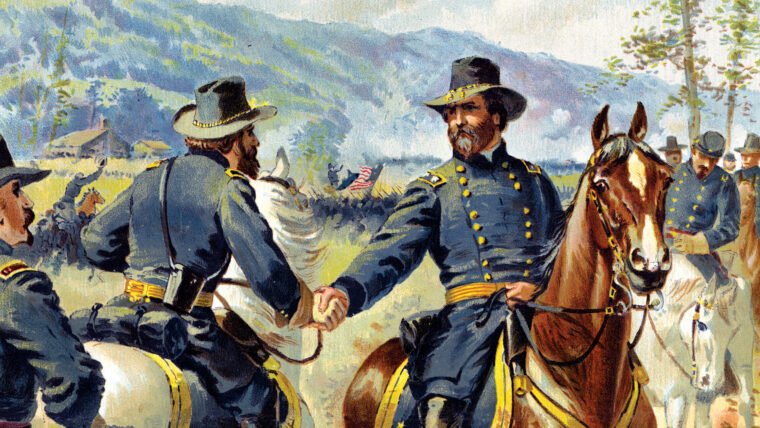
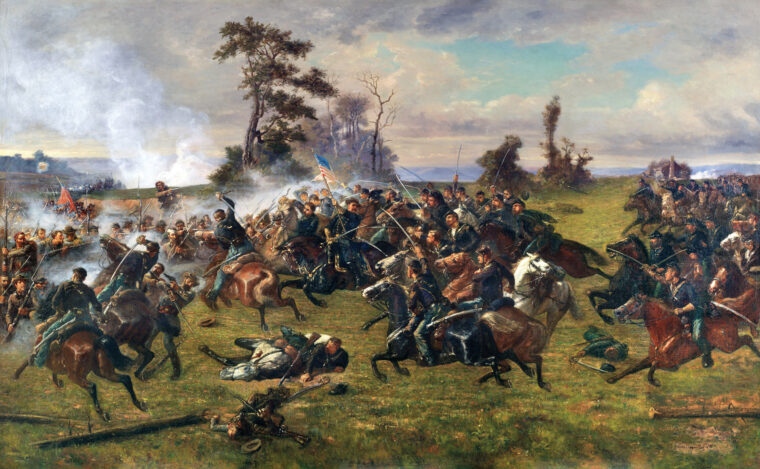
Private Augustus Du Bois marched forward at daybreak on June 3, 1864, along with hundreds of other members of the 7th New York Heavy Artillery regiment to a thin belt of timber a mile south of the key road junction of Cold Harbor. Read more
Five years after Great Britain had launched HMS Argus, the world’s first aircraft carrier, in 1917, and following the signing of the Washington Naval Treaty on February 6, 1922, the U.S. Read more