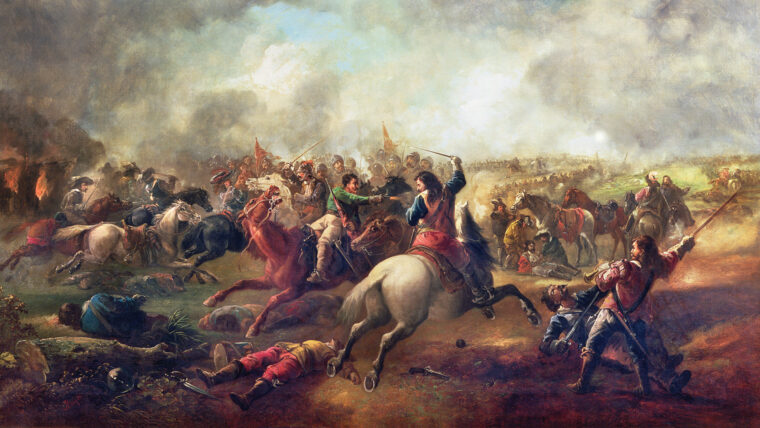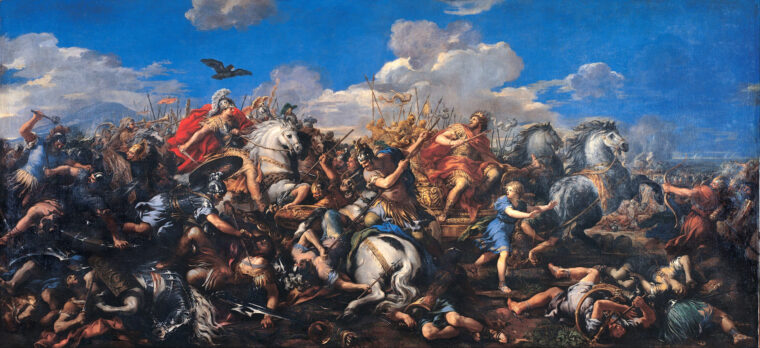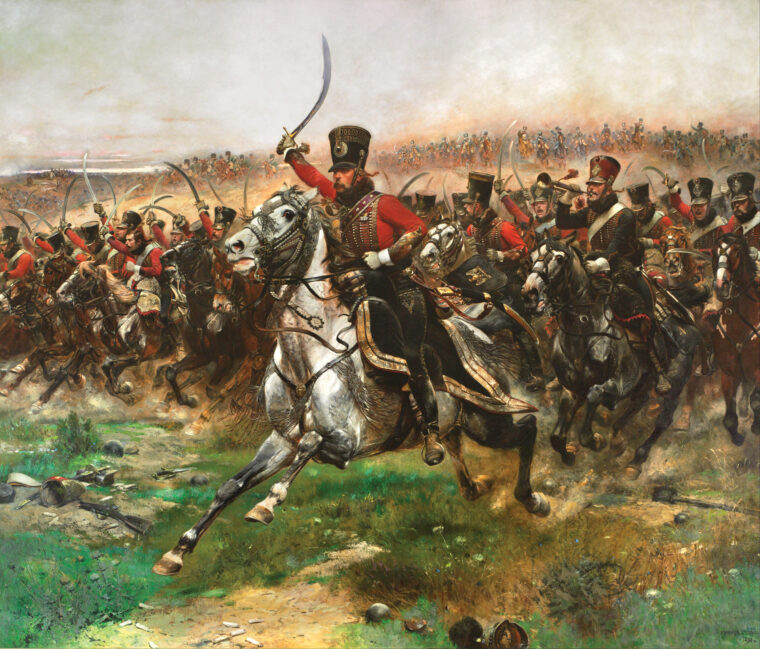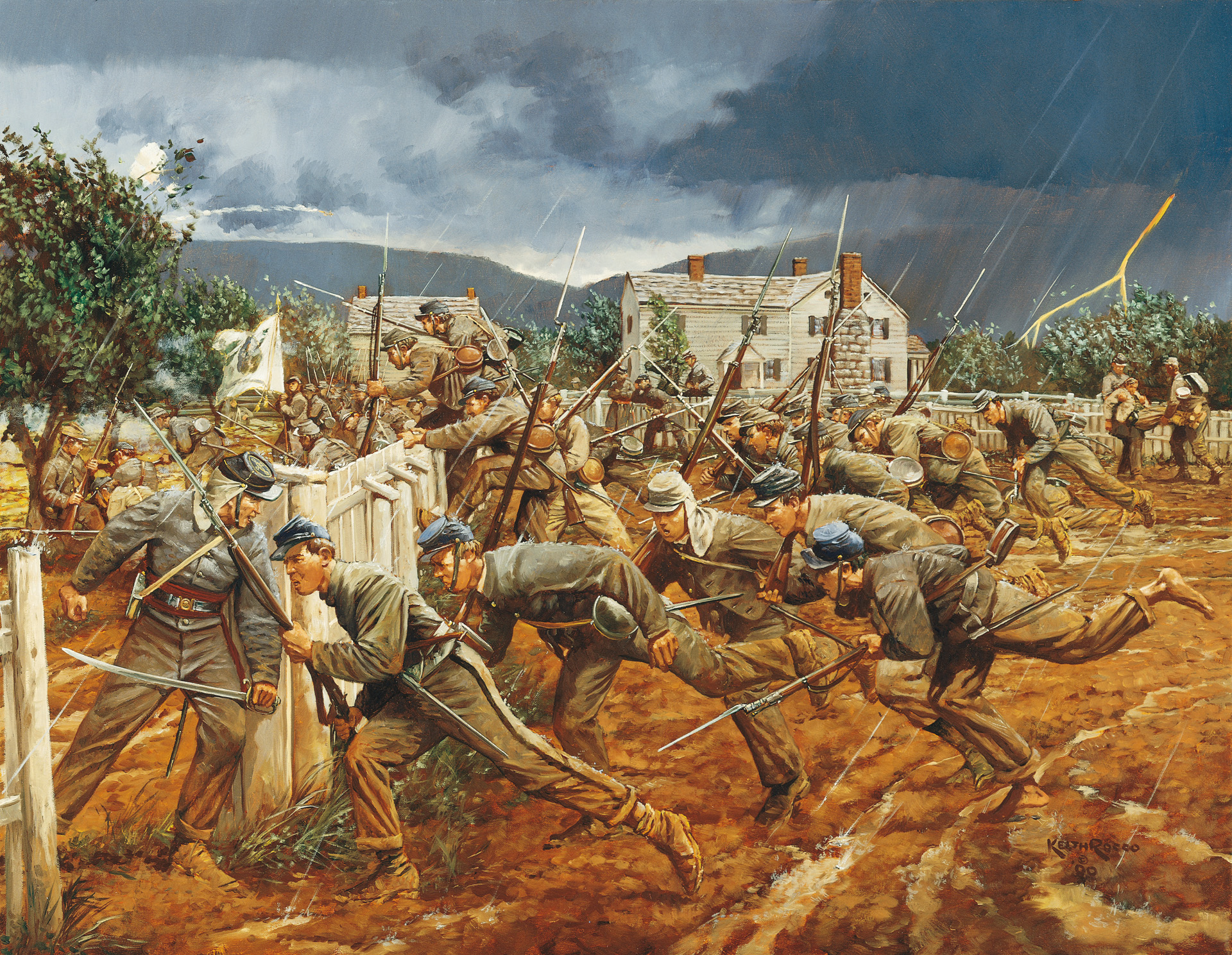
Furious counterattacks by Parliamentarian cavalry, including Oliver Cromwell’s “Ironside” troopers, prevented the Royalist horse from disrupting the advance of the Parliamentary army at Marston Moor.

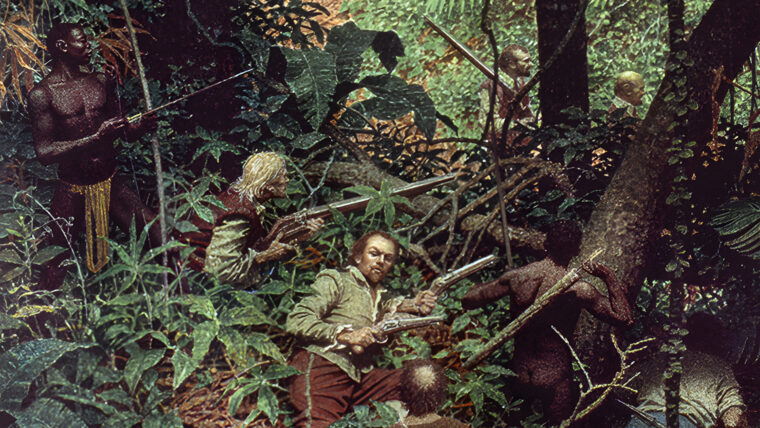
Shock Of The Charge

By Eric Niderost

Prince Rupert of the Rhine did not like to be kept waiting, especially when each passing minute seemed to lessen his chances of victory. Read more

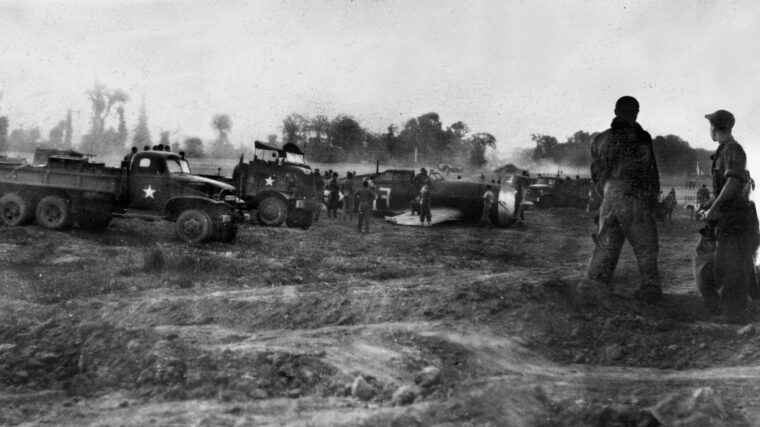
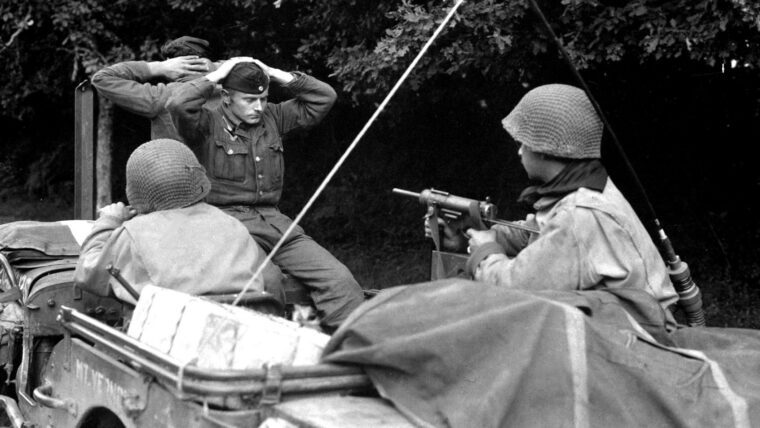
A Photographer in the Ninth Air Force

By Audrey Lemick

When most people think of the U.S. Army Air Forces in World War II, the first image that usually comes to mind is that of the heavy bombers, the B-17s and B-24s, that ravaged targets in Europe and the B-29s that wreaked havoc on Japanese cities in the Pacific. Read more

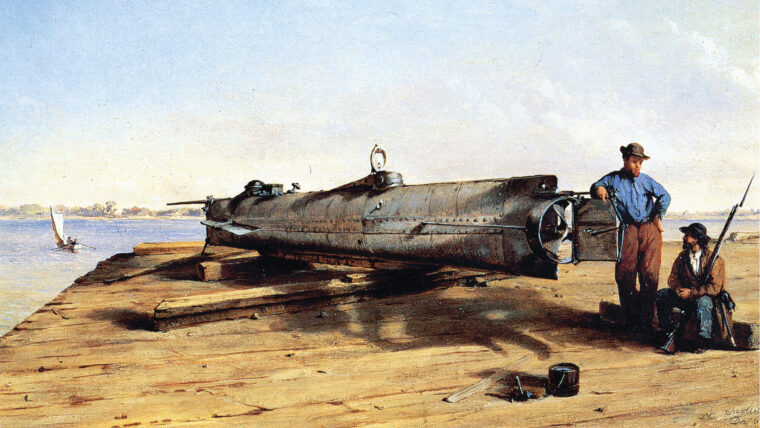
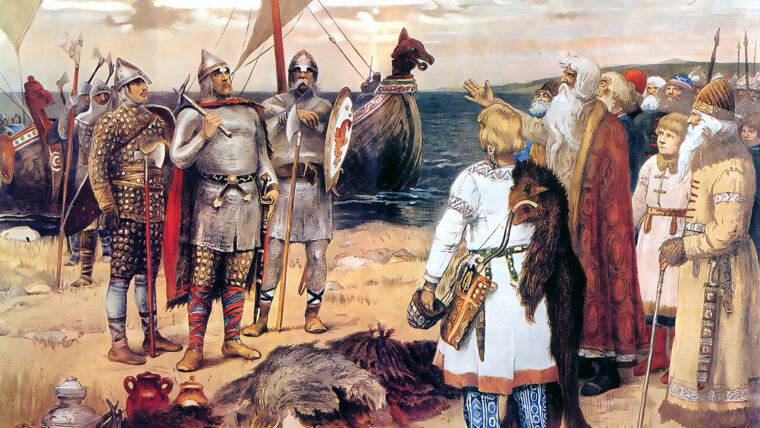
Three crews were lost during tests of the Horace L. Hunley, shown in a painting by Conrad Wise Chapman.

Evolution of the Submarine

By John Protasio

The concept of a ship that could submerge beneath the water and then resurface dates back as far as the late 1400s, when Italian Renaissance artist and inventor Leonardo da Vinci claimed to have found a method for a ship to remain submerged for a protracted period of time. Read more

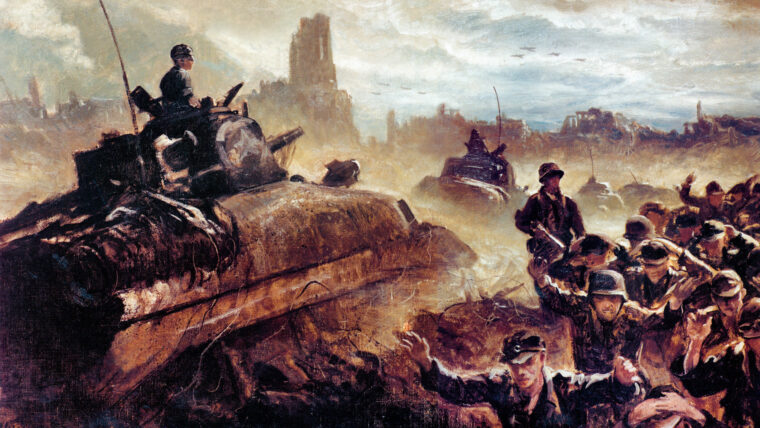
Ogden Pleissner, an artist and war correspondent for LIFE magazine, captured American tanks advancing through the bombed-out city of St. Lô as German prisoners are marched to the rear.

Deadly Cobra Strike

By Michael E. Haskew

The Allied planning for Operation Overlord had been ongoing for more than two years. Vast quantities of supplies and hundreds of thousands of fighting men and their machinery of war had crowded southern England. Read more

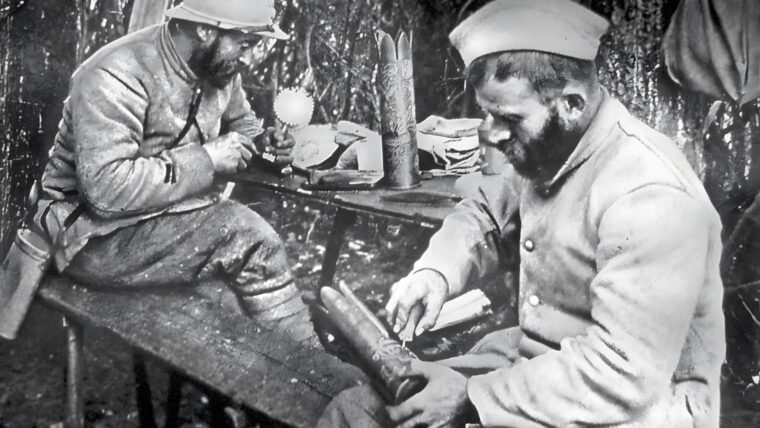
World War I French soldiers make flower vases from shell casings.

Trench Art

By Peter Suciu

Art is in the eye of the beholder, of course, but for those who collect militaria there is a special kind of art that requires a special kind of appreciation. Read more

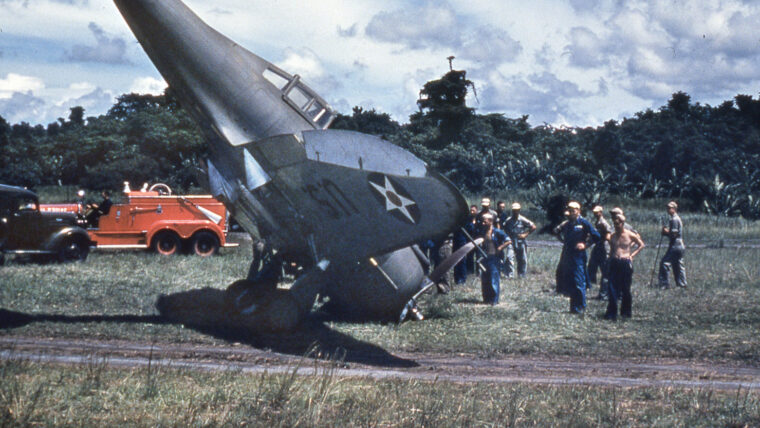
This Seversky P-35 fighter plane has nosed over during a landing at Clark Field in the Philippines. Like other types flown by the 27th Bomb Group, the P-35 was obsolete during World War II and outclassed by Japanese fighter types.

Hostage to Misfortune

By Sam McGowan

In May 1942, the 27th Bombardment Group transferred from Batchelor, Australia, to Hunter Field outside Savannah, Georgia. It was a transfer without men or equipment to the same base from which the group had departed in October 1941 for the Philippine island of Manila. Read more

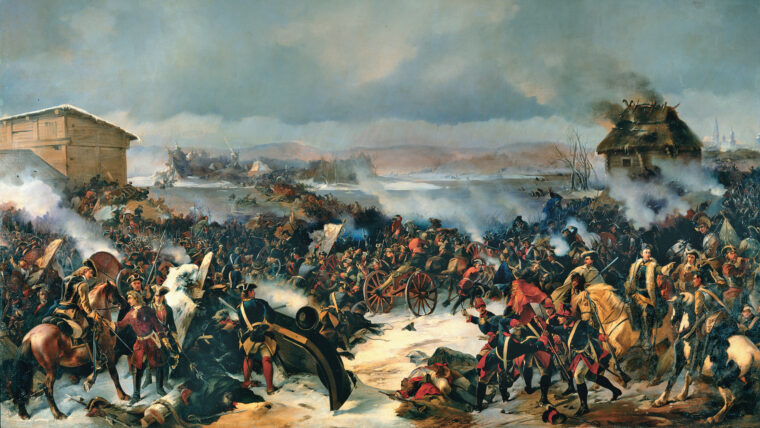
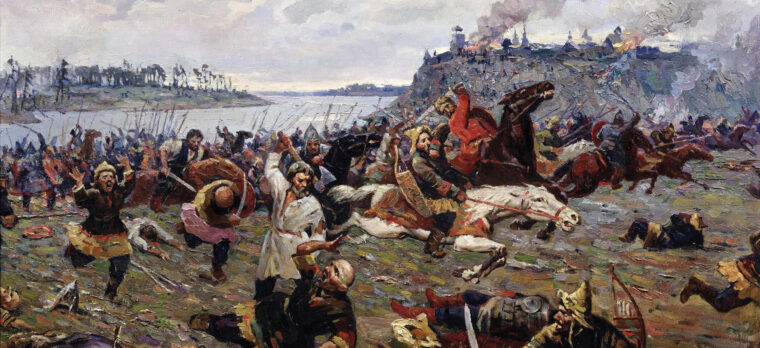
The Battle of Narva was a resounding victory for Swedish King Charles XII over his Russian foe. The young monarch is shown at lower right in Alexander von Kotzebue’s romantic painting.

Swedish Gamble at the Battle of Narva

By Eric Niderost

Just after dawn on the morning of November 20, 1700, two figures stood atop Hermansburg, a small rise that overlooked the fortress town of Narva in the Baltic province of Estonia. Read more

Masterstroke at Friedland

By Coley Cowan

Friedland was burning. The darkening sky of late afternoon on June 14, 1807, was deepened further by the ashes swirling in the narrow streets. Read more

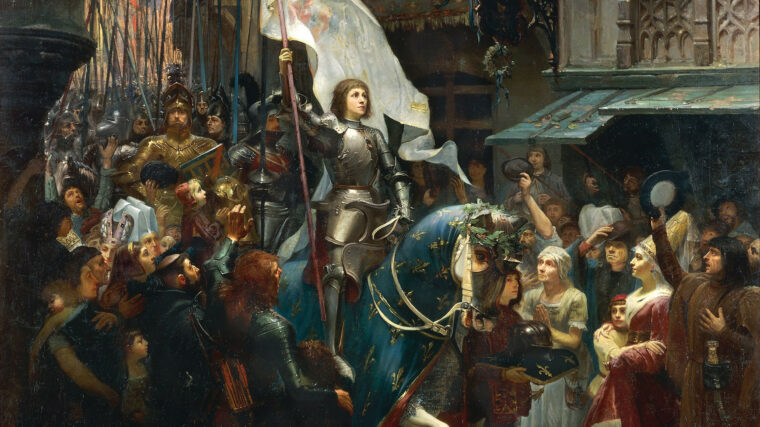
In her battle armor, Joan of Arc leads a rapturous army of French followers who believe her to be divinely inspired.

Joan of Arc’s Loire Campaign: The English Tide Recedes

By William Welsh

None of those present at the war council held on July 18, 1429, at Beaugency in central France seemed to object to the peculiar sight of an armor-clad young woman advising some of the greatest military captains of the age on how to proceed with the campaign to crown the Dauphin Charles king of France. Read more

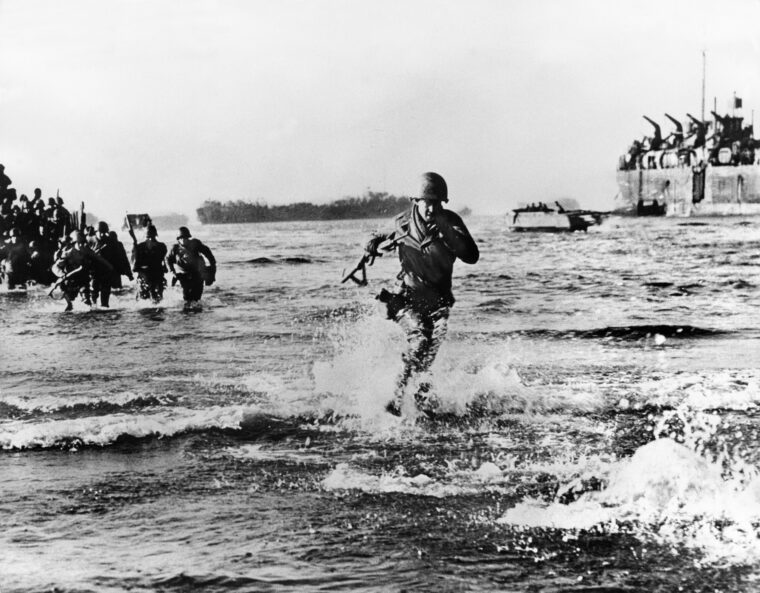
American soldiers splash ashore at Anzio, Italy, during an end run expected to compromise the German defenses of the Gustav Line. The landings failed to achieve the desired results and remain controversial to this day.

Prudence or Paralysis?

By Steve Ossad

Hitler called it an “abscess.” British Prime Minister Winston Churchill, the chief sponsor and loudest cheerleader for the endeavor, grudgingly proclaimed it “a disaster.” Read more

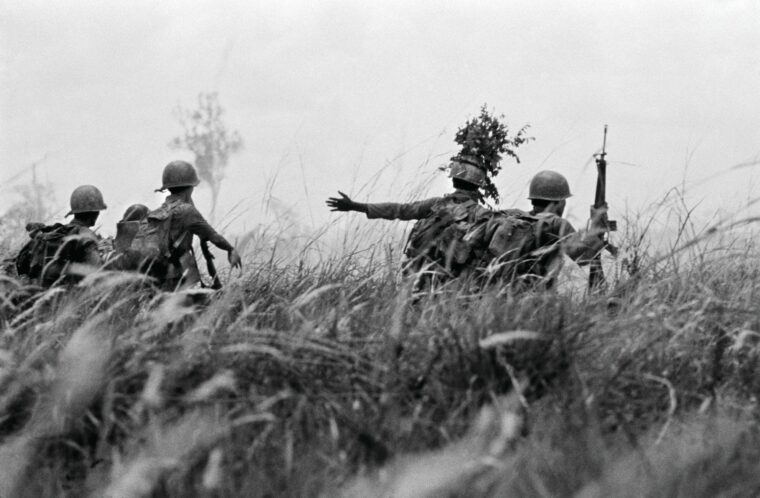
South Vietnamese troops advance through waist-high grass toward North Vietnamese invaders in May 1972 following the NVA’s all-out Easter offensive of 1972.

The Easter Offensive of 1972

By John Walker

At noon on Good Friday, March 30, 1972, more than 25,000 North Vietnamese Army (NVA) soldiers, backed by state-of-the-art Soviet tanks, artillery, and mobile antiaircraft missile platforms, poured across the Demilitarized Zone separating the two Vietnams. Read more

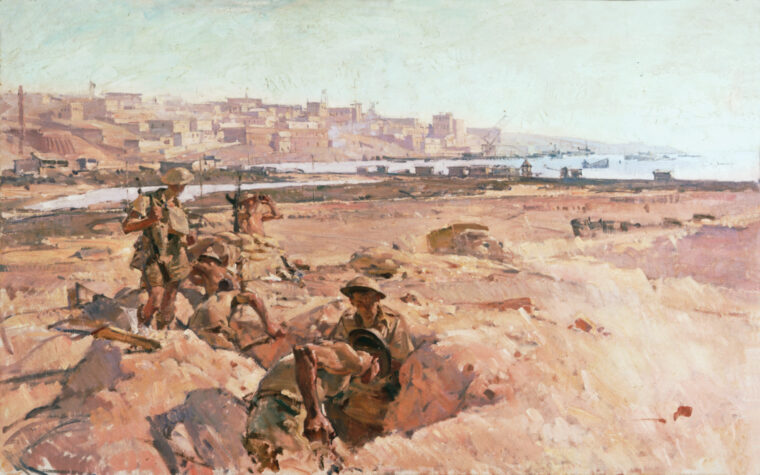
Australians expand and improve the Italian defenses at Tobruk in February 1941 in anticipation of an attack by Axis forces in a painting by Australian war artist Ivor Hele. Two months later, Generalleutnant Erwin Rommel’s Afrika Korps began probing the Allied defenses at the key Libyan port.

Rommel Repulsed

By Robert Heege

It was the first week of April 1941, and Lt. Gen. Richard O’Connor could scarcely believe what was happening as his driver suddenly cocked the wheel and swerved hard left, flooring the gas pedal in a futile attempt to outrun the multiple bursts of machine-gun fire erupting all around them, lighting up the Saharan night as bullets chased after his wheels. Read more