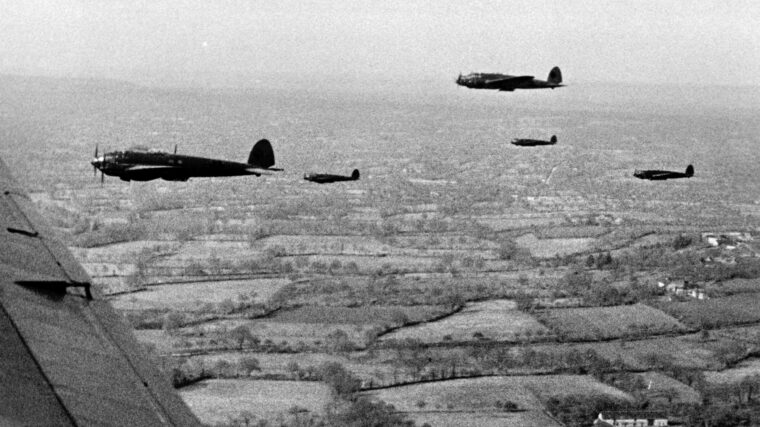
Looking for the Luftwaffe

By Joseph Frantiska, Jr.

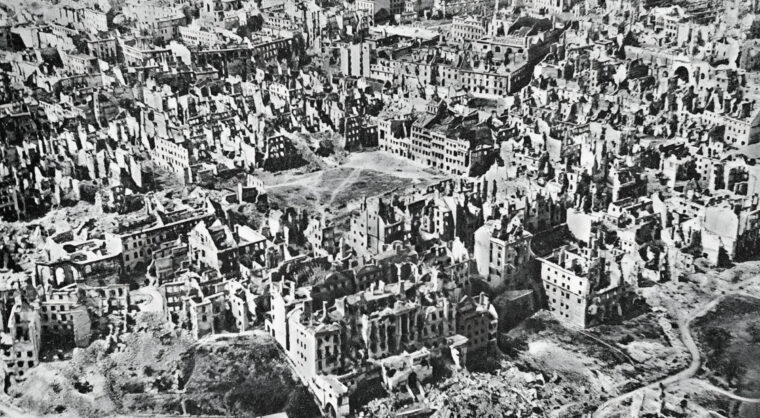
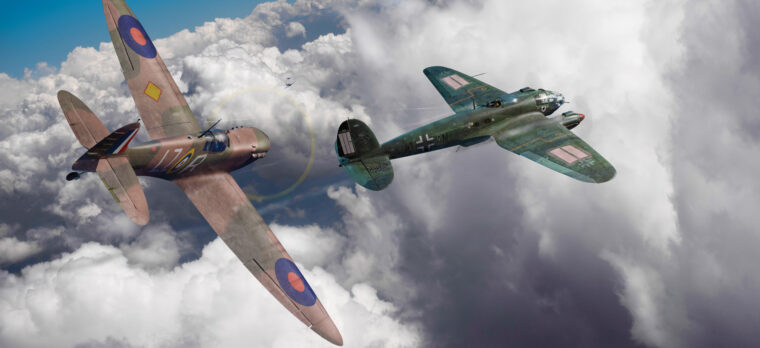
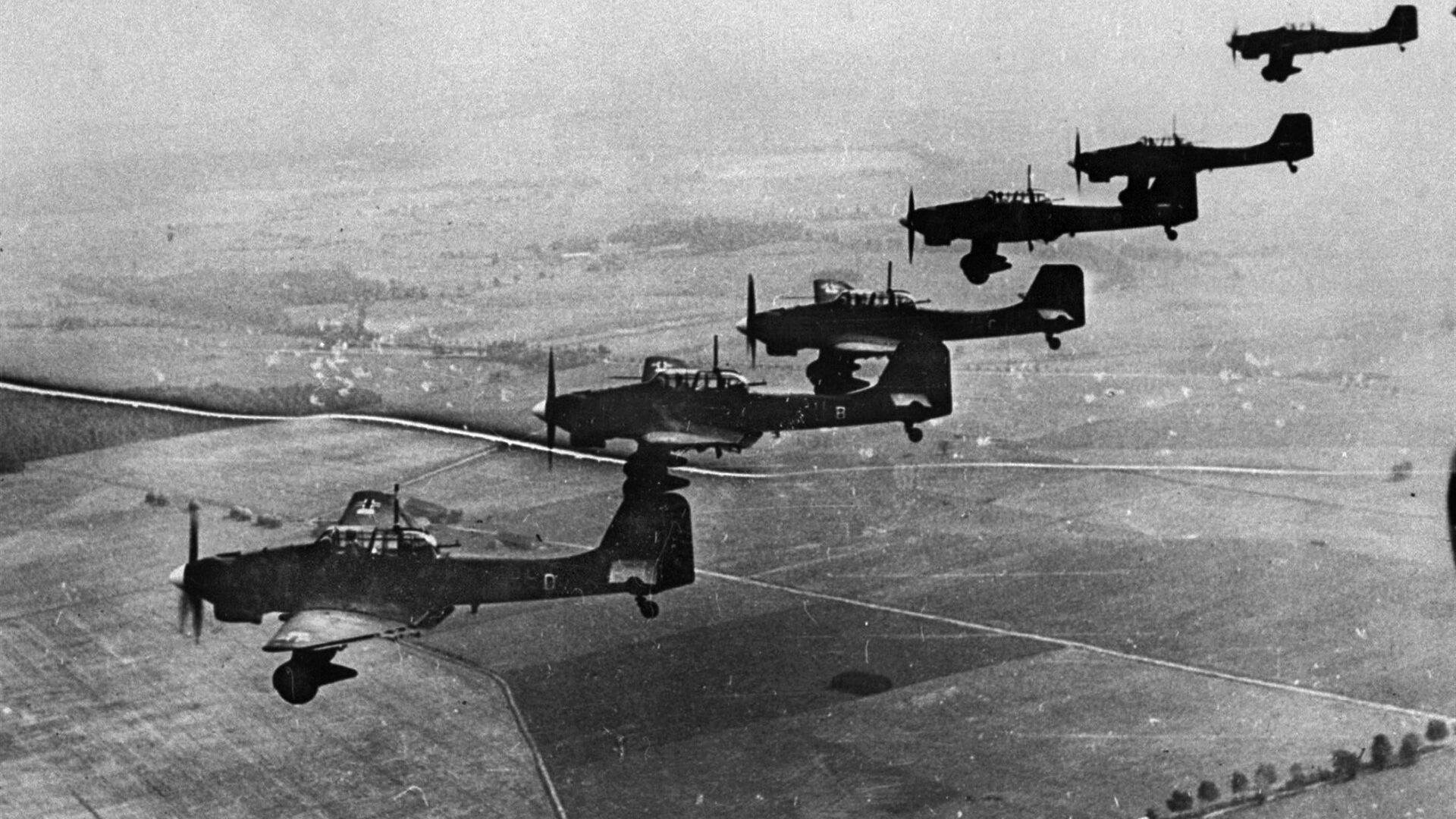
Chain Home, or ‘CH’ was the codename given to the system of early warning radar stations located along the Europe facing coasts of the United Kingdom (UK) before and during World War II to locate and follow aircraft. Read more
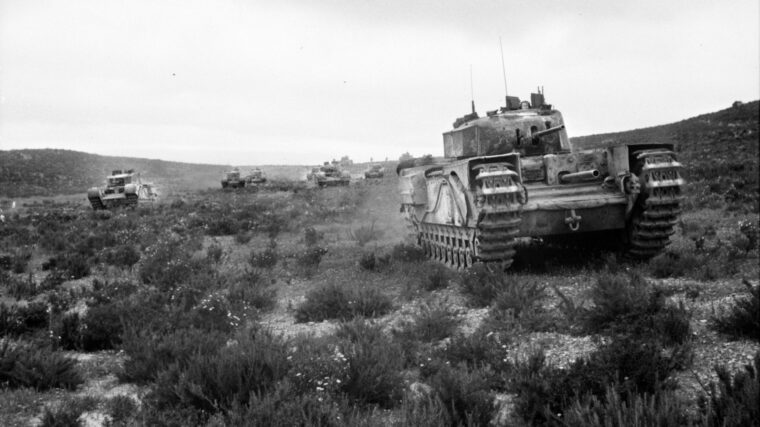
A German PzKpfw. III tank accompanied by infantry advances across difficult terrain in Tunisia. Hollands, joined by a second Churchill, knocked out two PzKpfw. III tanks during the fight.

Captain Hollands’ Rampage

By Christopher Miskimon

Columns of smoke rose above the skyline around a Tunisian farming complex on February 28, 1943, wafting past the late afternoon sun through atmosphere punctuated by the crack of bullets, booming explosions and the screams of wounded men. Read more

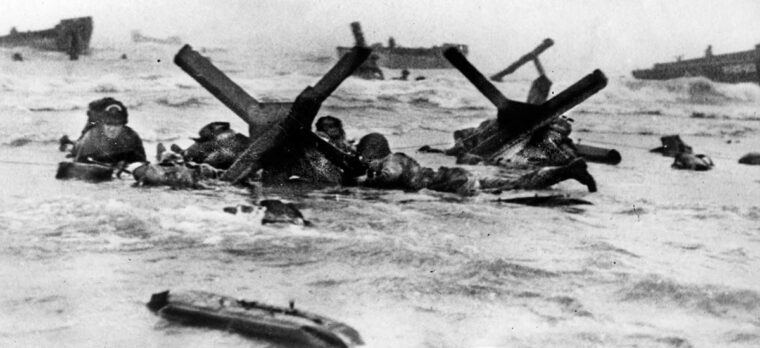
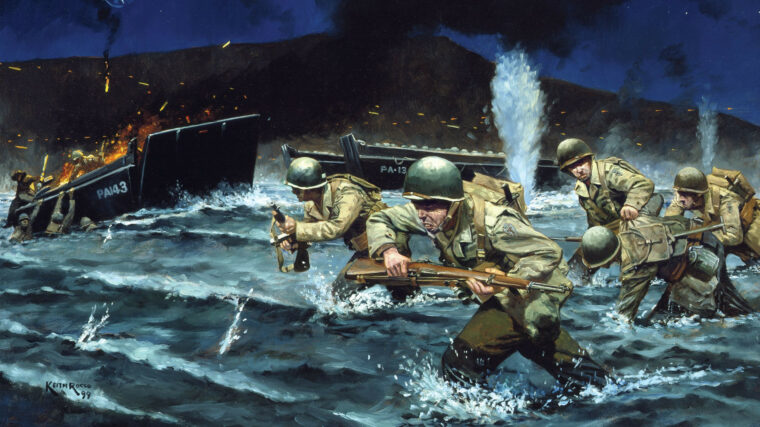
Soldiers of the 36th “Texas” Infantry Division splash ashore at Salerno. Corporal Charles Kelly carried a Browning Automatic Rifle and gained fame during the Italian Campaign.

The One-Man Army at Salerno

By Michael D. Hull

After the collapse of Mussolini’s fascist regime in July 1943, the allies launched a double attack against the western coast of the Italian mainland. Read more

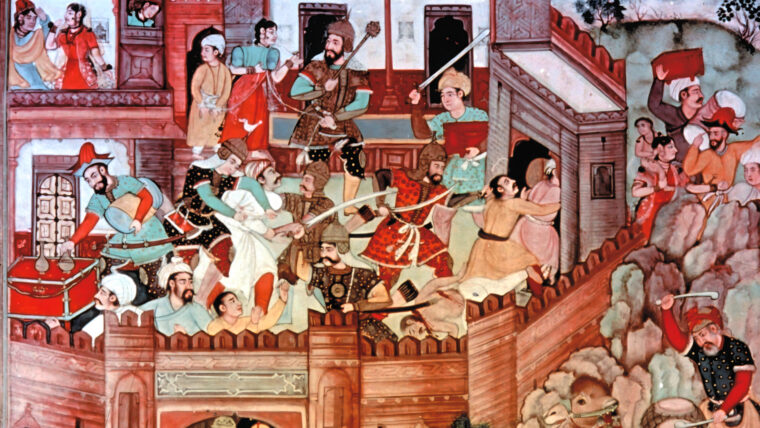
Genghis Khan and his Mongol hordes attack a Tangut (Xi) fortress in western China in ad 1205 in this highly imaginative 16th-century Indian painting.

The Mongol Hordes Invade China

By Steven M. Johnson

In ad 1205, Mongol ruler Genghis Khan, having completed the unification of his Gobi Desert empire, began looking south toward China for further conquest. Read more

Saga of the Cactus

By Christopher Miskimon

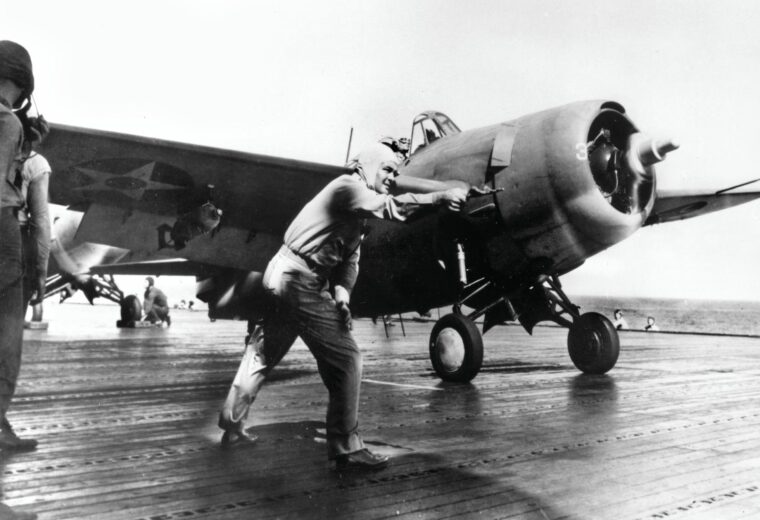
The messenger arrived as U.S. Navy Lt. James “Pug” Southerland tore into a sandwich and coffee in the wardroom of the carrier USS Saratoga. Read more

Trent Hone’s ‘Mastering the Art of Command’

By Christopher Miskimon

Before World War II, the U.S. Navy developed a culture that purposely created leadership opportunities. An emphasis on decentralized authority gave direction to junior leaders while encouraging them to use their own initiative to achieve results. Read more

Surrounded by Spanish pikemen at the climax of the Battle of Ravenna, French commander Gaston de Foix fights to stay on horseback. He would soon tumble to his inevitable death.

Death of the Fox: Battle of Ravenna (1512)

By William E. Welsh

As the first rays of sunlight chased away the shadows from the base of the high walls surrounding the village of Ravenna in northern Italy on Easter Sunday, April 11, 1512, the French army besieging the town began to form into columns. Read more

Byzantine forces led by Narses won a decisive victory over the Ostrogoths at the Battle of Vesuvius in 553. The resourceful septuagenarian proved an able statesman and general.

Narses the Eunuch

By Peter L. Boorn

On January 18, ad 532, a 54-year-old eunuch by the name of Narses, described by Agathias, a contemporary chronicler, as “small in stature and of abnormal thinness,” entered alone into the Hippodrome of Constantinople carrying a bag of gold. Read more

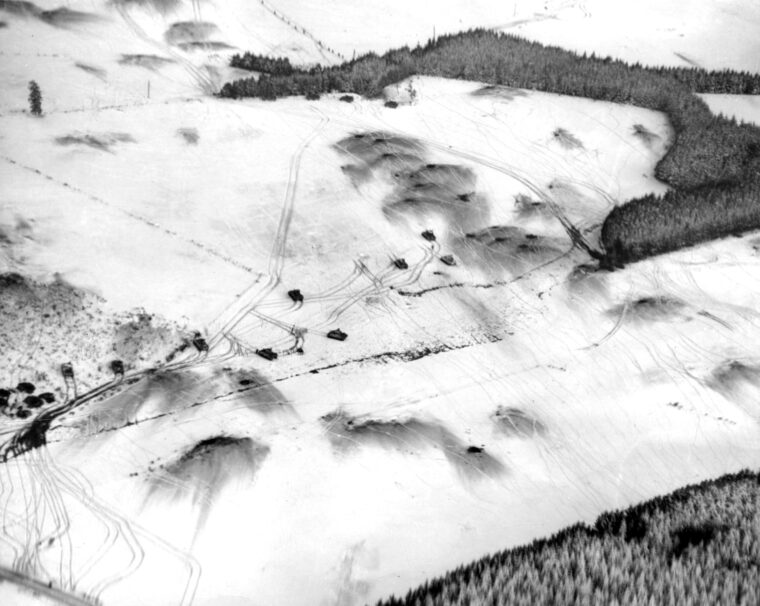
Tanks of the U.S. 6th Armored Division leave their telltale tracks in the snow as they advance toward the town of Bastogne, recently relieved after days under siege by German forces during the Battle of the Bulge.

Prisoner in the Bulge

By David H. Lippman

Nobody knew it in the 6th Armored Division’s 9th Armored Infantry Battalion, but the tide of the Battle of the Bulge had turned by the time the outfit moved into snow-covered fields and forests near Bastogne. Read more