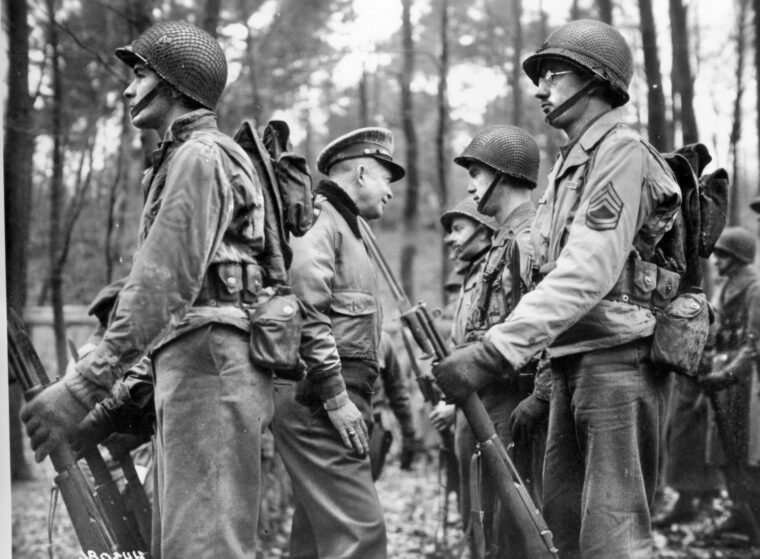
Eisenhower to the Front
By Kevin M. HymelGeneral Dwight D. Eisenhower enjoyed visiting troops in the field. After the Battle of Normandy and the race across France, the Supreme Allied Commander toured the front in mid-November, 1944. Read more
General Dwight D. Eisenhower enjoyed visiting troops in the field. After the Battle of Normandy and the race across France, the Supreme Allied Commander toured the front in mid-November, 1944. Read more
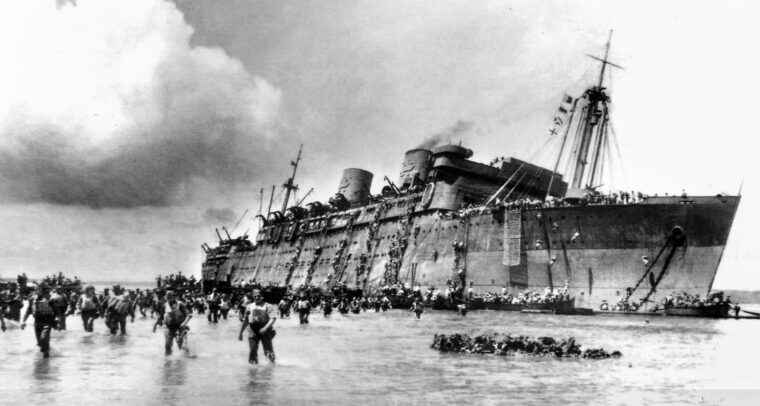
Ensign Doran S. Weinstein, a U.S. Navy communications officer, stationed himself outside the bridge of a troop transport named SS President Coolidge as it approached the South Pacific island of Espiritu Santo on Monday morning, October 26, 1942. Read more
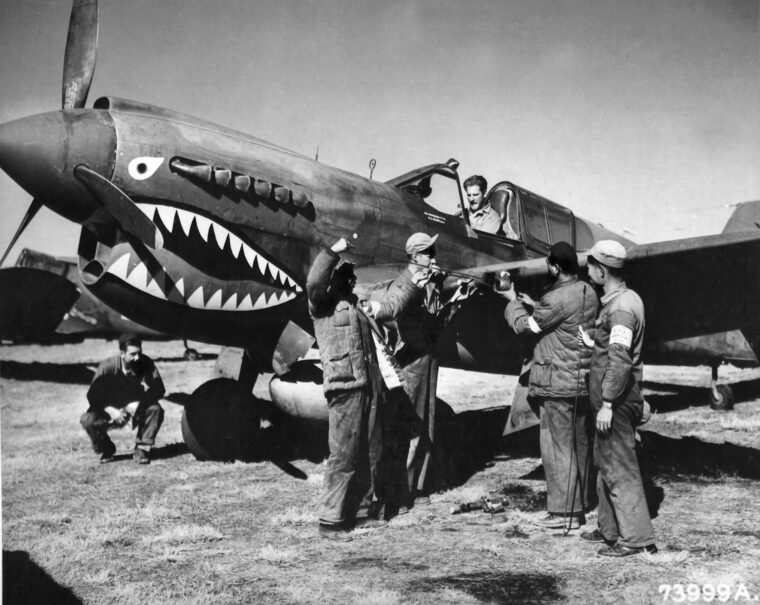
On March 2, 1933, only a few weeks after the inauguration of Franklin D. Roosevelt as President of the United States, the most spectacular event in the entertainment world premiered in New York. Read more
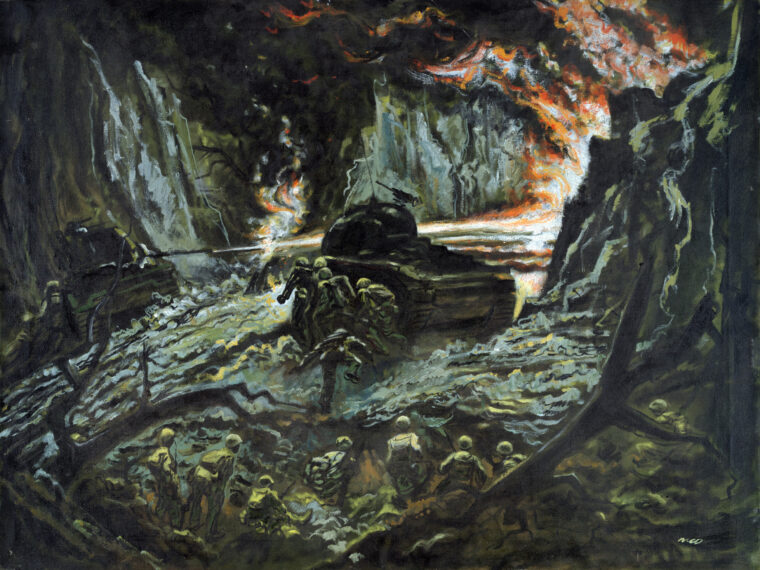
It was a bold prediction. “Rough but fast … We’ll be through in three days. It might only take two.” Read more
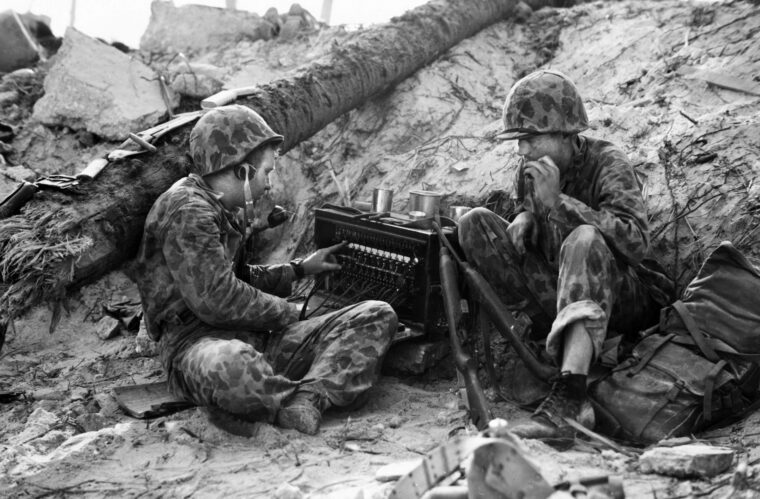
At dawn on November 20, 1943, U.S. Marines unleashed their first amphibious attack in the Central Pacific Theater. Read more
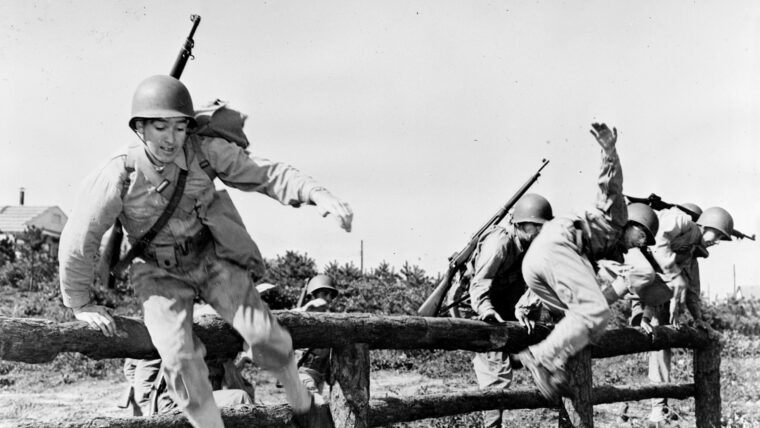
Winston Churchill described the U.S. Army during the war years as a “prodigy of organization … an achievement which soldiers of every other country will always study with admiration and envy.” Read more
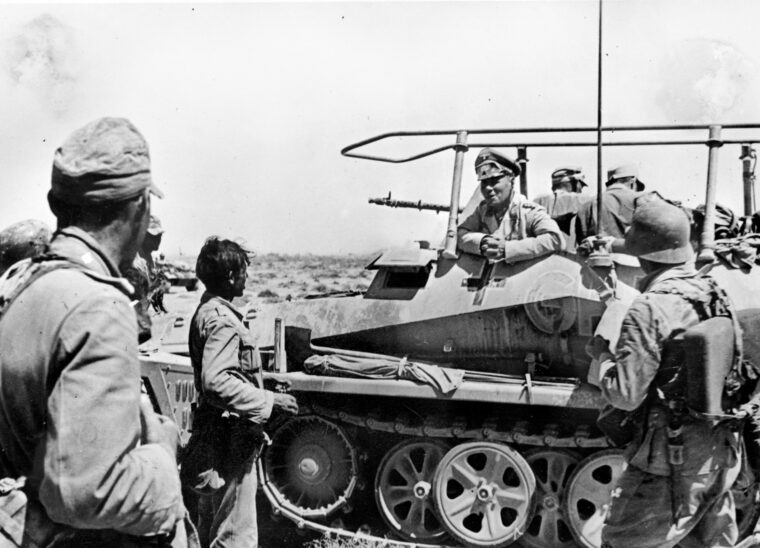
Generaloberst Erwin Rommel, commander of the Panzerarmee Afrika, was in his element, riding in an armored car at top speed through the desiccated plains of the Libyan desert. Read more
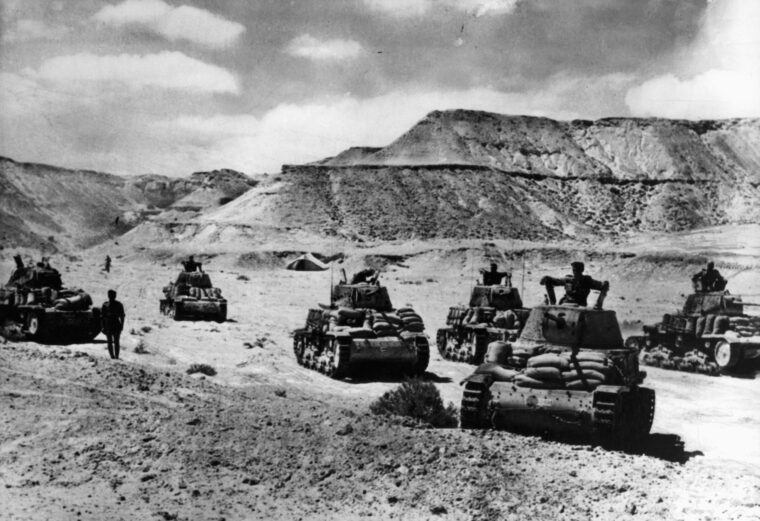
Many historians consider the victory at Gazala the greatest in the fabled career of Field Marshal Erwin Rommel. However, it was Gazala that also led to the undoing of Panzer Armee Afrika and the ultimate defeat of the Axis forces in the Desert War. Read more
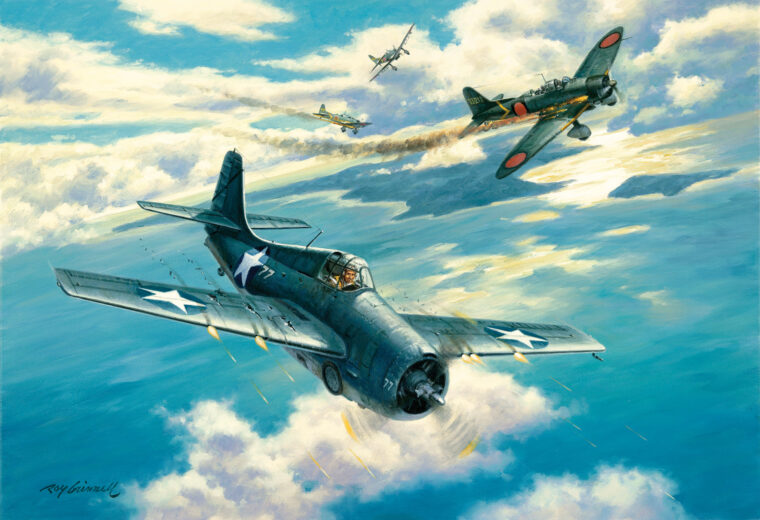
As Jim Swett guided his Grumman F4F Wildcat fighter to a landing at Henderson Field on Guadalcanal, he looked forward to getting some rest. Read more
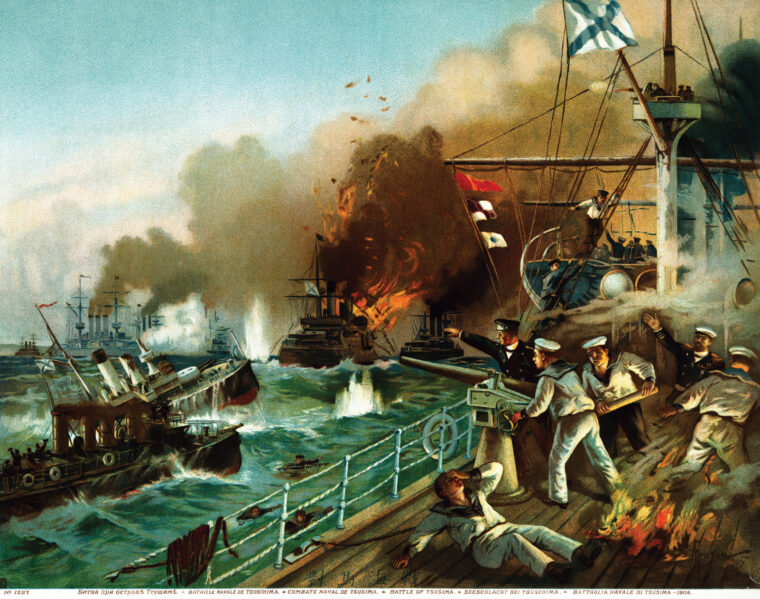
For many Americans in late 1941 and early 1942, he was the most hated—and feared—man in the world. Read more
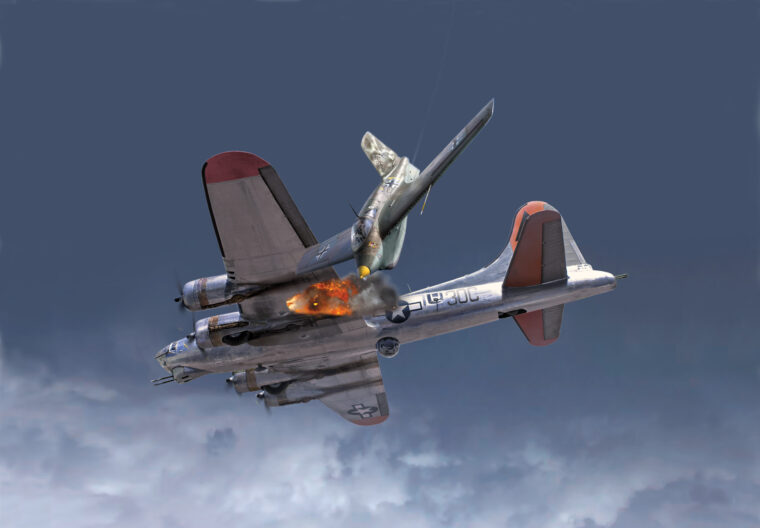
The Germans called it the “Komet” and the “Devil’s Broomstick,” for the incredible speed with which it reached its altitude of 30,000 feet, achieving 0.84 Mach while doing so. Read more
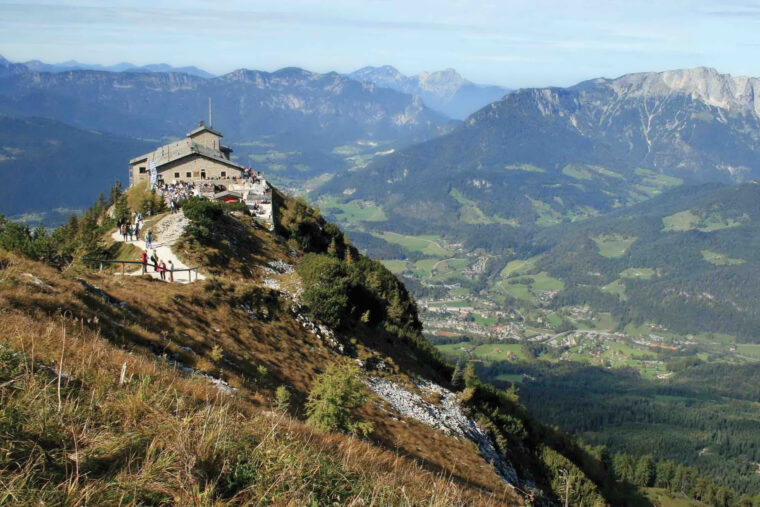
When a friend from Wolsey, South Dakota, asked Alven Baker why he was joining the army in 1941 and not another branch of the service, he replied, “To capture Adolf Hitler.” Read more
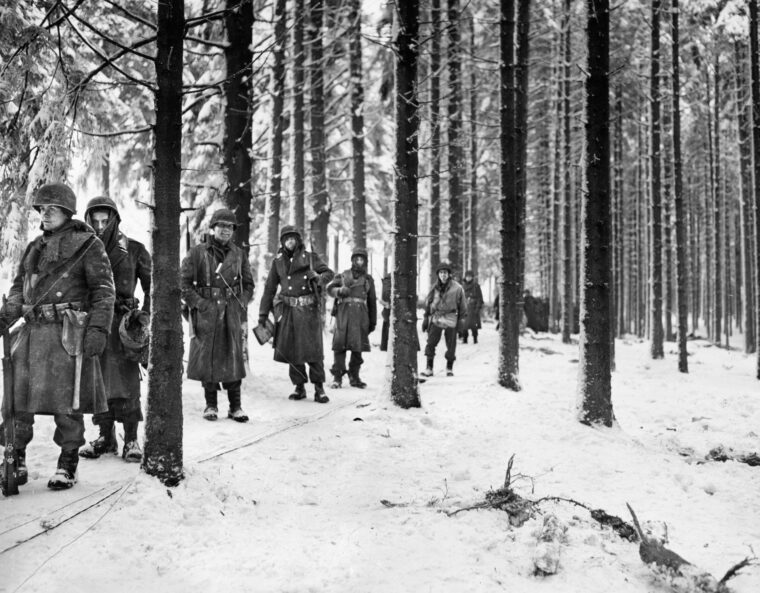
Staff Sergeant Darrell Bush had just carried a wounded soldier on his back to the rear when five enemy bullets seemed to hit him simultaneously. Read more
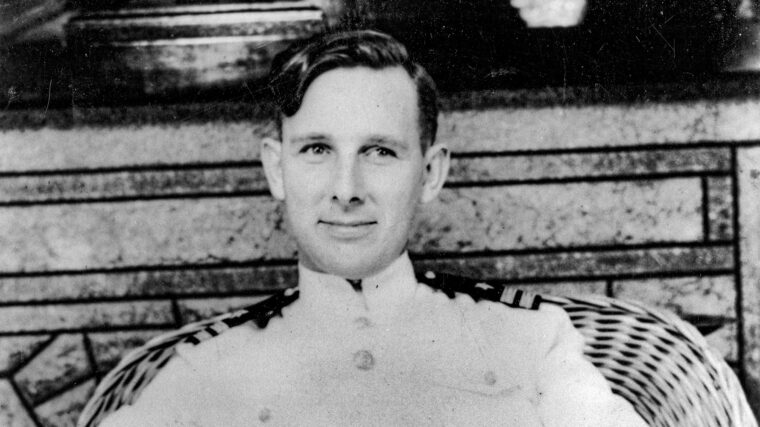
Eighty years ago this month, the U.S. Navy inflicted the decisive defeat of World War II in the Pacific against the marauding Japanese. Read more
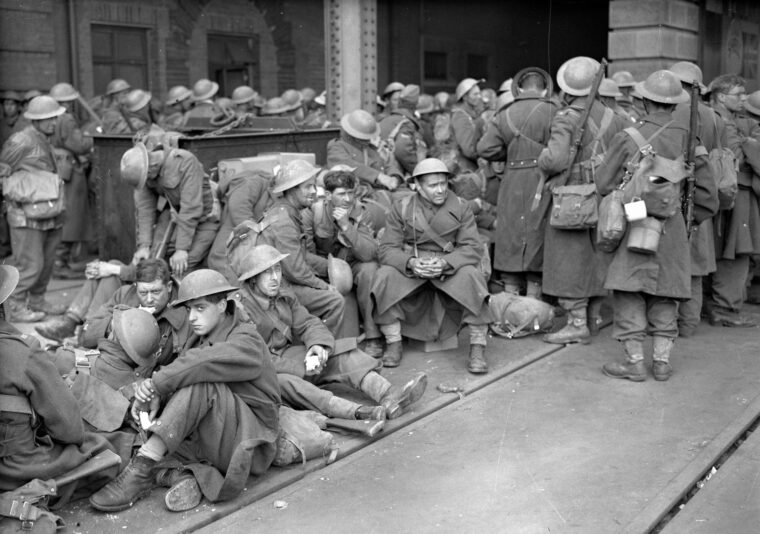
Within days of Nazi Germany’s invasion of Poland on September 1, 1939, and the British declaration of war two days later, the vanguard of the British Expeditionary Force (BEF) arrived on the continent of Europe. Read more
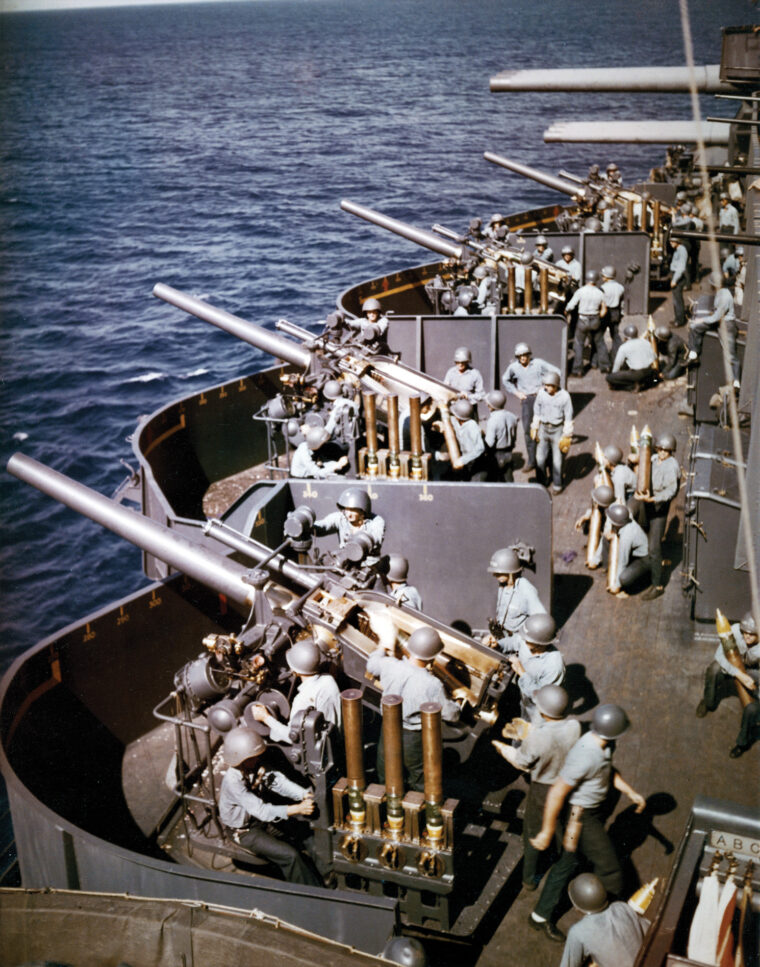
The United States Navy entered World War II well before Pearl Harbor and long before the rest of the nation. Read more
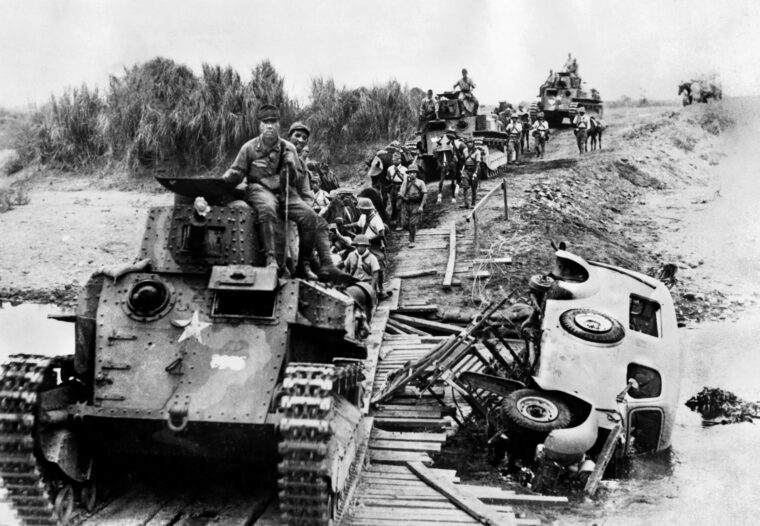
They had no armor, no air support, and little hope, but the American and Filipino troops on Luzon and the Bataan peninsula waged a fighting retreat that was the longest and most gallant in U.S. Read more
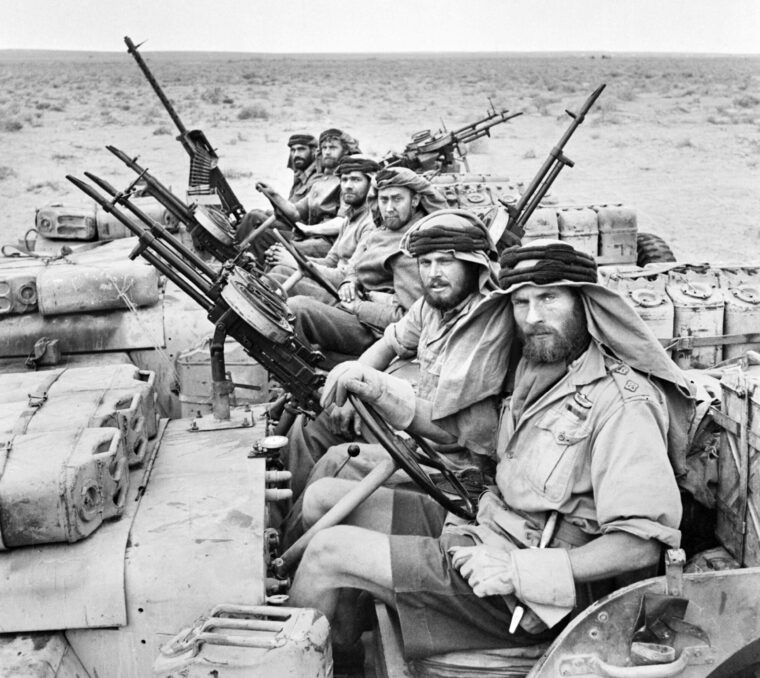
Second Lieutenant David A. Sterling of the Scots Guards was serving with Lt. Col. Robert E. “Lucky” Laycock’s No. Read more
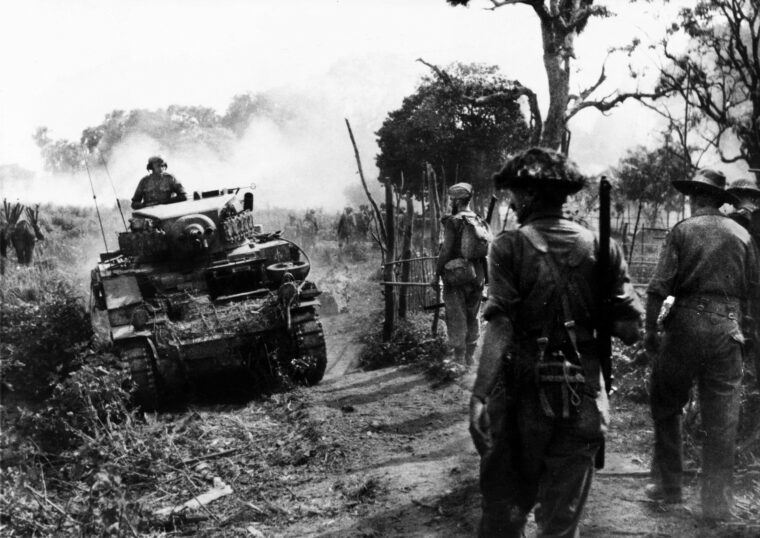
One ominous day in mid-May 1942, Lt. Gen. William J. Slim stood on the Imphal Plain, high in the Assam hills of northeastern India, and watched columns of tattered, malaria-ridden British, Indian, and Burmese soldiers straggle across the frontier from Burma. Read more
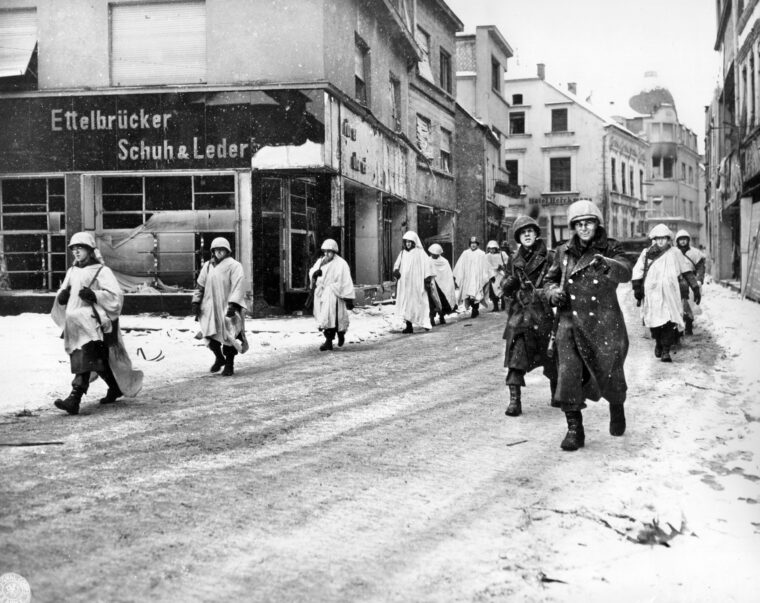
Corporal Thomas B. Tucker stood shivering in the bitterly cold night air as he looked down on a ribbon of water that separated his unit from the enemy’s front-line positions. Read more