WWII
The Demise of Army Group South
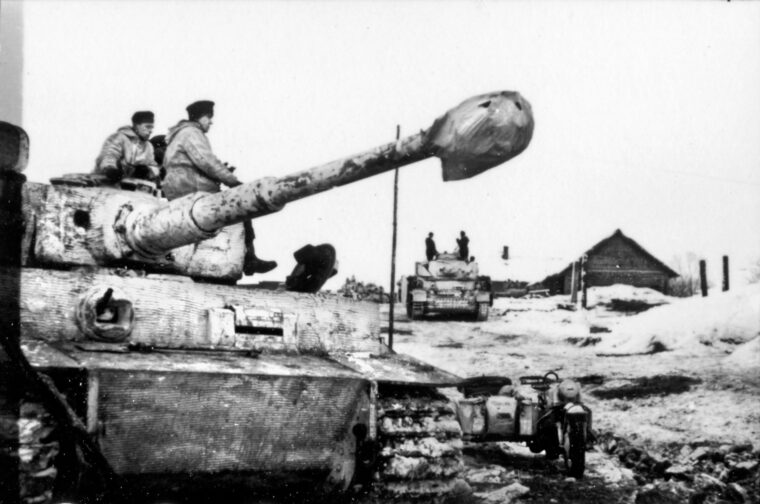
By Christopher MiskimonWilli Fey served in a Tiger tank crew on the Eastern Front. During March 1944, a massive Soviet offensive struck the area his unit, the Waffen SS Division Das Reich, defended. Read more

WWII
Willi Fey served in a Tiger tank crew on the Eastern Front. During March 1944, a massive Soviet offensive struck the area his unit, the Waffen SS Division Das Reich, defended. Read more
WWII
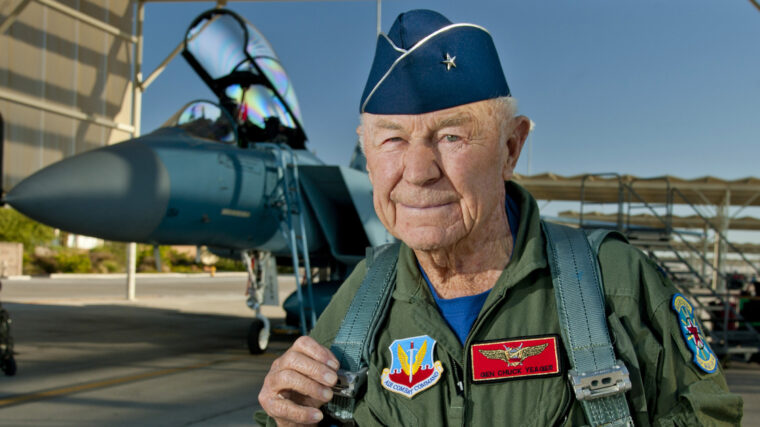
With the contentious 2020 election finally behind us, it’s time to remember a war hero and previous president—John Fitzgerald Kennedy. Read more
WWII
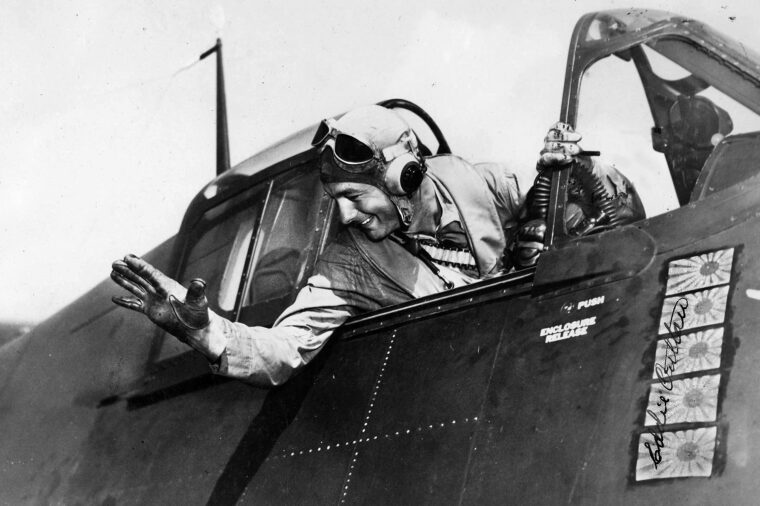
Despite the fact that the massive anchorage at Truk Lagoon in the Caroline Islands had become more untenable with each passing day as the American pincer executed its “Island Hopping” strategy in the autumn of 1943 and the following spring, the harbor remained a tempting target for U.S. Read more
WWII
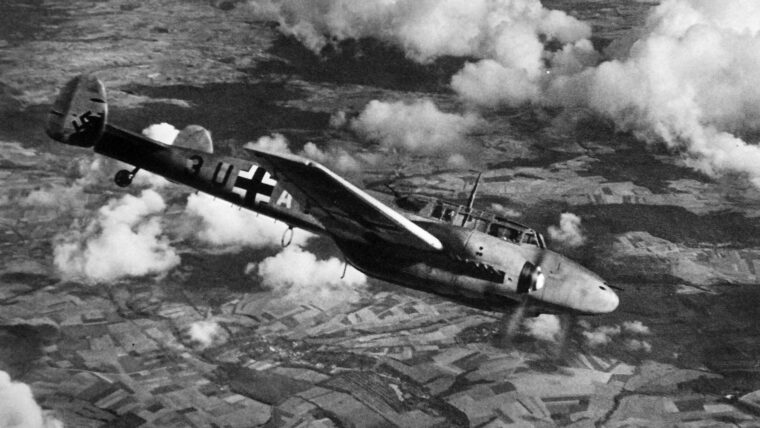
In order to establish the necessary conditions for the final conquest of England … I therefore order the Luftwaffe to overpower the English air force with all forces at its command, in the shortest possible time.” Read more
WWII
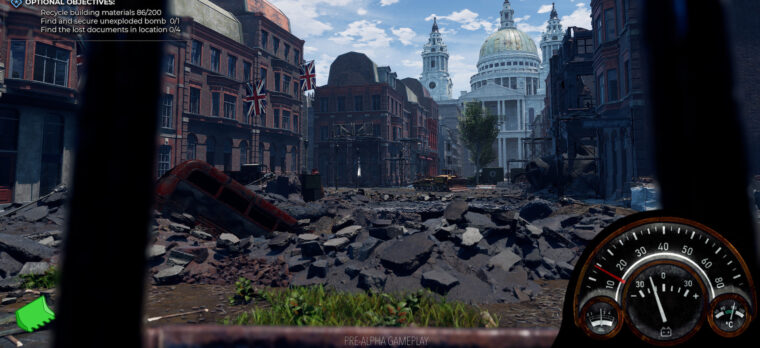
So many aspects of war-inspired entertainment are focused on destroying cities and bringing an end to the normalcy of a previously unmarred location. Read more
WWII
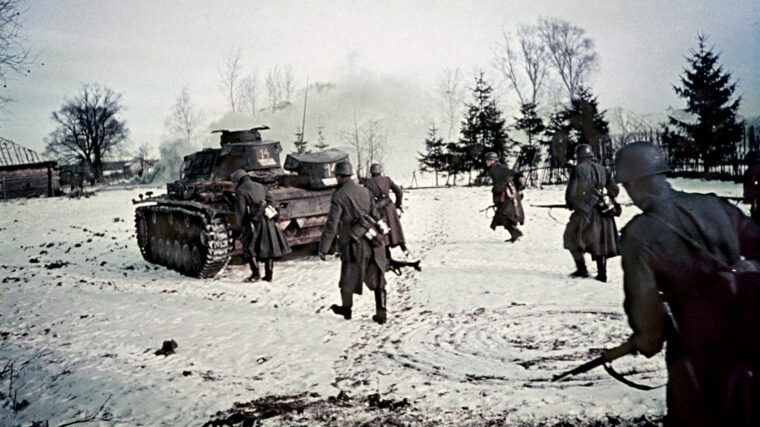
Many consider the Battle of Moscow in late 1941 to be the first turning point of World War II on the Eastern Front. Read more
WWII
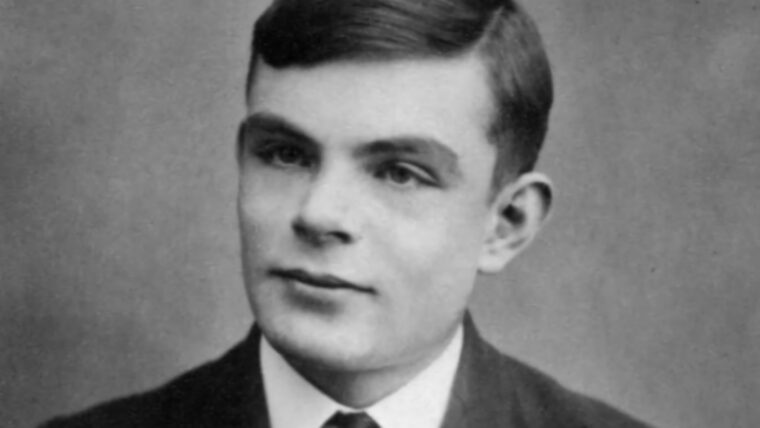
In January 1952, a 39-year-old man was arrested in Manchester, England on a charge of “gross indecency” as specified under Section 11 of Britain’s Criminal Law Amendment Act 1885. Read more
WWII
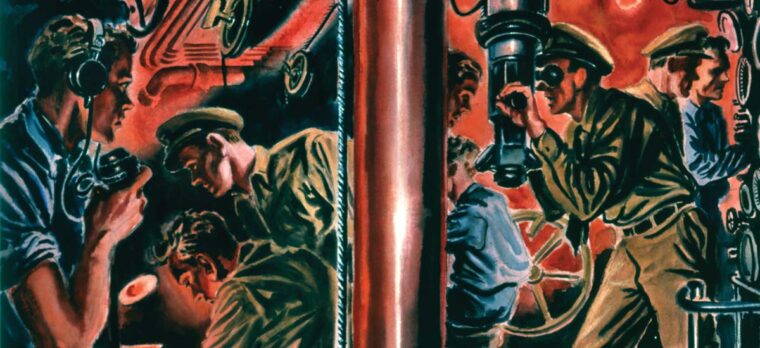
“Thornton! Go let the captain know he’s needed in the conning tower.” Nineteen-year-old Quartermaster Third Class Ed Thornton from Three Notch, Alabama, scurried to the conning tower hatch and slid down the ladder into the control room. Read more
WWII
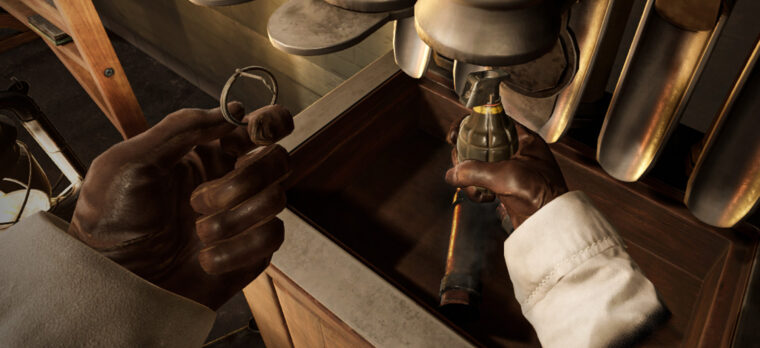
Depending on what kind of setup you have, virtual reality may be old news to you, or it might still be fresh and awe-inspiring. Read more
WWII
WWII
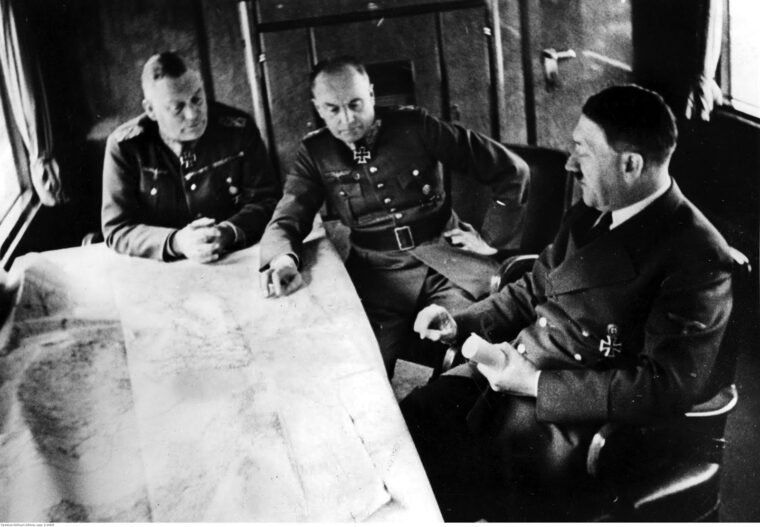
A recent auction of handwritten speech notes scrawled by none other than Adolf Hitler, Führer of Nazi Germany, aroused the ire of Jewish groups, which find the commercial activity reprehensible since the Nazi regime was responsible for the deaths of more than six million Jews during the 12 years of the Third Reich. Read more
WWII
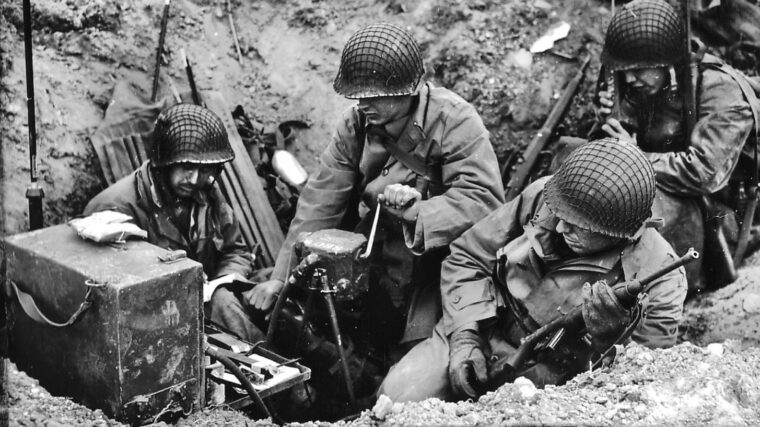
In the weeks leading up to the still-undefined D-Day, commanders argued about every detail of Operation Overlord. Read more
WWII
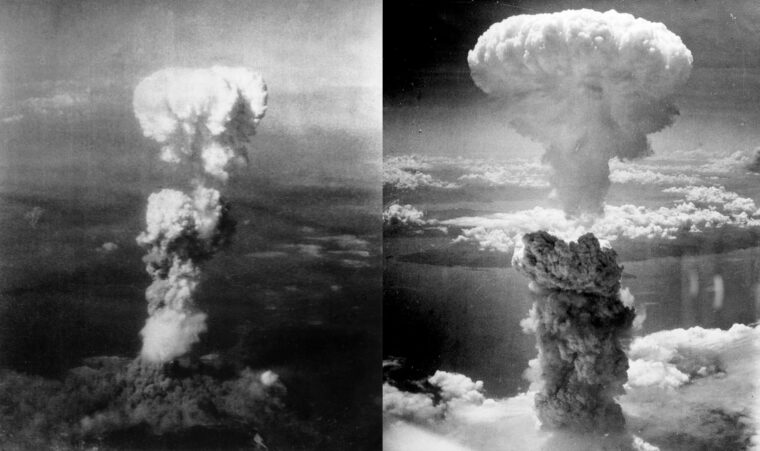
A few short months ago, the world paused to reflect on the 75th anniversary of the end of the greatest human-caused cataclysm mankind has ever known: World War II. Read more
WWII
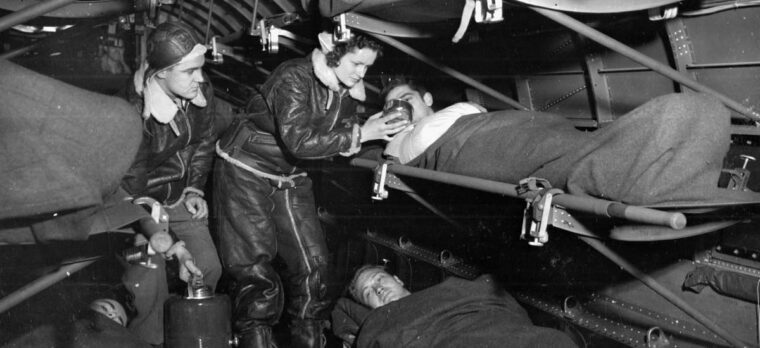
In a field hospital in Normandy, France, 1st Lt. Madeline “Del” D’Eletto was watching an Army doctor operate on a soldier’s head injury when one of her fellow nurses asked, “What do I do with this?” Read more
WWII
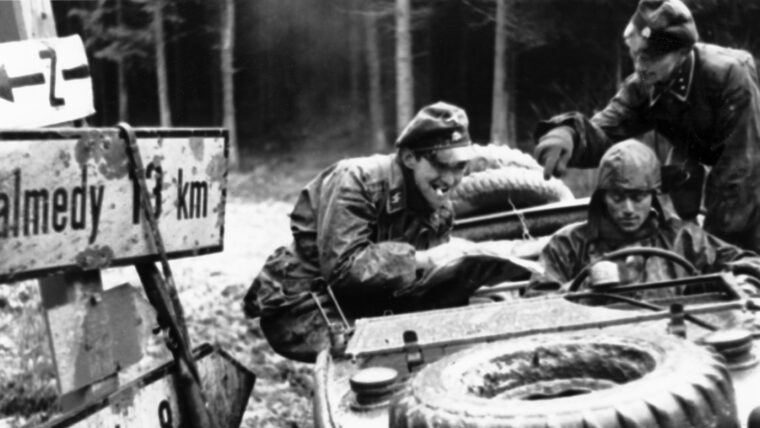
As the Belgian town of La Gleize burned to the ground around him, 29-year-old SS Lt. Col. Read more
WWII
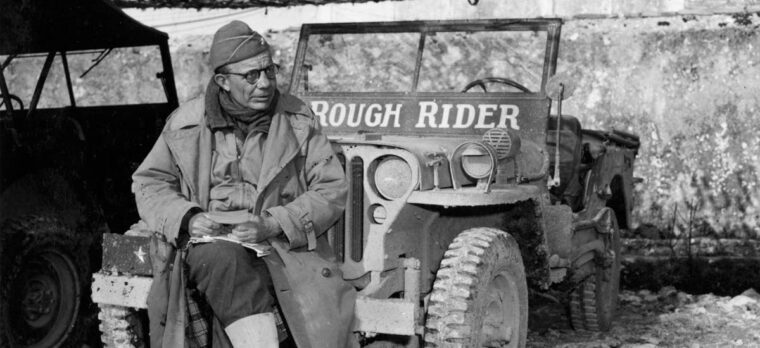
Teddy Roosevelt Junior had enjoyed a distinguished career even before D-Day. He had commanded a battalion in France during the Great War, served as secretary of the Navy from 1921 to 1924, been the governor of Puerto Rico from 1929 to 1932, and been governor-general of the Philippines for a year in the early 1930s. Read more
WWII
By Blaine Taylor
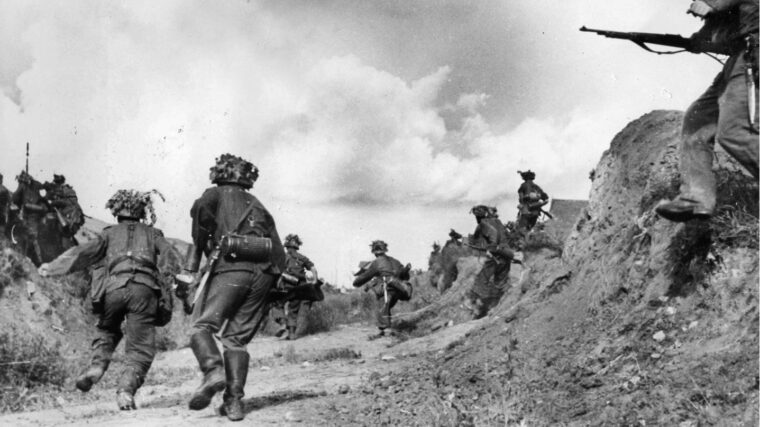
The Russian winter of 1941-1942 hit with terrible ferocity. Battling the deadly, numbing cold as well as the massive numbers of Red Army troops were soldiers from sunny Spain. Read more
WWII
By Dick Camp, Col., USMC, Ret.
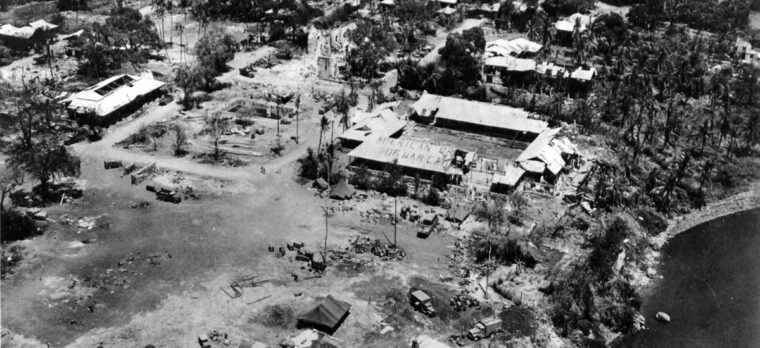
Superior Private Tomisaburo Sawa of the Imperial Japanese Army fixed the bayonet on his Type 99 Arisaka rifle and carefully checked to make sure the weapon was loaded. Read more
WWII
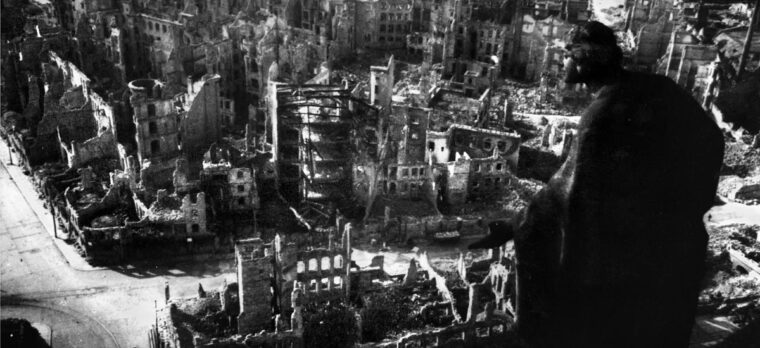
It was February 1945, and the Bombing of Dresden had yet to commence. At this point in the war, the citizens of the capital of the German state of Saxony were beginning to think that they were living a charmed life. Read more
WWII
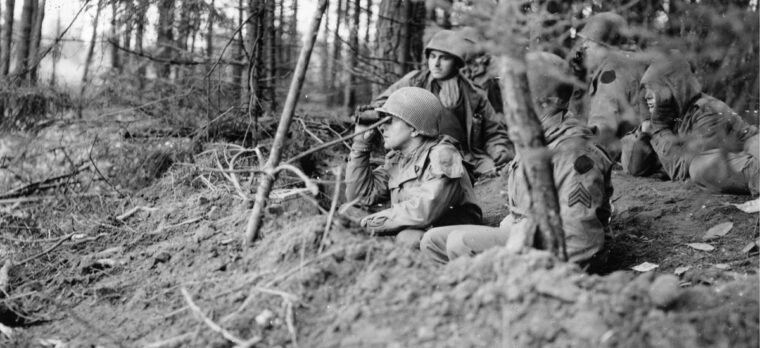
BACKSTORY: Dan Dougherty graduated from Central High School in Austin, Minnesota in June 1943 and was immediately activated from the Army Reserve. Read more