WWII
The M29 Weasel: The WWII Track Vehicle Never Used as Intended
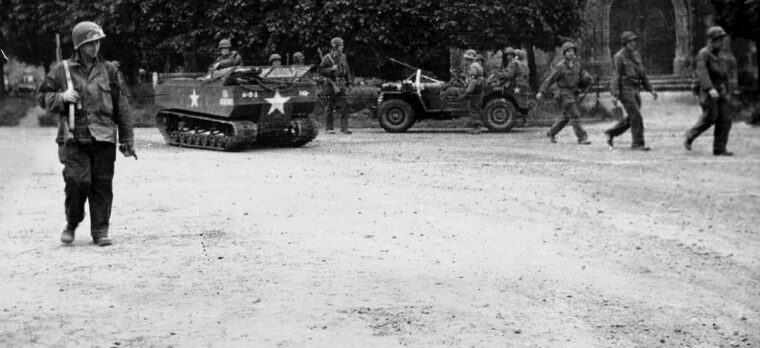
By Bob GordonThe M29 Weasel was a machine conceived by a bizarre British chemist obsessed with ice for a unit that did not exist and a mission that never occurred. Read more
WWII
The M29 Weasel was a machine conceived by a bizarre British chemist obsessed with ice for a unit that did not exist and a mission that never occurred. Read more
WWII
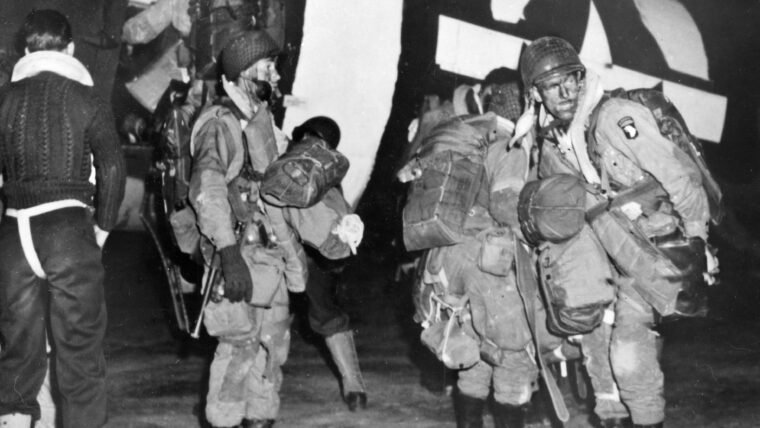
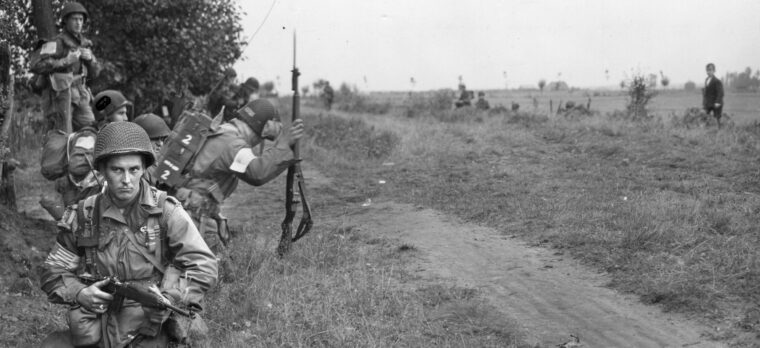
The green light lit up the inside of the Douglas C-47 Skytrain’s fuselage, and 20 paratroopers from Easy Company’s Stick 70, 506th Parachute Infantry Regiment, 101st Airborne Division charged out the door. Read more
WWII
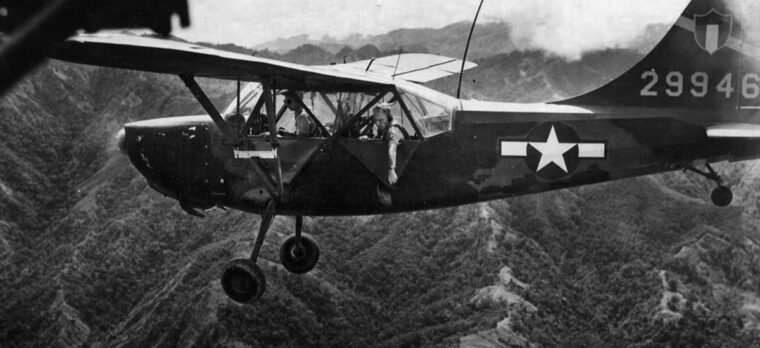
Despite being caught up in the tide of isolationism prevalent duringthe interval between the world wars, the United States Army was lucky enough to have Congressional funding for the further development and expansion of its fledgling air arm, known initially in 1926 as the Army Air Corps and in 1941 renamed the Army Air Forces. Read more
WWII
On April 20, 1945, Adolf Hitler observed his 56th, and last, birthday. There was little to celebrate. The so-called “Thousand Year Reich” was in its death throes after only 12. Read more
WWII
The town of Affile in Italy’s Lazio region erected a mausoleum to Italian Army Marshal Rodolfo Graziani in August 2012. Read more
WWII
As Gene Metcalfe floated down toward the earth in his parachute, the first thing he saw below him was a German soldier walking down a path with girl on his arm. Read more
WWII
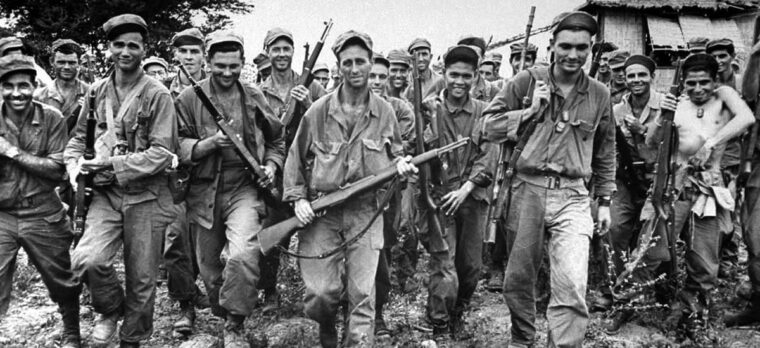
On January 30, 1945, a group of U.S. Army Rangers, Alamo Scouts, and Filipino guerrillas set out on a daring nighttime raid on Cabanatuan POW camp in the Philippines. Read more
WWII
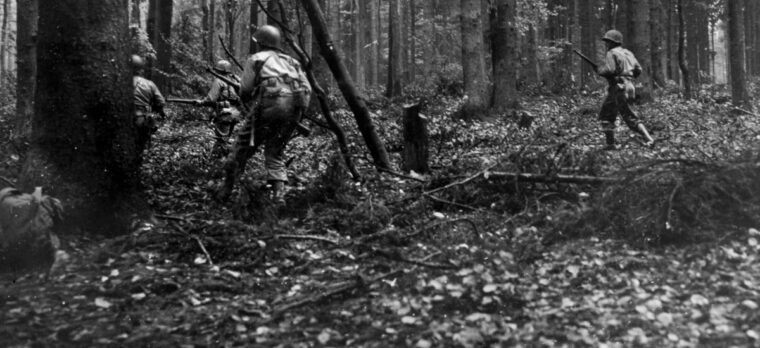
Gray skies hung low and a steady drizzle dripped through the tall, dense fir trees near the German-Belgian border on the morning of Thursday, November 16, 1944, during the Battle of Hürtgen Forest. Read more
WWII
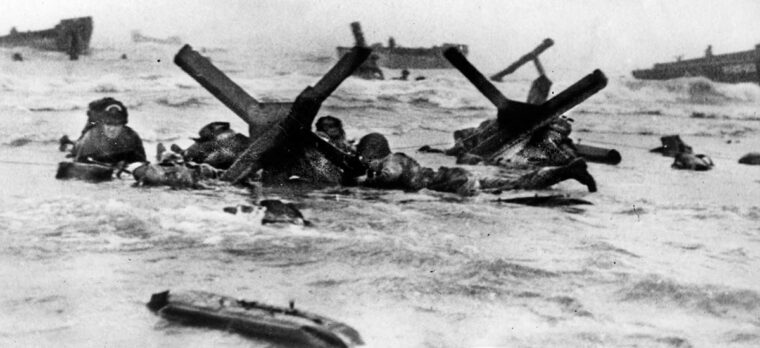
As their landing craft plunged through heavy surf on the morning of June 6, 1944, it was obvious to the men of Company A, 116th Infantry Regiment, U.S. Read more
WWII
It was a dismal day, Sunday, December 17, 1944, just hours after the Germans had broken through the thinly held American lines in the Ardennes Forest along rugged terrain of the Western Front. Read more
WWII
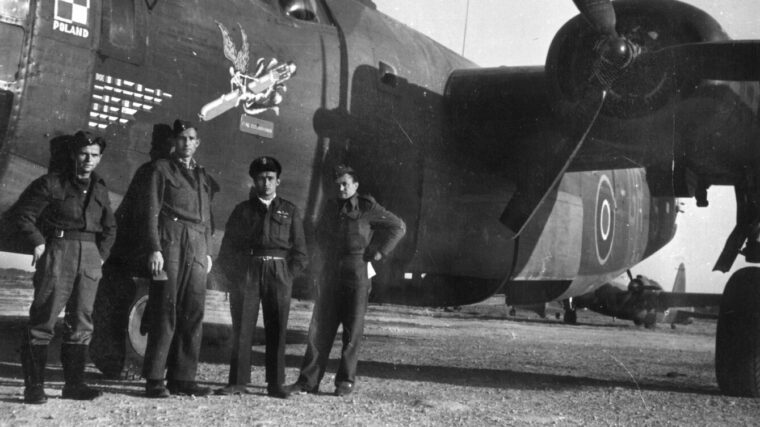
Warsaw was burning. Captain Jack Van Eyssen first saw it as a dull glow on the night horizon, 35 miles distant. Read more
WWII
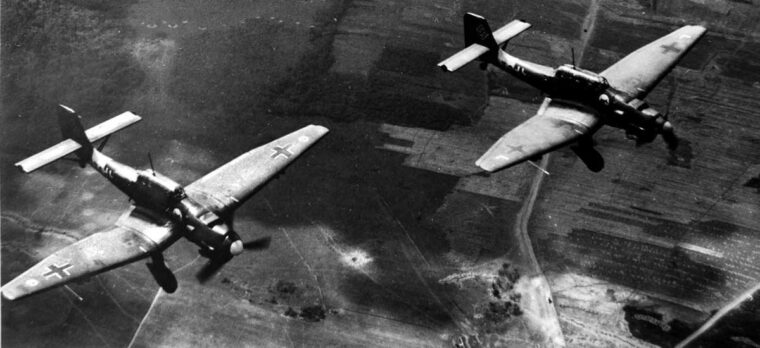
One of the deadliest and most effective airplanes of the Axis powers, the Junkers Ju-87 Stuka, owed its origin to a fearless World War I ace and, ironically, to innovative American aviation visionaries in the peaceful early 1930s. Read more
WWII
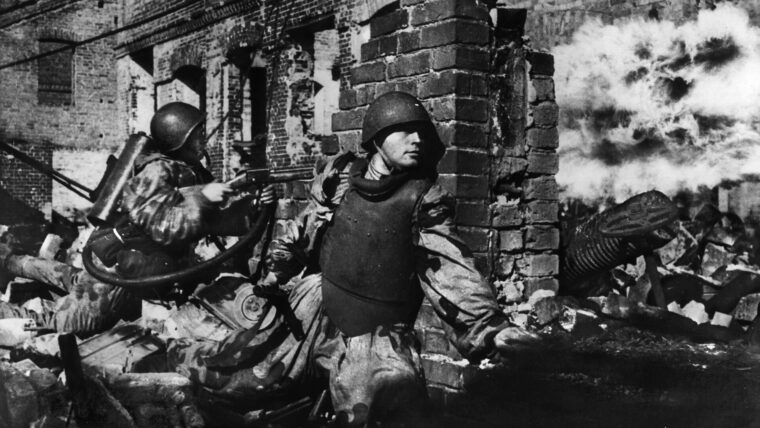
“We felt that we were already dead men,” wrote former Captain Albrecht Wüstenhagen in a May 1988 letter to the author of his time in the fortress garrison of Küstrin. Read more
WWII
December 1941 was a dark month and the end of a dark year for the Soviets as the Germans pressed ever onward toward Moscow, the lair where Joseph Stalin and his minions plotted what to do next against the Nazi juggernaut that had, in a few short months, rolled over everything before them. Read more
WWII
The three Soviet T-34 tanks edged forward slowly as the drivers scanned for the concealed Germans that lay ahead. Read more
WWII
“Move out!” shouted Lieutenant Richard “Dick” Winters to the men of Easy Company. It was 6 o’clock on the morning of June 12, 1944, and Easy Company’s paratroopers braced themselves to attack the southern section of Carentan. Read more
WWII
By Nathan N. Prefer
To the Soviet military, it is known as the Manchurian Strategic Offensive Operation. Although it had no official name to the Japanese, it has become known in the West as Operation August Storm. Read more
WWII
BACKSTORY: Although for the past 75 years history has had little to say about “Bally’s Project,” an effort to falsify State Department records to remove evidence of gross miscalculations prior to the attack on Pearl Harbor—the author recently discovered a small file of documents in the Frank A. Read more
WWII
By Glenn Barnett
As war clouds gathered over the vast Pacific Ocean in the late 1930s, the United States belatedly began to think of protecting the nation’s possessions of far-flung islands and atolls. Read more
WWII
“Oui.” It was one of the few words 101st Airborne paratrooper Norwood Thomas knew in French, and it served him well on the morning of June 6, 1944. Read more