WWII
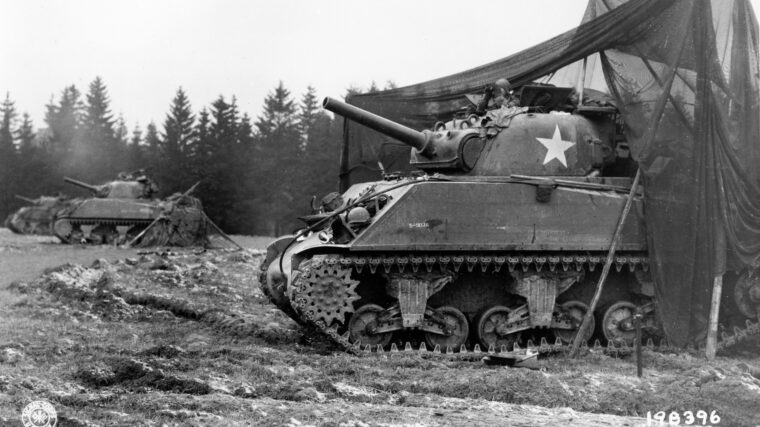
Assault Gun Tanker
By Kevin M. HymelThe German push west came to a violent end.
On December 19, 1944, the Panther and King Tiger tanks of SS Lt. Read more

WWII
The German push west came to a violent end.
On December 19, 1944, the Panther and King Tiger tanks of SS Lt. Read more
WWII
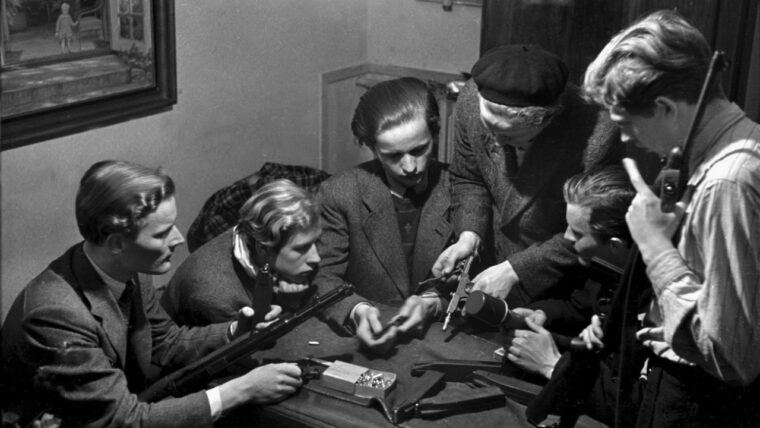
With war comes untold stories of unbroken spirits. These are universal stories without bounds and sides, some of which remain buried deep in psyches. Read more
WWII
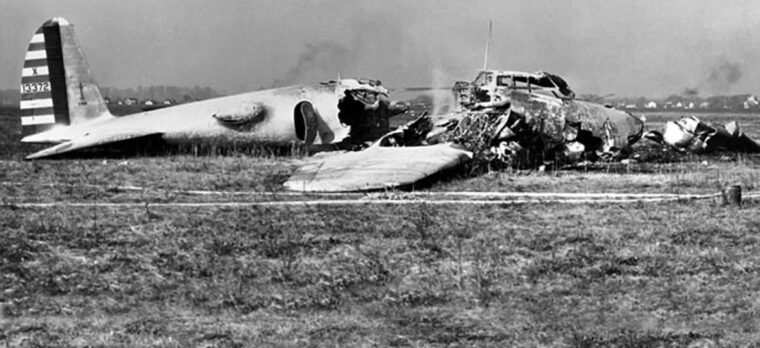
It was Christmas Day, 1944. A U.S. Navy C-47 Skytrain with five men aboard was en route from Naval Air Station, Olathe, Kansas, to Columbus, Ohio. Read more
WWII
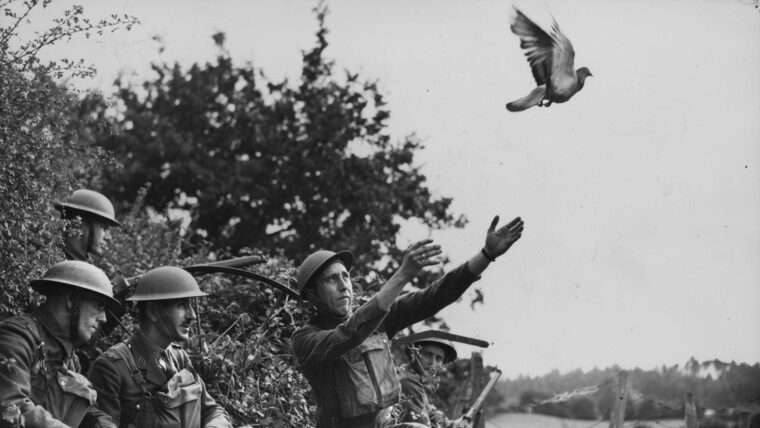
Battlefield communications are often a matter of life and death to individual soldiers and serve to determine not only the outcome of battles but entire wars. Read more
WWII
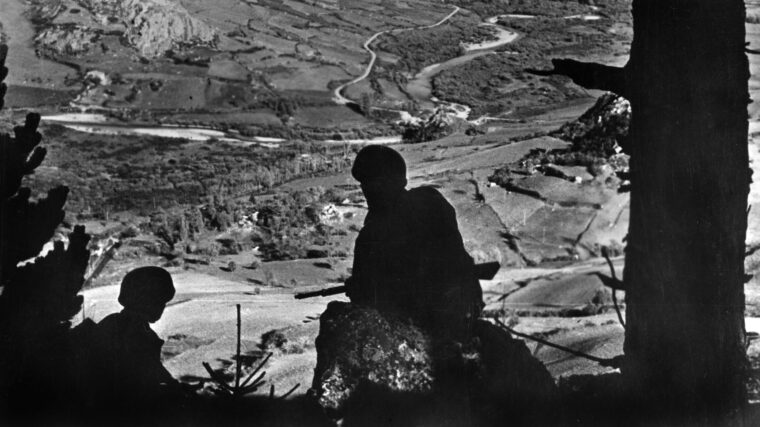
Lt. Gen. Mark Clark’s Fifth Army, comprising the U.S. VI and British X Corps, headed north from the Salerno battlefield in September 1943, German Field Marshal Albert Kesselring, commander of Army Group C in southern Italy, implemented new defensive tactics and fortifications. Read more
WWII
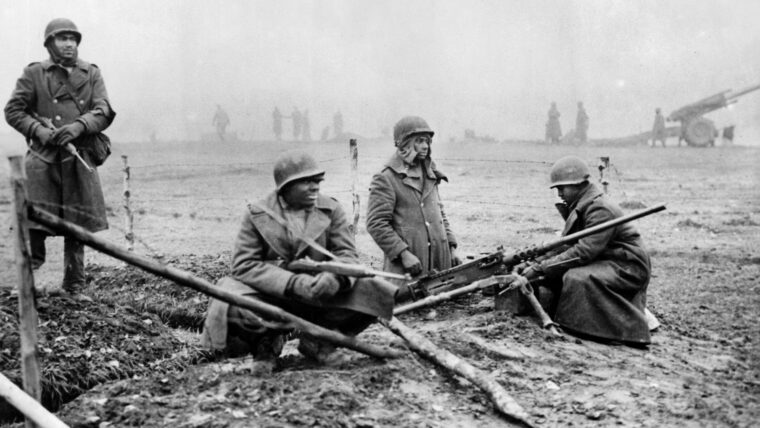
In the winter of 1944-1945, within Belgium’s Ardennes Forest, better known as the launching pad of the Battle of the Bulge, two war crimes were committed. Read more
WWII
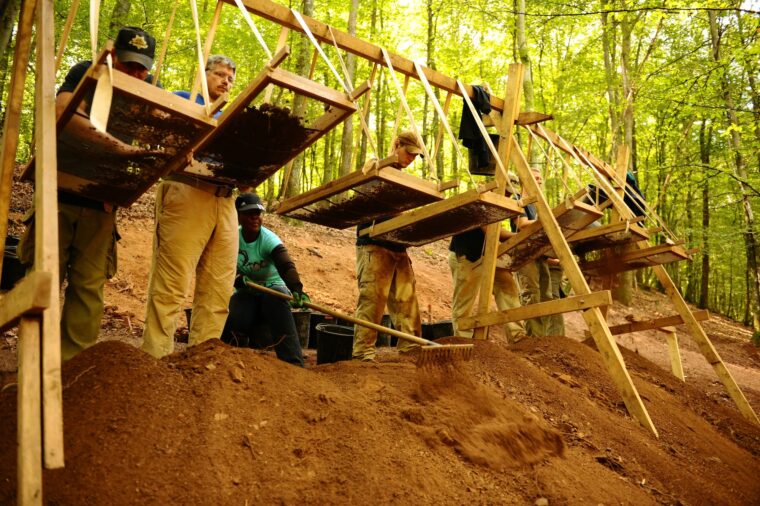
Recently, I saw an article about American MIAs—those service members who went “missing in action” during World War II—and, frankly, was taken aback. Read more
WWII
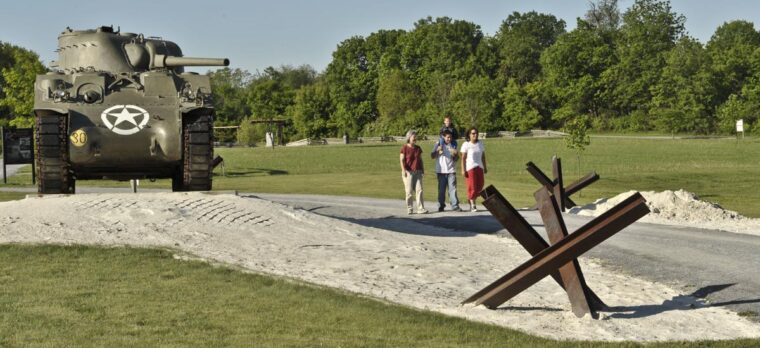
In the heart of Pennsylvania, not far from the Civil War battlefields of Gettysburg, stands the U.S. Read more
WWII
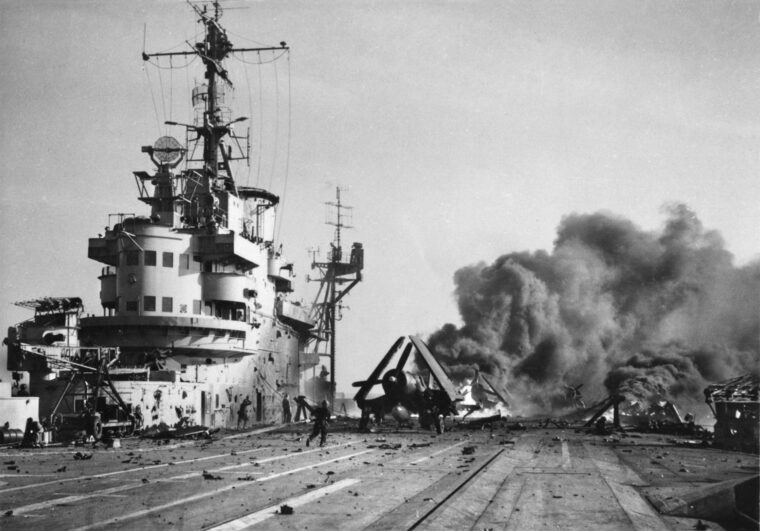
British naval operations in the Far East in World War II started badly and went downhill from there. Read more
WWII
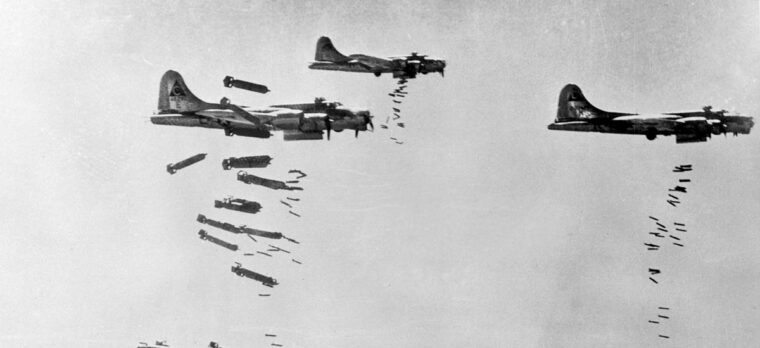
“Our mission was Berlin. We flew in that dreaded position—last and lowest in the squadron.”
Archie Mathosian, B-17 Radio Operator, A/C #521 (Skyway Chariot), 100th Bomb Group (H), USAAF
“Last and lowest in the squadron.”These Read more
WWII
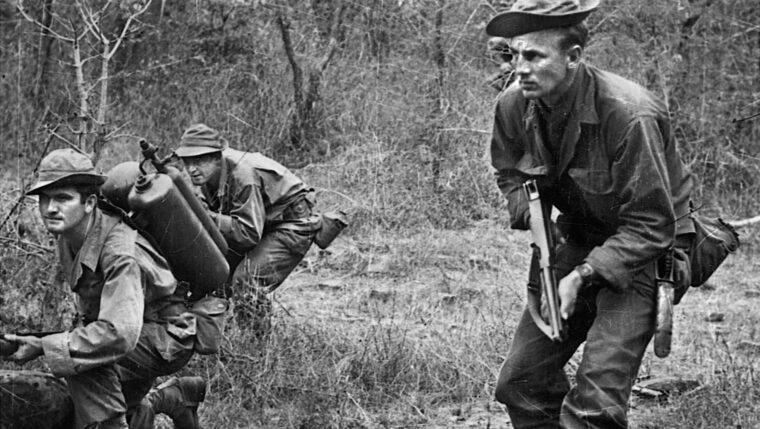
Special operations soldiers have existed since armed forces were first organized. Arguably, the hand-picked Greek warriors concealed inside the Trojan horse outside the gates of Troy 3,000 years ago were the first “special ops” troops. Read more
WWII
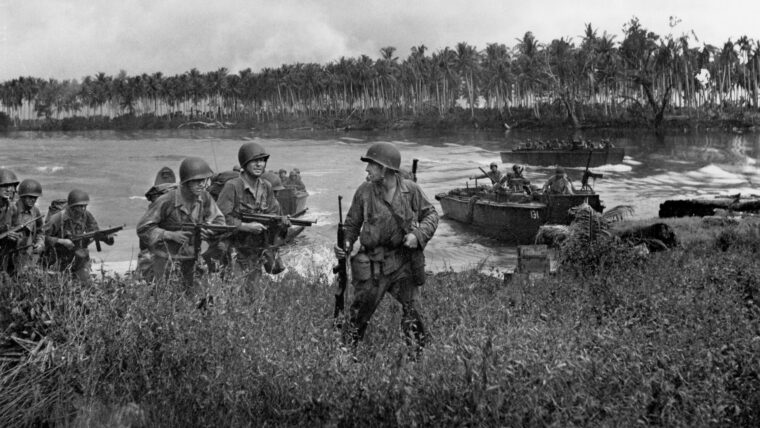
An air strike intended to cover the landing of 1st Lt. John McGowan’s team of six Alamo Scouts was late. Read more
WWII
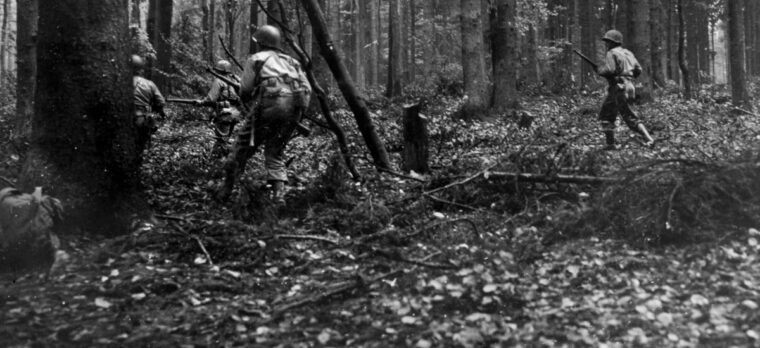
At first, no one cared much about the forest. The objective of the First U.S. Army was the Siegfried Line, the much vaunted defensive line that protected Germany from invasion from the west. Read more
WWII
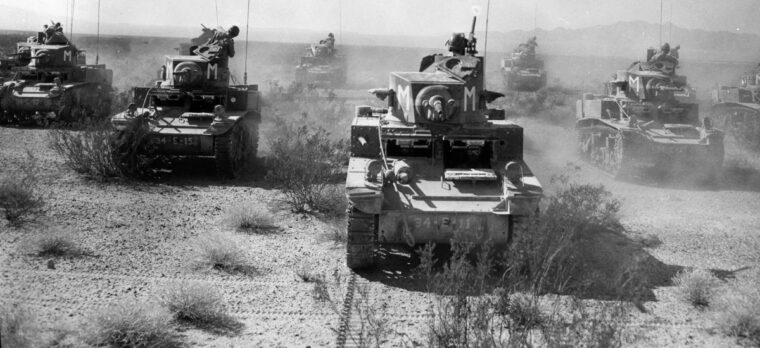
Major General George S. Patton, Jr. had no patience for soldiers disobeying the rules of combat at his Desert Training Center in Southern California. Read more
WWII
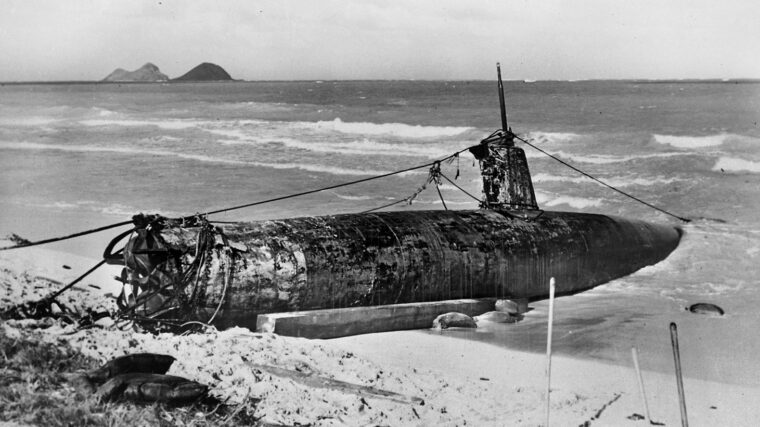
The year 1942 was one of crisis for the Allied cause in the Pacific. Until May, almost everything had gone in favor of Imperial Japan. Read more
WWII
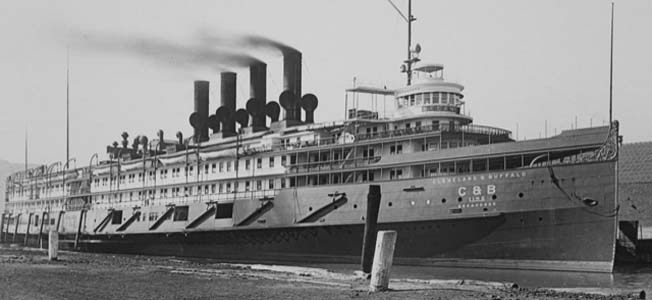
In August 1942, the U.S. Navy acquired the 1913 USS Seeandbee (using the initials of its parent company, the Cleveland and Buffalo Transit Company), the world’s largest side-wheel passenger steamer, and began converting it into a training carrier. Read more
WWII
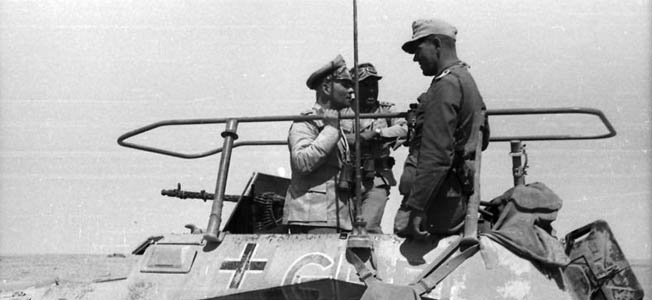
By the time of the Crusader battles in late 1941, the German panzer forces in North Africa had developed a sophisticated combined-arms doctrine. Read more
WWII
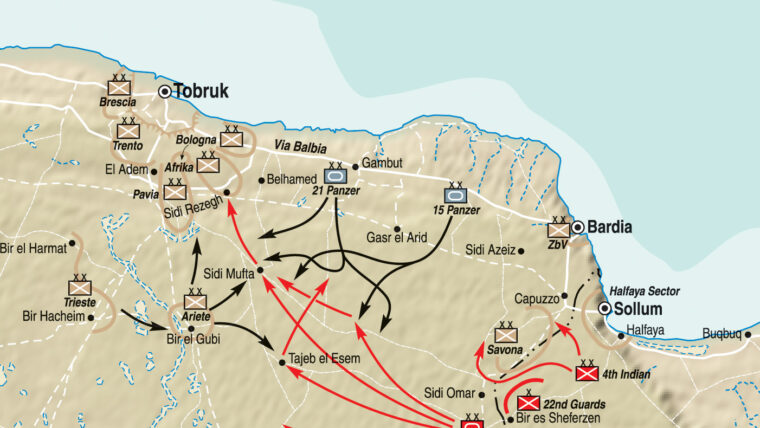
On the evening of Saturday November 22, Lieutenant Robert Crisp of the 4th Armored Brigade came upon the airfield at Sidi Rezegh. Read more
WWII
By Mark Simmons
“U-64 was seen on the surface at the top of Herjansfjord near Bjrekvik. I selected the two anti-submarine bombs and put the Swordfish in a dive and released the bombs at 200 feet. Read more
WWII
After refueling in the mid-Atlantic and suffering bow damage from being rammed by a tanker, a 769-ton Nazi U-Boat reached its destination, the American East Coast, early on Monday, May 4, 1942. Read more