WWII
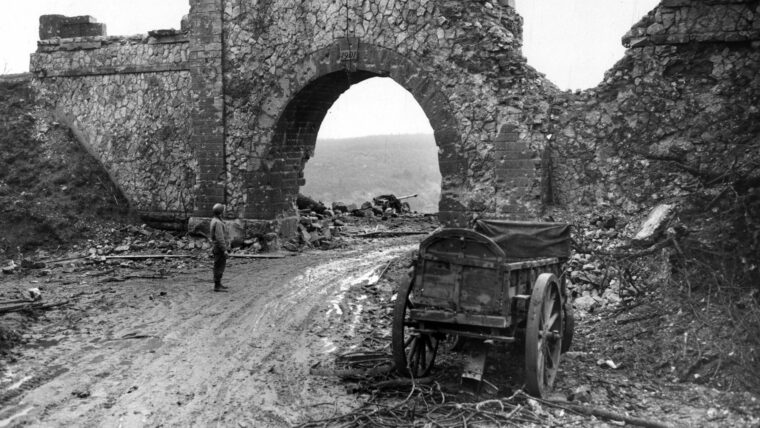
Patton’s Lost Battle
By Duane E. ShafferThe road to Fort Driant began for the United States Third Army when it landed on Utah Beach at 3 pm on August 5, 1944. Read more

WWII
The road to Fort Driant began for the United States Third Army when it landed on Utah Beach at 3 pm on August 5, 1944. Read more
WWII
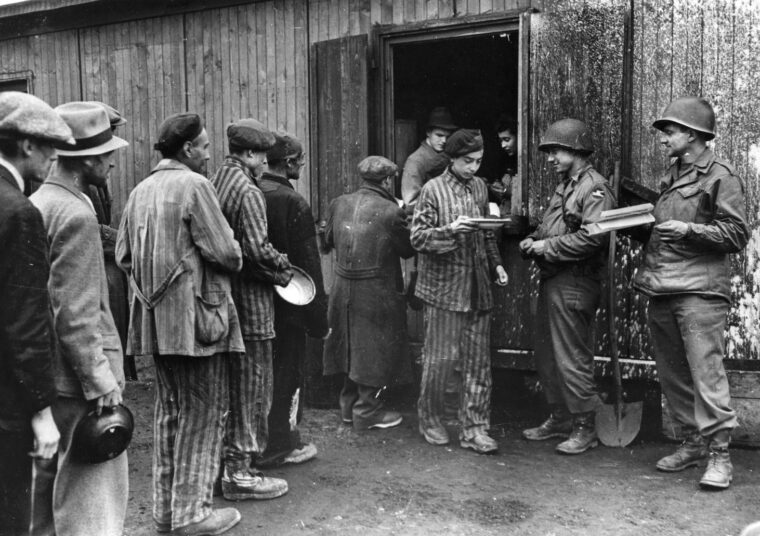
In November 1944, a young American soldier wrote back to his parents in the Washington Heights neighborhood of Manhattan. Read more
WWII
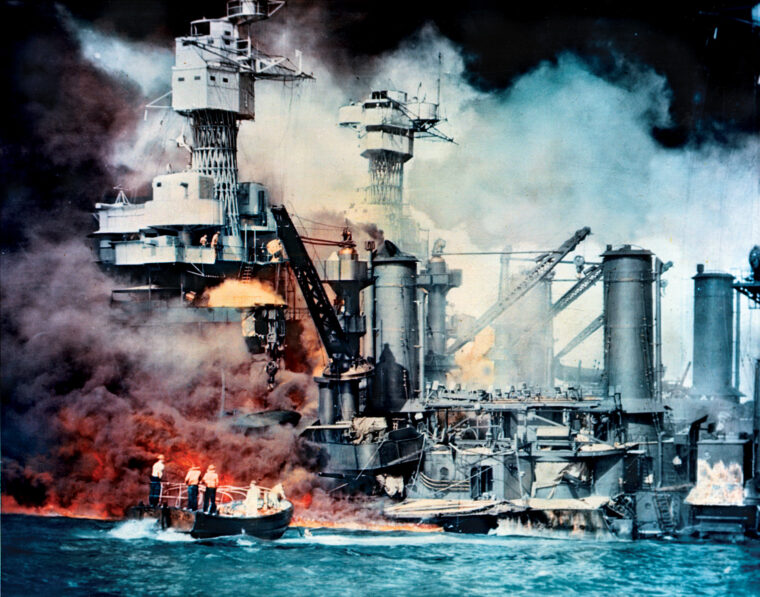
Because it was such a long and cataclysmic event, World War II still resonates with so many of us. Read more
WWII
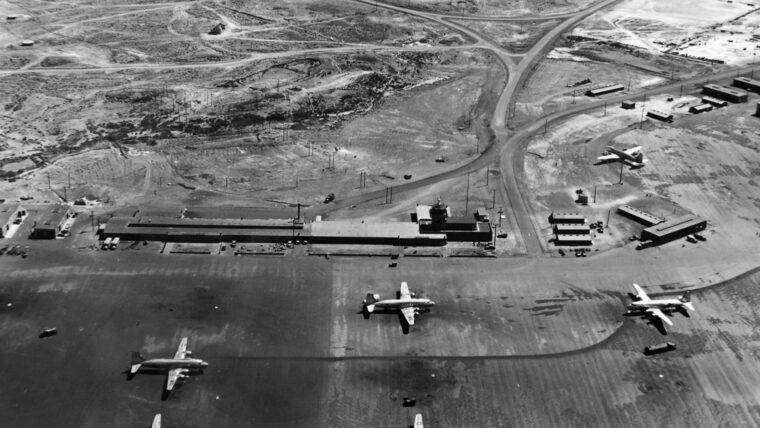
A generally overlooked factor of World War II has been the influence, sometimes highly significant, of nations that remained neutral. Read more
WWII
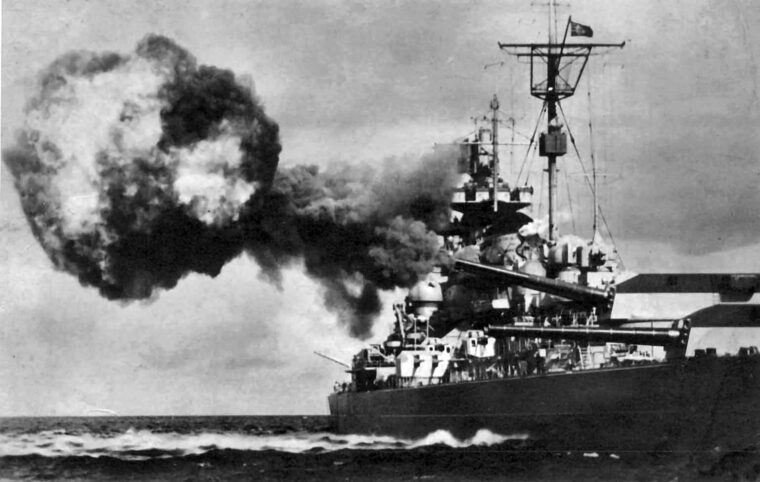
April 1, 1939, was a red-letter day in the history of the reborn German Kriegsmarine for two key reasons. Read more
WWII
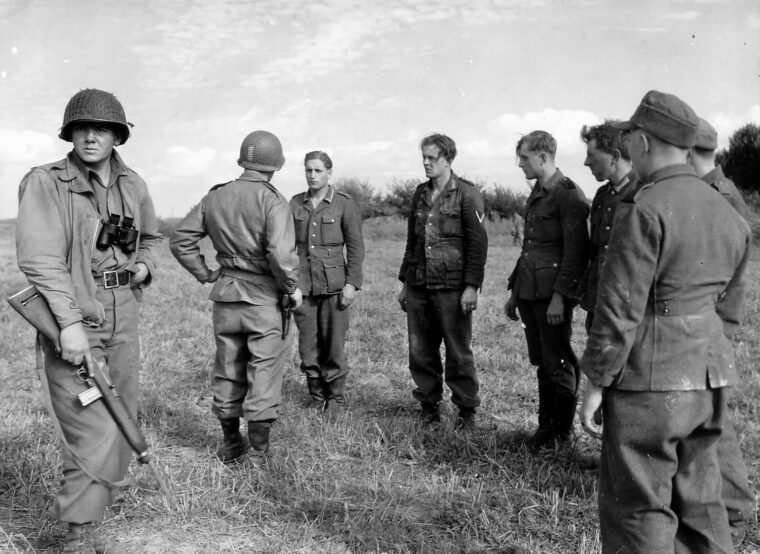
Stephan H. Lewy was young, militarily inexperienced, and A Most unlikely American soldier. Yet when he reached Utah Beach 30 days after D-Day, he was all business as a staff sergeant in U.S. Read more
WWII
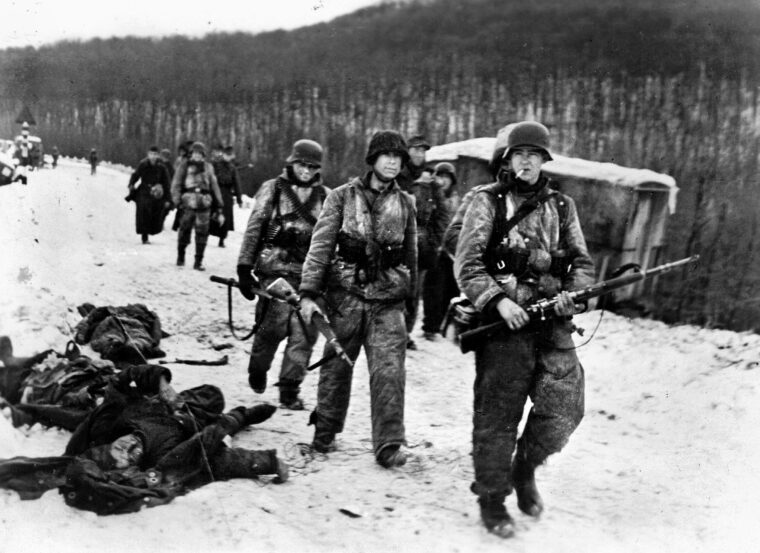
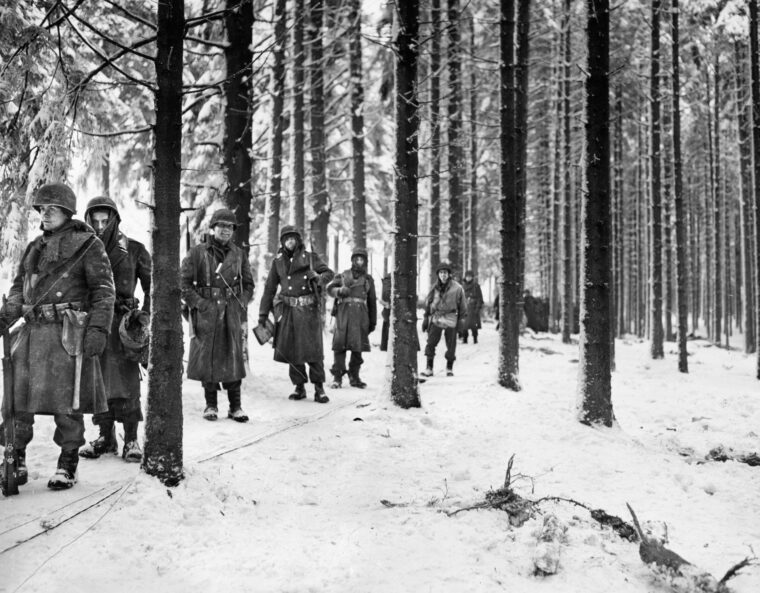
The winter of 1944-45 saw Nazi Germany in a grim position. The Allies were well established in Europe and advancing quickly. Read more
WWII
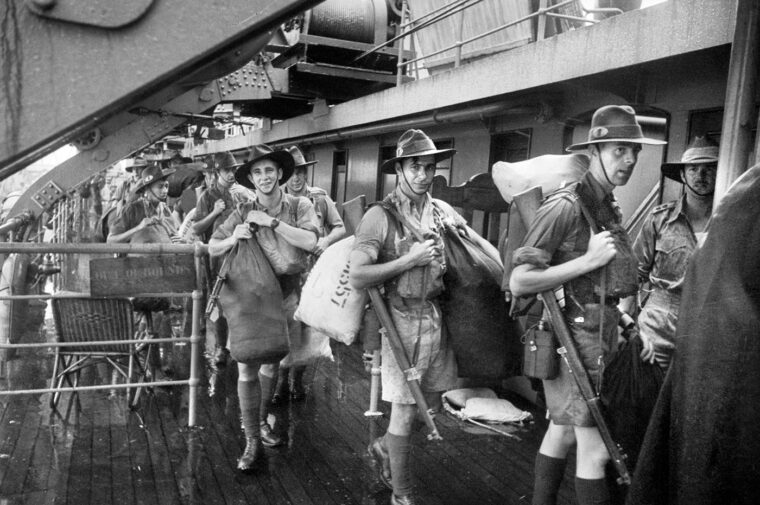
Today, Bukit Timah, meaning “Tin Hill” in Malay, is a residential and business neighborhood in the center of the island of Singapore approximately seven and one-half miles northwest of Singapore City. Read more
WWII
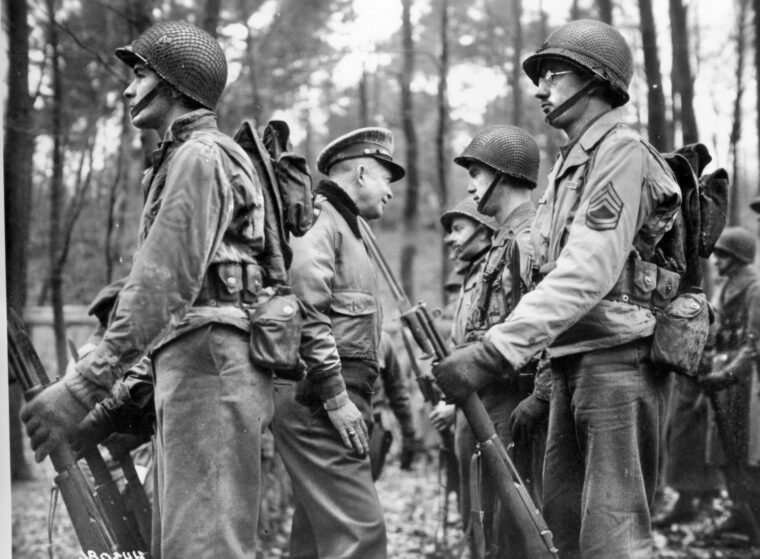
General Dwight D. Eisenhower enjoyed visiting troops in the field. After the Battle of Normandy and the race across France, the Supreme Allied Commander toured the front in mid-November, 1944. Read more
WWII
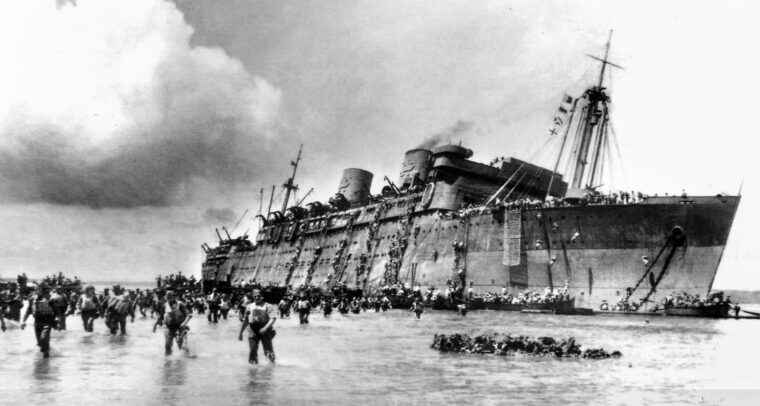
Ensign Doran S. Weinstein, a U.S. Navy communications officer, stationed himself outside the bridge of a troop transport named SS President Coolidge as it approached the South Pacific island of Espiritu Santo on Monday morning, October 26, 1942. Read more
WWII
On March 2, 1933, only a few weeks after the inauguration of Franklin D. Roosevelt as President of the United States, the most spectacular event in the entertainment world premiered in New York. Read more
WWII
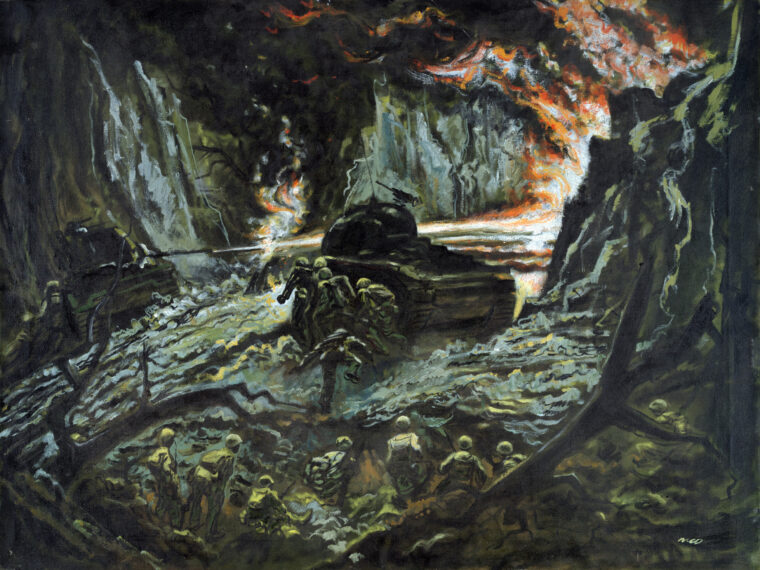
It was a bold prediction. “Rough but fast … We’ll be through in three days. It might only take two.” Read more
WWII
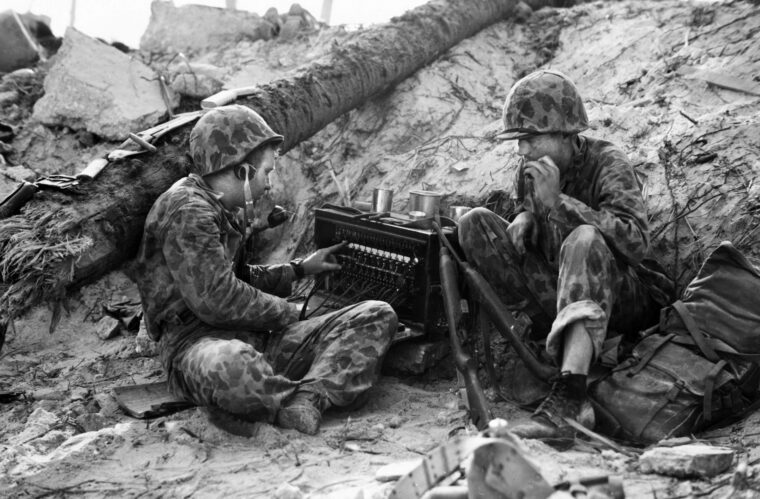
At dawn on November 20, 1943, U.S. Marines unleashed their first amphibious attack in the Central Pacific Theater. Read more
WWII
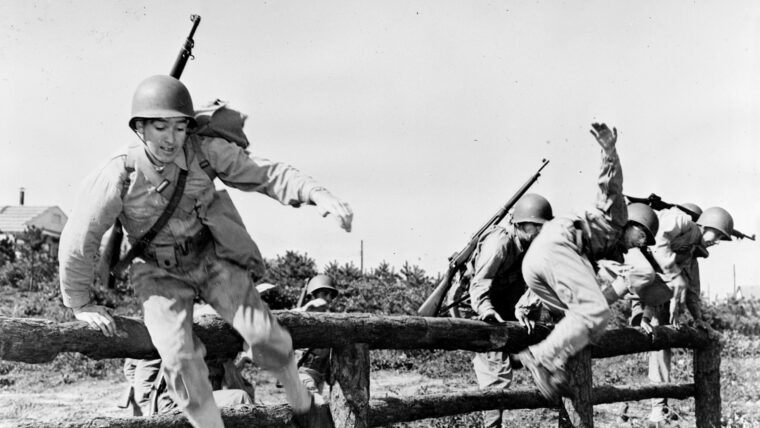
Winston Churchill described the U.S. Army during the war years as a “prodigy of organization … an achievement which soldiers of every other country will always study with admiration and envy.” Read more
WWII
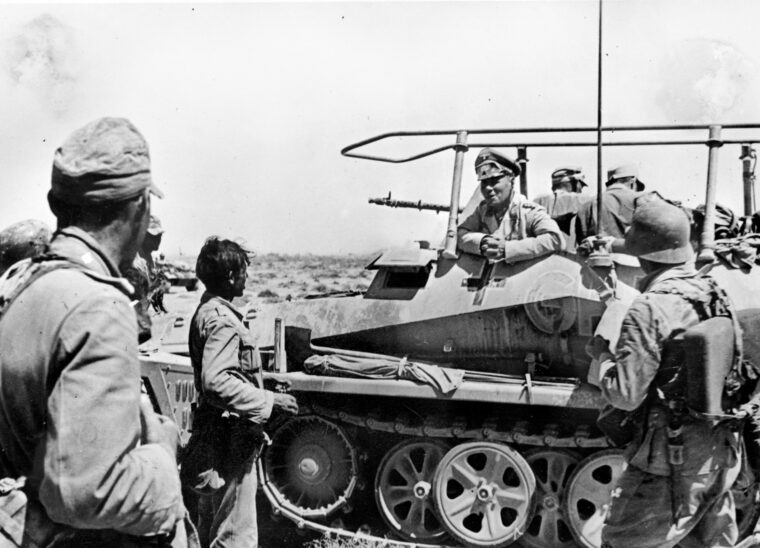
Generaloberst Erwin Rommel, commander of the Panzerarmee Afrika, was in his element, riding in an armored car at top speed through the desiccated plains of the Libyan desert. Read more
WWII
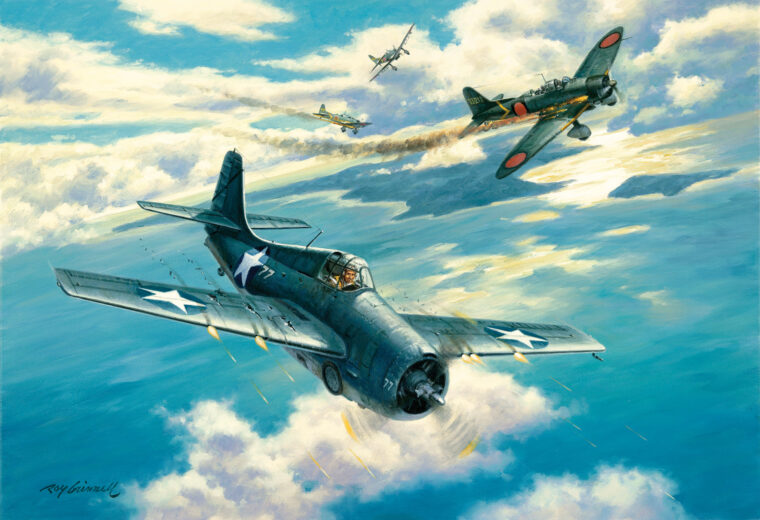
As Jim Swett guided his Grumman F4F Wildcat fighter to a landing at Henderson Field on Guadalcanal, he looked forward to getting some rest. Read more
WWII
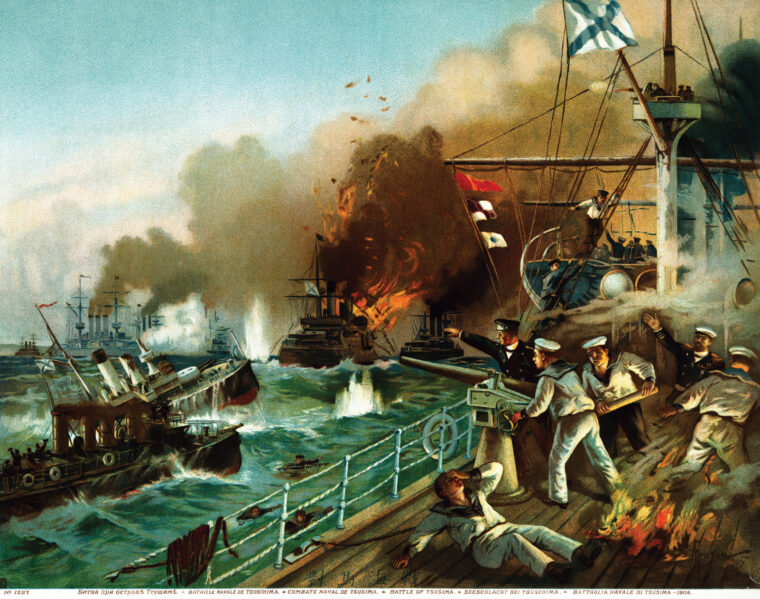
For many Americans in late 1941 and early 1942, he was the most hated—and feared—man in the world. Read more
WWII
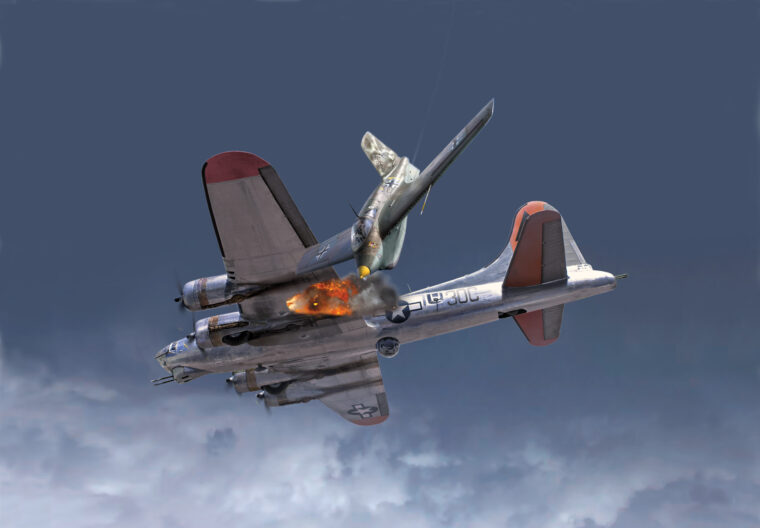
The Germans called it the “Komet” and the “Devil’s Broomstick,” for the incredible speed with which it reached its altitude of 30,000 feet, achieving 0.84 Mach while doing so. Read more
WWII
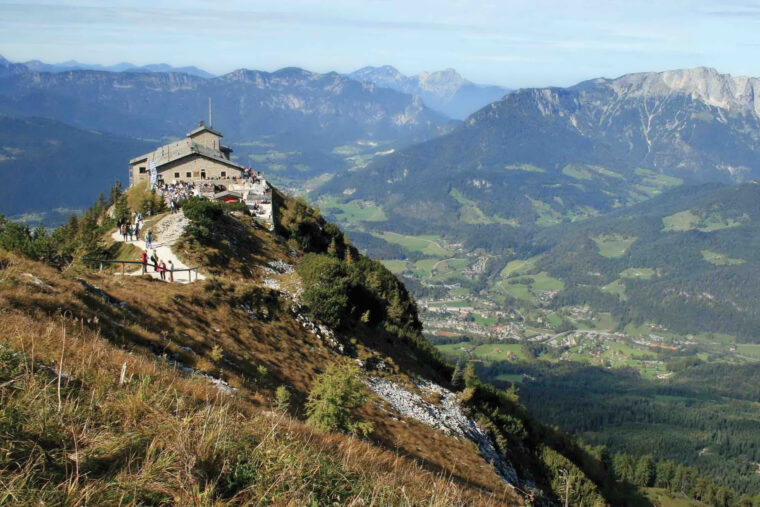
When a friend from Wolsey, South Dakota, asked Alven Baker why he was joining the army in 1941 and not another branch of the service, he replied, “To capture Adolf Hitler.” Read more
WWII
Staff Sergeant Darrell Bush had just carried a wounded soldier on his back to the rear when five enemy bullets seemed to hit him simultaneously. Read more