WWII
Stalling Hitler’s Panzers at Mortain
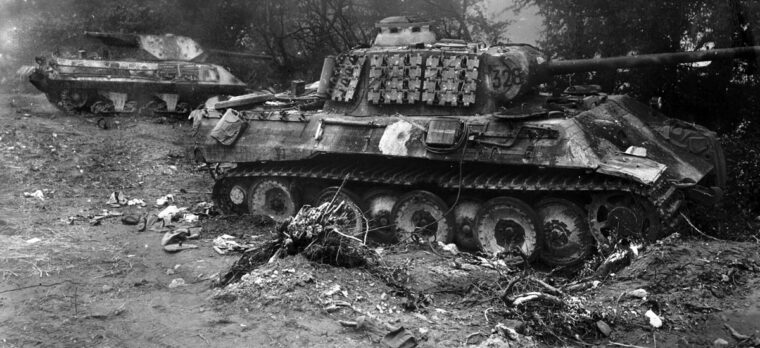
By Kevin M. HymelA column of German Mark V Panther tanks advanced through a thick fog north of the French town of Mortain, blindly firing their machine guns. Read more
WWII
A column of German Mark V Panther tanks advanced through a thick fog north of the French town of Mortain, blindly firing their machine guns. Read more
WWII
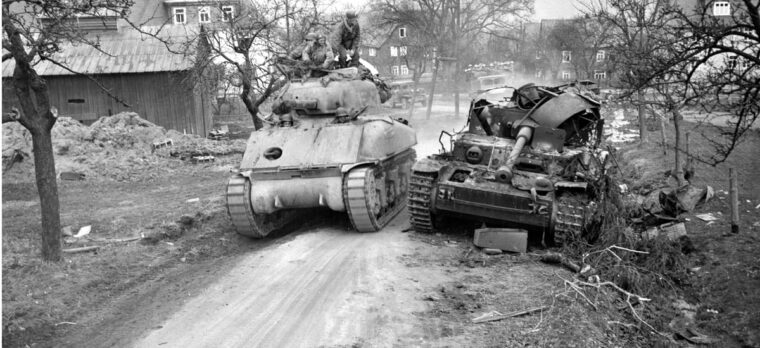
After leading his U.S. 3rd Armored “Spearhead” Division on the longest, one-day, enemy-opposed mechanized advance in American history, Maj. Read more
WWII
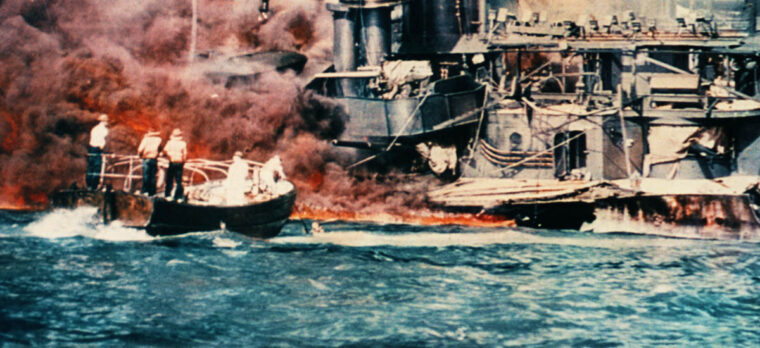
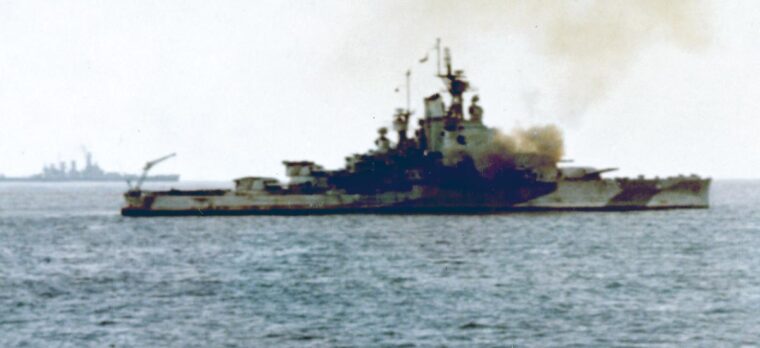
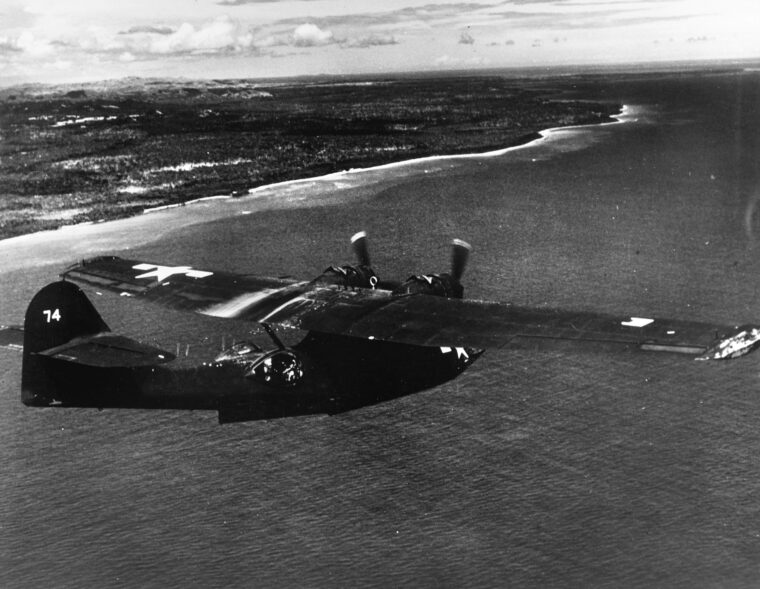
During the dark daysof December 1941, when it seemed as if American and British bases were falling like dominoes across the Pacific, two incidents during the Japanese attack on the naval base at Pearl Harbor gave American morale a much needed boost. Read more
WWII
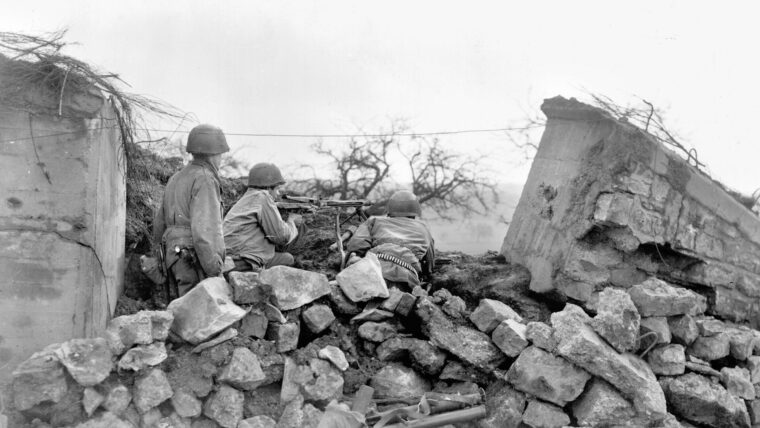
Private Armand Lorenzi and his fellow soldiers were advancing through a snowy German forest when enemy machine guns opened fire. Read more
WWII
By Richard Z. Freemann, Jr.
“War is mainly a catalogue of blunders.”
—Winston Churchill (1950)
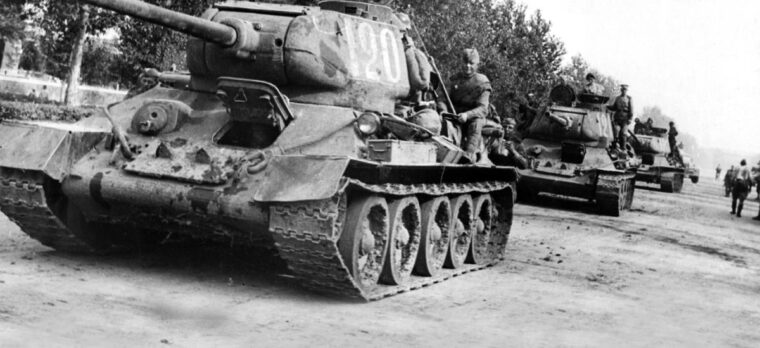
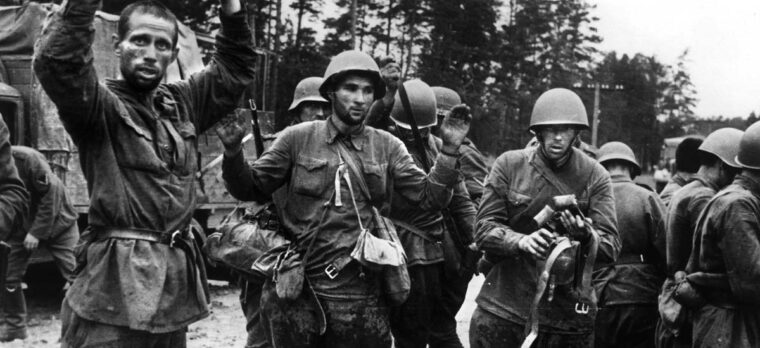
On Sunday, June 22, 1941, as the sun slumbered, 3.6 million soldiers, 2,000 warplane pilots, and 3,350 tank commanders under skilled German command crouched at the border of Soviet-occupied Poland ready to invade the Communist nation Joseph Stalin had ruled with steel-fisted brutality for years. Read more
WWII
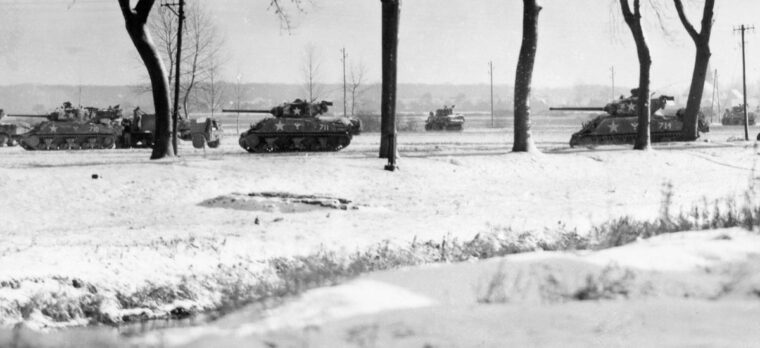
The American light tanks, bringing up much needed supplies, were in column as they began to take fire. Read more
WWII
Even after the Battle of Midway in June 1942, the Japanese were still in a commanding position in the western Pacific. Read more
WWII
By Arnold Blumberg
During World War II, after the Royal Navy’s traumatic departure from the Pacific Ocean in early 1942, the 4th Submarine Flotilla and its depot ship, the HMS Adamant, operated with the Eastern Fleet based at Trincomalee––a large, natural harbor located on the coast of Sri Lanka in the heart of the Indian Ocean. Read more
WWII
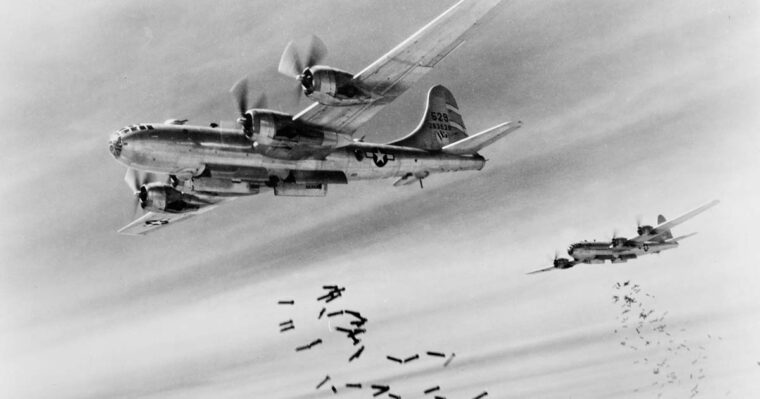
The Boeing B-29 Superfortress was a game changer. First rolling off the assembly line as a production aircraft in July 1943, the Superfortress was the answer to America’s need for a high-level long-range strategic bomber. Read more
WWII
The five Americans were trapped in a small, dark, empty wine cellar in an isolated French villa on the coast of Algiers. Read more
WWII
By April 1944, American and Australian troops were moving westward along the northern edge of New Guinea, reclaiming territory taken by the Japanese in early 1942. Read more
WWII
By Elmer Wisherd with Nan Wisherd
Elmer Wisherd was born on December 1, 1920, in North Dakota. Shortly thereafter, his family moved to a farm in Bruce, Wisconsin. Read more
WWII
By Kevin M. Hymel
It was December 19, 1944, one day before the Siege of Bastogne. Shortly after 10:30 am, 26-year-old Major William Desobry picked up his field telephone, called his combat commander, Colonel William Roberts, and asked if he could withdraw from the Belgian village of Noville. Read more
WWII
“Awe c’mon, Mom,” Cecil Petty told his emotional mother before leaving Homer, Illinois, in February 1941. “Who knows, I might be a hero.” Read more
WWII
By William F. Floyd, Jr.
Late in the day on October 24, 1944, all of the available 39 patrol torpedo (PT) boats of the U.S. Read more
WWII
While American troops slugged it out with the Japanese on the Philippine island of Leyte, one of the greatest battles in the history of naval warfare raged far and wide in the surrounding waters. Read more
WWII
The troops of Germany’s Army Group Center were more than a week into a fresh offensive to capture Moscow on July 14 when they approached the historic battlefield of Borodino where the Russians delayed Napoleon’s advance on Moscow in 1812. Read more
WWII
Along with three comrades, one of the Marine Corps heroes is still remembered in the small town of Centron in southeastern France. Read more
WWII
Unlike bomber crews that went home if they survived a designated number of missions, World War II fighter pilots like Lieutenant Jim Carl, 354th Fighter Group, United States Army Air Forces (USAAF), flew until the war ended, they got shot down over enemy territory and were captured, or they died. Read more
WWII
January 1945—with World War II in its sixth year—found the Allied armies going on the offensive after the Battle of the Bulge, but they were still west of the Rhine and six weeks behind schedule in their advance toward Germany. Read more