WWII
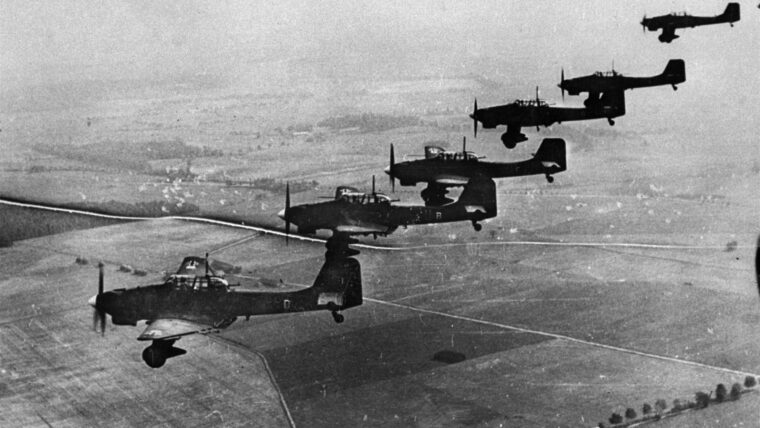
Nazi Stuka Ace Hans Rudel
By Ludwig Heinrich DyckIn the village of Seiferdau, Southern Prussia, an eight-year-old boy with an umbrella jumped out of a second-story window. Read more

WWII
In the village of Seiferdau, Southern Prussia, an eight-year-old boy with an umbrella jumped out of a second-story window. Read more
WWII
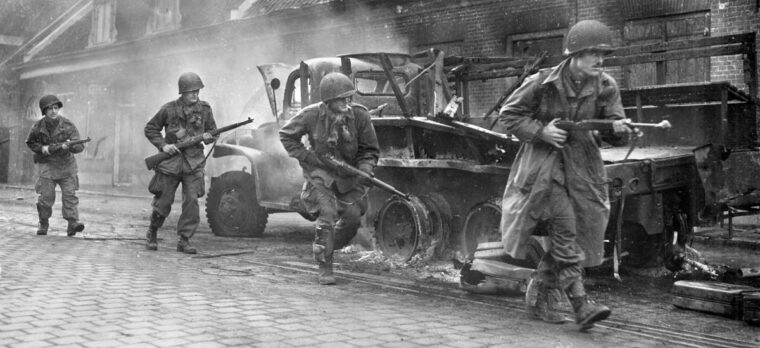
With his troops in a bitter fight with German forces in northern France in the late summer of 1944, General Omar Bradley, commander of the Allied 12th Army Group, could not believe his ears. Read more
WWII
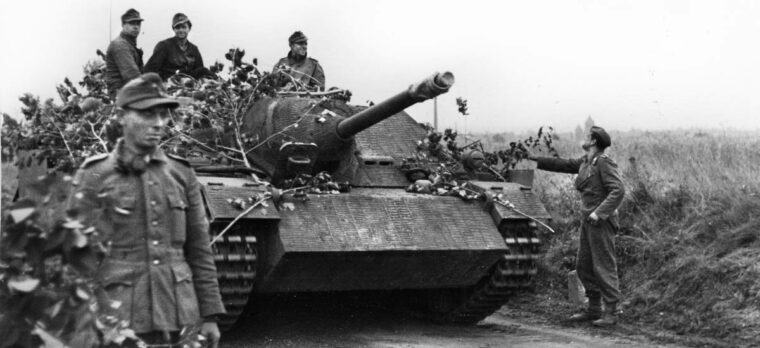
For once, the ULTRA message came late. Normally, the decoding machines and hard-working British cryptographers at Bletchley Park had an abundance of German Army messages to go through, but in the first days in August 1944, the German panzer divisions had gone to radio silence, which suggested they were going to attack, but not in which direction. Read more
WWII
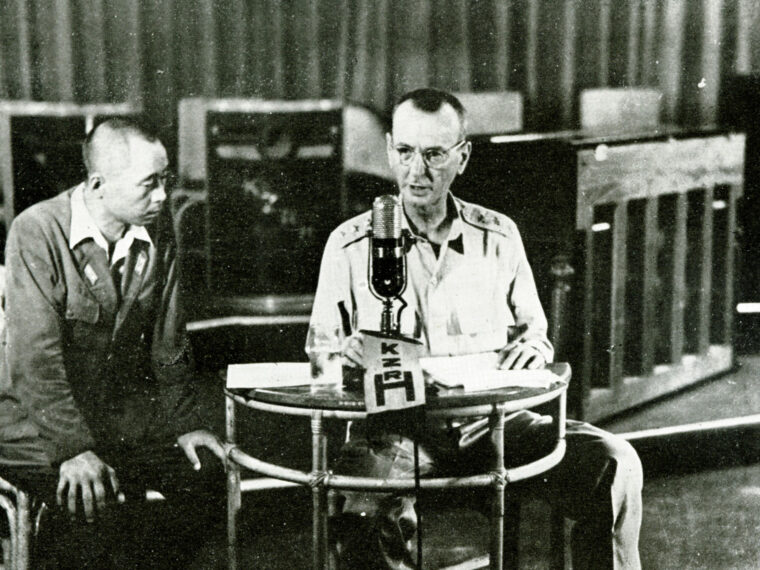
Amid the great assembly of senior Allied officers who stood by while the representatives of the Japanese government and those of the victors of World War II in the Pacific signed the instrument of surrender aboard the battleship USS Missouri on September 2, 1945, in Tokyo Bay, two of the most unlikely attendees waited solemnly to step forward. Read more
WWII
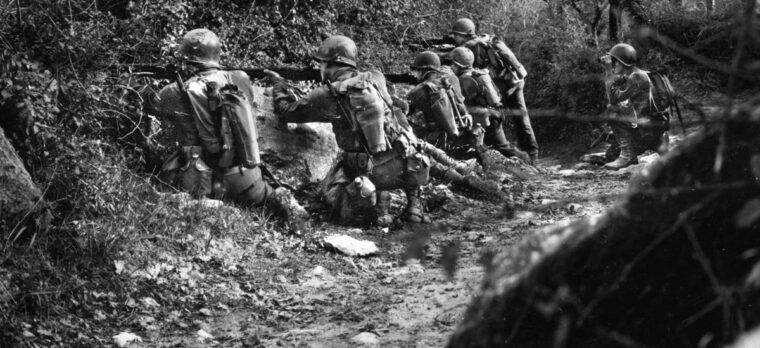
On the morning of Friday, February 18, 1944, fresh groups of German panzergrenadiers backed by tanks swept south from their defensive positions at Anzio and overran American forward positions at Aprilia, eight miles north of the landing beaches. Read more
WWII
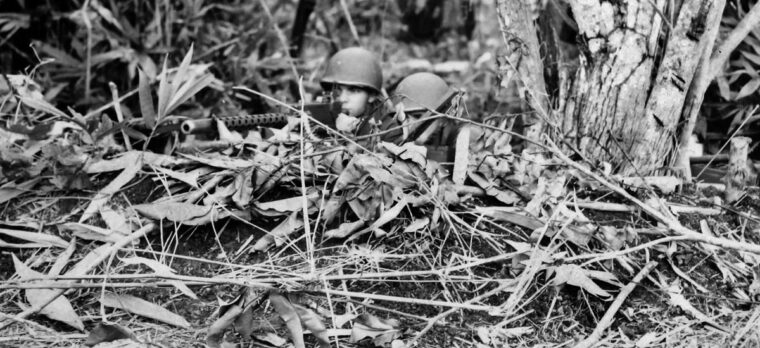
As the 33 men of his machine-gun platoon set up their four s along the ridge facing south toward a jungle-shrouded ravine on Guadalcanal where the Japanese were massing for an attack on the evening of October 25, 1942, Marine Sergeant Mitchell Paige crawled in front of their position and rigged a makeshift trip wire designed to alert his troops should Japanese forces approach their line. Read more
WWII
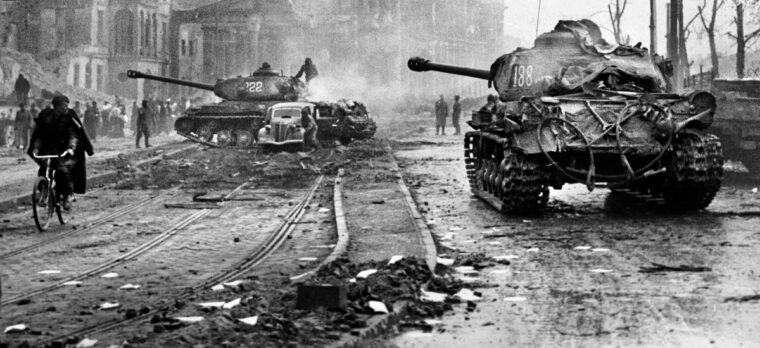
In the predawn hours of April 24, 1945, SS-Brigadeführer Gustav Krukenberg received orders from Army Group Vistula defending Berlin to immediately lead the remnants of the 57th Battalion of the 33rd Waffen Grenadier Division of the SS Charlemagne from its staging area at the SS training camp at Neustrelitz to the German capital. Read more
WWII
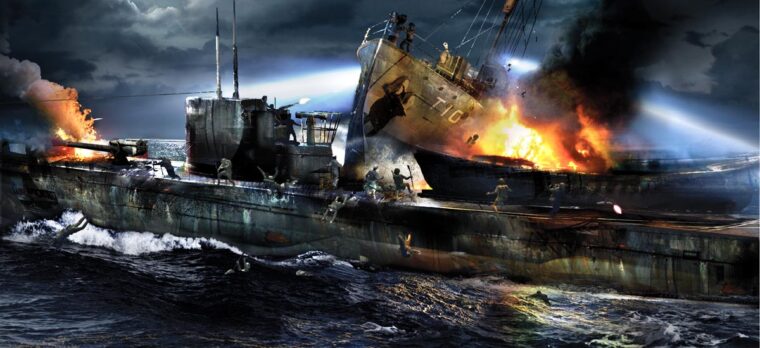
Gordon Bridson was born in Wellington, New Zealand, in 1909, but shortly thereafter his family moved to Auckland, where he attended Auckland Grammar School. Read more
WWII
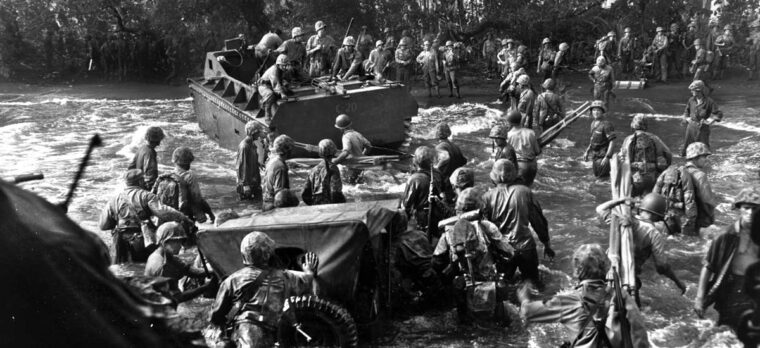
The bloody fight for Guadalcanal, where the string of Japanese conquests in the Pacific had finally run its course, was a turning point of World War II. Read more
WWII
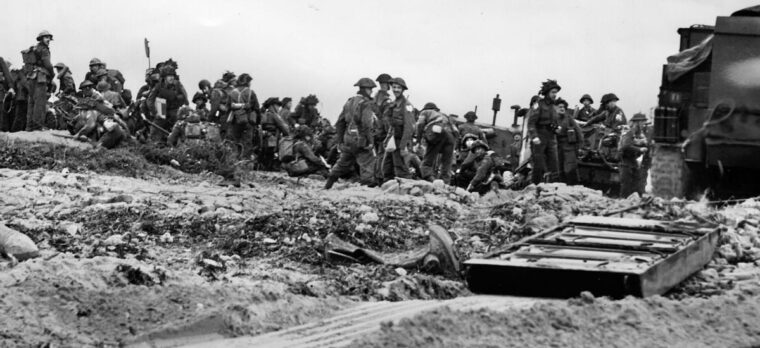
Most students of World War II know that there were five invasion beaches included in Operation Overlord, the invasion of northwestern Europe, on June 6, 1944. Read more
WWII
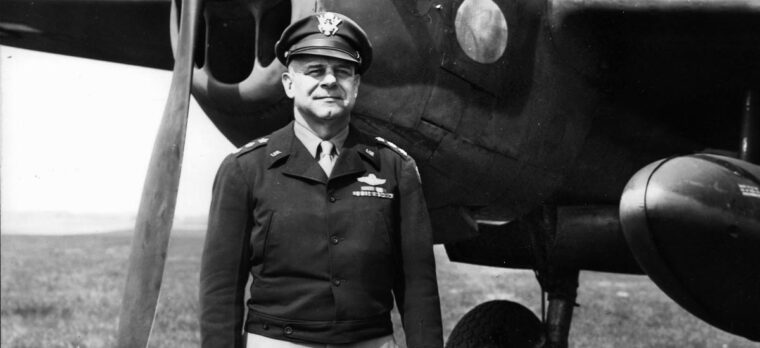
Shortly after the Japanese sneak attack on Pearl Harbor on December 7, 1941, President Franklin D. Roosevelt remarked that he would like to bomb the enemy homeland in revenge as soon as possible. Read more
WWII
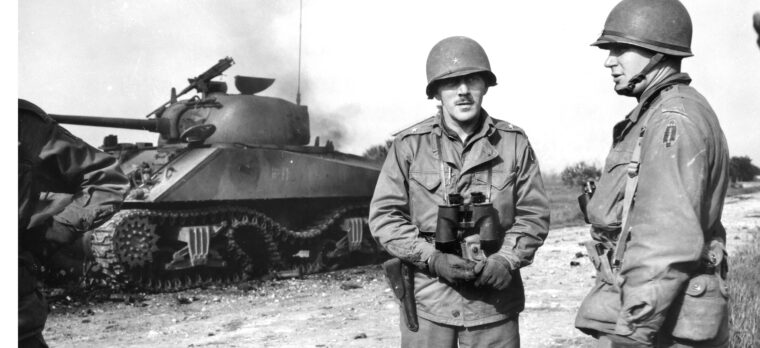
When General George C. Marshall visited London in April 1942, the new chief of the British Combined Operations Command, Lord Louis Mountbatten, introduced him to a “very odd-looking individual … [who] talks well and may have an important contribution to make.” Read more
WWII
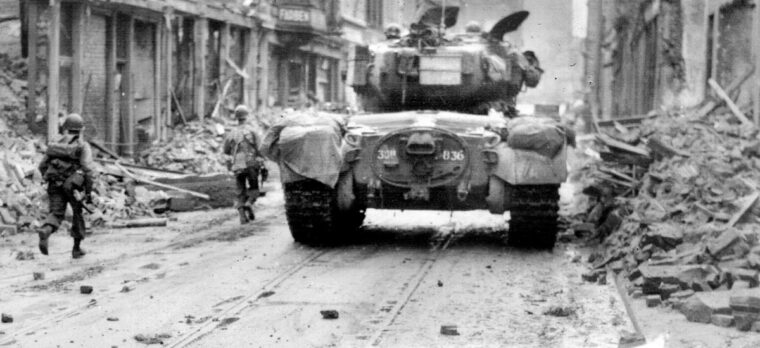
Sergeant Nicholas Mashlonik watched closely as the Panzerkampfwagen (PzKpfw) VI Tiger heavy tank rampaged through the village of Elsdorf in the Rhineland-Westphalia region of Germany on February 27, 1945. Read more
WWII
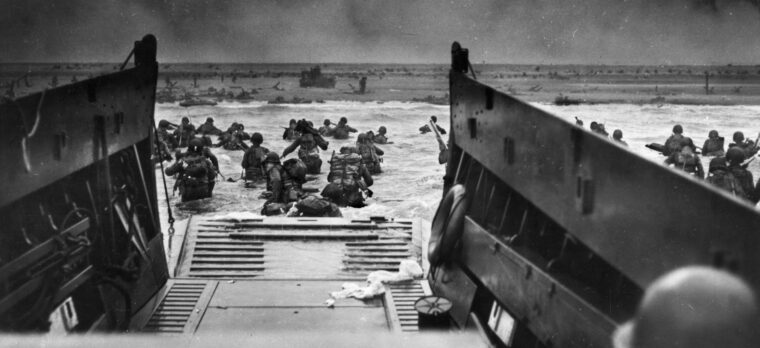
Few events in human history have been so fraught with drama as the Allied invasion of Normandy on June 6, 1944. Read more
WWII
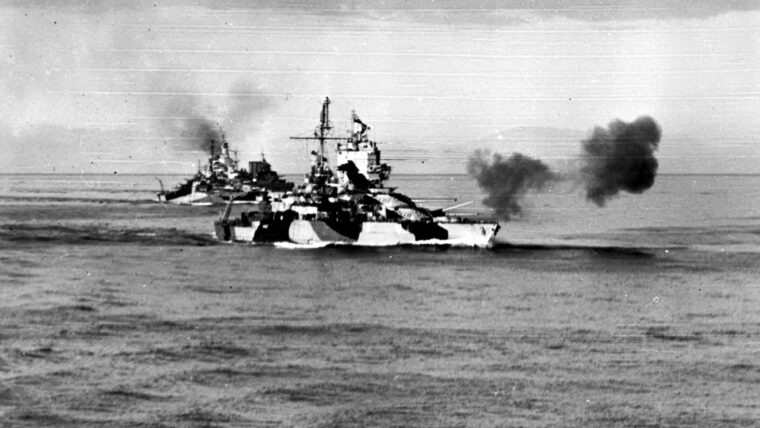
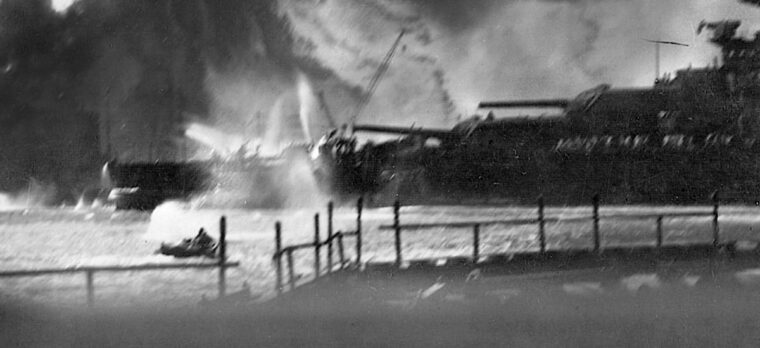
Her wounds had been grievous that morning in 1941, when Japanese torpedo bombers swept low over the shallow waters of Pearl Harbor and unleashed their deadly cargoes at the easy targets moored along Battleship Row. Read more
WWII
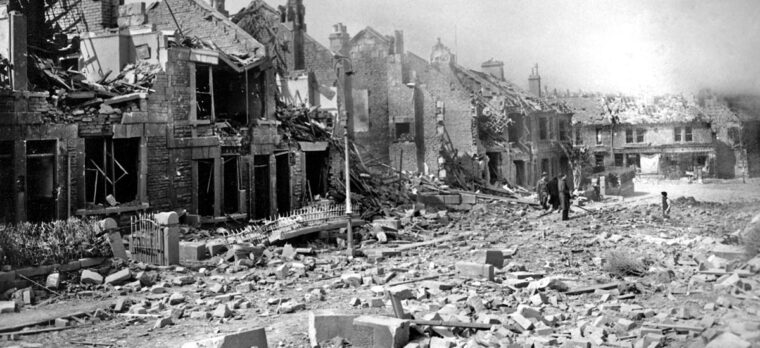
On Monday evening, April 27, 1942, Kathleen Stainer and her family readied themselves for sleep in the English countryside. Read more
WWII
Fort MacArthur in San Pedro, California was established by the U.S. Army in 1914 as a Coast Artillery installation to defend the harbors of Long Beach and Los Angeles. Read more
WWII
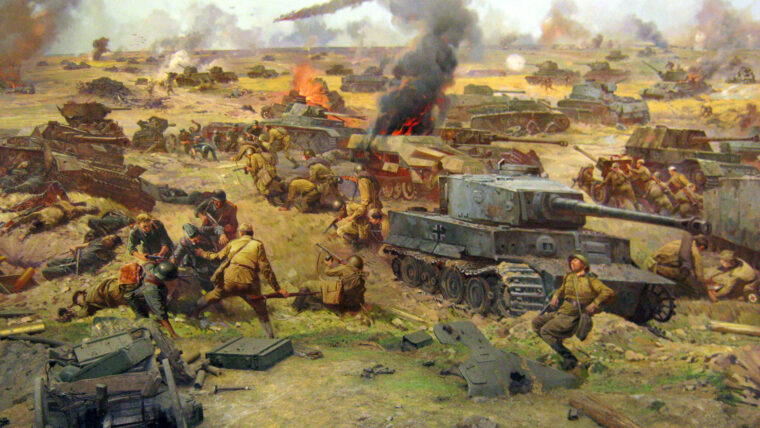
When Colonel-General Heinz Guderian, chief of the German General Staff, presented German leader Adolf Hitler with estimates of Russian strength for Operation Barbarossa, Hitler declared that the numbers were “completely idiotic” and “pure bluff.” Read more
WWII
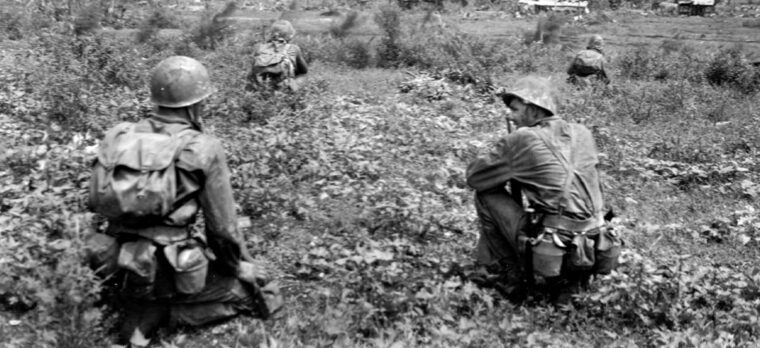
The island of Tinian is located in the Northern Marianas, three miles southwest of Saipan, 100 miles north of Guam, and 1,500 miles from mainland Japan. Read more
WWII
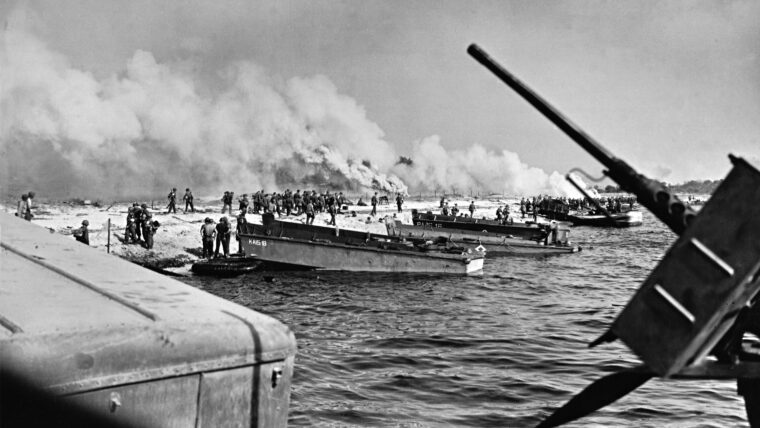
U.S. Army Sergeant Vere Williams listened to his instincts as his landing craft approached the beach. It was August 15, 1944, and his unit, the 157th Infantry Regiment of the 45th Division was part of the invasion force for Operation Dragoon, the landings along France’s Mediterranean coast. Read more