WWII
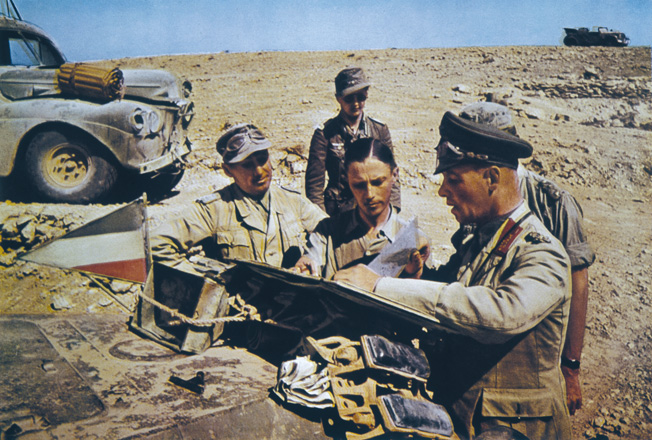
Field Marshal Erwin Rommel: The “Desert Fox”
by Mike HaskewBorn on November 15, 1891, in Heidenheim, Germany, Erwin Rommel was a hero of World War I, receiving the Pour le Mérite, or Blue Max, for his actions on the Italian Front. Read more

WWII
Born on November 15, 1891, in Heidenheim, Germany, Erwin Rommel was a hero of World War I, receiving the Pour le Mérite, or Blue Max, for his actions on the Italian Front. Read more
WWII
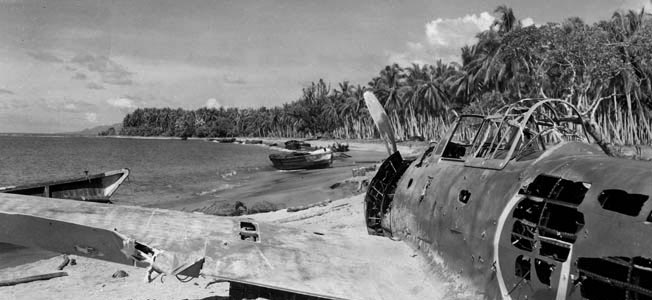
On August 7, 1942, American Marines landed unopposed on the island of Guadalcanal in the Solomons chain. The island was the key to future offensive operations in the South Pacific for either side, and the Marines were determined to defeat the Japanese in their first significant ground assault of the Pacific War. Read more
WWII
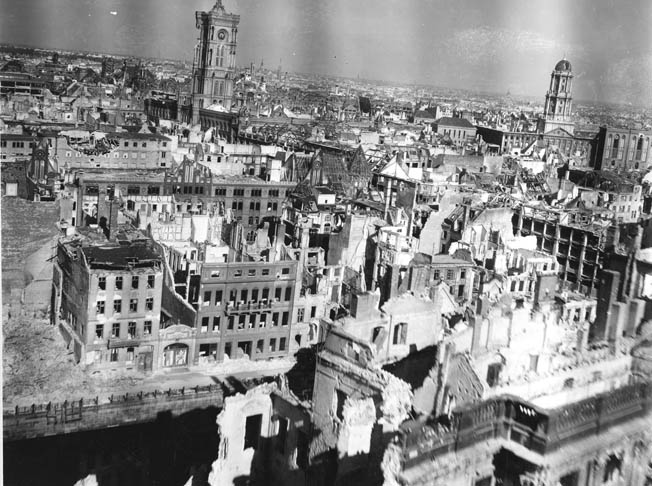
World War II spanned six long years from 1939 to 1945. The Allied powers, principally The United States, Great Britain, and the Soviet Union, defeated the Axis powers, led by Nazi Germany, Imperial Japan, and Fascist Italy. Read more
WWII
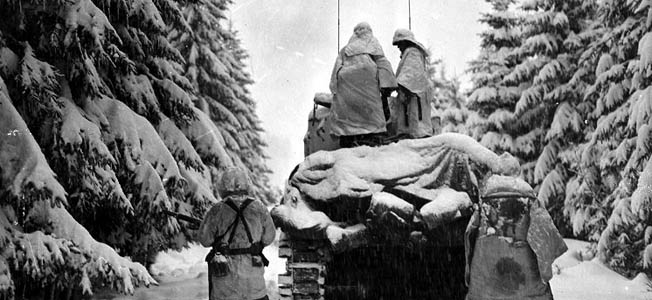
On December 16, 1944, Hitler launched Operation Wacht am Rhein, or Watch on the Rhine. Popularly known as the Battle of the Bulge, the ensuing offensive was a desperate effort to win a major victory in the West. Read more
WWII
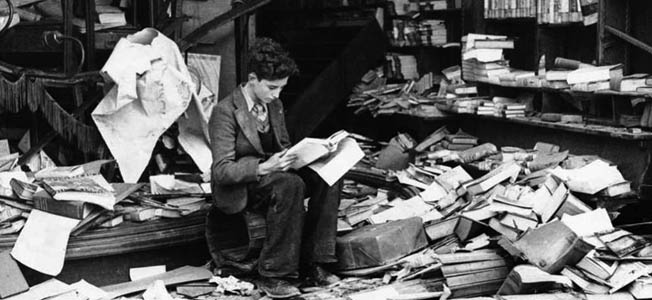
William Welsh, editor of Military Heritage Magazine, has compiled a list of personal favorites for books on the Second World War. Read more
WWII
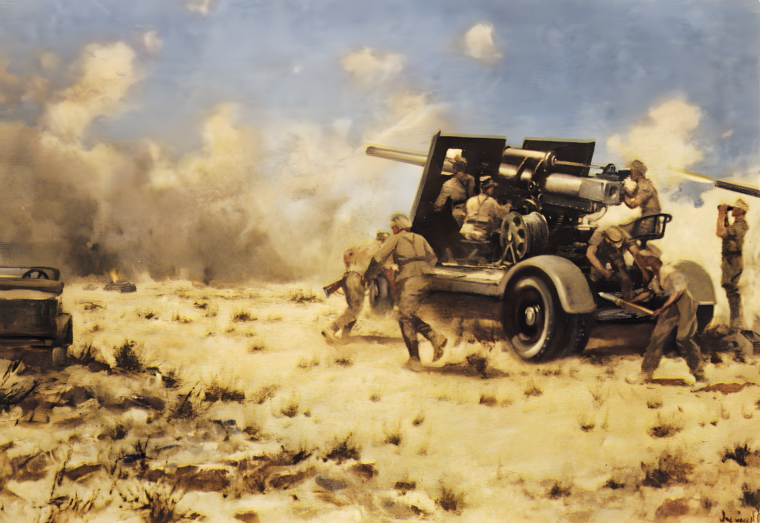
On the afternoon of November 23, known as Totensonntag to the Germans, General Ludwig Crüwell, commander of the Afrika Korps, decided to launch both of his armored divisions at the box being defended by the 2nd South African Brigade which had laagered just south of the contested airfield at Sidi Rezegh. Read more
WWII
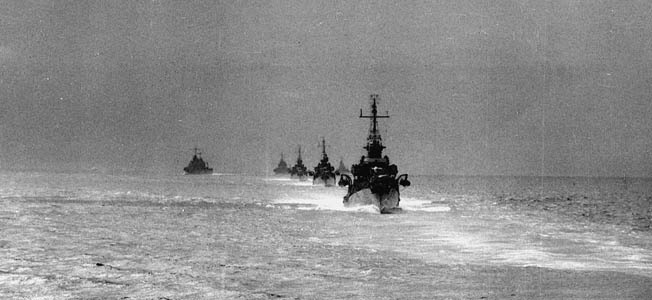
The Japanese Imperial Navy was an elite and elitist organization. As prone at the administrative levels as any large bureaucracy to becoming bogged down in paperwork, careerism, politics, and minutia, the Imperial Navy nevertheless enjoyed a unique dynamic. Read more
WWII
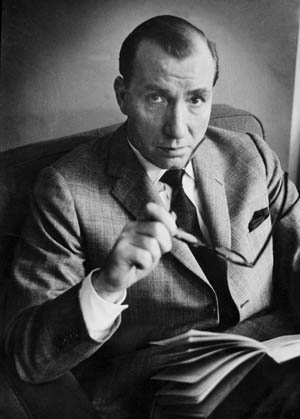
Throughout his career, Cornelius “Connie” Ryan wrote a number of stunning books on World War II: The Last Battle, about the struggle for Berlin; A Bridge Too Far, about the ill-fated race to cross the Rhine bridge at Arnhem in 1944; and, of course, the book with which his fame will always be linked, The Longest Day. Read more
WWII
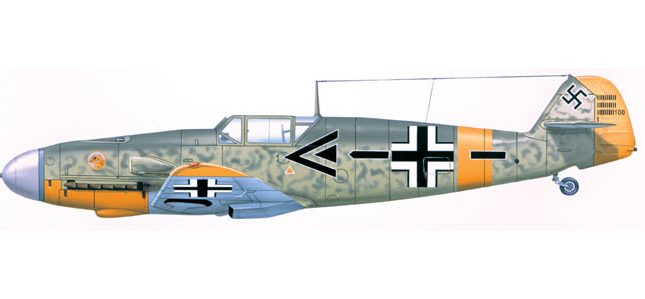
By the summer of 1942, the venerable and battle-proven Messerschmitt 109E was all but replaced by the improved Me-109F in front-line units. Read more
WWII
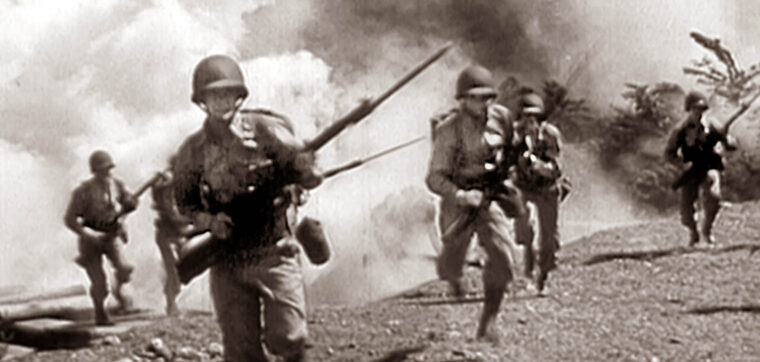
General George C. Marshall had a problem. With the U.S. entry into World War II, he had to explain to an isolationist nation why the country was going to war. Read more
WWII
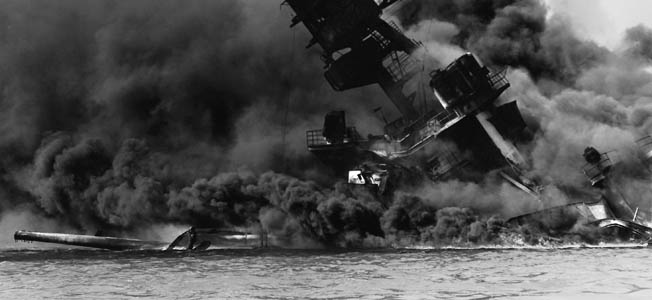
On December 7, 1941, Japanese naval aircraft attacked the U.S. Navy base at Pearl Harbor on the Hawaiian island of Oahu, as well as other U.S. Read more
WWII
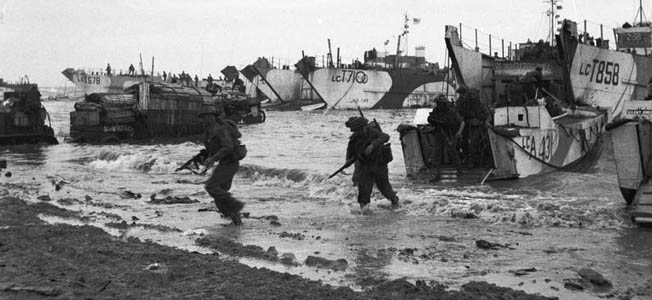
Commonly known as D-Day, the Western Allies invaded Nazi-occupied Europe during World War II on June 6, 1944. Read more
WWII
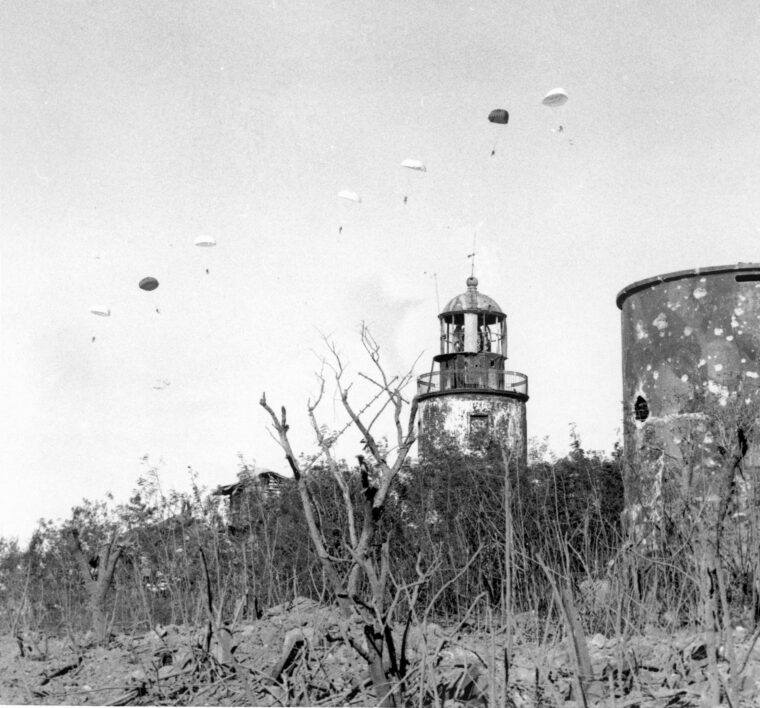
Within a week of the Los Baños raid, paratroopers from Burgess’s 1st Battalion moved back into the Los Baños area to occupy the region. Read more
WWII
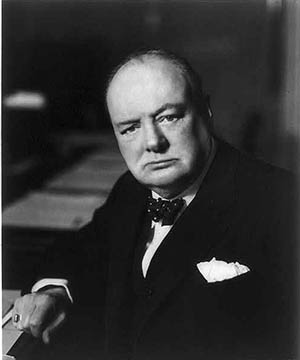
Born November 30, 1874, to British politician Lord Randolph Churchill and Jenny Jerome, an American socialite, Winston Churchill rose to serve in Parliament and as Prime Minister of Great Britain from 1940 to 1945 and 1951 to 1955. Read more
WWII
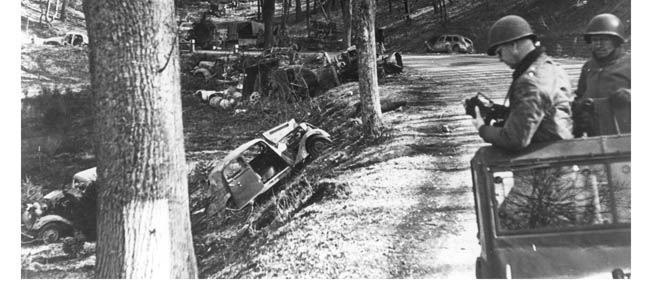
Everywhere General George S. Patton, Jr., went, from North Africa to Sicily to continental Europe, his camera swayed from his neck, ready to capture images that interested him. Read more
WWII
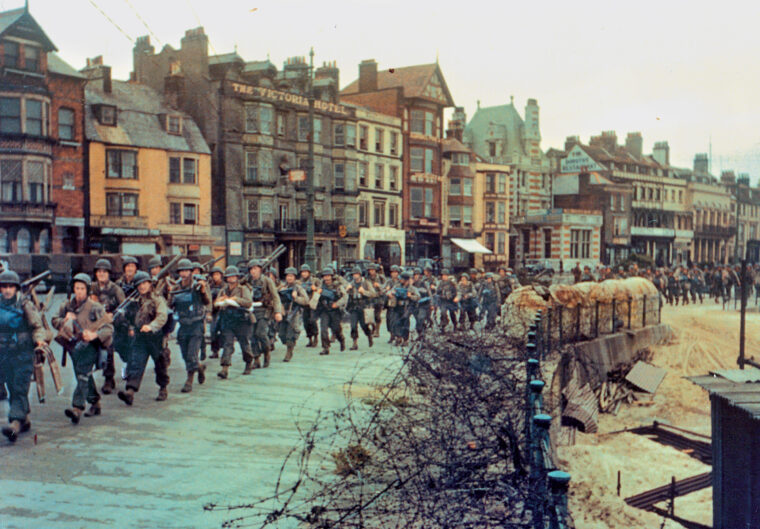
In the early morning of June 6, 1944, LCA 668 (Landing Craft, Assault), carrying First Sergeant Len Lomell, Staff Sergeant Jack Kuhn, and most of the 2nd Platoon, 2nd Ranger Battalion, cut through the choppy, green waters of the English Channel. Read more
WWII
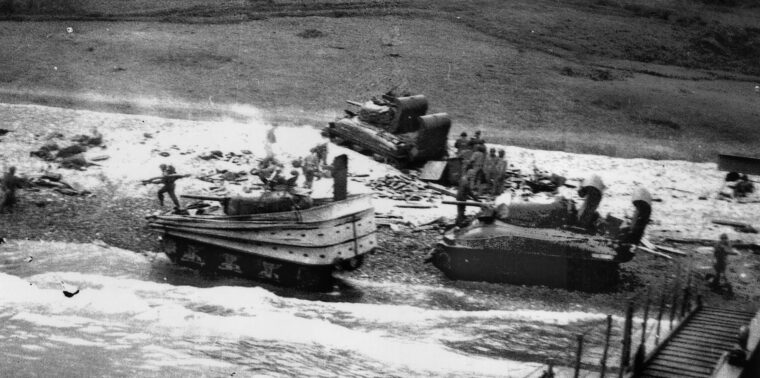
To Colonel Edson Raff, jumping out of a plane was “like getting out of the bed in the morning.” Read more
WWII
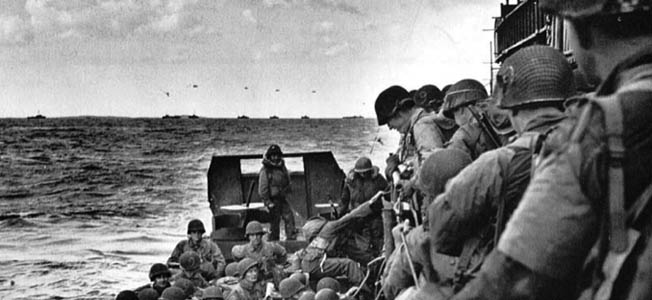
Bobbing alongside his troops in a wildly careening LCVP, Theodore Roosevelt Jr. gripped the walking cane he used to get around on his bum left knee—the unwelcome souvenir of the first Great War, after receiving a German machine-gun bullet taken near Soissons in July 1918. Read more
WWII
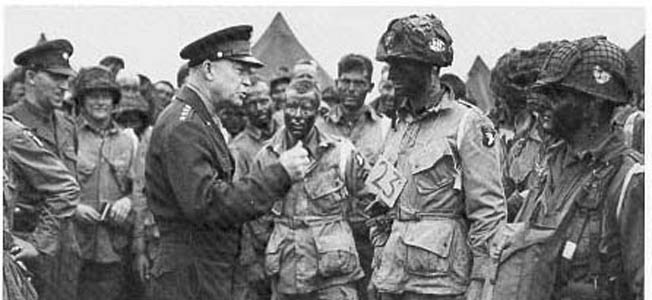
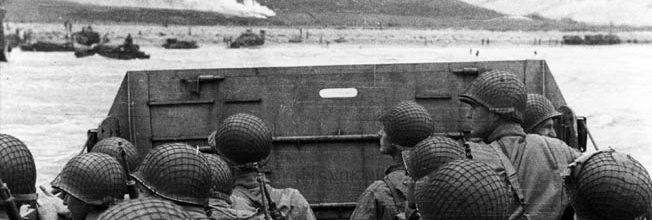
The Normandy Invasion (code-named Operation Neptune) was the largest amphibious invasion in the history of armed conflict. It combined efforts from nearly 290 escort vessels, 5,000 landing and assult craft, and 160,000 troops. Read more
WWII
SUPEREME HEADQUARTERS ALLIED EXPEDITIONARY FORCE
Soldiers, Sailors and Airmen of the Allied Expeditionary Force!
You are about to embark upon a great crusade, toward which we have striven these many months. Read more