WWII
The Allied Liberation of Paris
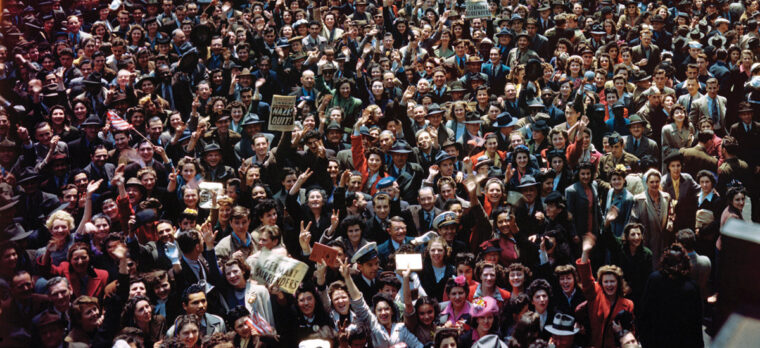
By John E. SpindlerAt dusk on August 24, 1944, south of Paris, about half a mile from Croix de Berny crossroads, stood a tall, lanky man tapping a malacca cane. Read more
WWII
At dusk on August 24, 1944, south of Paris, about half a mile from Croix de Berny crossroads, stood a tall, lanky man tapping a malacca cane. Read more
WWII
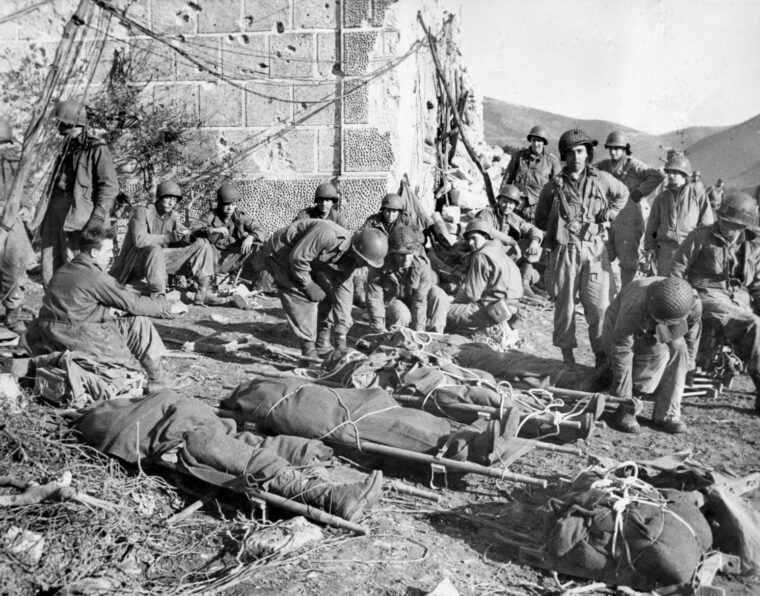
It was March 14, 1944, and Private Albert “Albie” Duddy of D Company, 1st/4th Battalion Essex Regiment, was staring up at the monastery on top of the hill at Monte Cassino from a location north of the town of Cassino, Italy. Read more
WWII
In the minds of many military enthusiasts, there was only one bomber in the United States inventory during World War II. Read more
WWII
“Dead Man’s Corner,”at a road junction south of Saint-Côme-du-Mont, has become one of Normandy’s most famous landmarks. Read more
WWII
In Eisenhower’s Lieutenants, eminent historian Stanley Weintraub wrote that communications in the 1800s between America’s scattered frontier garrisons were slow, which encouraged a tradition of individual initiative in the American army. Read more
WWII
By Duane Schultz
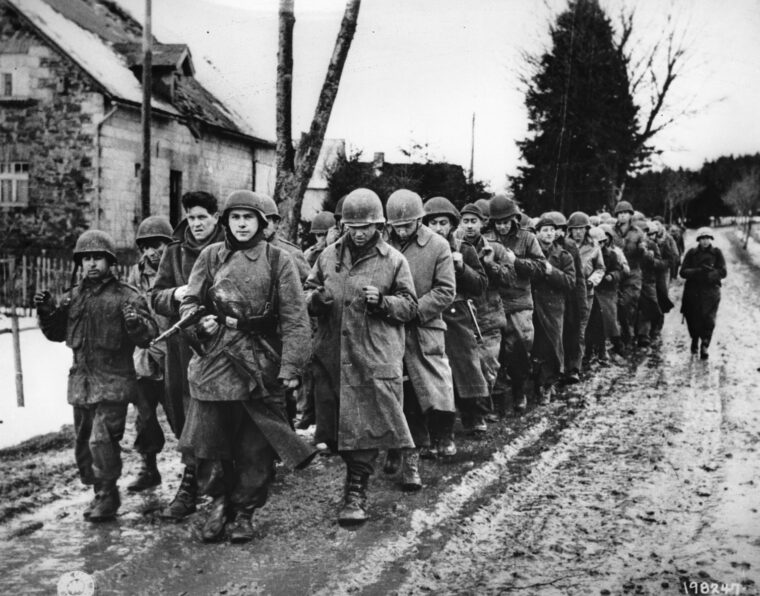
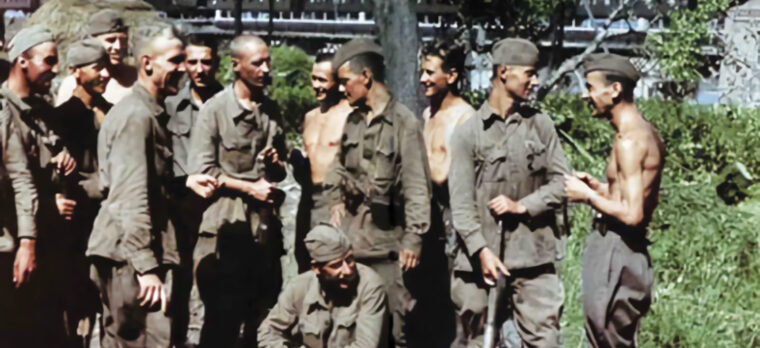
The men who were prisoners of war during World War II paid a terrible price in the form of PTSD—post-traumatic stress disorder. Read more
WWII
After six years of global destruction, suffering, and death, World War II was almost over in the Spring of 1945. Read more
WWII
In the autumn of 1944, even before the failure of Operation Market Garden, the eyes of Allied commanders were on the great Rhine River, and when the time came to cross the last major natural barrier on the German frontier, American airborne troops would play a key role, while also participating in other operations during the last days of World War II. Read more
WWII
By Patrick J. Chaisson
The chief shuffled to his seat in the underground conference room. He sat down heavily, eyes unfocused and dreamy, while a litany of woes was read to him. Read more
WWII
The easternmost Allied landing beach of the Normandy invasion of June 6, 1944, was code-named Sword. It was the responsibility of British Maj. Read more
WWII
The campaign to reduce the importance of the major Japanese base at Rabaul on the island of New Britain—begun more than a year earlier at Guadalcanal and Buna, New Guinea—was finally in its last stages by November 1943, as U.S. Read more
WWII
High over Normandy, France, eight paratroopers of the 82nd Airborne Division charged out the rear door of their C-47 Skytrain aircraft. Read more
WWII
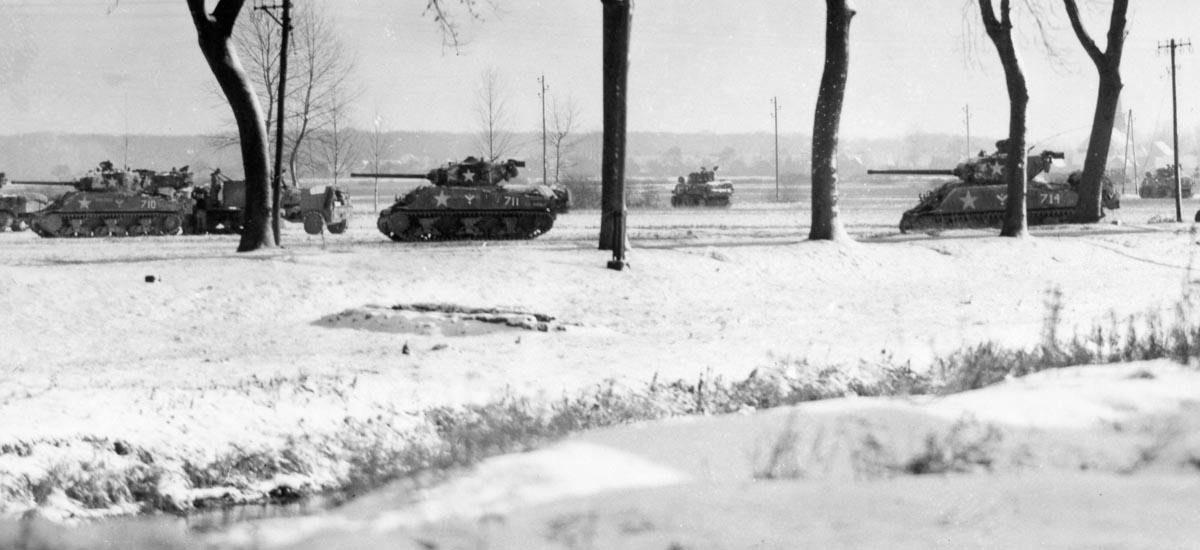
A column of American M-4 Sherman medium tanks moved through Dison, Belgium, in late summer 1944, near the city of Liege. Read more
WWII
Short, slightly built, baby-faced, and soft-spoken, Audie L. Murphy of Texas was far removed from the popular image of a warrior or hero. Read more
WWII
On the night of November 11, 1940, an event occurred that would change naval warfare for all time. Read more
WWII
Adolf Galland stroked his well- groomed mustache as he strode confidentially toward his distinctive Messerschmitt Me-109E with its brightly painted fuselage art featuring Mickey Mouse smoking a cigar and wielding a hatchet. Read more
WWII
By Alan Davidge
In the early hours of June 6, 1944, a 20-year-old German soldier hurried to his post at Wiederstandsnest 62 (WN62) overlooking Omaha Beach to man his MG 42 machine gun. Read more
WWII
Marshall B. Haugen was born July 8, 1917, and raised in Duluth, Minnesota—one of four brothers, all of whom served in the U.S. Read more
WWII
In February 1944, the Japanese attacked the Commonwealth’s 7th Indian Division near Sinzweya, Burma. The division divided its troops into several defensive “boxes” to blunt the enemy attack. Read more
WWII
Major George Jellicoe, head of Britain’s Special Boat Squadron, made a last-minute check on his parachute harness to see if all was ready. Read more