WWII
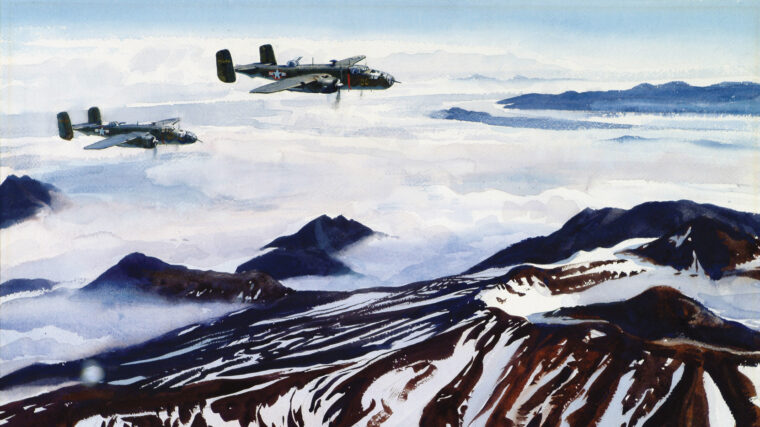
Showdown In The Aleutians
By Phil ZimmerWith a sharp clatter of machine guns, the Japanese marines announced their presence by spraying bullets into the isolated U.S. Read more

WWII
With a sharp clatter of machine guns, the Japanese marines announced their presence by spraying bullets into the isolated U.S. Read more
WWII
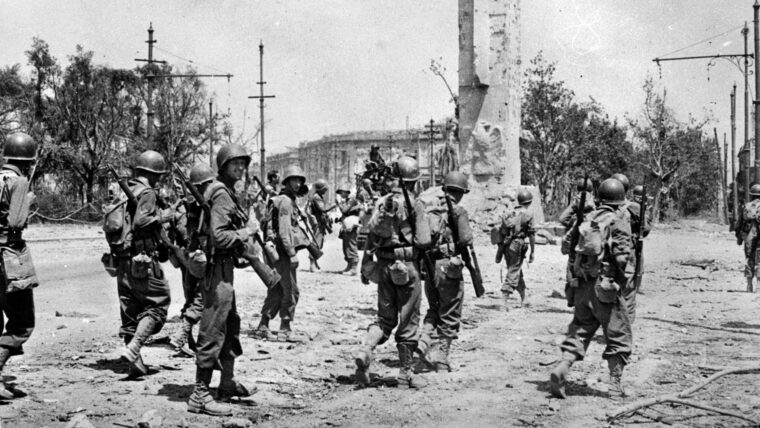
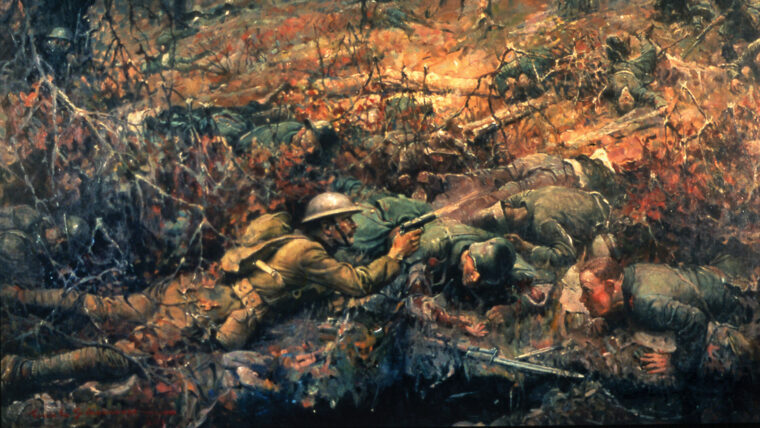
Sergeant Alfred Johnson peered from behind a boulder on a rock-strewn hillside at Piano Lupo about six miles inland from the southern coast of Sicily. Read more
WWII
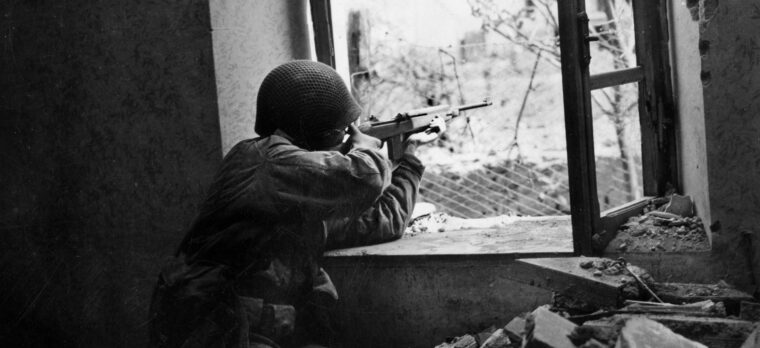
The sunrise on February 16, 1944, dawned foggy over the Via Anziate—the only highway between Anzio and Rome. Read more
WWII
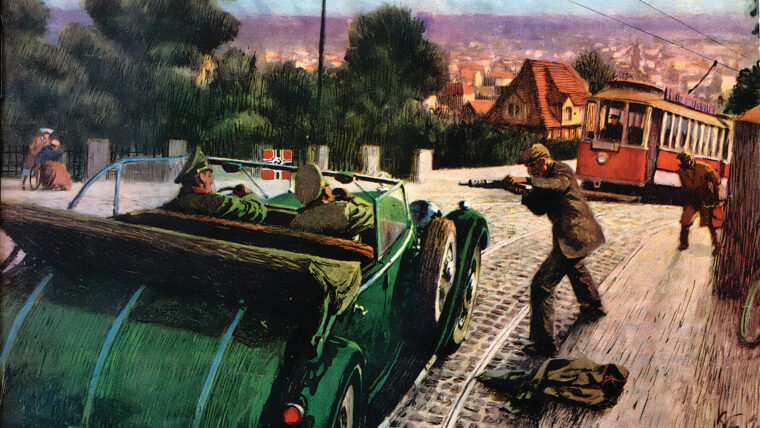
In a desperate bid to avoid another war in Europe, both Britain and France signed the notorious Munich Agreement in 1938, which annexed the Sudetenland of Czechoslovakia to the Nazis. Read more
WWII
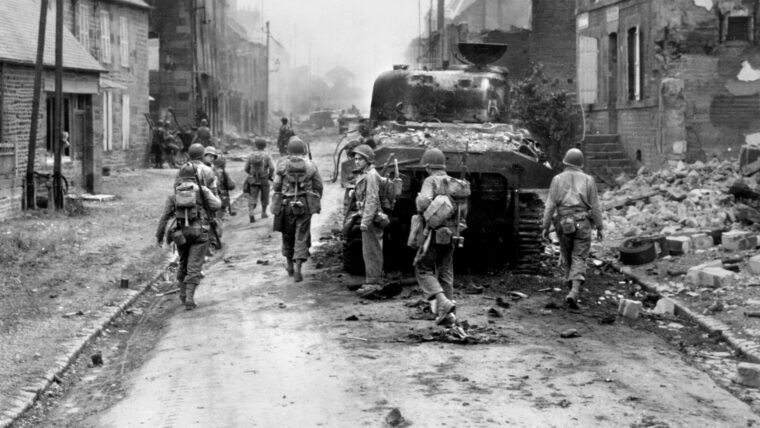
When the 230th Field Artillery Battalion was attached to the 30th Infantry (“Old Hickory”) Division in Mortain, France, on August 6, 1944, many of its men had already received their baptism of fire in Normandy. Read more
WWII
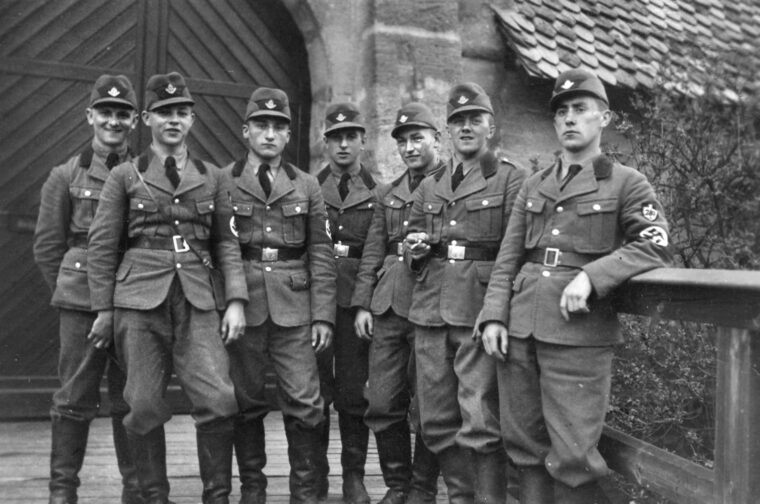
Backstory: My father, Karl Fuchs, was a German soldier in World War II who fought and died on the Eastern Front. Read more
WWII
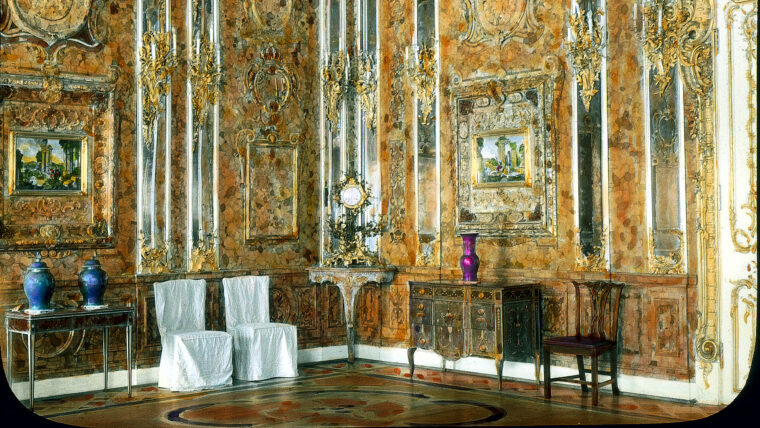
Nearly 20 years ago, I met a fellow in Germany (we’ll call him “Hans”) who was on his life’s quest to find one of mankind’s greatest treasures and solve one of WWII’s greatest mysteries—the fabulous Amber Room. Read more
WWII
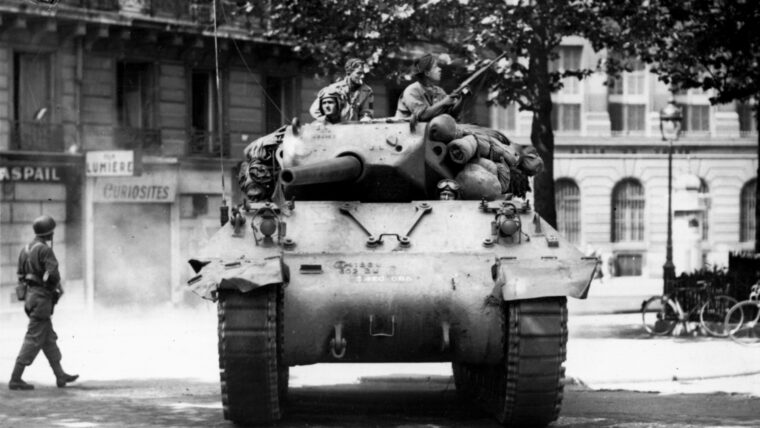
By Jean René Champion (with Marc and David Champion)
Jean René Champion (or René, as he preferred to be called) was born in 1921 in Neuilly-sur-Seine, a commune on the west side of Paris. Read more
WWII
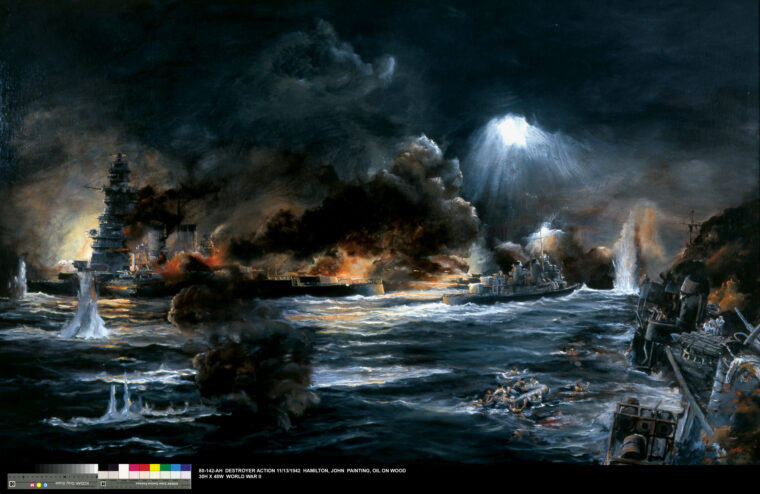
Admiral Ernest J. King wanted the battle for Guadalcanal to be over. There were additional objectives for the United States to pursue in the South Pacific and by the middle of January 1943 he was becoming impatient. Read more
WWII
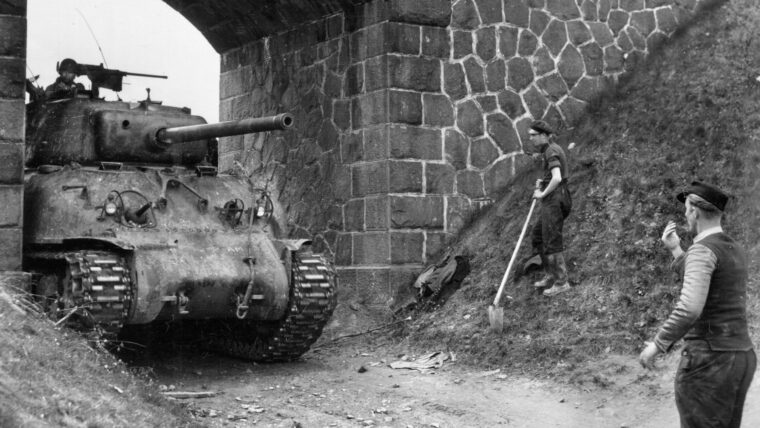
The 782nd Tank Battalion spent two years training stateside as part of the U.S. Read more
WWII
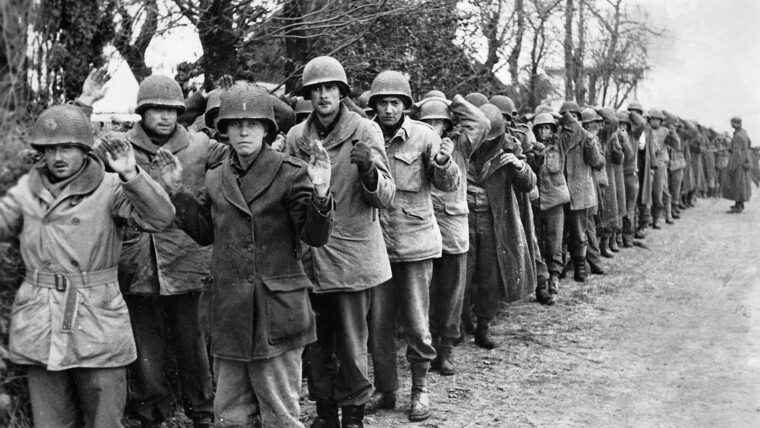
It took the HMS Queen Elizabeth, the world’s largest passenger liner, only five days to transport 15,000 men of the 106th Infantry Division from New Jersey to Glasgow, Scotland, making port on November 17, 1944. Read more
WWII
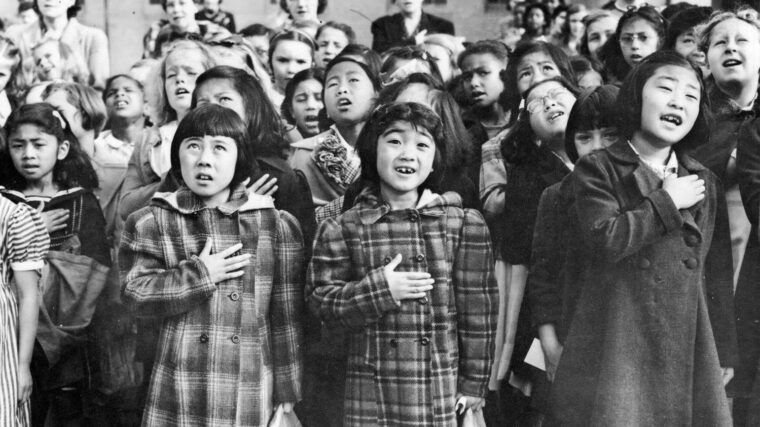
In the fall of 1941, as relations worsened between the United States and Japan and war became imminent, the presence of 110,000 Japanese Americans living on the West Coast pushed the issue of internment to the forefront. Read more
WWII
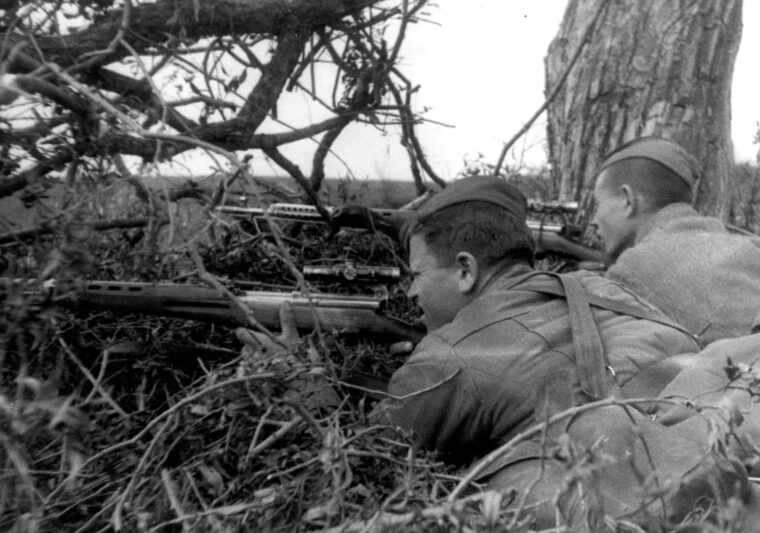
Snipers played an important a role in World War II, just as much as any tank, airplane, or artillery piece. Read more
WWII
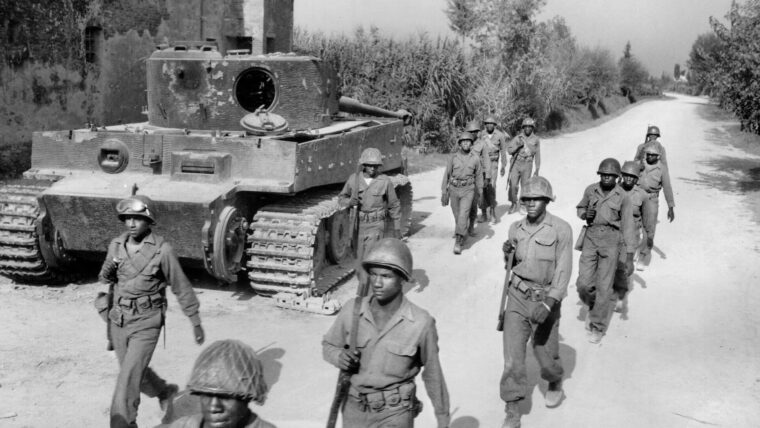
Despite their gallant service in the Civil War, on the Western frontier, and in the Spanish-American War, black soldiers were used mostly for labor and given only a limited fighting role when the U.S. Read more
WWII
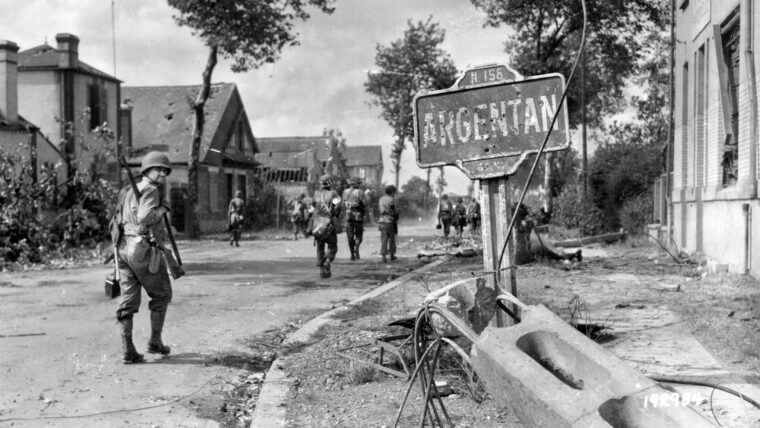
As a late summer sun finally dipped below the horizon, Captain William L. Koob, Jr., came to realize that his unit had been abandoned on the battlefield. Read more
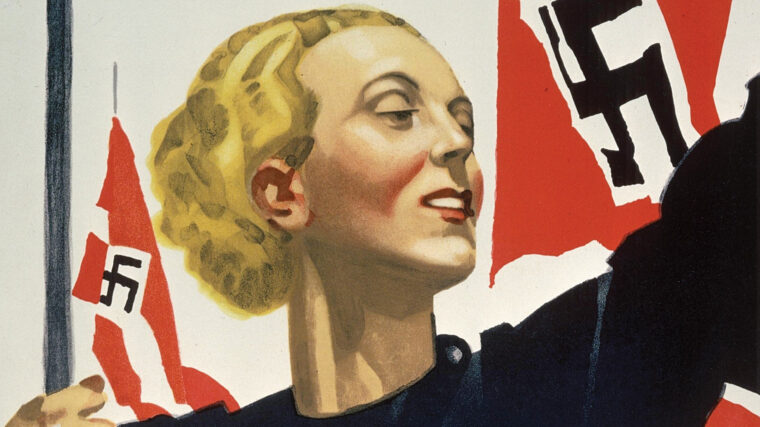
WWII
Frieda’s last doll was bought for her by her father, August Streit, in 1938. At age 10 she was really too old for dolls, her father thought, but he would buy her this last one. Read more
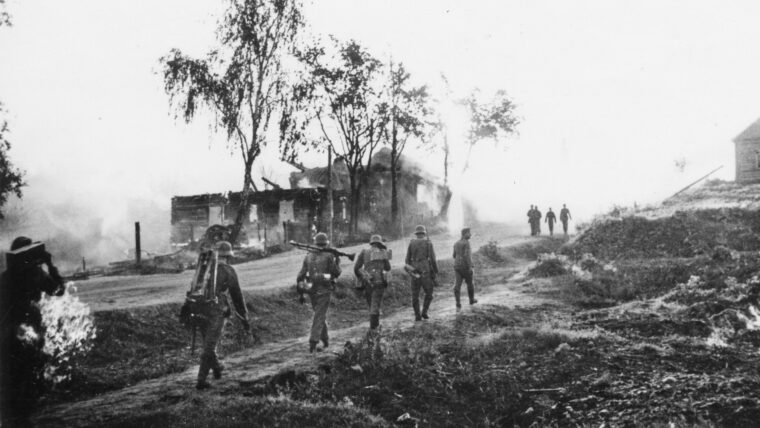
WWII
BACKSTORY: Wilhelm Lubbeck served as an enlisted man in the 58th Infantry Division on the Eastern Front during Germany’s 1941 invasion of the Soviet Union before being promoted to lieutenant. Read more
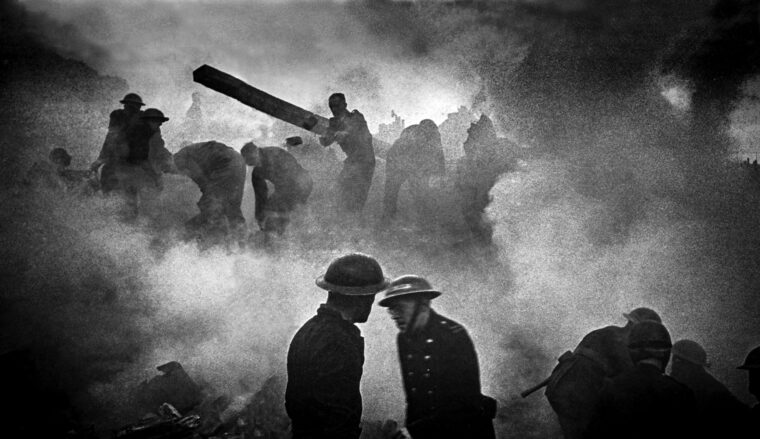
WWII
The first word of the incoming Luftwaffe raid arrived at about 10:45 p.m. on the night of Saturday, May 10, 1941. Read more
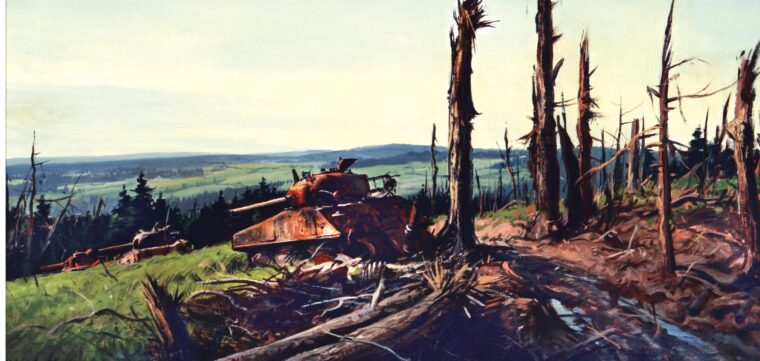
WWII
Seventy-eight years ago, the U.S. First Army was embroiled in the longest battle of World War II fought on German soil. Read more
WWII
Petty Officer R. J. Thomas, a U.S. Navy SEAL, wound up in deep trouble one day in 1969. Read more