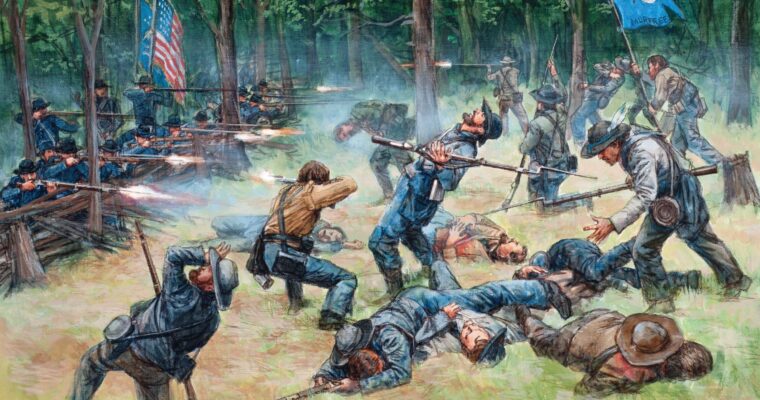
Roar of the Lightning Brigade
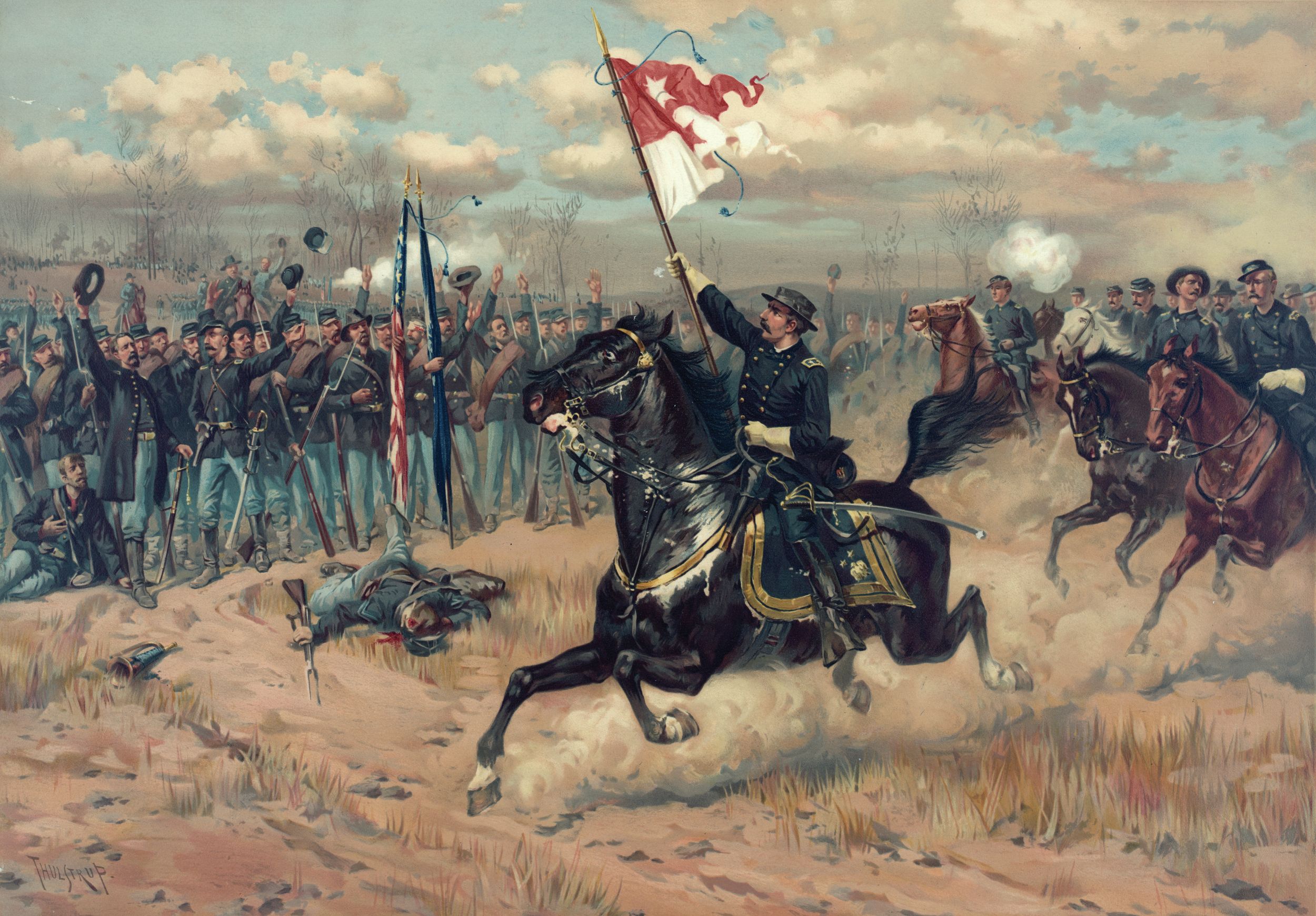
By Joshua ShepherdConvinced that a major fight was in the offing, 33-year-old Colonel John T. Wilder clambered up the branches of a nearby tree as the sun dipped below the horizon. Read more
Convinced that a major fight was in the offing, 33-year-old Colonel John T. Wilder clambered up the branches of a nearby tree as the sun dipped below the horizon. Read more
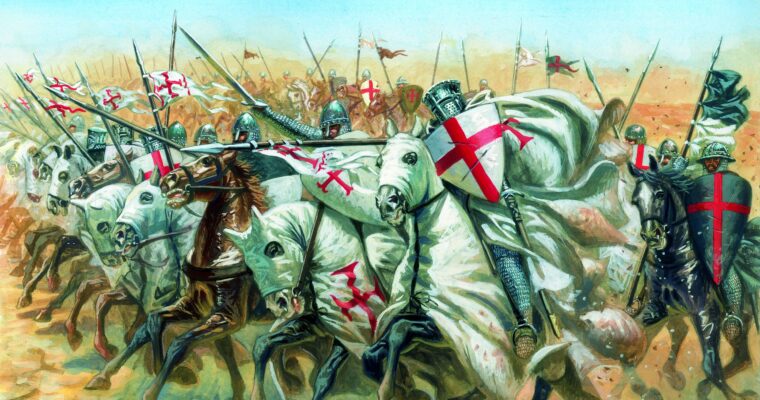
By 1119, the Holy City of Jerusalem had been back under Christian control for 20 years. The soldiers of the First Crusade had secured the city and re-opened it as a center for Christian pilgrimage. Read more
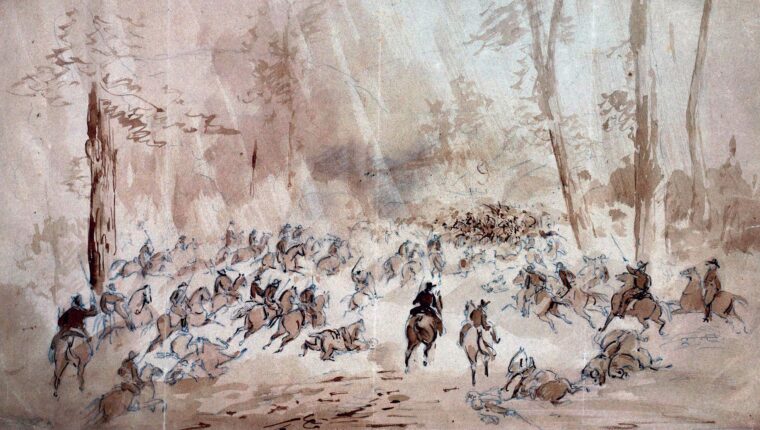
Every war will astonish you,” American General Dwight D. Eisenhower said after World War II. As the leader of the Allied forces that successfully landed on D-Day and marched into Berlin 11 months later, Eisenhower obviously knew what he was talking about. Read more
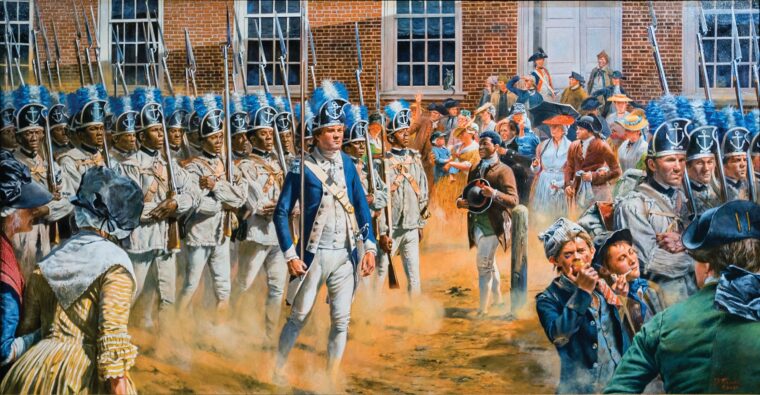
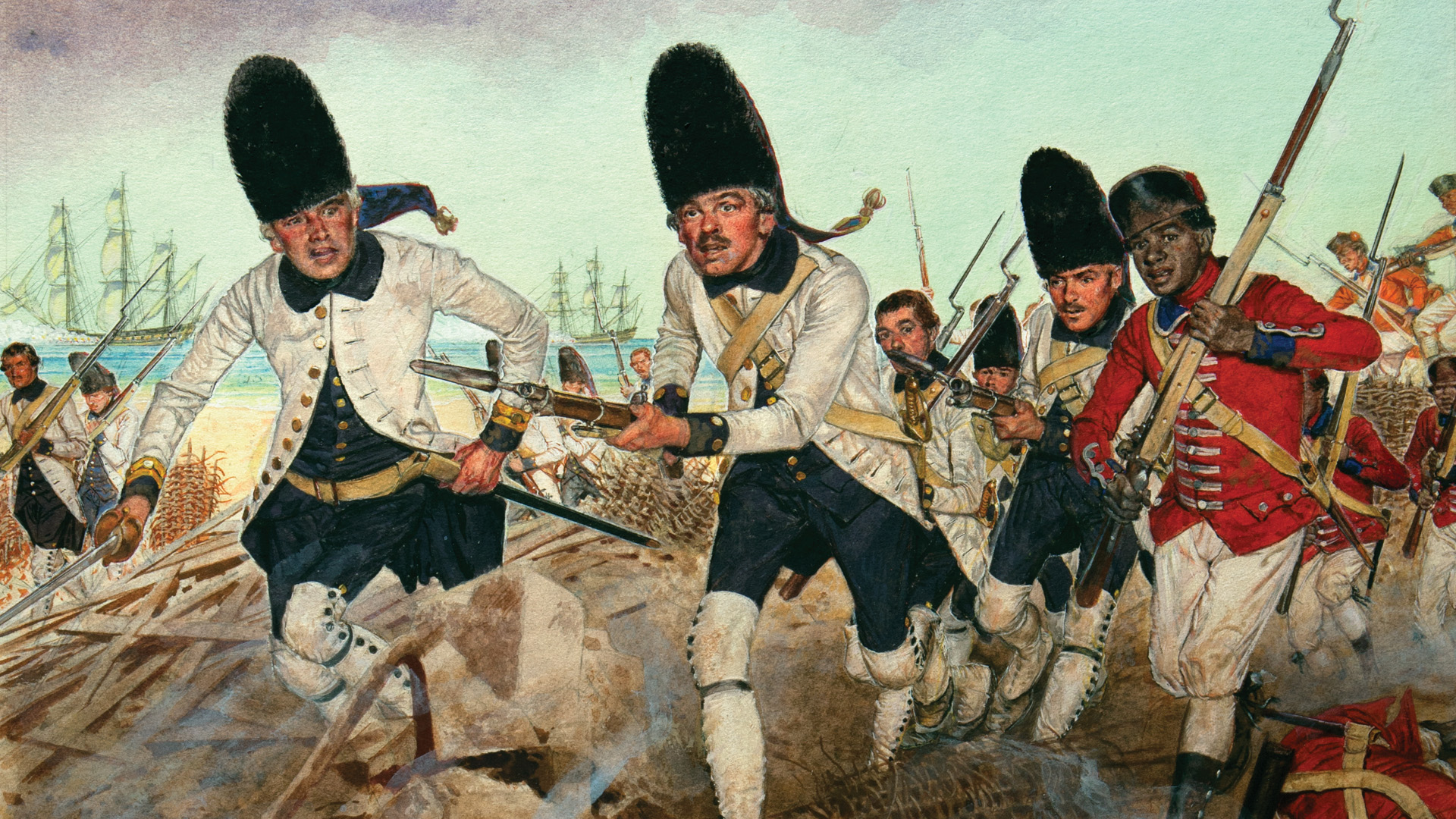
When the first shots of the Revolutionary War were fired at Lexington Green on the morning of April 19, 1775, Black men had already been serving in colonial militias for some time, particularly in New England. Read more
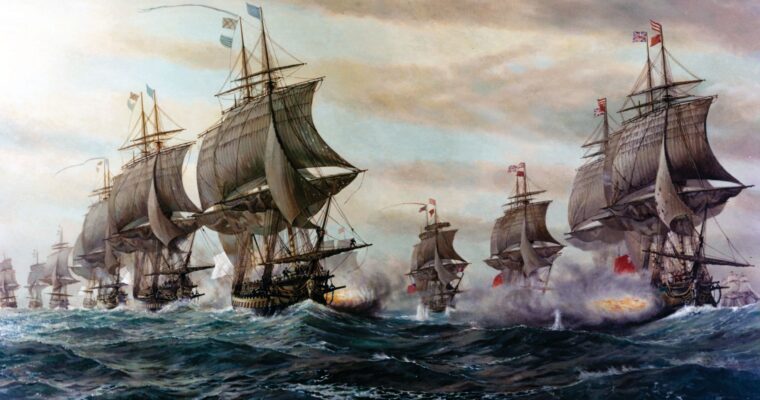
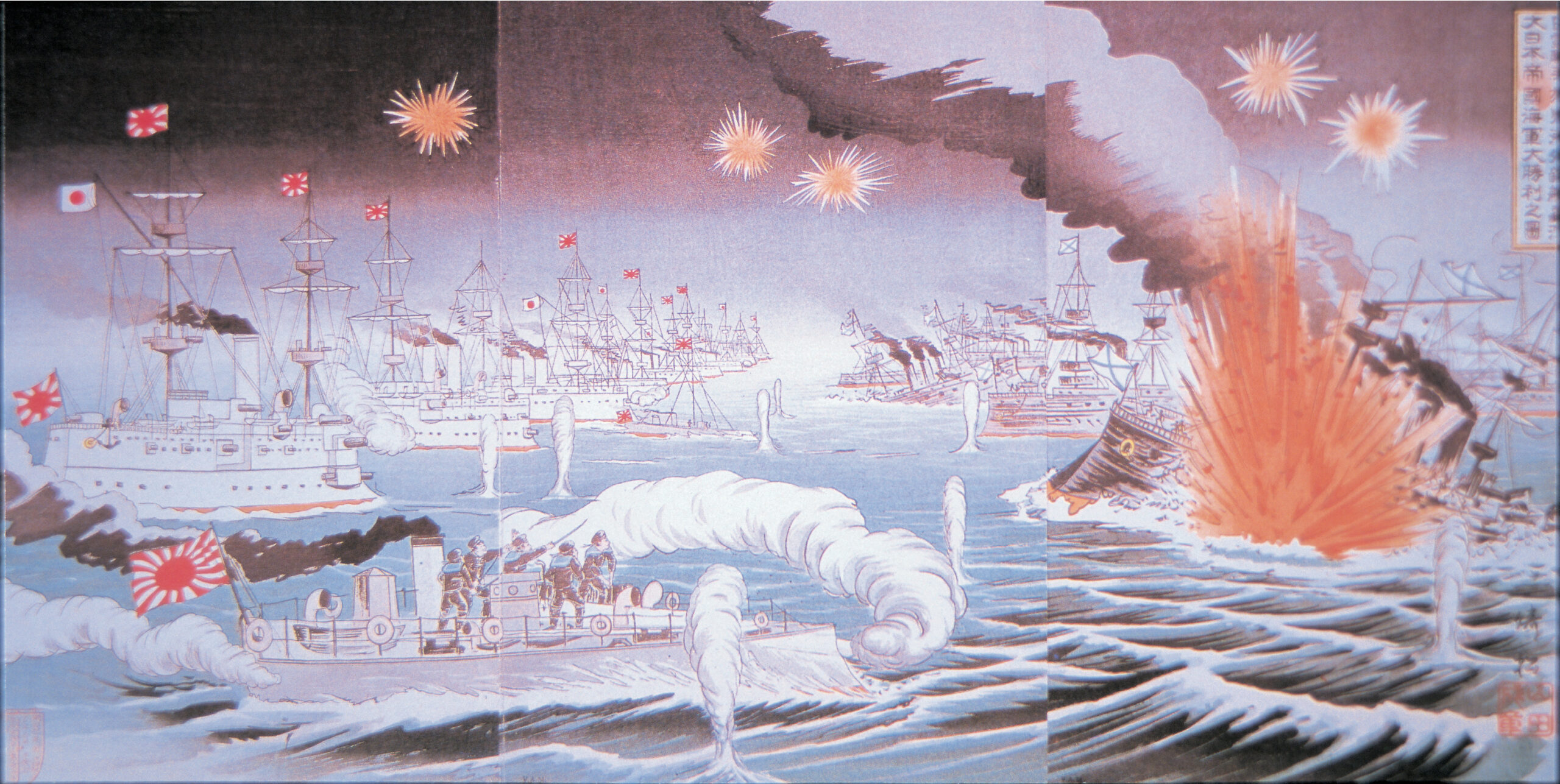
Ships of the line represented the pinnacle of military power by the end of the 18th century and would remain the dominating force on the seas for more than 200 years. Read more

Dialing things back a moment from WWII, let’s enter the trenches of WWI with the help of a recently-launched contender known as Over the Top: WWI. Read more
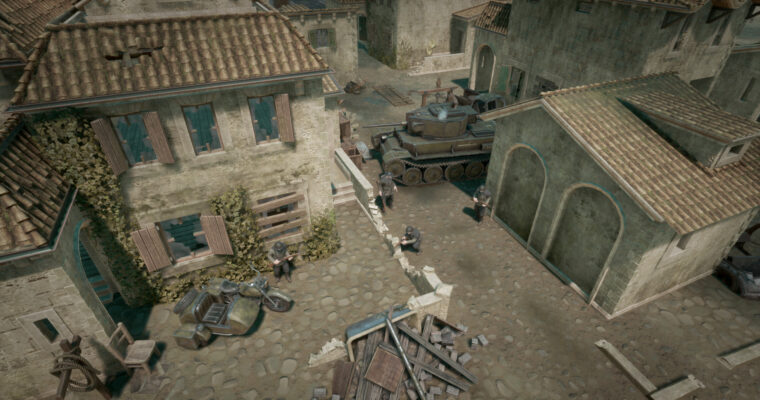
For those just joining us in the ‘hole, the elevator pitch is war on a massively-multiplayer scale, with players zooming in close to control individual soldiers that each have their own crucial role to play in battle. Read more
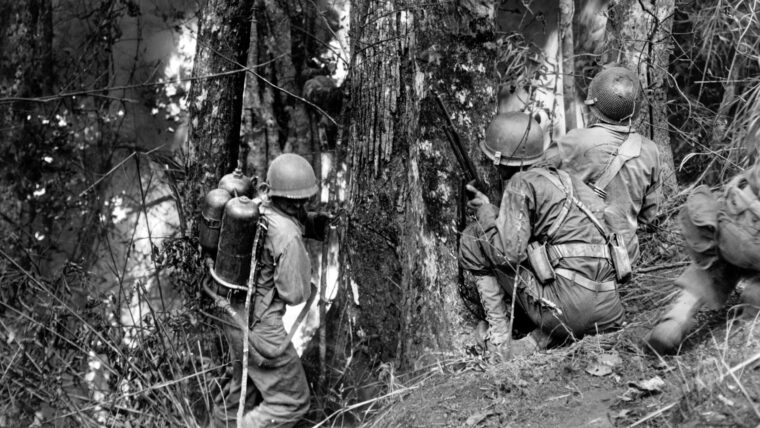
Analyzing war and its outcomes remains an important exercise—for tactical, political, humanitarian and a whole host of other reasons—though not all critics or analysts will agree on the ideas that emerge from such scholarship. Read more
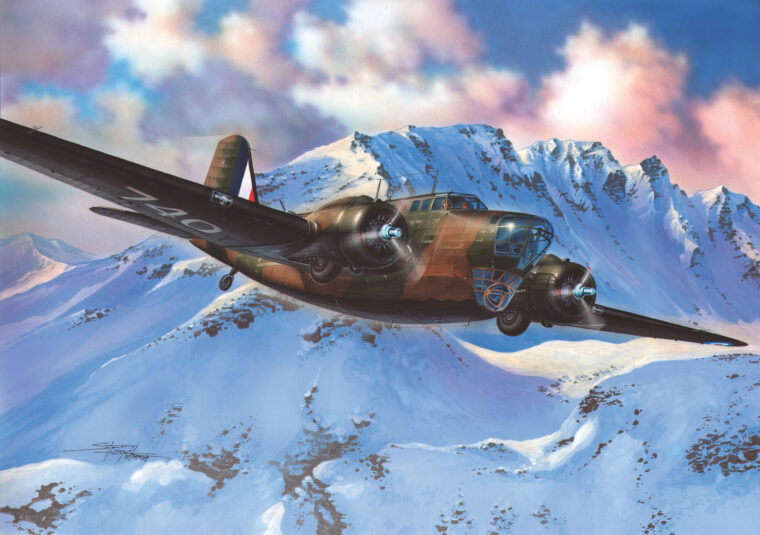
By Patrick J. Chaisson
Seaman Franz Machon was enjoying a smoke on deck when lookouts sounded the alarm. “Enemy aircraft!” they shouted before dropping down inside their vessel, a German Type IXC submarine named U-512. Read more
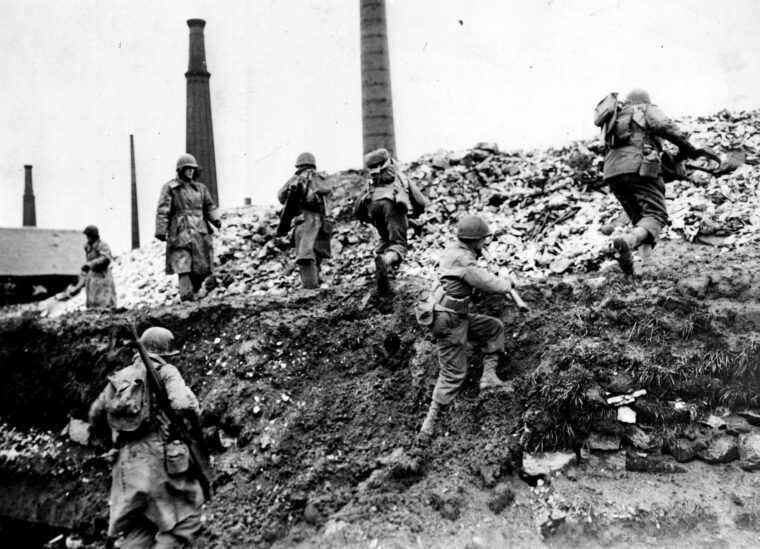
The heavy staccato thumping of a Browning Automatic Rifle echoed throughout the small French village. “Who’s doing all that firing?” Read more

When Rashid Ali seized power in Baghdad in 1941, his coup provided Nazi Germany with a key piece of its world strategy for victory. Read more
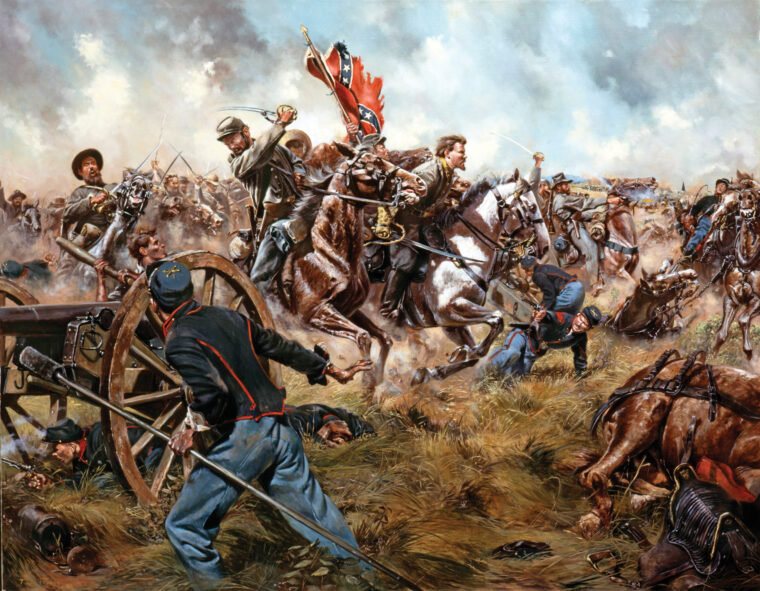
Major Henry B. McClellan should have had a quiet afternoon. At dawn on June 9, 1863, Union cavalry had launched a surprise attack on Maj. Read more
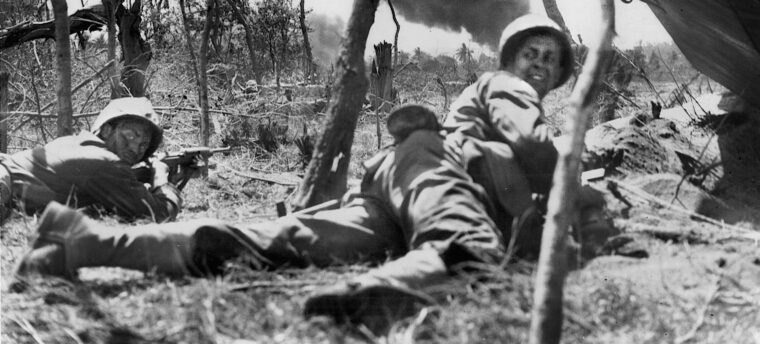
In the summer of 1944, the 5th Amphibious Corps under Marine Lt. Gen. Holland M. Read more
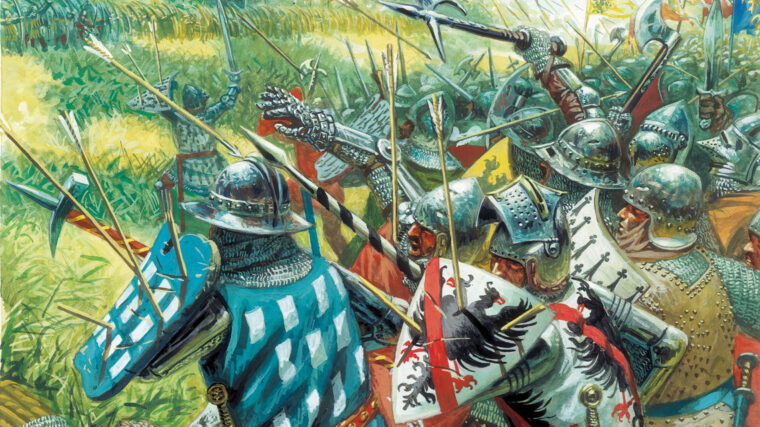
One month after the disastrous French defeat at Poitiers in September 1356, a large English army besieged Rennes in eastern Brittany. Read more
By Nathan N. Prefer
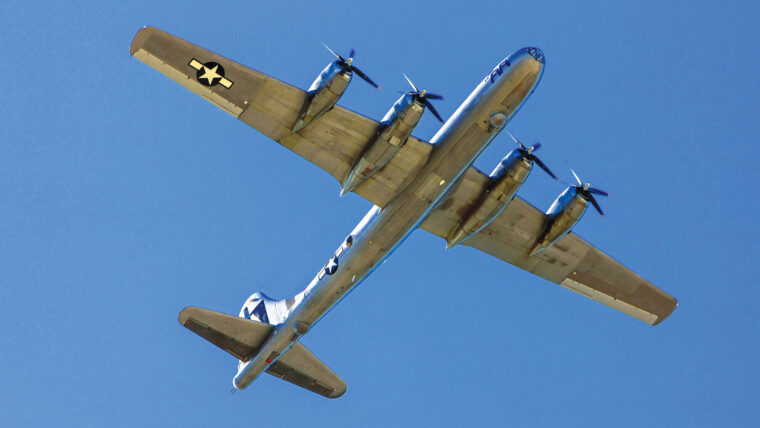
Despite his nickname, General Henry Harley (“Hap”) Arnold was unhappy. In early 1945 he was having major problems with one of his own special projects, the development of the Boeing B-29 Superfortress strategic bomber, for which he had often risked his career. Read more
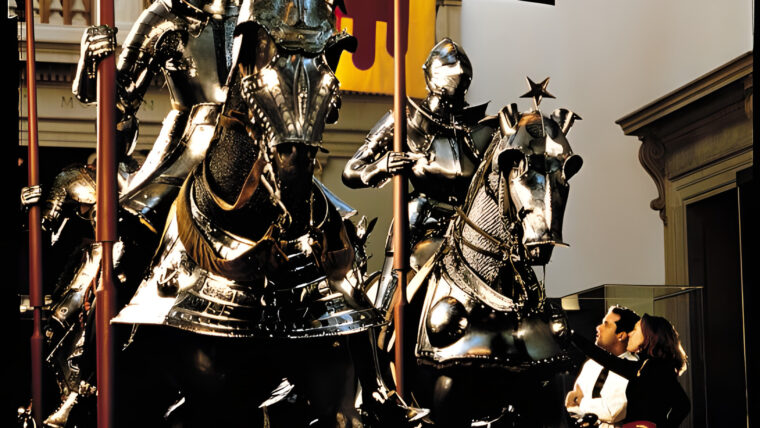
Admirers of arms and armor should at least make ONE pilgrimage to the Metropolitan Museum of Art in New York City. Read more
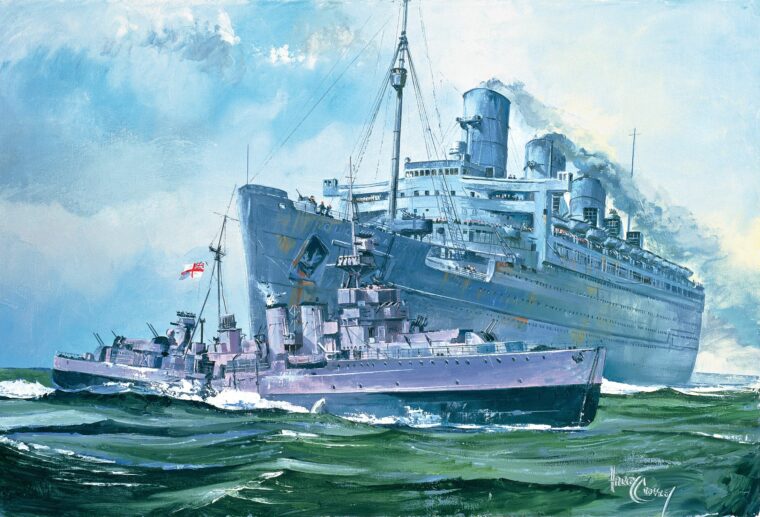
Not all those who died in World War II died in combat. There were also illness, heart attacks, cancer, friendly fire … and accidents. Read more
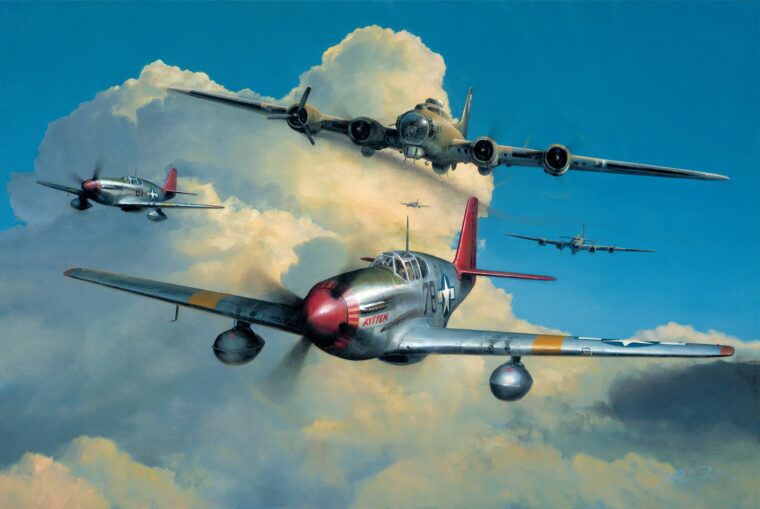
The African American Tuskegee Airmen took the fight to a well-trained and deadly enemy with a ferocity and tenacity that World War II aerial combat required. Read more
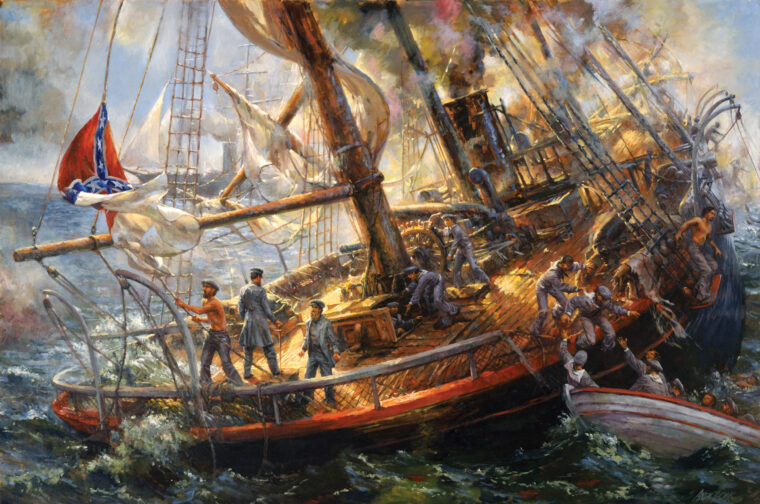
On August 24, 1862, newly promoted Captain Raphael Semmes of the Confederate States Navy called his largely English crew to the quarterdeck of his new command, the 220-foot battle cruiser Alabama, lying off the coast of Terceira in the Azores. Read more
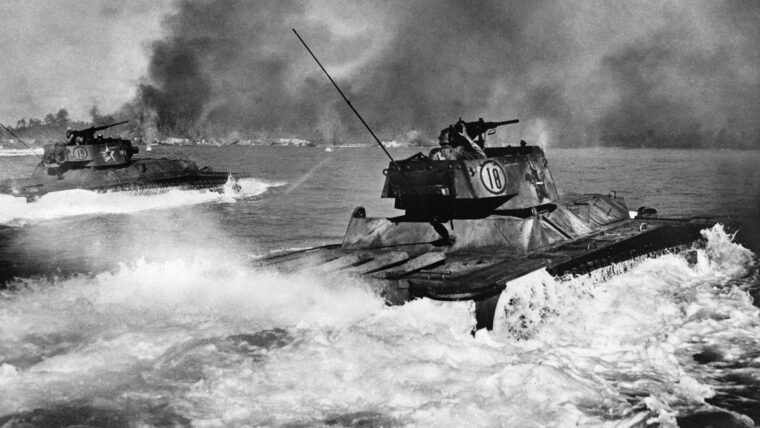
On maps of the Pacific, it’s barely visible––a mere, seemingly insignificant speck in a vast ocean. Its name––unlike Guadalcanal, Tarawa, Iwo Jima, Okinawa––is virtually unknown today. Read more