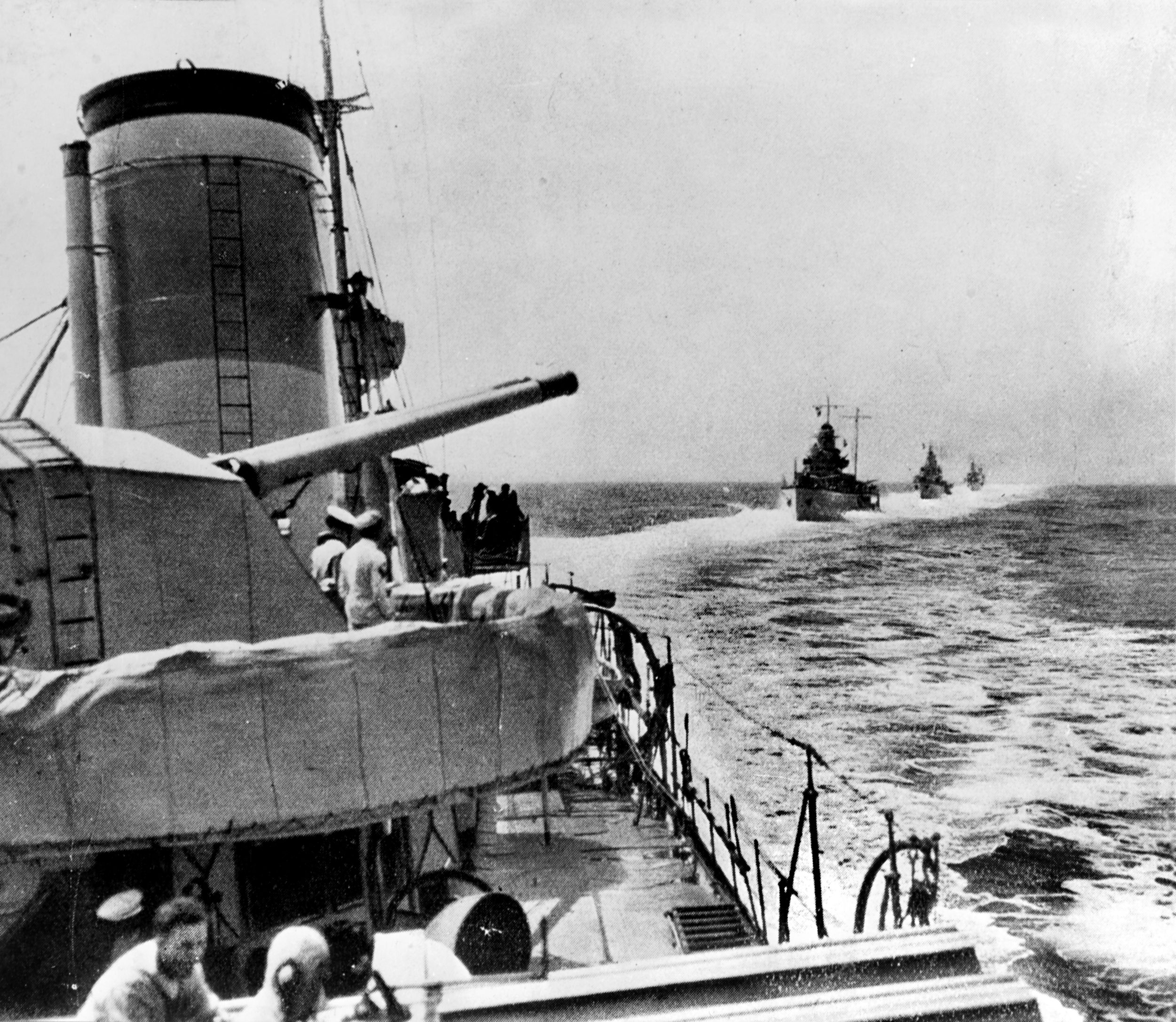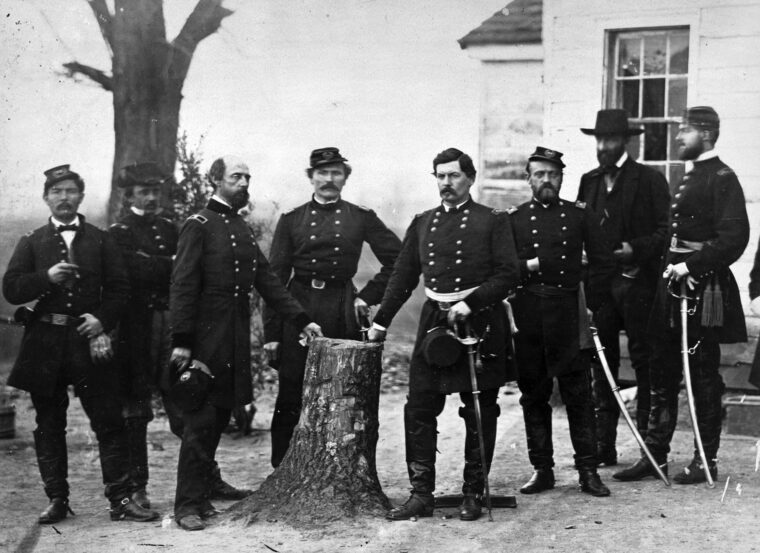
Battle of Mechanicsville: McClellan’s Unexploited Victory

By John Walker

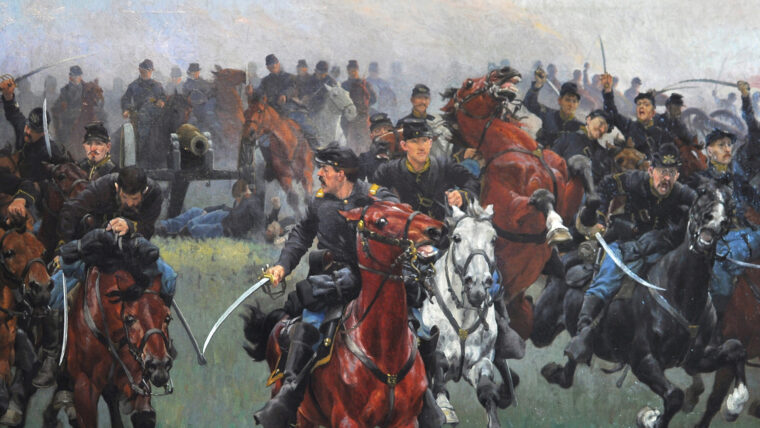
After an almost uninterrupted, four-month-long string of Union successes beginning in early 1862, followed by the advance of a 100,000-man enemy army to the eastern outskirts of its capital at Richmond, Virginia, the Confederacy suddenly found itself in a life-or-death struggle for its very survival. Read more
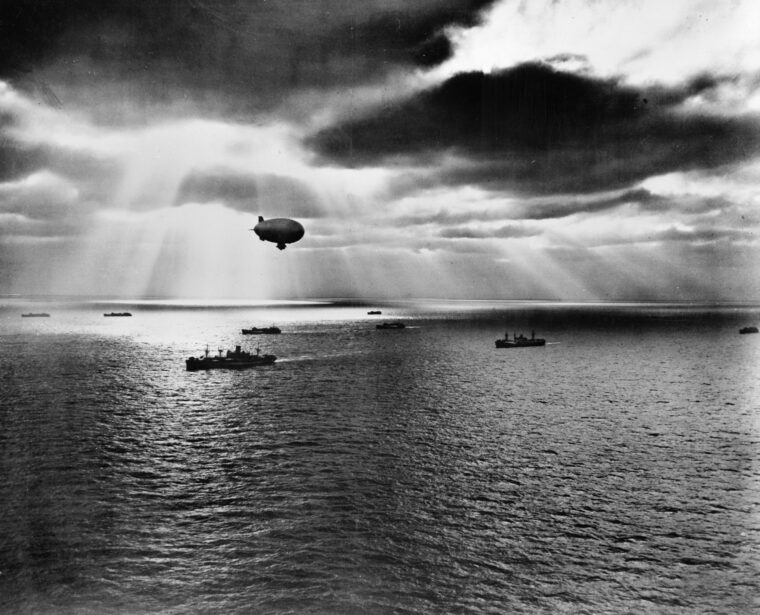
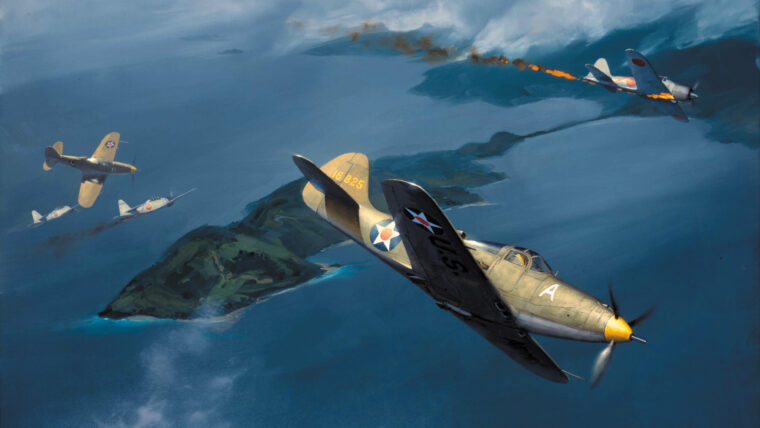
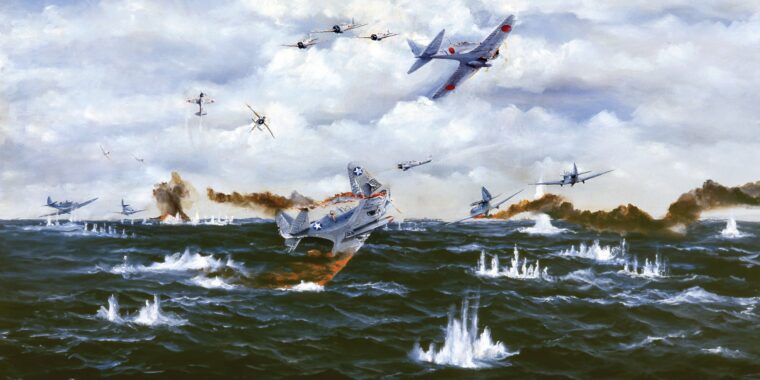
In this painting by Jack Fellows, P-39s flown by Major George Greene, Jr., (foreground) and “Buzz” Wagner take on Japanese Zeros over the Salamaua Peninsula.

WWII Planes: The Bell P-39 Airacobra “Peashooter”

by Sam McGowan

If there is an American combat airplane that has achieved an ill-deserved reputation, no doubt it would be the much-maligned Bell P-39 Airacobra, a tricycle landing gear single-engine fighter whose reputation was greatly overshadowed by the more famous, and of more recent design, Lockheed P-38 Lightning, Curtiss P-40 Tomahawk, Republic P-47 Thunderbolt, and North American P-51 Mustang. Read more

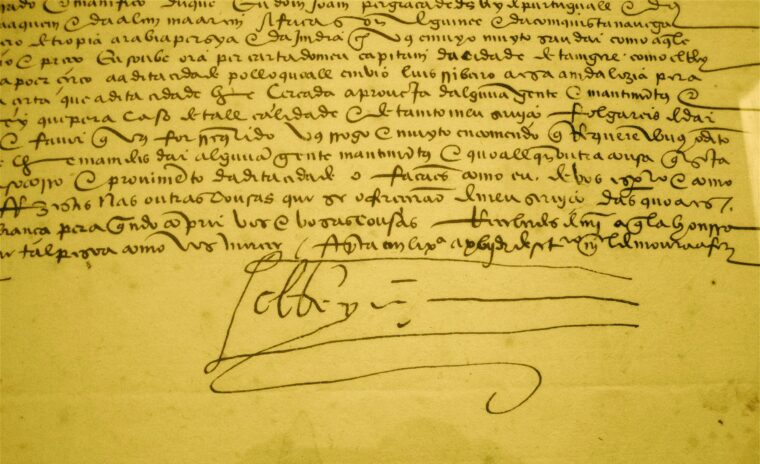
Historical Autographs

By William McPeak

Collecting handwritten documents and letters on military subjects is as long-standing as military history itself. By general definition, when a letter is written and signed by a person, it is considered a holograph (or autograph letter), but a document is something written by an official or servant and then signed by an important person. Read more

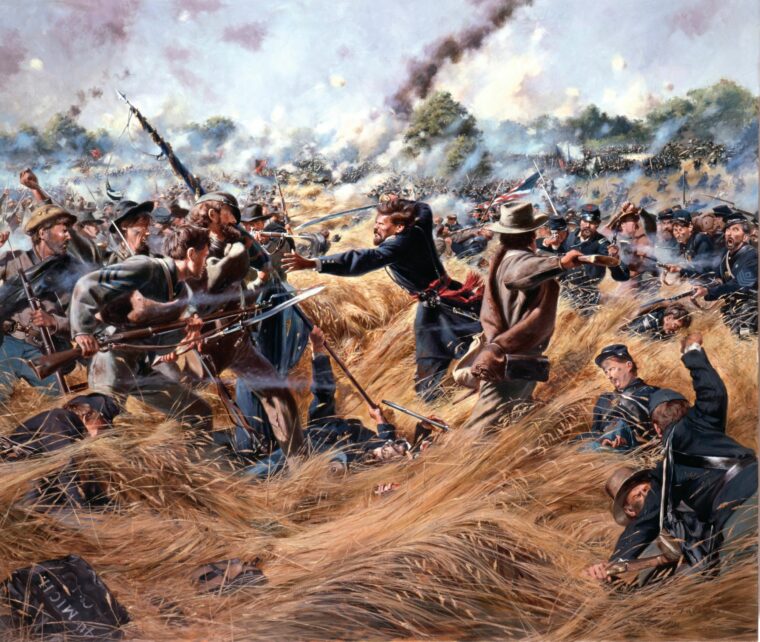
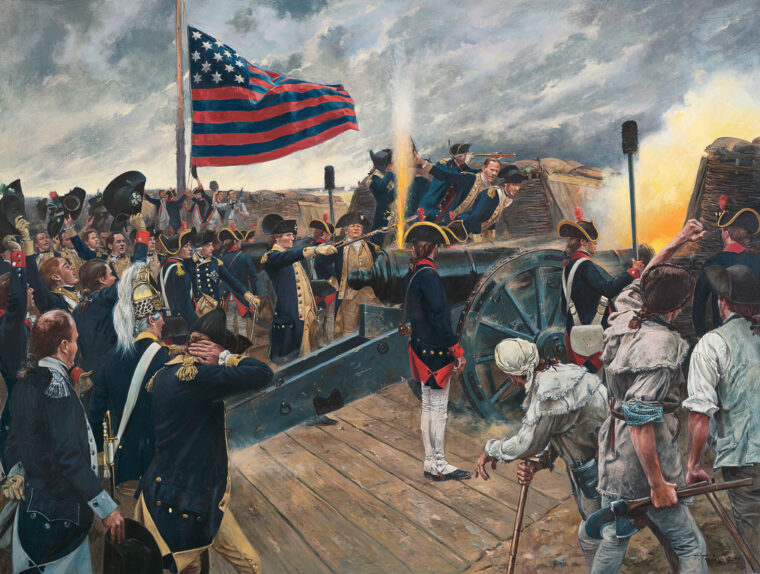
Colonel Harrison Jeffords retakes the regimental colors of the 4th Michigan Infantry during hand-to-hand combat in the Wheatfield at Gettysburg, July 2, 1863. Painting by Don Troiani.

Civil War Diary

By Eric Niderost

It was about four o’clock in the afternoon of July 2, 1863, when Colonel Ira Coray Abbott ordered his regiment to halt on a low rise called “Stony Hill,” near Gettysburg, a small town in southern Pennsylvania. Read more

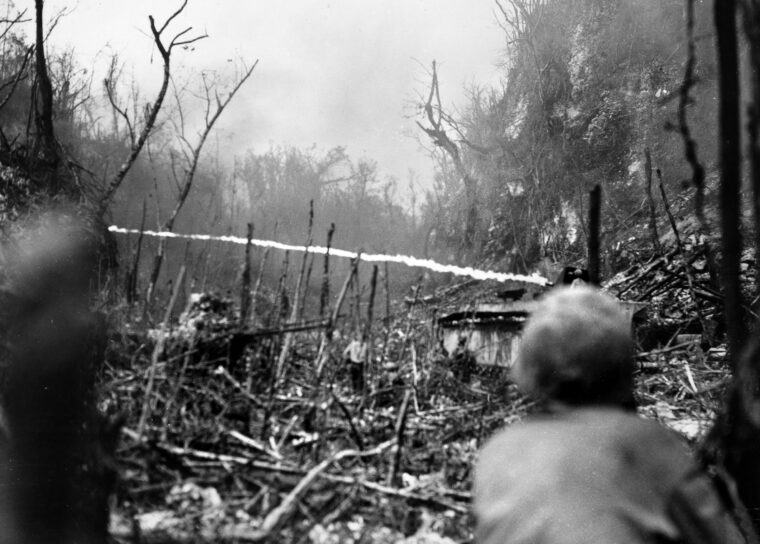
Marines watch as a flame-throwing amphibious tractor fires at caves in the mountainous areas used by the Japanese during the fight for the Pacific island of Peleliu. The lowlands and the airport were quickly captured, but the Umurbrogol massif—a series of limestone and choral ridges rising as high as 300 feet took much longer. A moonscape of sinkholes, canyons and cliffs further fortified by Japanese engineers, the “Umurbrogal Pocket,” and the island, was finally declared secure 73 days after the Marines had landed.

Savage Struggle for Peleliu

By Joshua Shepherd

Amphibious landing craft carrying U.S. Marines plunged through heavy surf toward the beaches of Peleliu Island, a formerly inconspicuous tropical paradise in the Palau Islands. Read more

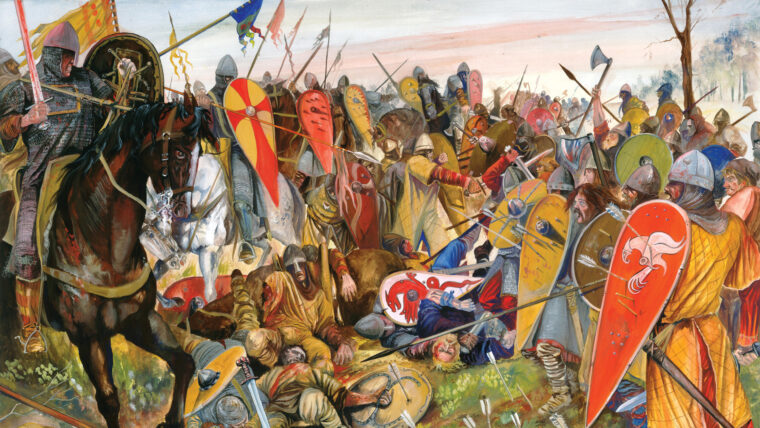
Hammer of the Normans

By William E. Welsh

Bright sunshine flooded the sedge-covered, damp ground in Sussex on the morning of October 14, 1066. Having attended mass at sunrise, Duke William of Normandy shouted commands to his senior officers outlining their positions for the coming battle with English King Harold II Godwinson’s army. Read more

Royal Marine of the 2nd Battalion (1813-1815)

By William E. Welsh, Art by Don Troiani

After nearly 150 years of service to the British crown, the Royal Marines had upwards of 31,000 marines worldwide at the time of the War of 1812, which constituted about 13 percent of the 240,000 British troops under arms around the globe at that time. Read more

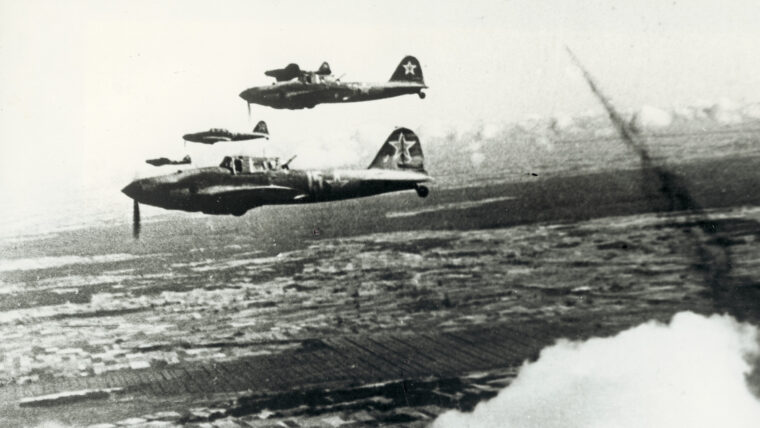
A flight of Soviet IL-2 Stormoviks attack a German oil depot in the Crimea. Their mission: Protect the last Soviet stronghold at Sevastopol.

Dueling Aces in Sevastopol

By Christer Bergström and Andrey Mikhailov

In June 1942, the Black Sea port of Sevastopol on the Crimea was the scene of some of the fiercest fighting of World War II. Read more

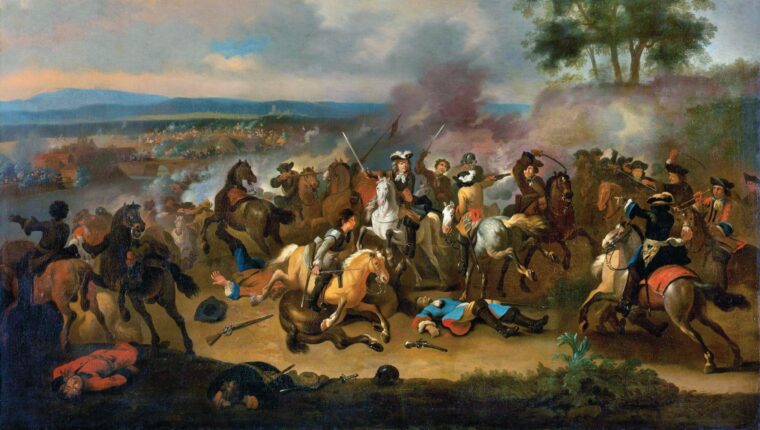
“Battle of the Boyne between James II and William III, 11 June 1690,” by Dutch artist Jan van Huchtenburgh (1647 - 1733). The battle, which took place along the Boyne River some 30 miles north of Dublin, was a major setback in James's attempt to regain the thrones of England and Scotland.

Blunder at the Boyne

By Robert L. Durham

Deposed Catholic King James II had come to Ireland with hopes of regaining the throne of England, and after a year of minor successes and setbacks, the time had come for him to make a stand. Read more

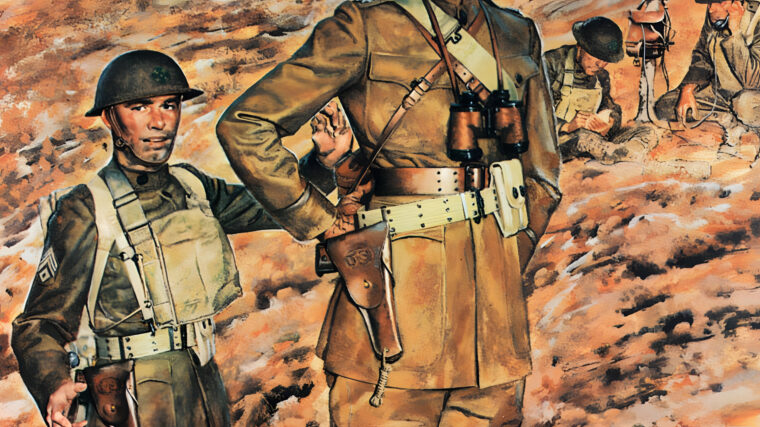
The U.S. Army M1910 Pattern Combat Equipment Web Belt

By Peter Suciu

The American combat soldier today looks quite a bit different from his ancestor of 100 years ago. Besides the style of uniform, which now features a digital camouflage pattern to blend into desert surroundings, the fabrics today are far more breathable than the heavy wool that was worn when American soldiers went “Over There” in World War I. Read more

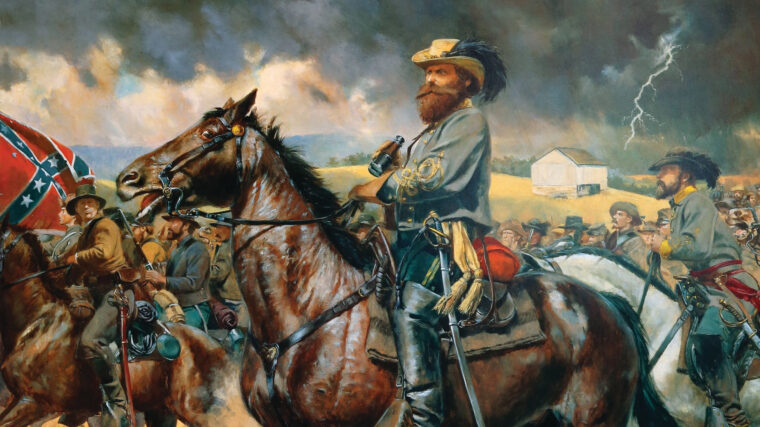
The Battle of Hagerstown

By Daniel Murphy

Late in the evening of July 3, 1863, Major General James Ewell Brown “Jeb” Stuart was summoned to the headquarters of Robert E. Read more

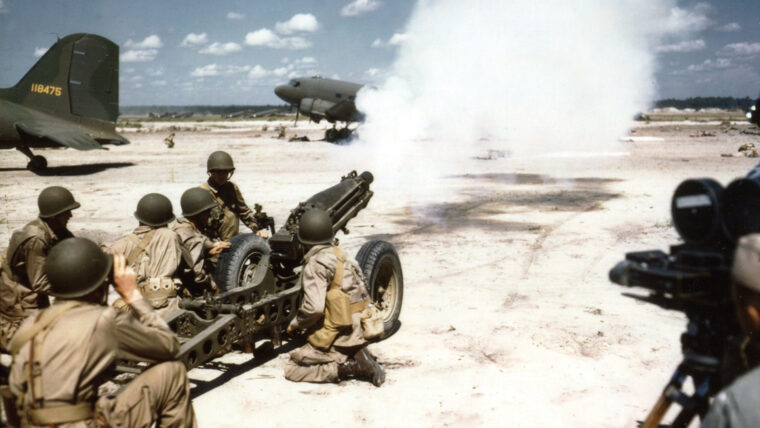
Airborne! Learning to Fly and Land—Hard

Photo Essay by Kevin M. Hymel

Every American soldier who jumped into North Africa, Europe, the Philippines and other combat zones around the globe during WWII had to first learn his trade at Fort Benning, Georgia. Read more