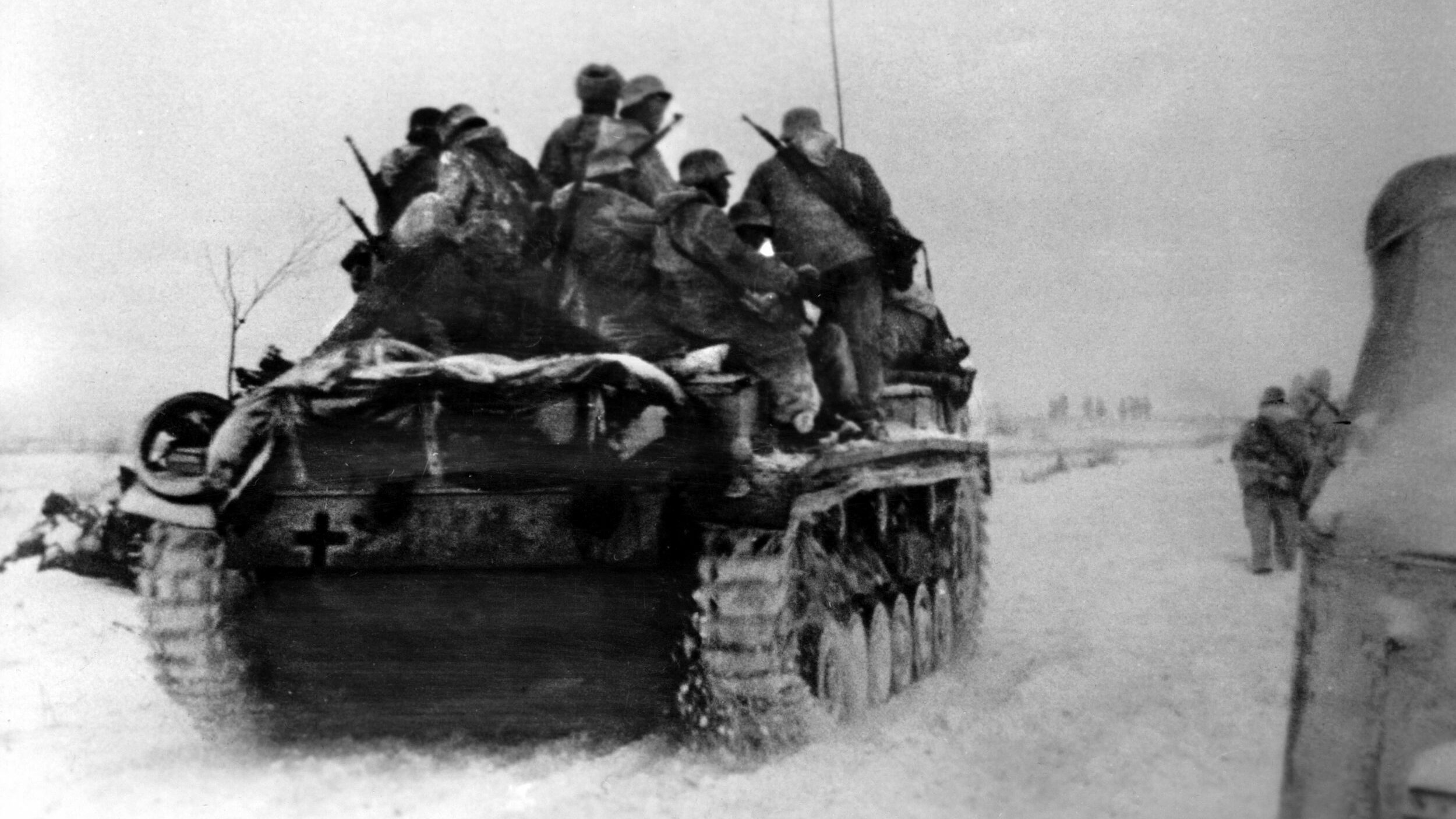
During the 1943 Battle of Kursk in Russia, specialized antitank versions of the Junkers Ju-87 known as “Gustavs” used tungsten-core shells to knock out Soviet tanks. With its upgraded speed, firepower, and armor, the “Dora” (D-series) version of the Ju-87 proved crucial in supporting ground troops and destroying Soviet antiaircraft batteries.

The Stuka

By Richard Rule

During World War II the exploits of certain aircraft saw them indelibly associated with the battles in which they fought. Read more

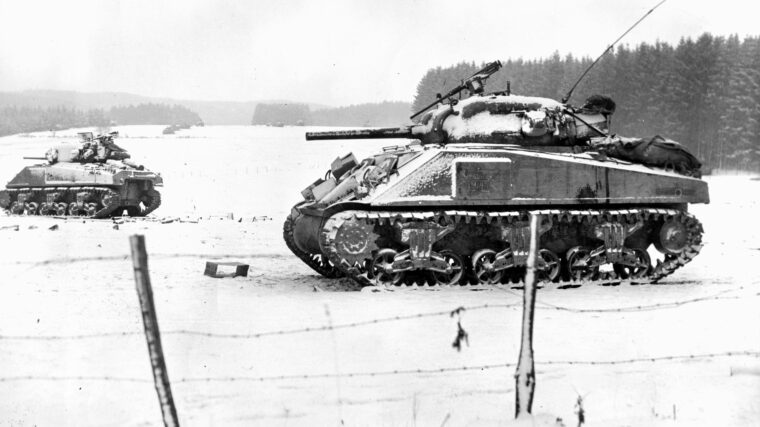
Fighting 80th Division at Bastogne

By Leon Reed

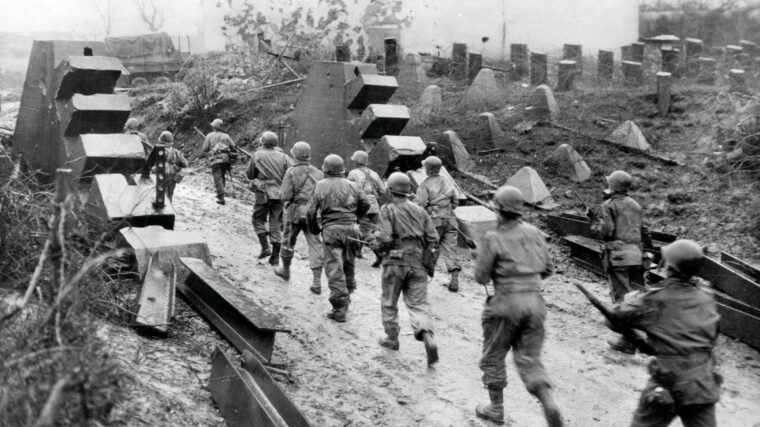
In a letter to his fiancée, Betty Craig, on December 16, 1944, from Helleringen, France, newly promoted Staff Sergeant Frank Lembo of Company B, 305th Engineer Combat Battalion, 80th Division, wrote of a battalion show the night before, complete with Red Cross girls serving donuts and the division band; an upcoming dance; doing laundry; and other pastimes of a soldier experiencing a period of reserve status. Read more

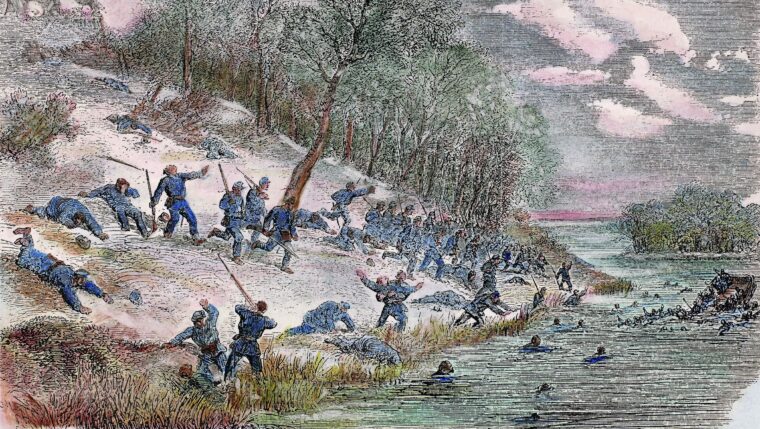
Battle of the Thames

By Christopher Miskimon

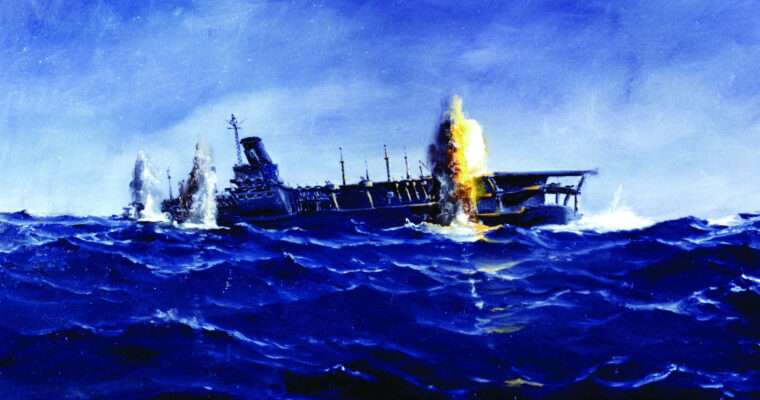
A British squadron lay wrecked on the waters of Lake Erie. Six vessels of war floated in ruins and 135 English sailors lay dead or wounded. Read more

This mortar battery was erected outside Confederate earthworks at Yorktown, Virginia, in 1862. McClellan slowed his advance to bring mortars up. The Southerners then retired toward Richmond.

Civil War Artillery

By John D. Gresham

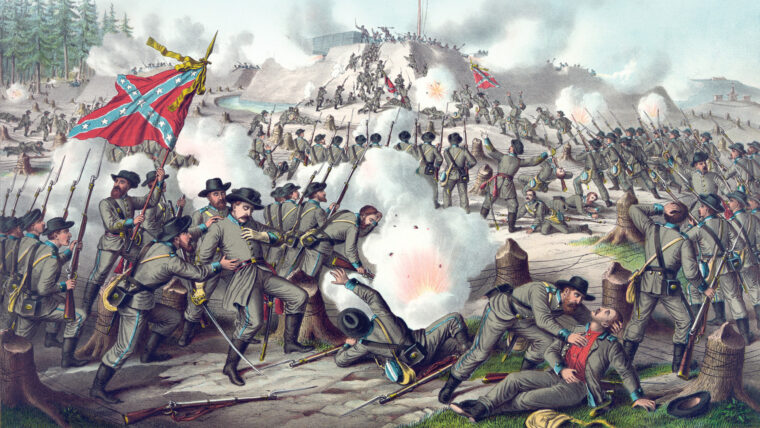
For much of its history, artillery has been a weapon of mass destruction and attrition, a force designed to cause casualties, destroy fortifications, and wear an enemy down with its noise, explosions, and shrapnel. Read more

M18 Hellcat Tank Destroyers Failed on the Battlefield

By William F. Floyd Jr.

In 1940, existing U.S. Army tactical doctrine called for a cordon of towed antitank guns to defend against an enemy tank attack, but army planners studying the Battle of France in May of that year realized that a tactical plan of that nature was outdated and likely would not thwart a large-scale armor attack. Read more

General Jean Baptiste Kleber’s French infantry form squares to defend against superior numbers of mounted Mamelukes on April 16, 1799. Kleber’s night raid on Jazzar Pasha’s camp at the base of Mount Tabor backfired when he failed to estimate how long it would take to reach the camp, and his approach was discovered at dawn.

Napoleon’s Dramatic Rescue

By Robert Heege

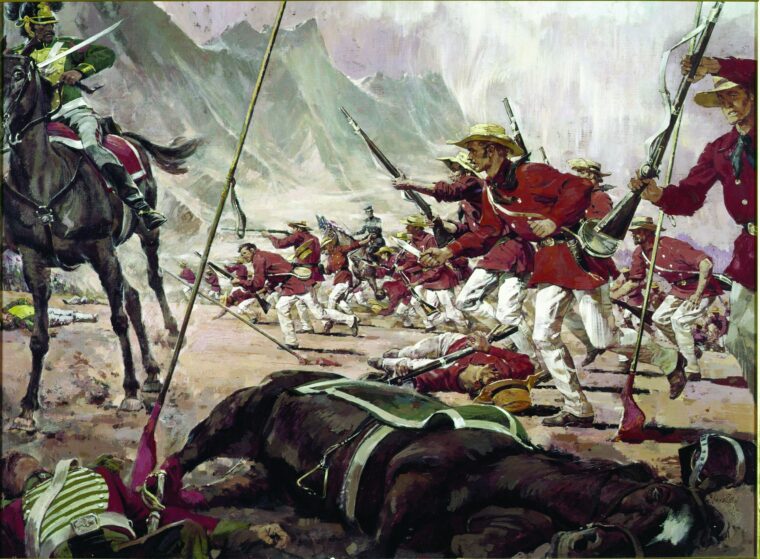
On March 18, 1799, a strange thing happened in the Near East backwater that today is Israel. In the years that followed the birth of Jesus, the rise of Christianity, and the fall of Byzantium, things in the region had quieted down considerably since the Mohammedan conquests (apart from the Crusades). Read more

The Seige of Przemyśl

By Eric Niderost

Four Russian soldiers, a lieutenant colonel and another officer, with an NCO and bugler, strode briskly down Jaroslaw Road just north of the defensive perimeter of Fortress Przemyśl. Read more

Boyd Wagner: Early American Ace

By Sam McGowan

Common wisdom has long held that Japanese pilots and aircraft, particularly their fighters, were superior to the American, Australian, and British counterparts they faced in combat in the Philippines and Southeast Asia in the opening months of U.S. Read more