Lightning Assault on Pegasus Bridge
By Joshua Shepherd
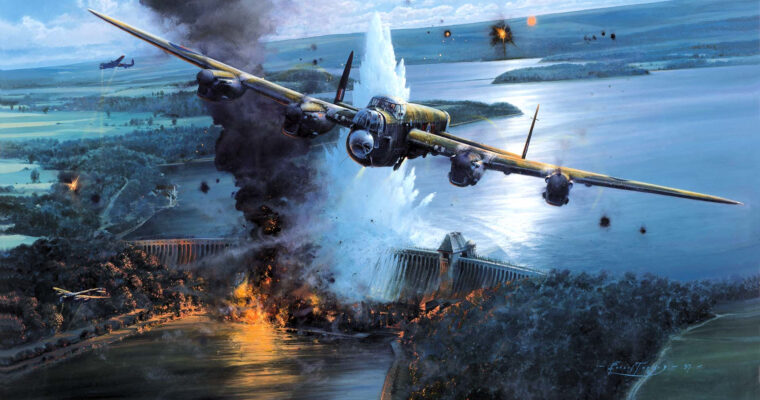
At midnight of June 6, 1944, a trio of Halifax bombers, each towing a Horsa glider, roared above the black waters of the English Channel. Read more
By Joshua Shepherd
At midnight of June 6, 1944, a trio of Halifax bombers, each towing a Horsa glider, roared above the black waters of the English Channel. Read more
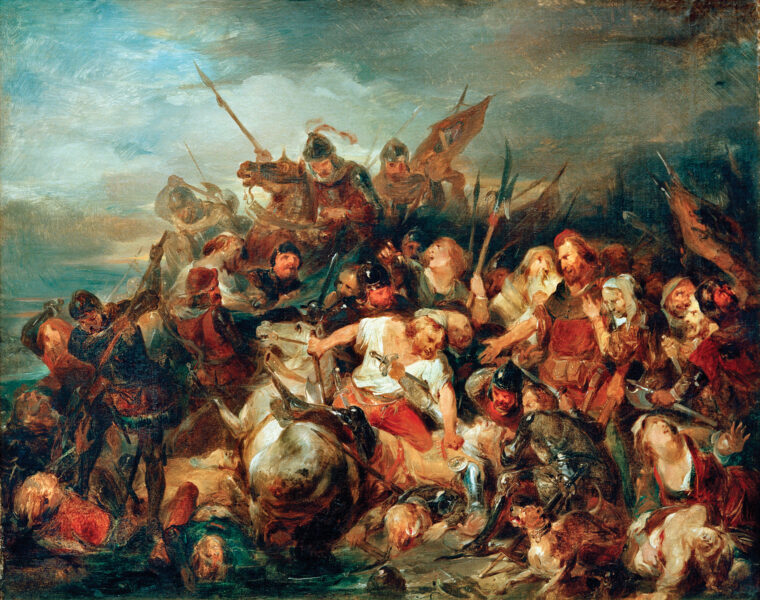
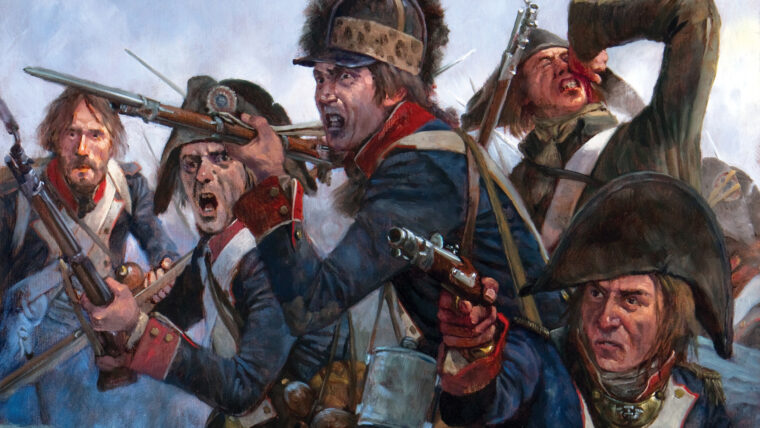
With a large army and little to oppose him, King Joseph Bonaparte sat in Madrid on the throne of Spain, in January of 1810. Read more
She was the lead ship of her class, built under the 1930 London Naval Treaty, which imposed limits on cruiser, destroyer, and submarine tonnage for the United States, Great Britain, and Japan. Read more
Seemingly from birth, William Haines Lytle was bound for glory. As the last surviving male offspring of one of Cincinnati’s leading pioneer families, Lytle was the prototypical golden boy. Read more
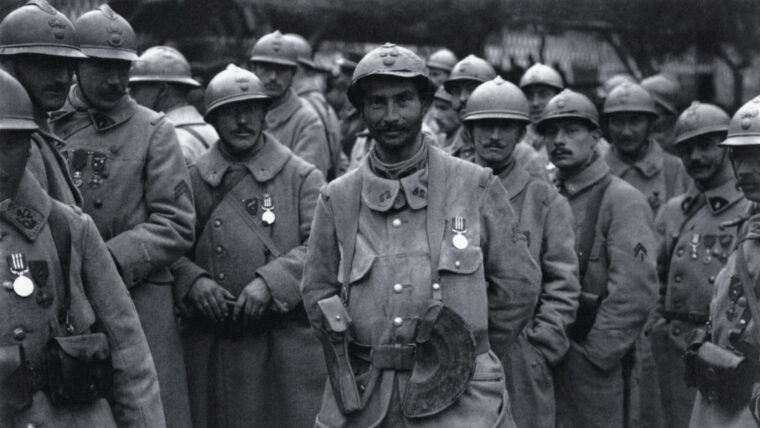
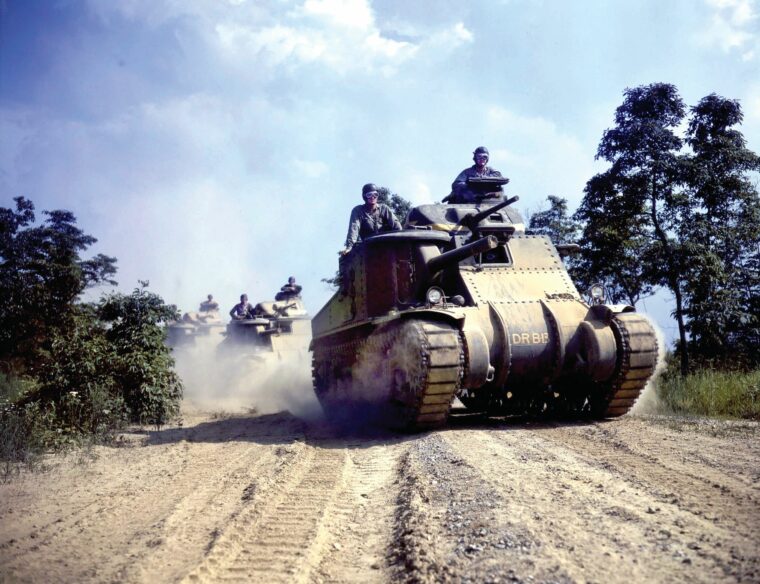
By June 1940, during Franklin D. Roosevelt’s seventh year in office, Europe was ablaze. In that month, France fell to the Nazi blitzkrieg that threatened to overtake the entire continent. Read more
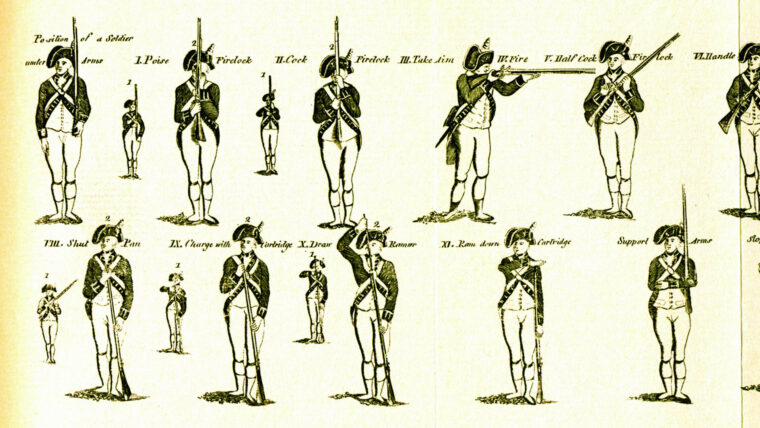
On June 19, 1778, Continental soldiers marched out of Valley Forge, happy to leave the rough wooden cabins where they had spent a miserable winter; cold, hunger, and disease had been their constant companions. Read more
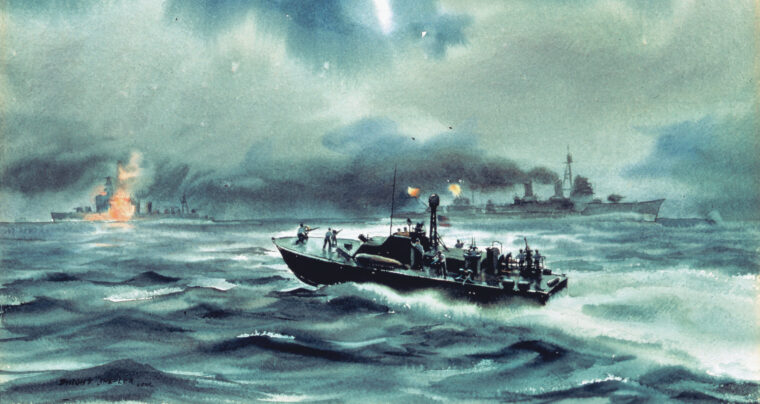
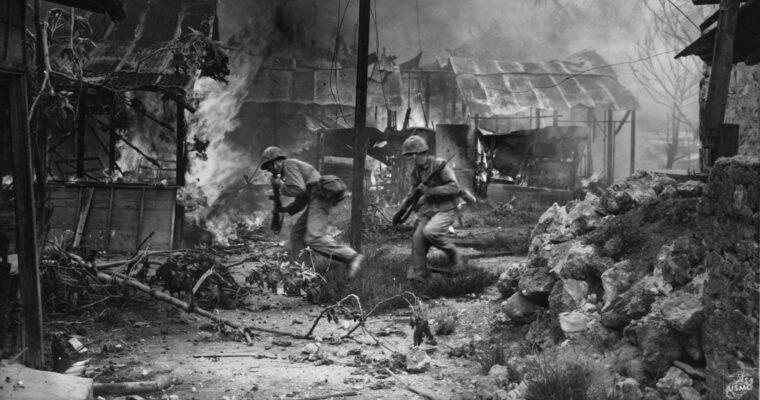
Edward T. Higgins had witnessed few spectacles to match the one that unfolded all about him in the waters surrounding Okinawa, an island 400 miles southwest of the Japanese Home Island of Kyushu. Read more
By Ian McCall
Whiskey has long been a faithful companion for many soldiers out on campaign. Be it issued by armies or snuck onto battlefields inside canteens; whiskey remains one of the most important beverages for American soldiers. Read more
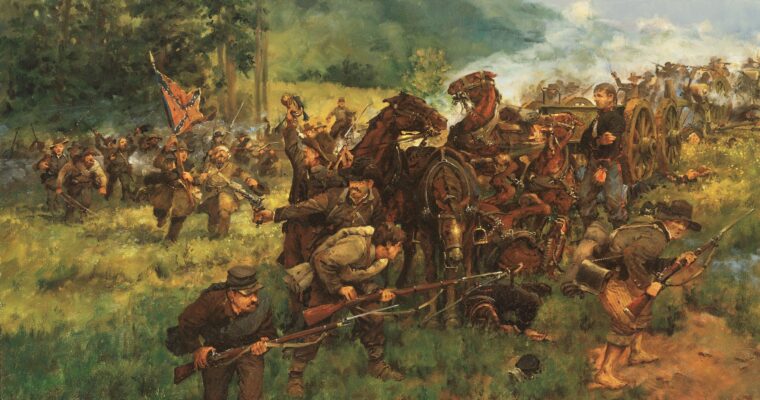
All day on July 4, 1863, the Union and Confederate armies stared at each other across the battlefield of Gettysburg. Three days of massive attacks had bled the Confederates until they lacked the manpower to attack again. Read more
The geopolitical implications of the so-called “Boxer Rebellion” were unlikely to have crossed the mind of U.S. Marine Corps Private Daniel Joseph Daly as he and Capt. Read more
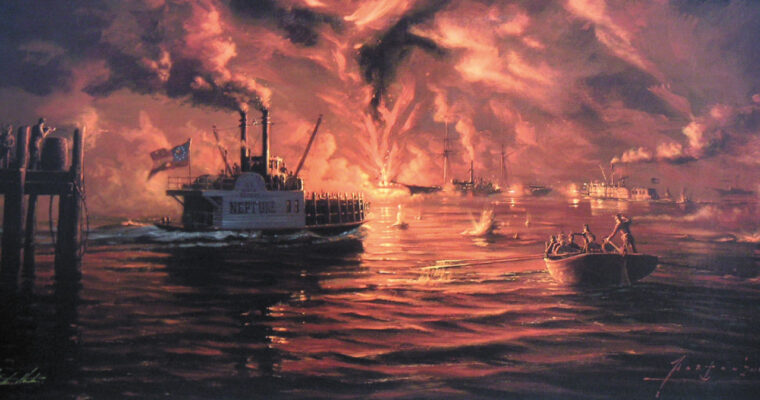
Landsman Robert Fleming was on watch aboard the U.S.S. Housatonic, a Union steam sloop patrolling the waters just off Charleston, South Carolina, in the winter of 1864. Read more
John Frémont’s 100 Days: Clashes and Convictions in Civil War Missouri (Gregory Wolk, University of Chicago Press, Chicago, IL, 208 pp., Read more
As the clock struck 8:00 p.m. in Arnhem, Holland, Lt. Col. John Frost’s British 2nd Parachute Battalion captured the north end of the road bridge over the Nederrijn River. Read more
Moonlight bathed the dusty narrow path leading into the village of Ganjal shortly before sunrise on September 8, 2009, as nearly 100 soldiers climbed out of more than a dozen vehicles a mile from the seemingly peaceful village. Read more
No one ever used the words “graceful” or “elegant” to describe the M3 submachine gun. Instead, those soldiers, sailors and Marines who carried it called the M3 a “plumber’s nightmare” or “the cake decorator.” Read more
The two men facing each other across the debate stage at Ottawa, Illinois, on the afternoon of August 21, 1858, were no strangers to one another. Read more
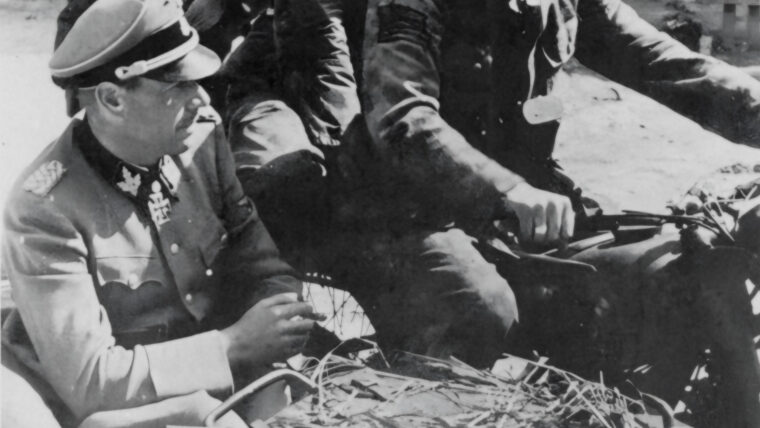
In German it was called Operation Rösselsprung, which translates to “Long Jump.” Its goal was to kill or kidnap the Allies’ “Big Three” leaders––Soviet Premier Josef Stalin, British Prime Minister Winston S. Read more
Their name has been synonymous with murder for almost a thousand years, but few people know the full truth about the enigmatic organization known as the Assassins. Read more
(Continued from Part 1 in the August 2020 issue)
Just after midnight on February 9, 1945, across the diamond-shaped mass of forest, hills, and flooded terrain that defined the Reichswald, rain fell in a steady downpour upon a battlefield that had already seen some of the most ferocious fighting of World War II in Western Europe. Read more
Among the historic inventory of the United States Army’s artillery weapons, few pieces have enjoyed a more predominant role or reputation than the Model 1857 12-pounder gun-howitzer, which became a mainstay of the Federal artillery during the Civil War. Read more