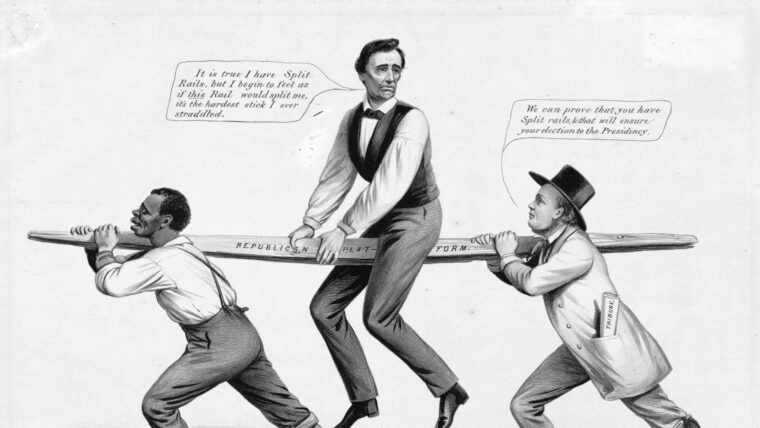
Allan Pinkerton
By Clark Larsen“Early in the year 1861, I was at my headquarters in the city of Chicago, attending to the manifold duties of my profession. Read more
“Early in the year 1861, I was at my headquarters in the city of Chicago, attending to the manifold duties of my profession. Read more
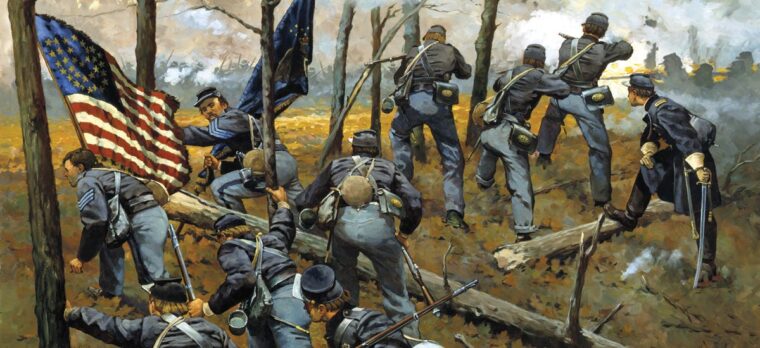
It was raining heavily, a deluge of almost Biblical proportions that hammered down on the exhausted men of the Union’s Army of the Tennessee. Read more
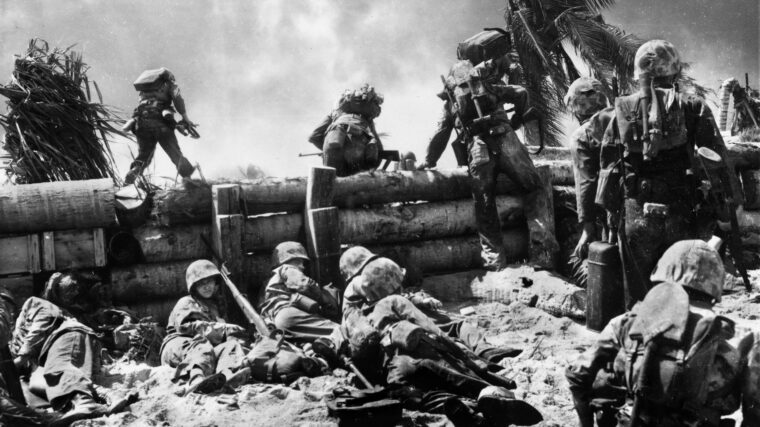
For a week before November 20, 1943, U.S. Navy and Seventh Air Force planes did their best to destroy the Japanese defenses on the tiny Pacific atoll of Tarawa. Read more
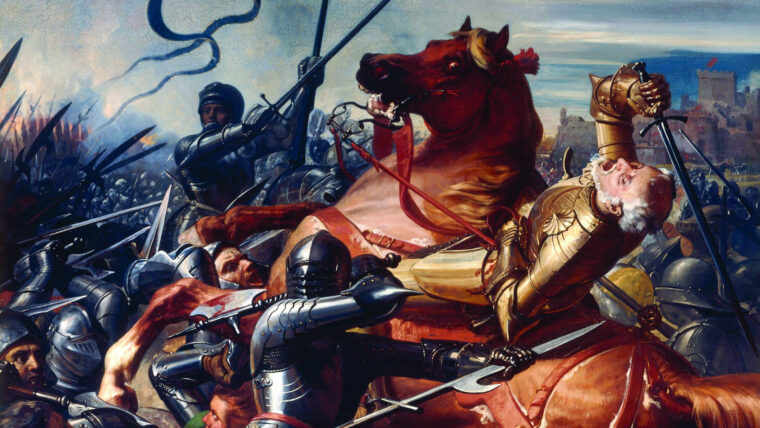
England’s long downward slide to defeat in the Hundred Years’ War began with the failed siege of Orleans in 1428. Read more
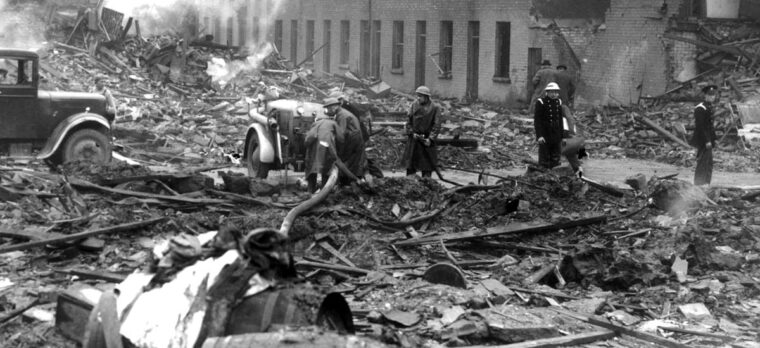
The south of Ireland, officially known as Eire and often referred to by many residing there as the “Free State,” declared its neutrality when World War II erupted suddenly in September 1939. Read more
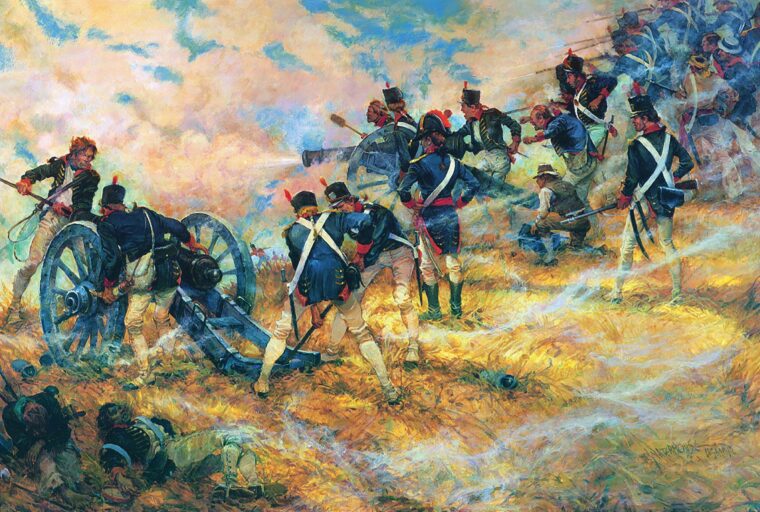
News arrived in the capital city that the British army had defeated a hastily-gathered and rag-tag collection of American soldiers, sailors, militiamen, and government clerks in Maryland at Bladensburg. Read more
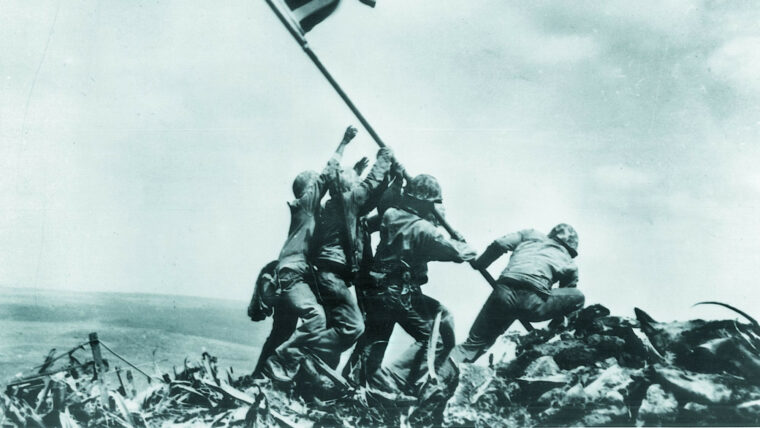
The “Raising of the Flag” photo taken by 33-year-old Associated Press photographer Joe Rosenthal on the fifth day of the Iwo Jima battle provided the world with a much-needed uplifting symbol in February 1945. Read more
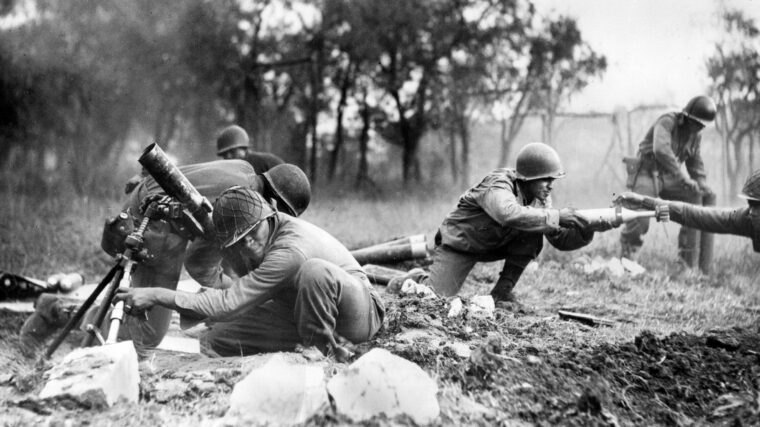
There are important similarities between Hitler’s final great push into Belgium and Luxembourg and Mussolini’s drive south of Garfagnana. Read more
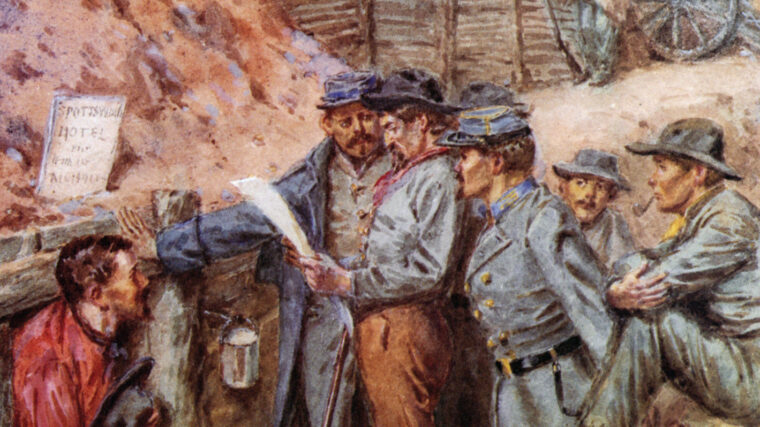
“For sugar the government often got sand; for coffee, rye; for leather, something no better than brown paper; for sound horses and mules, spavined beasts and dying donkeys; and for serviceable muskets and pistols, the experimental failures of sanguine inventors, or the refuse of shops and foreign armories.” Read more
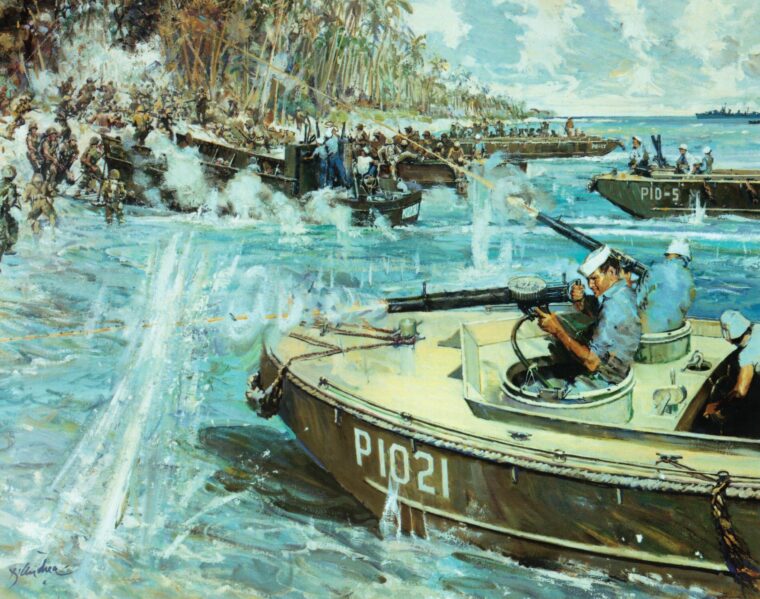
Recently put ashore, three companies of U.S. Marines advanced stealthily along the Matanikau River on the northern coast of Guadalcanal on September 27, 1942. Read more
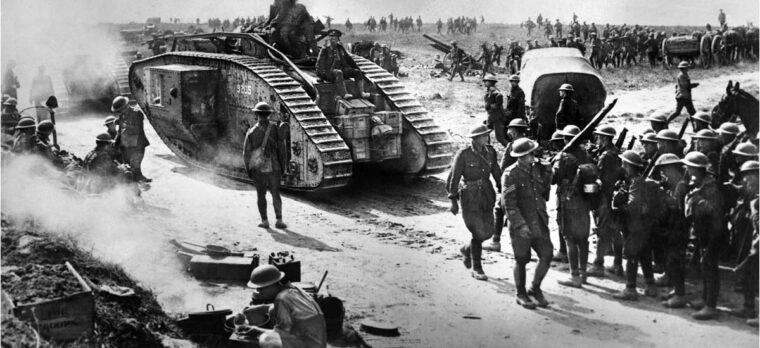
The drone of a Royal Air Force bomber could be heard overhead in the early morning of August 8, 1918, as it flew up and down the Allied line near Amiens, France. Read more
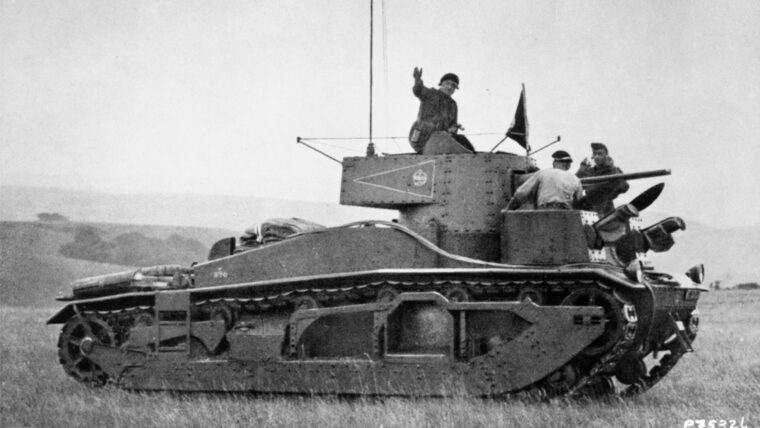
An army that will be poised for victory requires élan, military intellect, a penchant for tactical and strategic innovation, and the zeal to use the most qualified individuals for training and leadership. Read more
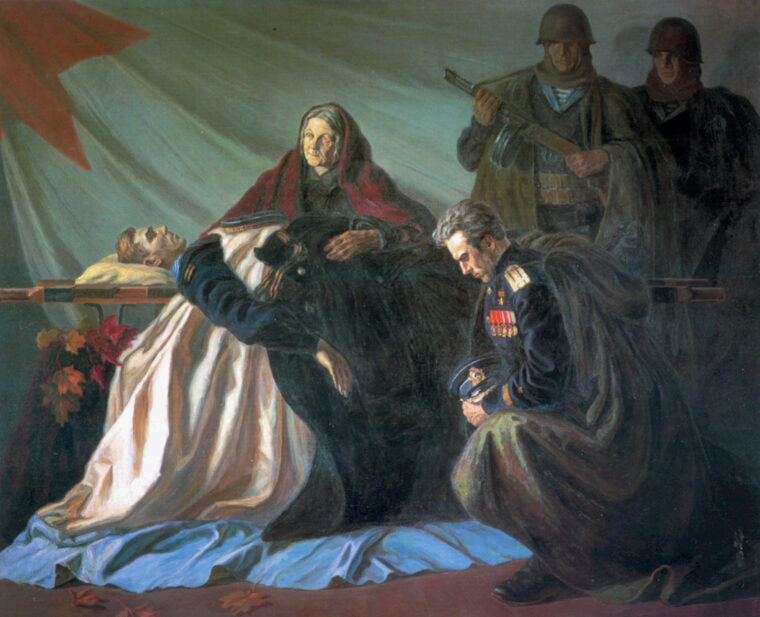
In 1917, after almost three years of hard fighting in World War I, the Romanov dynasty came to an end with the abdication of Czar Nicolas II of Russia. Read more
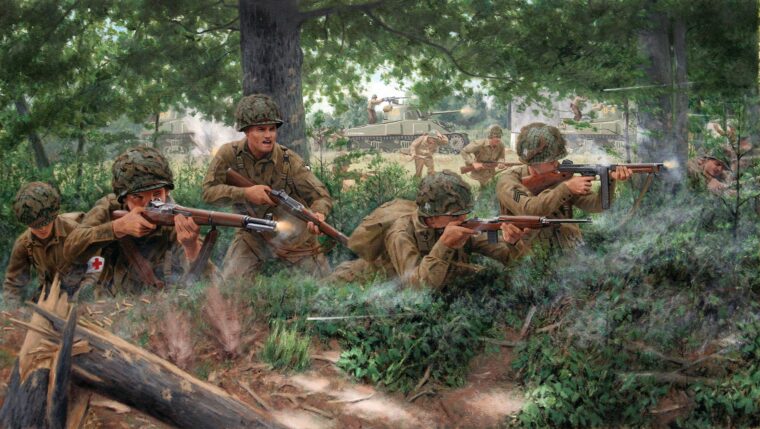
Swirls of black smoke billowed high above the steeples and splintered roofs as Lieutenant Ronald Speirs surveyed the stucco exteriors of storefronts and dwellings pocked by the scars of urban battle. Read more
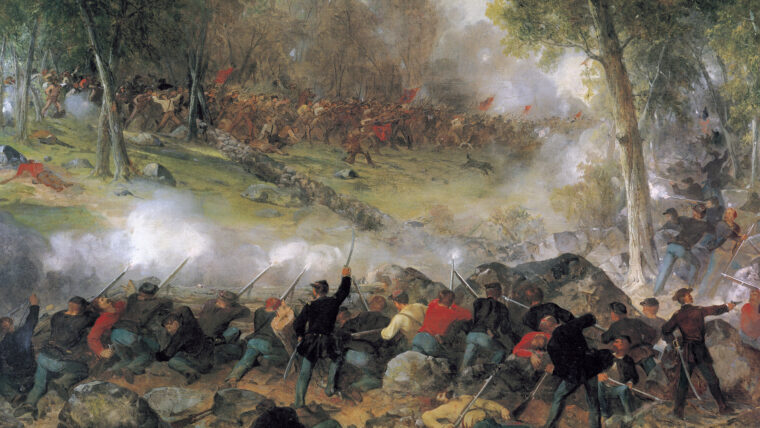
As they formed ranks on the Hanover Road one mile east of Gettysburg, Pennsylvania, on the afternoon of July 2, 1863, the men in the II Corps of the Army of Northern Virginia stared anxiously at the giant boulders and towering oak trees dotting the humpbacked prominence known as Culp’s Hill, three quarters of a mile southeast of town. Read more
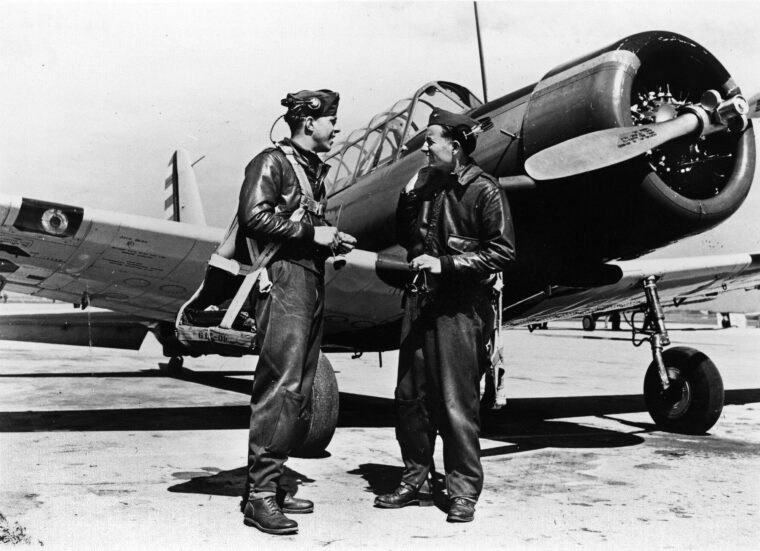
Most historical accounts of World War II aviation relate the experiences of commissioned officers, men who obtained their wings through completion of a military pilot training program. Read more
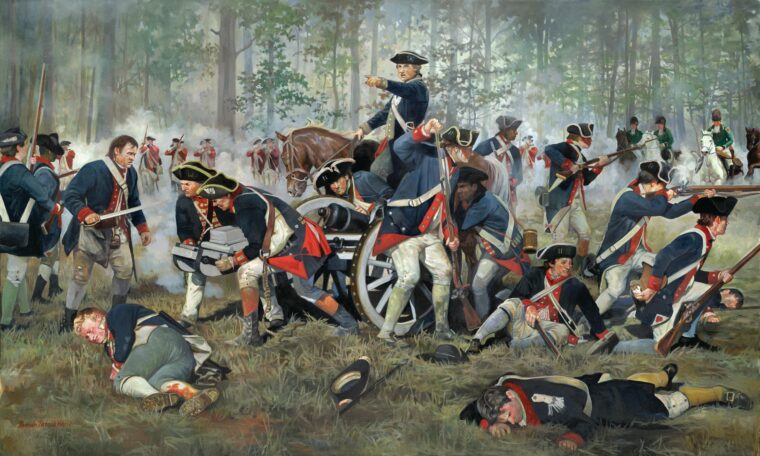
In late March 1781, American Maj. Gen. Nathanael Greene sought to make the best of a bad situation. Read more
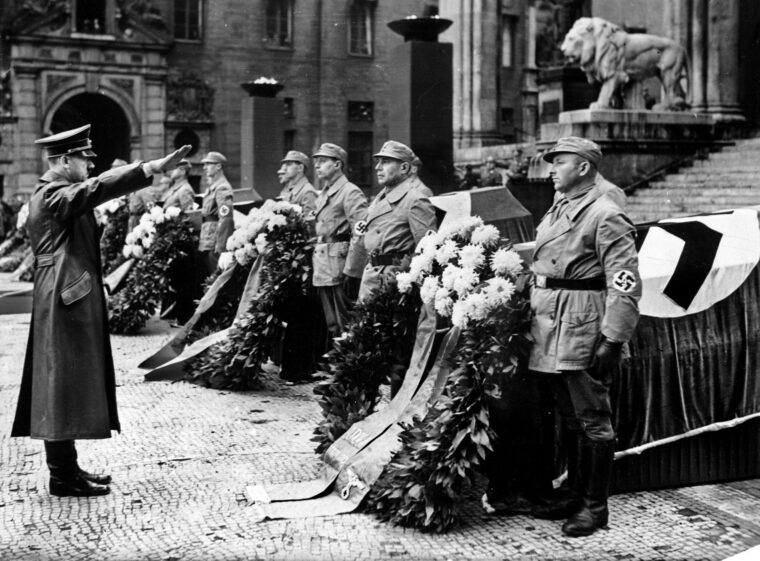
Sir Alexander Cadogan did not believe it.
He had been given a report from Admiral Sir Archibald “Quex” Sinclair, head of MI6, on October 6, 1939, that German generals were reaching out to the British Embassy in The Hague in neutral Holland, to orchestrate a coup against Adolf Hitler that would replace the Nazi regime with a military junta, which would then make peace. Read more
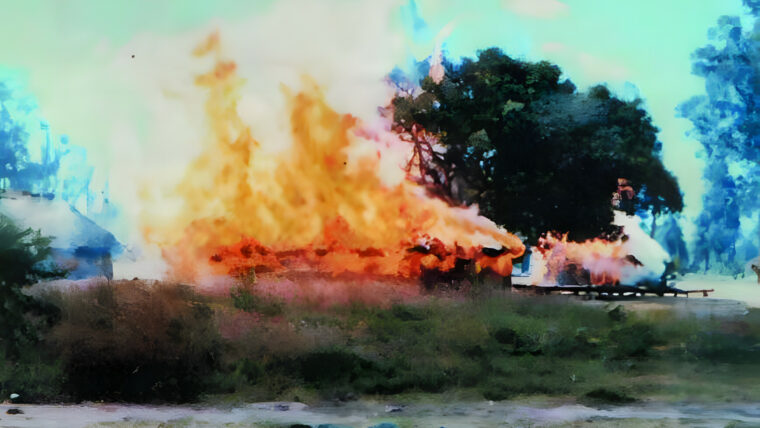
South Africa in the spring of 1978 was a country besieged. The apartheid state was increasingly unpopular with its neighbors and unable to control its own restive black population. Read more
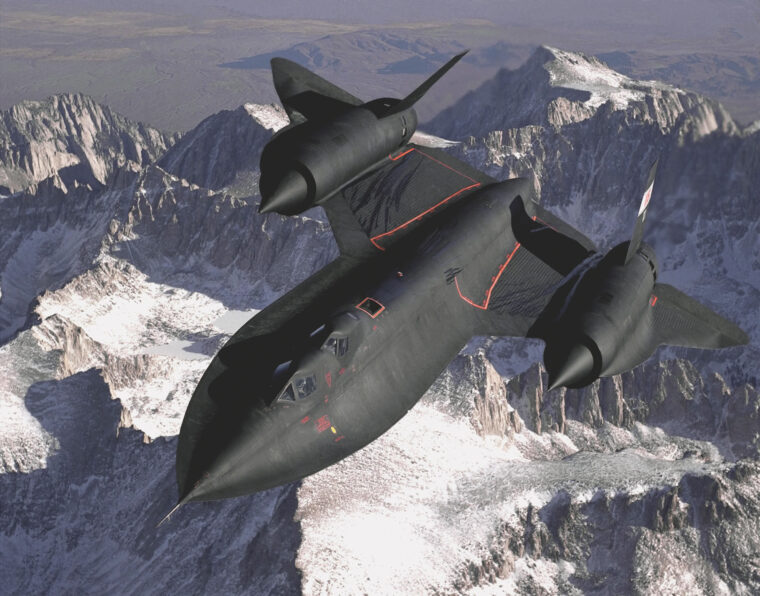
Few aviation organizations have shaped the modern world as profoundly as Lockheed’s Skunk Works, formally known as Advanced Development Programs. Read more