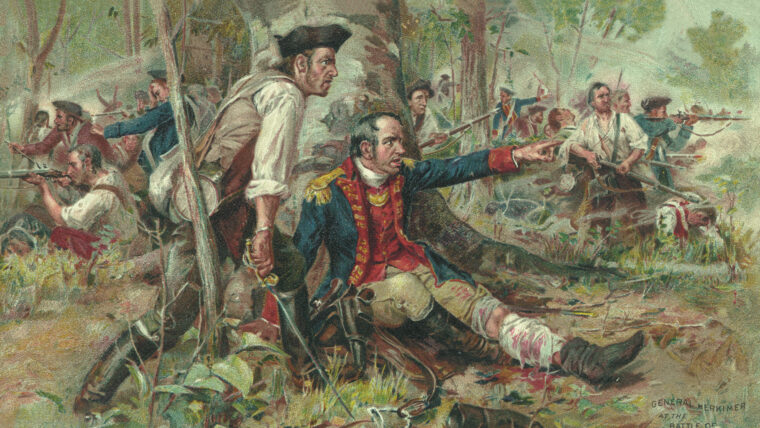
The Battle of Oriskany: Into the Trap
By Donald Roberts IIThe year 1776 ended on a high note for Washington’s Continental Army despite its earlier devastating defeats on Long Island and Manhattan. Read more
The year 1776 ended on a high note for Washington’s Continental Army despite its earlier devastating defeats on Long Island and Manhattan. Read more
In most popular spy thrillers, secret agents are tall, handsome, virile, and irresistible to women. Whether their name is Dirk Pitt, Jack Ryan, or James Bond, all are hard-drinking, well-tailored ladies’ men. Read more
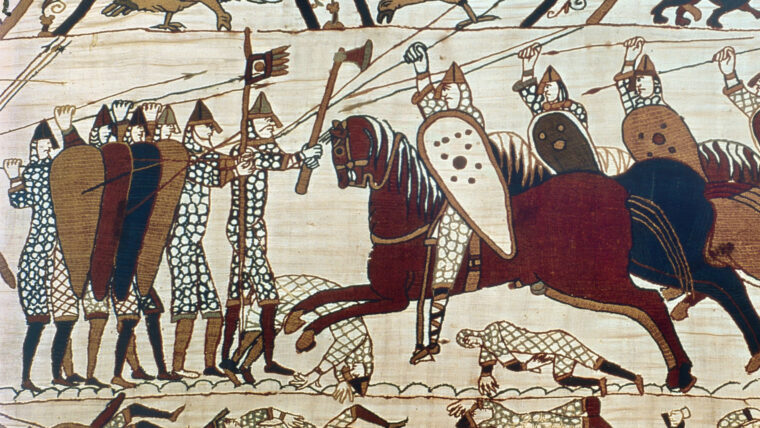
The shafted ax has been around since 6000 bc, in both peaceful and warlike uses. The so-called battle-ax cultures (3200 to 1800 bc) extended over much of northern Europe from the late Stone Age through the early Bronze Age. Read more
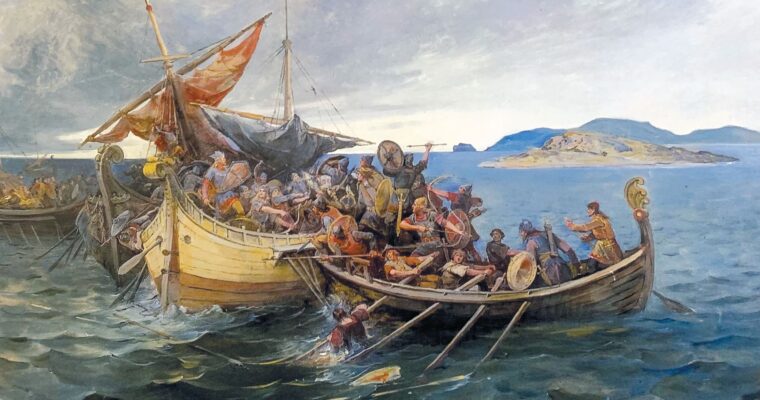
Hammer of the Gods: King Olaf’s Viking Conquest (Don Hollway, Osprey Publishing, New York, NY, 400 pp., Read more
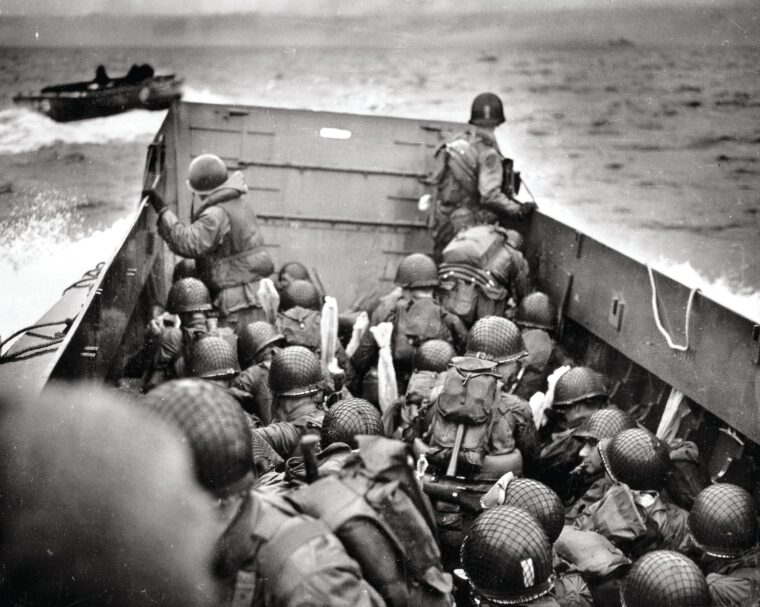
Twenty-one-year-old Elizabeth Teass walked into the Western Union office in the small town of Bedford, Virginia, early on the morning of July 17, 1944, fully expecting a normal day as the teletype operator. Read more
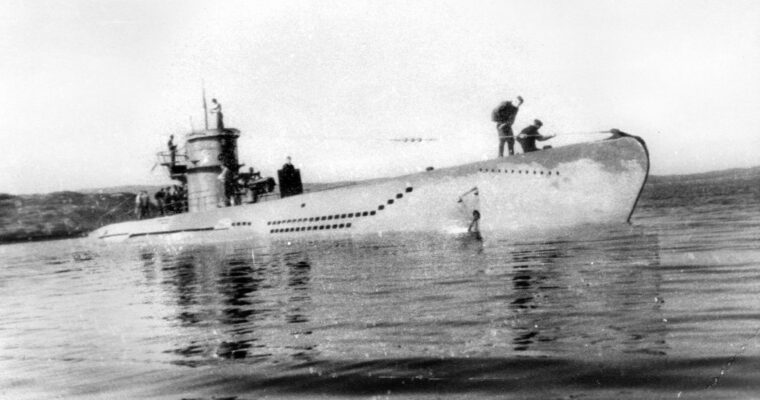
Oberleutnant zur See Walter Köhler floated alone in the freezing Atlantic in the predawn hours of December 21, 1941. Read more
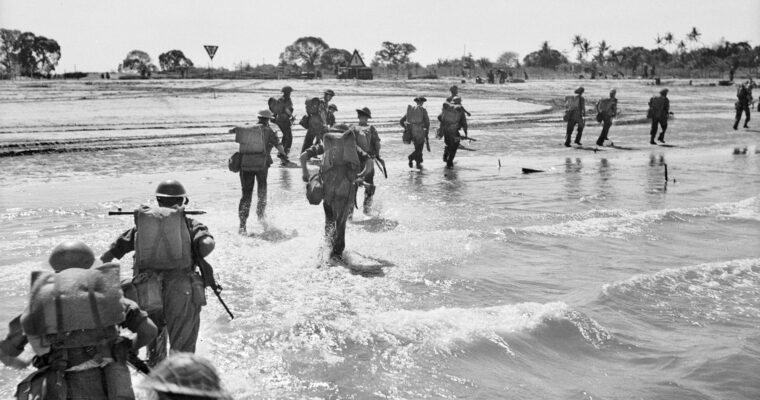
The nights were “the most horrible ever experienced,” Bruce S. Wright, a Royal Canadian Lieutenant Commander later wrote about his time in Burma in February 1945. Read more
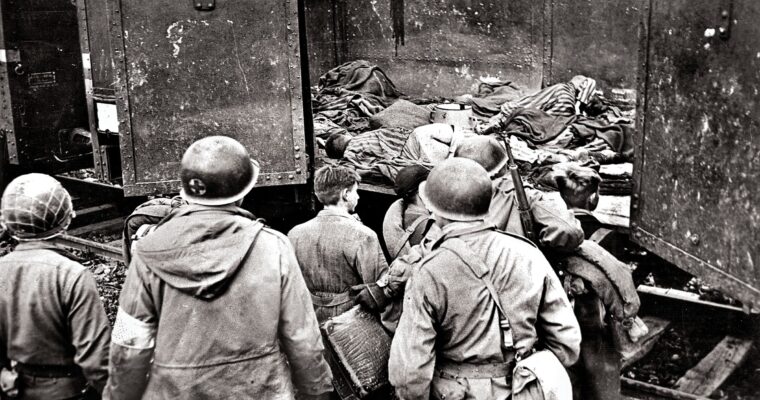
The Hitler Years: Holocaust 1933–1945 (Frank McDonough, Apollo/Bloomsbury Publishing, New York, NY, 416pp., Jan. 27, 2026, $45 HC)
Resisting Nazism: True Stories of Resistance to the World’s Most Dangerous Ideology, from 1920 to the Present (Luke Berryman, Bloomsbury Academic, New York, NY, 296 pp., Read more
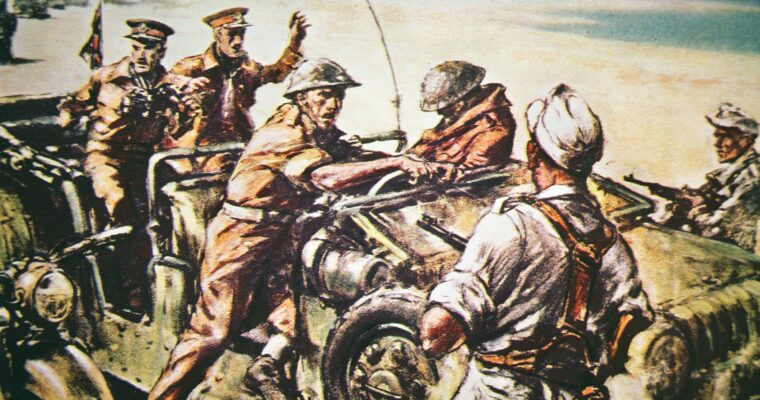
During the Second World War the Western Desert campaign was a graveyard for the reputations of British generals—all at the hands of the Desert Fox, Gen. Read more
Viking literature has been popular since the 13th century and is more so than ever in the 21st, with television shows such as Vikings, Vikings: Valhalla, The Northman and The Last Kingdom (based on Bernard Cornwell’s books)—as well as the Viking-adjacent Game of Thrones (based on George R. Read more
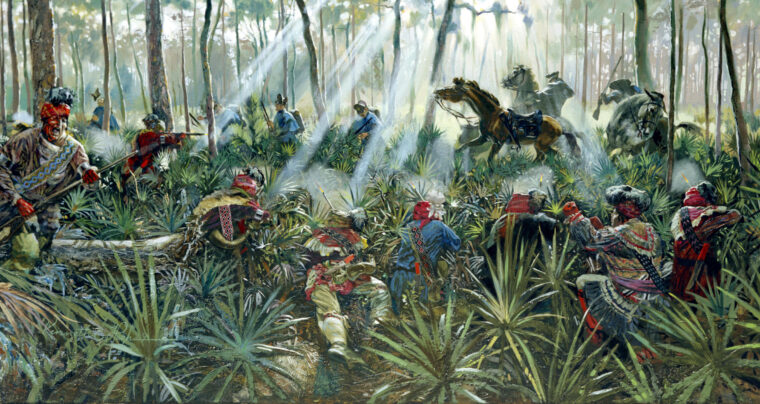
Following the end of the Revolutionary War, parts of Florida reverted to Spain, becoming a continuing source of conflict boundaries, the presence of formerly enslaved people and Native Americans from the region attacking the United States. Read more
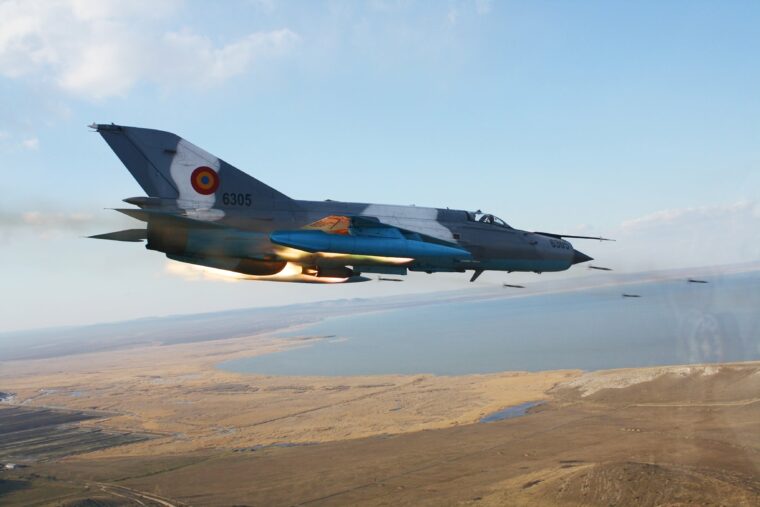
Retired Air Force Lieutenant Colonel Rob Zettel, veteran who flew MiG-21 and MiG-23 fighters in the mid-1980s, shares an inside view of the U.S. Read more
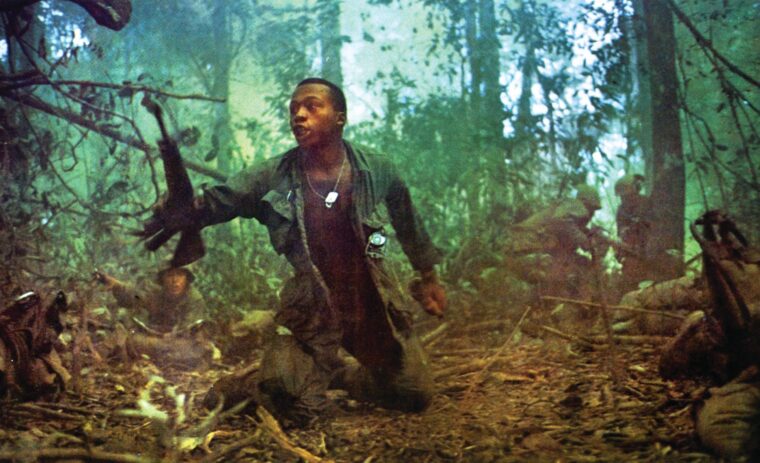
Haygood’s vivid, engaging prose brings to life the experiences of those he knew growing up in Columbus, Ohio, who served in Vietnam and the struggle of those who returned. Read more

Author of the award-winning Act of War—detailing the 1968 capture of the spy ship USS Pueblo by North Korean gunboats—comes a new look at one of America’s most serious foreign policy blunders. Read more
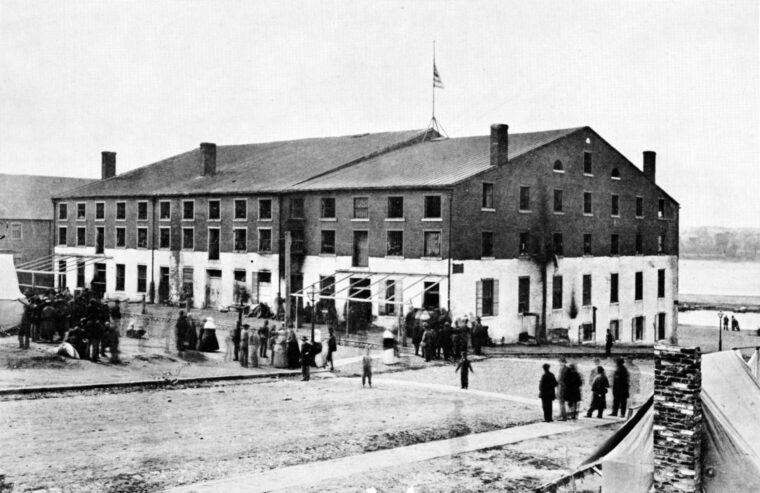
In January 1864, with the Union’s Army of the Potomac in winter quarters about 80 miles north the Confederates decided to move many of the Union prisoners of war out of Richmond, Virginia. Read more
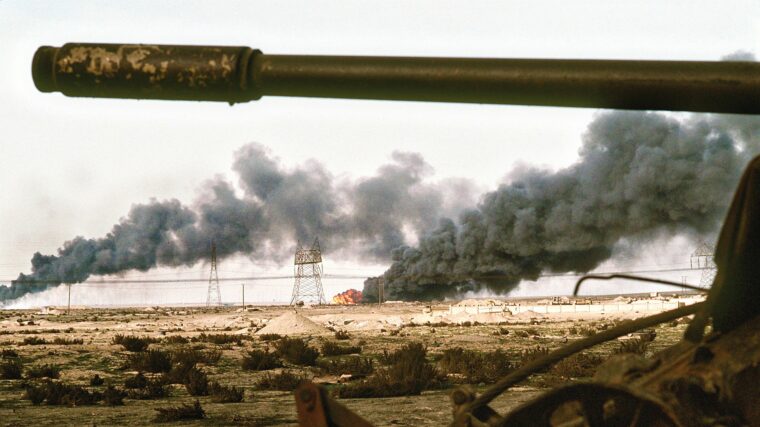
Before the stealth bombers could fly from Middle America to the Middle East and back, there was the secret mission code-named “Senior Surprise”—also nicknamed “Secret Squirrel” after the Hanna-Barbera cartoon character. Read more
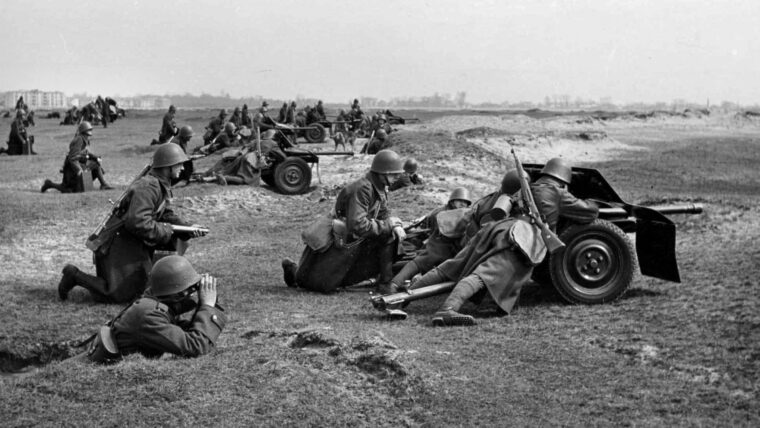
The second installment of the author’s day-by-day history of World War II (e-book World War II Plus 75—The Road to War: A Day-by-Day History) this volume covers the six days of September 1, 1939, to September 6, 1939. Read more

The Spanish Civil War served as a proving ground for airpower’s importance as an independent force. Francisco Franco’s Nationalist forces overthrew the Republican (Loyalist) Government supported heavily by the Condor Legion of planes and pilots sent by Nazi Germany. Read more
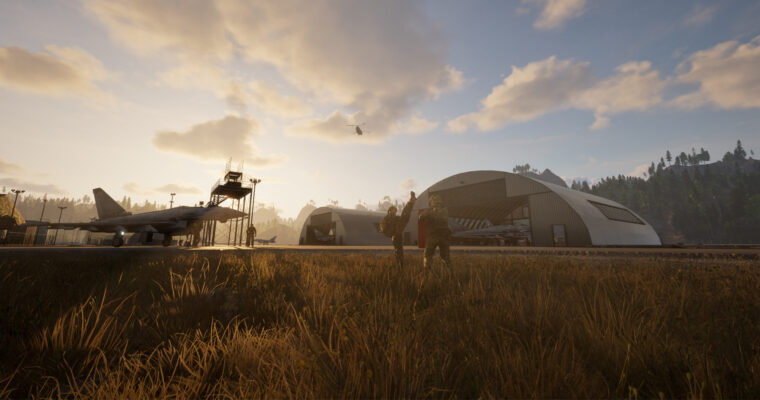
There are countless “[X] Simulator” games on Steam and other platforms, from Goat Simulator to Supermarket Simulator, PowerWash Simulator and beyond. Read more
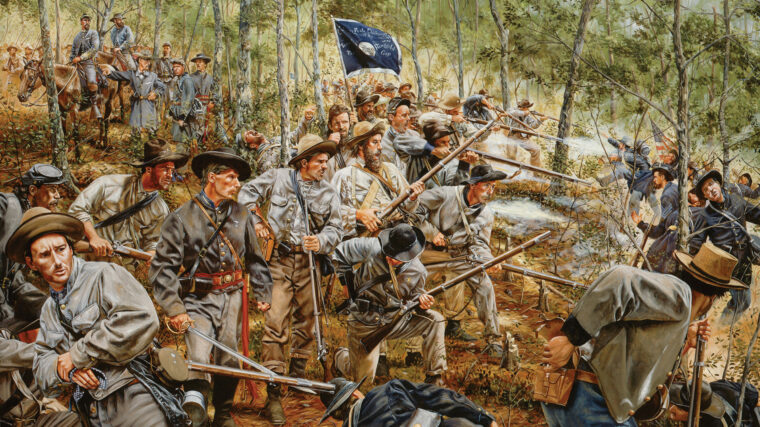
Peering through the thick underbrush west of Little Pumpkin Vine Creek, 30 miles northwest of Atlanta, on the afternoon of May 27, 1864, Ambrose Bierce had a bad feeling. Read more