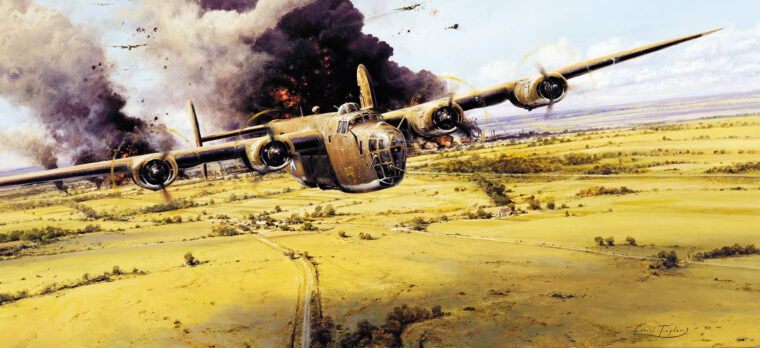
Consolidated B-24 Liberator: The Loyal “Lumbering Lib”
By Michael D. HullA host of famous fighters and bombers in the Allied arsenal spearheaded the aerial offensives that helped secure victory against the Axis powers in World War II. Read more
A host of famous fighters and bombers in the Allied arsenal spearheaded the aerial offensives that helped secure victory against the Axis powers in World War II. Read more
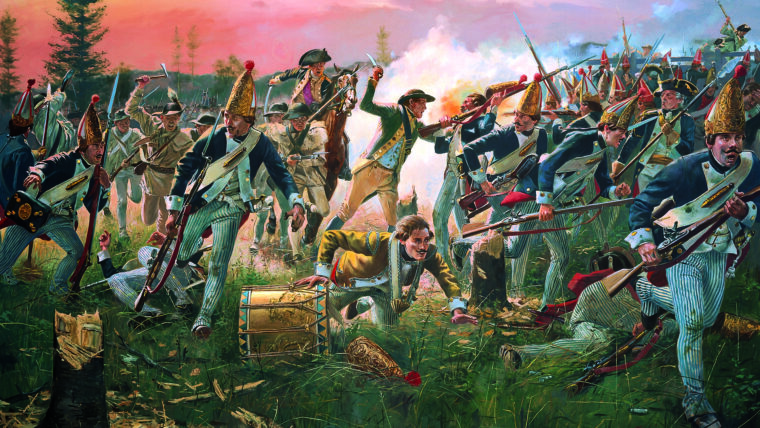
“He is at this time transporting large armies of foreign mercenaries to complete the works of death, desolation and tyranny,” Thomas Jefferson said of King George III in the Declaration of Independence. Read more
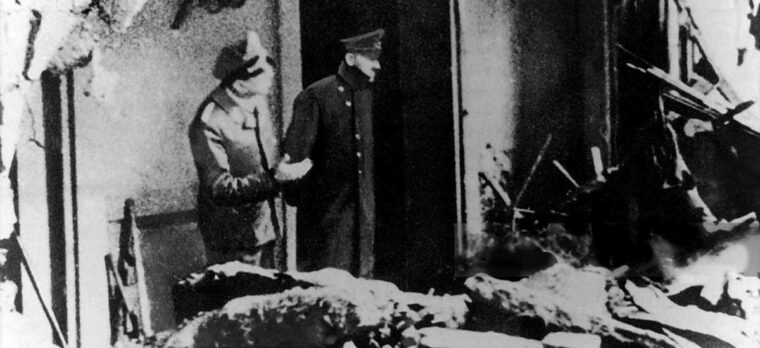
On April 20, 1945, Adolf Hitler observed his 56th, and last, birthday. There was little to celebrate. The so-called “Thousand Year Reich” was in its death throes after only 12. Read more
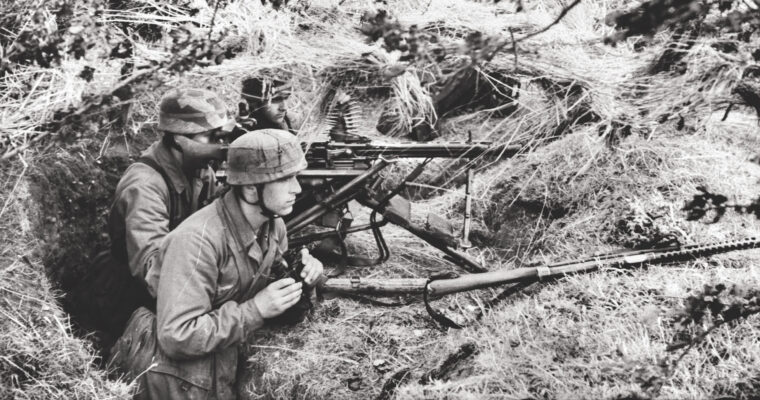
Rudolf Jackl dove headfirst from the aircraft door, stretching his arms toward the ship’s port wing to keep from getting tangled in his parachute’s shroud lines as he was slammed by turbulent air. Read more
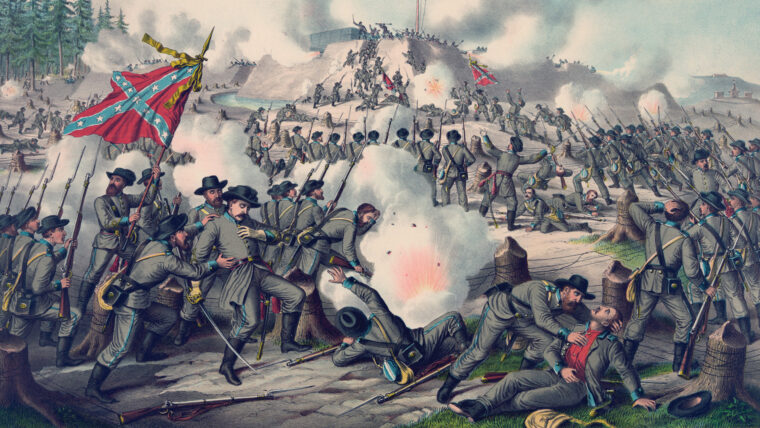
After the crushing Union defeat at the Battle of Fredericksburg on December 13, 1862, President Abraham Lincoln relieved Maj. Read more
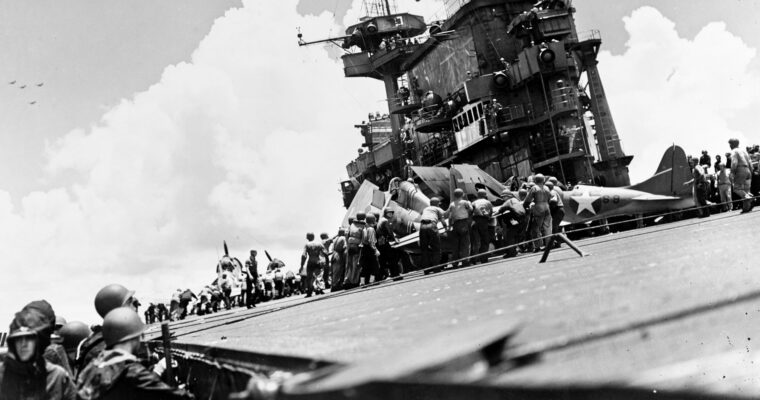
It had been a difficult year for the United States Navy.
Beginning with the surprise attack on Pearl Harbor on December 7, 1941, defeat after defeat had plagued the efforts of the American Navy to recover its balance and strike back against the rampaging Japanese. Read more
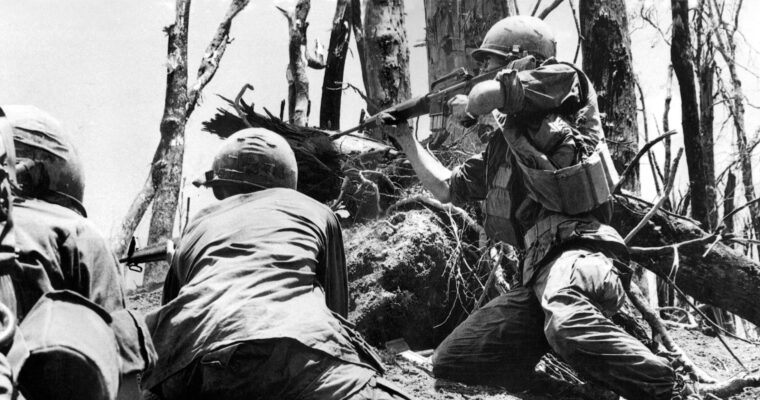
Lieutenant Frank Boccia could hear the platoon ahead moving forward, reconnoitering by fire, spraying the trail and the jungle alongside it with M16 and M60 fire. Read more
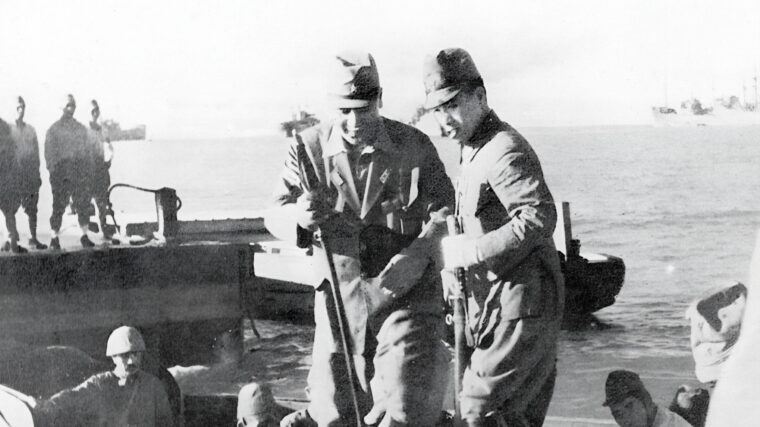
Aprevalent image of the Japanese NCO or Officer in World War II is that of rushing the Allied lines with his “samurai” sword drawn, swinging in the air. Read more
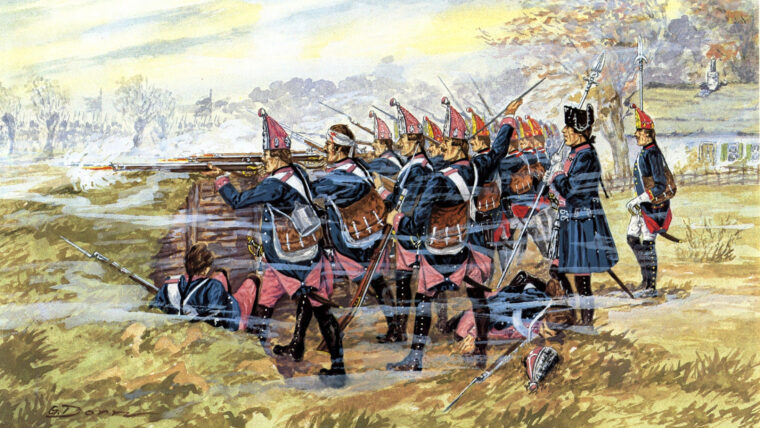
Miter Helmet: The tall miter design dated from the 17th century, when grenadiers threw grenades and needed a hat that would not impede their throwing arm. Read more
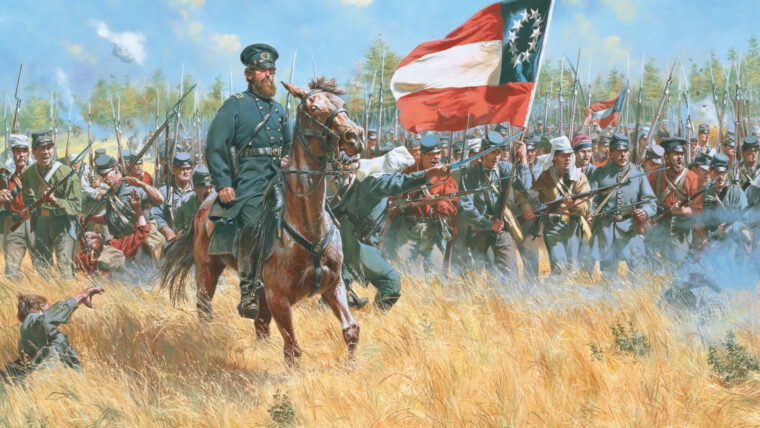
On March 4, 1861, with war clouds threatening the land, Abraham Lincoln was inaugurated the 16th president of the United States. Read more
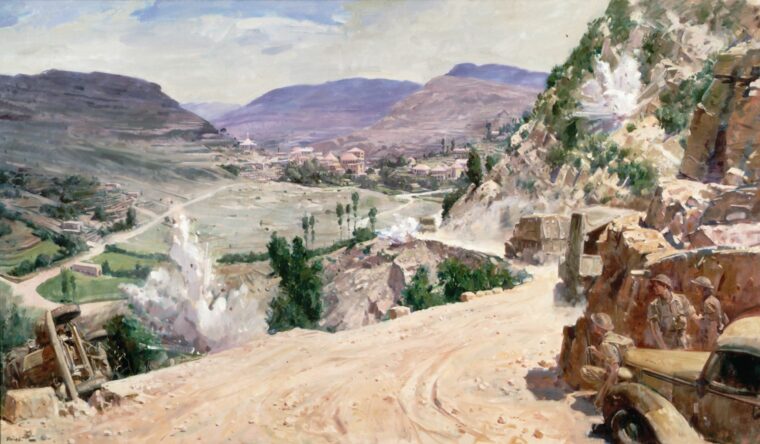
For more than a century the Middle East was the British Empire’s vital link between the Mediterranean and India. Read more
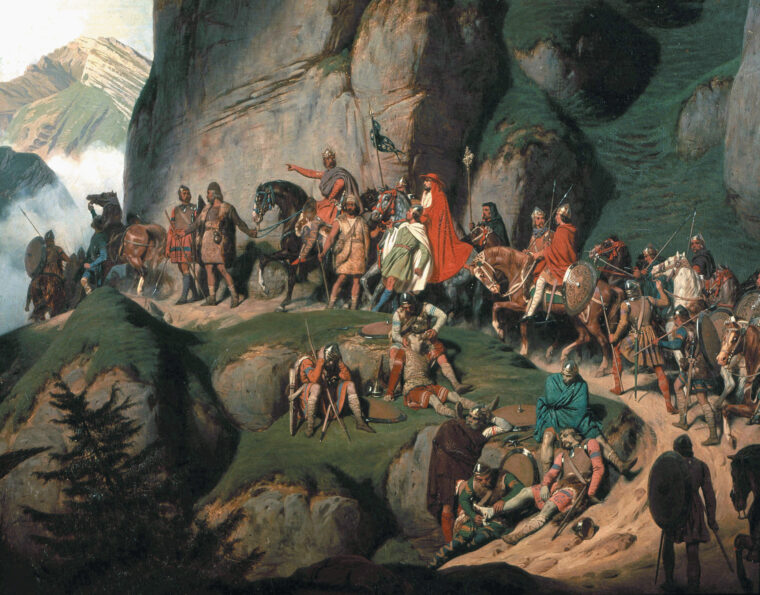
On Christmas morning, 800 ad, a tall, powerfully built man walked up the steps of Saint Peter’s basilica in Rome. Read more
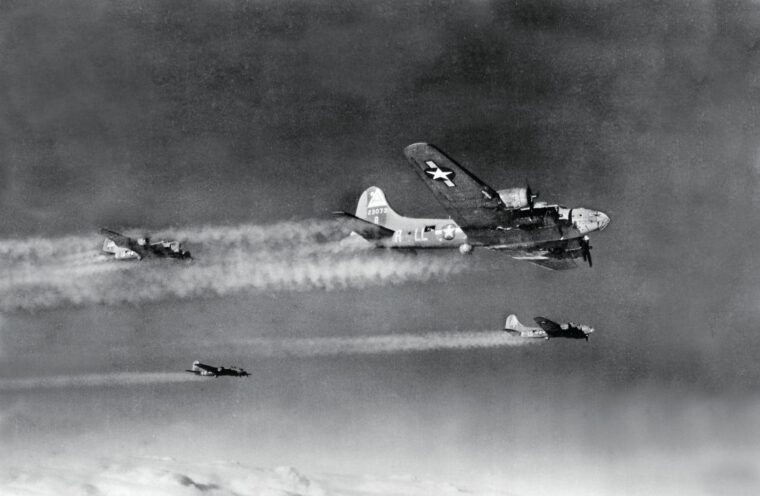
On August 4, 1944, a Boeing B-17G Flying Fortress heavy bomber, tail number 43-37909, so new that it did not have a nickname or nose art yet, took off from England on a bombing run over Germany that would end in a crash landing on Borkum Island in the North Sea. Read more
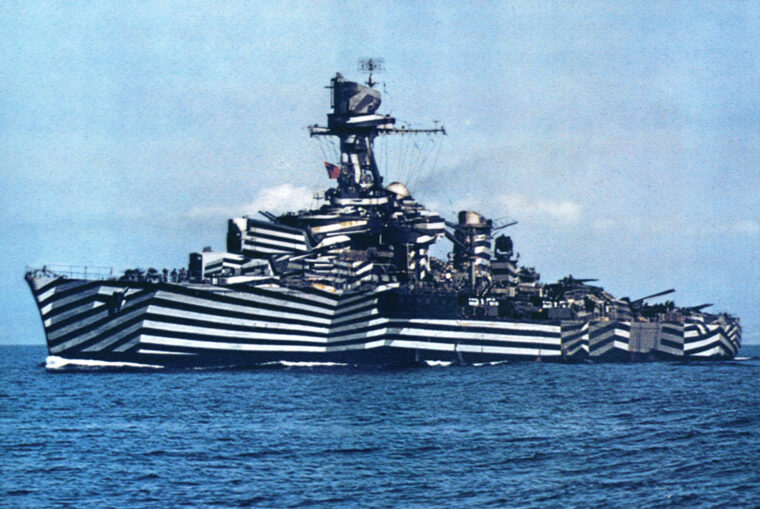
What do Pablo Picasso, the U.S. Navy, the British Royal Navy, and the U.S. Army Air Forces (USAAF) have in common? Read more
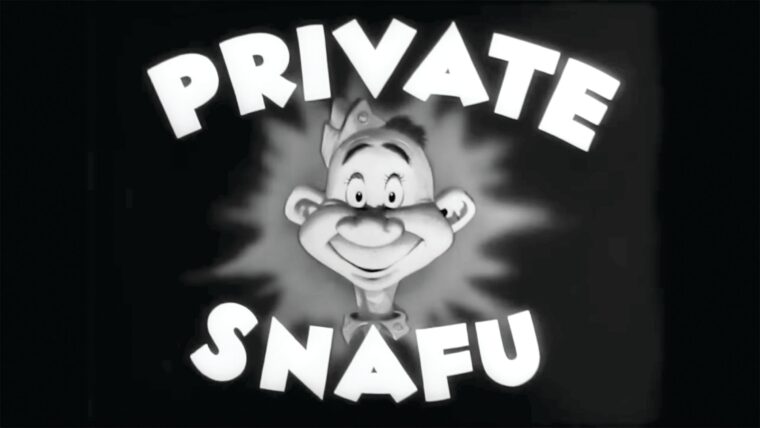
Bumbling Army Private Snafu was the title character of a series of 26 short cartoons sanctioned by the U.S. Read more
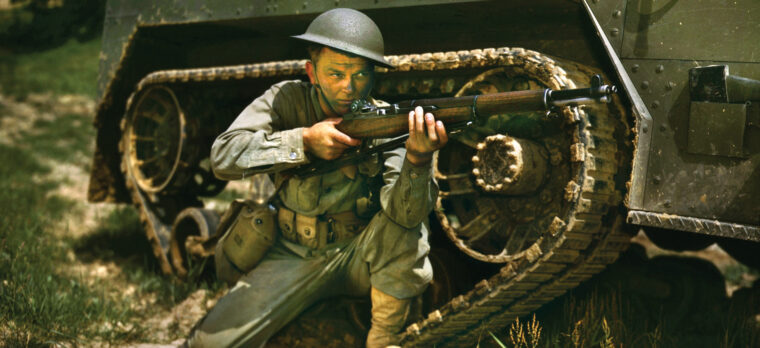
After the Great War, in which American troops were sent into combat with either the bolt-action M1903 Springfield rifle or the bolt-action British Enfield, planners in the War Department realized that, if the United States were ever drawn in combat again, they would need a far superior weapon. Read more
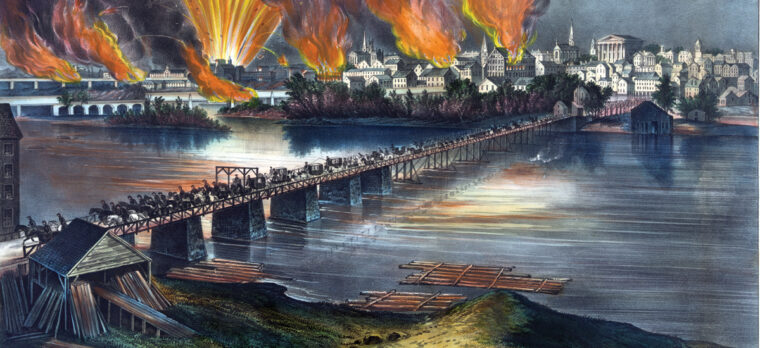
When the end came, on April 2, 1865, Confederate President Jefferson Davis was sitting in his customary pew at St. Read more
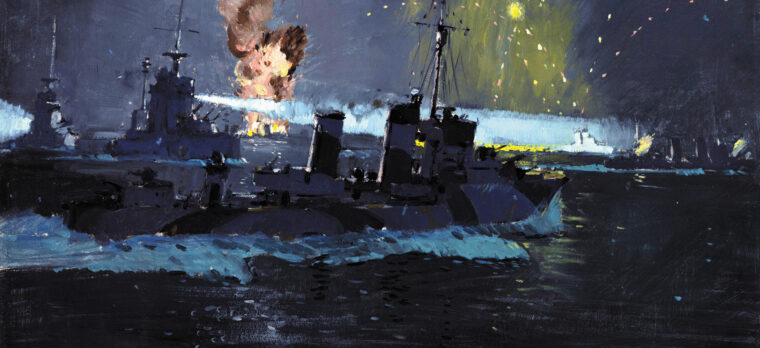
It was called “rodding,” and it was a complex manual procedure used by British cryptographers at Hut Eight in the Government Code and Cipher School at Bletchley Park to decipher Italian Naval Enigma coded messages. Read more
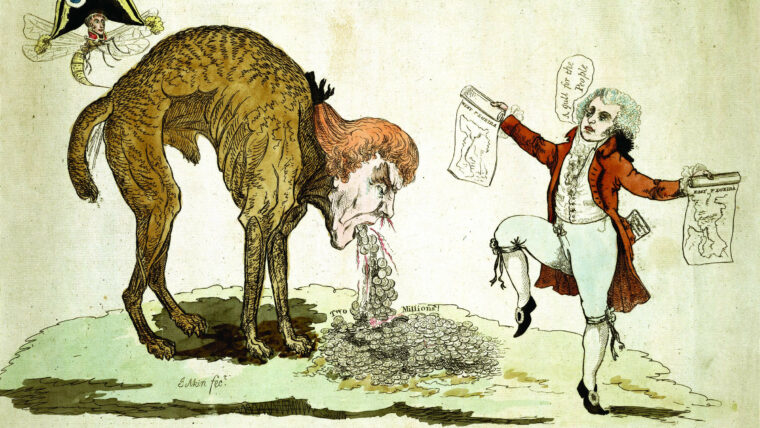
Almost a decade after winning the Revolutionary War against Great Britain, the youthful United States was determined to expand its territorial boundaries and become a truly continental nation. Read more
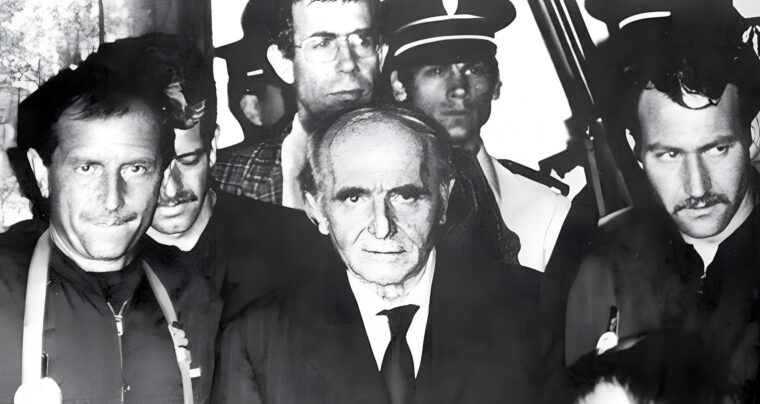
By 1944, many top generals in Adolf Hitler’s army understood the war was lost and that they had better make arrangements to ensure their safety. Read more