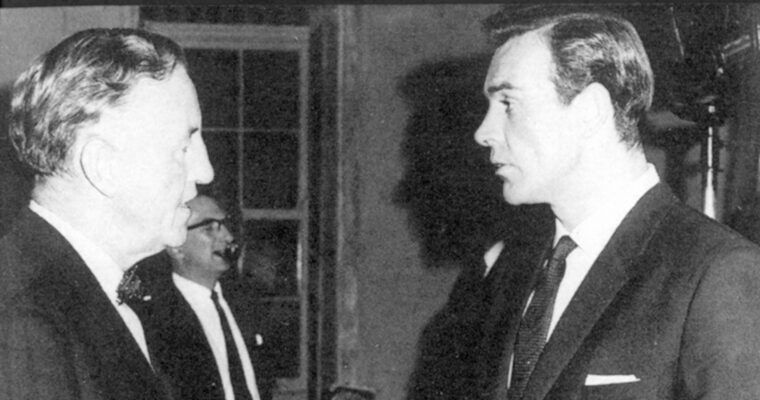
Ian Fleming: Biography of the Man Behind James Bond
By Peter KrosIan Fleming’s biography would certainly include creating the famous British spy James Bond, but the author also led a secret life of his own. Read more
Ian Fleming’s biography would certainly include creating the famous British spy James Bond, but the author also led a secret life of his own. Read more
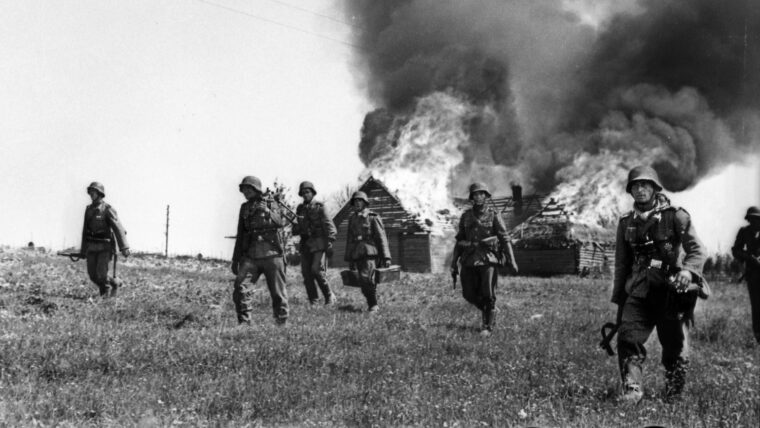
By April 1941, just over a year and a half into World War II, Nazi Germany was the master of Europe. Read more
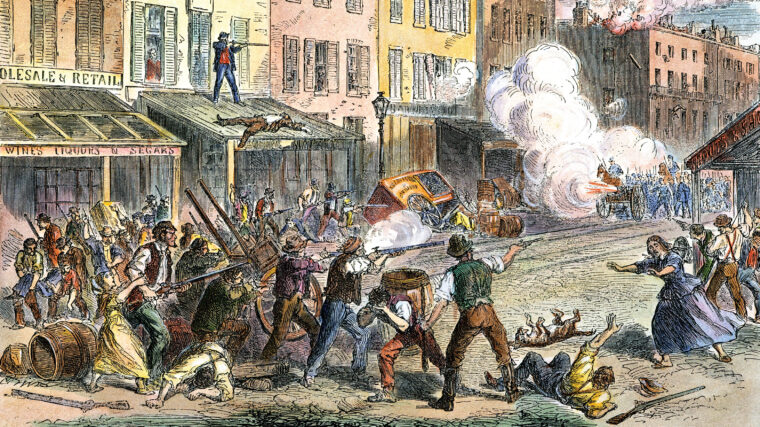
For four breathlessly hot days in mid-July 1863, New York City became the northernmost battleground of the Civil War. Read more
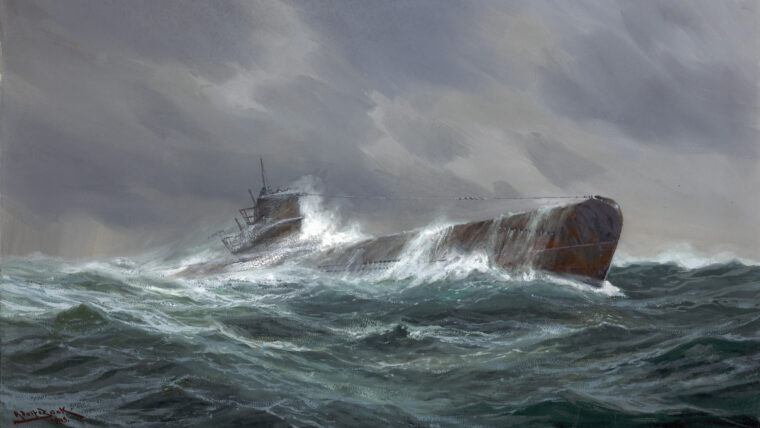
On the evening of October 13, 1939, The German submarine U-47 surfaced off the Orkney Islands in the North Sea. Read more
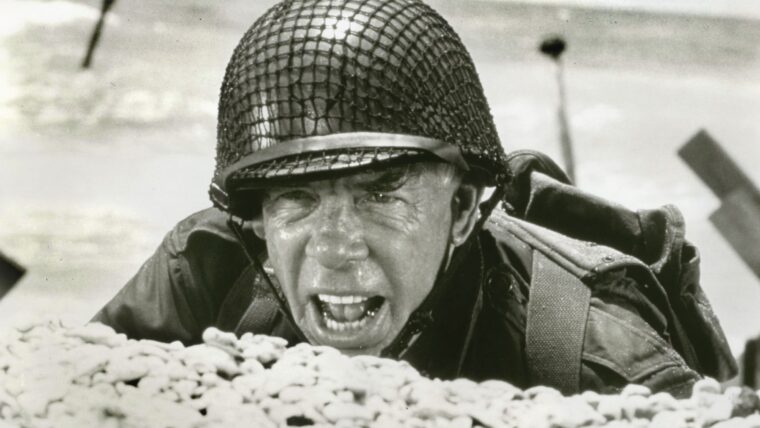
Near the Tomb of the Unknown Soldier and beside the grave of world heavyweight boxing champion Joe Louis in Arlington National Cemetery is the resting place of a film star who chose to be remembered first and foremost as a U.S. Read more
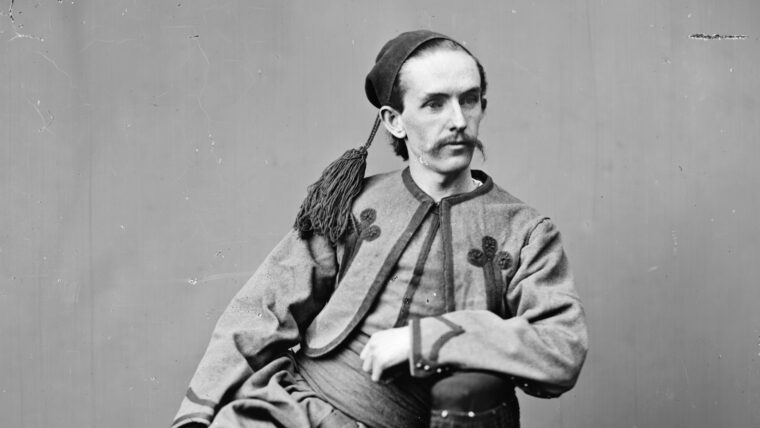
On the evening of April 14, 1865, noted actor John Wilkes Booth entered Ford’s Theater in Washington, D.C., Read more
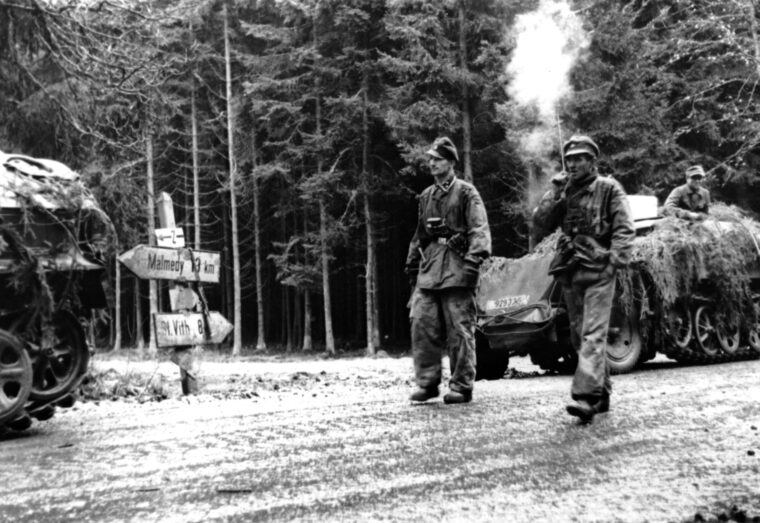
During the Battle of the Bulge, the largest battle America has ever fought, Hitler chose the Sixth Panzer Army for the German juggernaut’s most important role. Read more
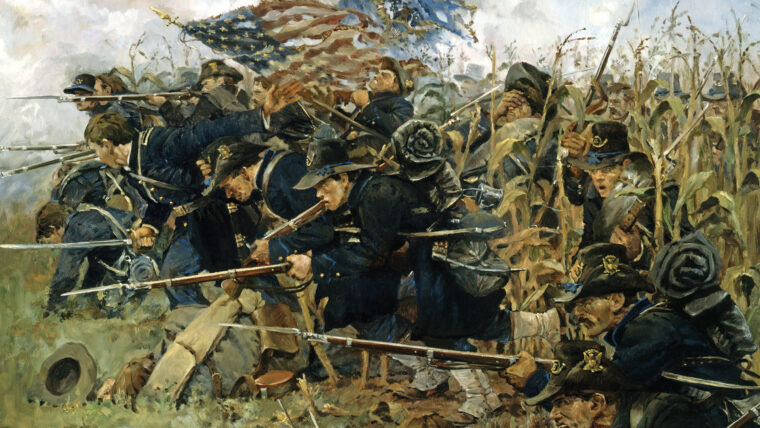
The White House was a somber place in the summer of 1862. The Civil War was in the midst of its second costly year, and the Union armies had yet to win a significant victory in the eastern theater. Read more
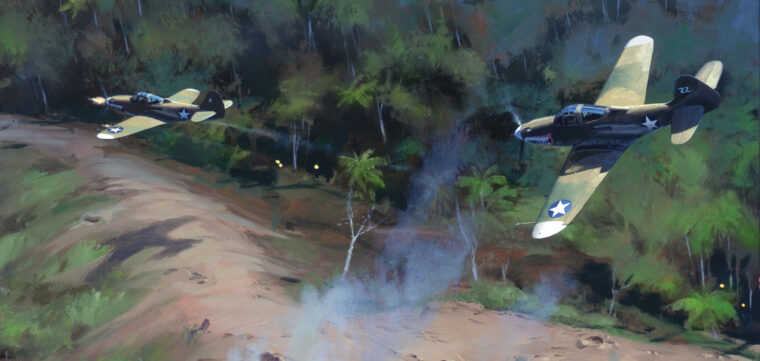
Shortly after 11 am on August 22, 1942, the roar of aircraft engines shattered the stillness over Henderson Field, Guadalcanal. Read more
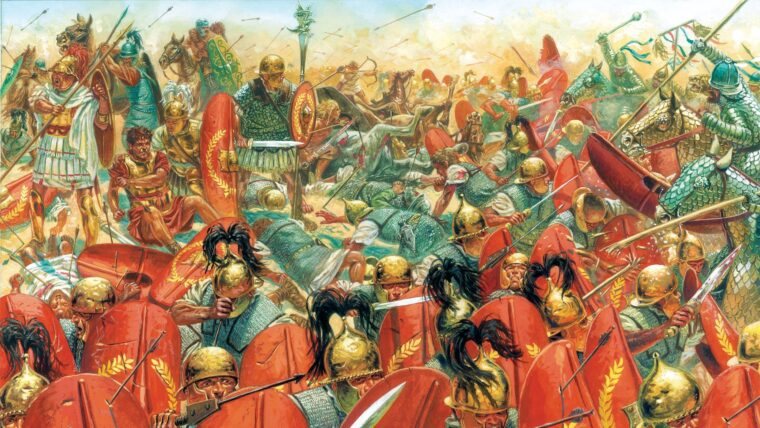
Alexander of Macedon, called “the Great,” died in June of 323 BCE having conquered the mightiest empire yet seen on earth. Read more
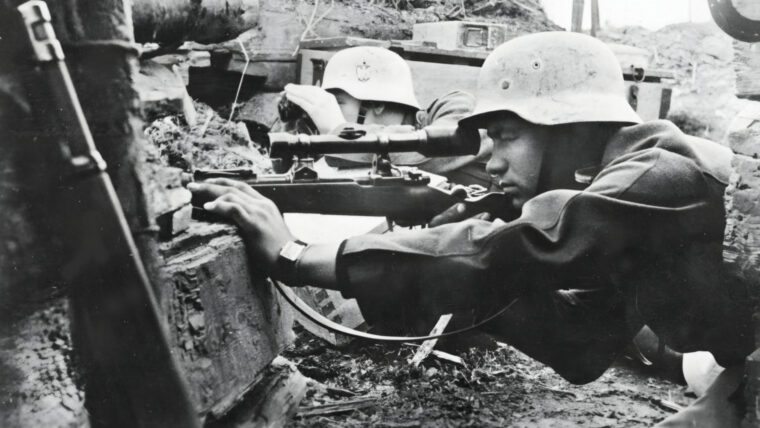
According to The History Channel’s Tales of the Gun, the Mauser 98 was “the best bolt action rifle ever made.” Read more
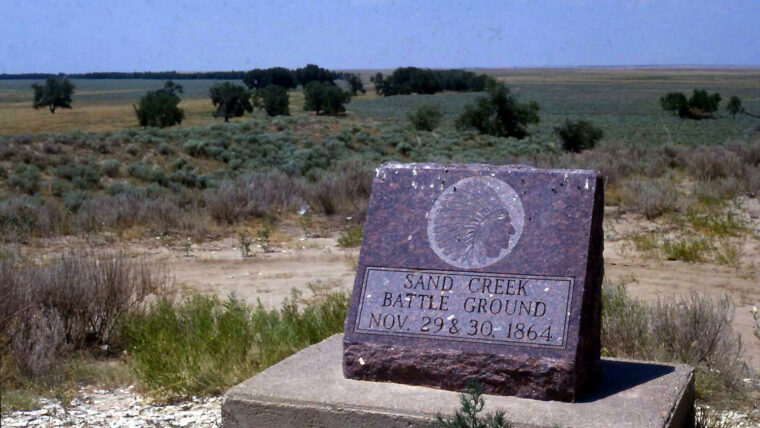
Major John M. Chivington, Colorado’s “fighting parson,” played a large role in the Union victory at Glorieta Pass, New Mexico, in 1862. Read more
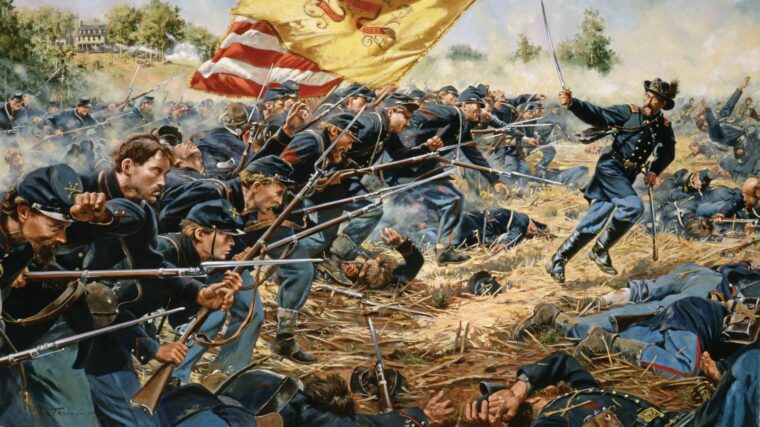
By William E. Welsh
Private Augustus Du Bois marched forward at daybreak on June 3, 1864, along with hundreds of other members of the 7th New York Heavy Artillery regiment to a thin belt of timber a mile south of the key road junction of Cold Harbor. Read more
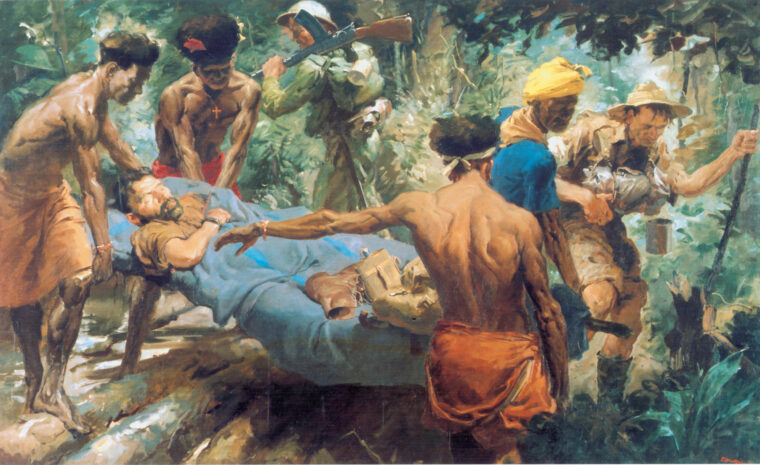
The Papuan peninsula is a lush, tropical rainforest on the southeast end of New Guinea populated by Melanesian natives. Read more
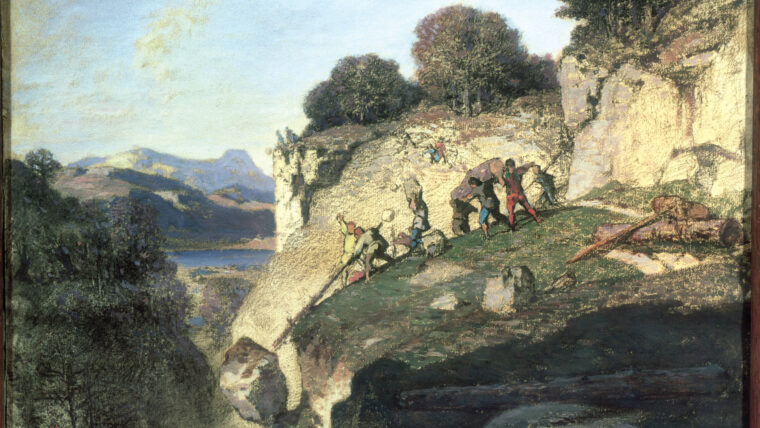
The logs and boulders came tumbling downhill, gaining speed before they reached the bottom of the hillsides in the mountain pass. Read more
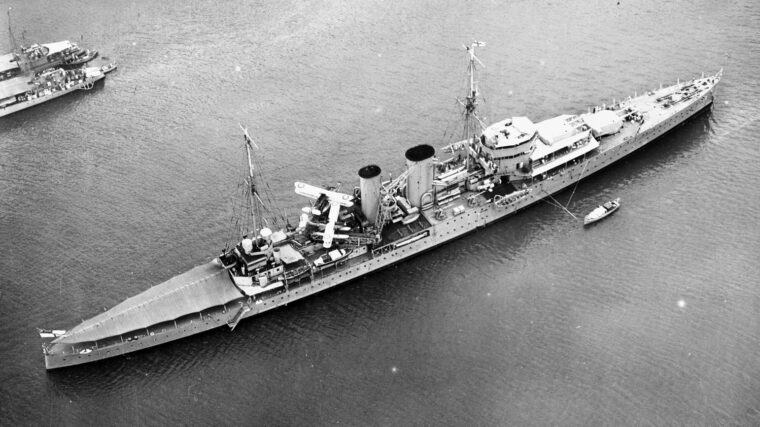
The four ships that raced into battle on December 13, 1939, off the mouth of the River Plate were, as historian and novelist Len Deighton tartly observed, “three different answers to the question that had plagued the world’s navies for half a century: what should a cruiser be?” Read more
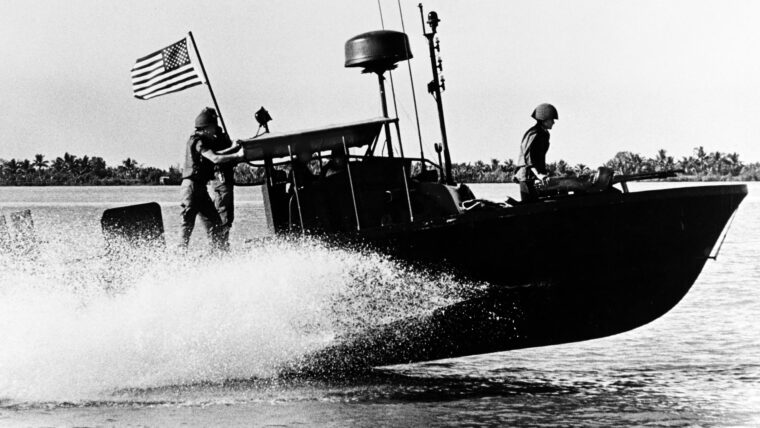
As darkness fell along the upper Saigon River in Vietnam’s Mekong Delta region, one of two River Patrol boats of the U.S. Read more
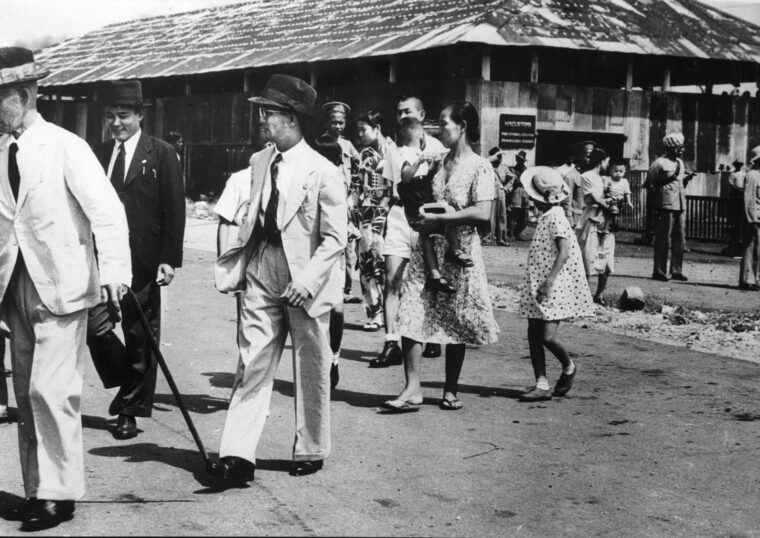
On December 5, 1934, Yoshio Nishimura, managing director of a major Japanese mining company in British Malaya, collapsed and died in the offices of the Straits Settlements Police Special Branch. Read more
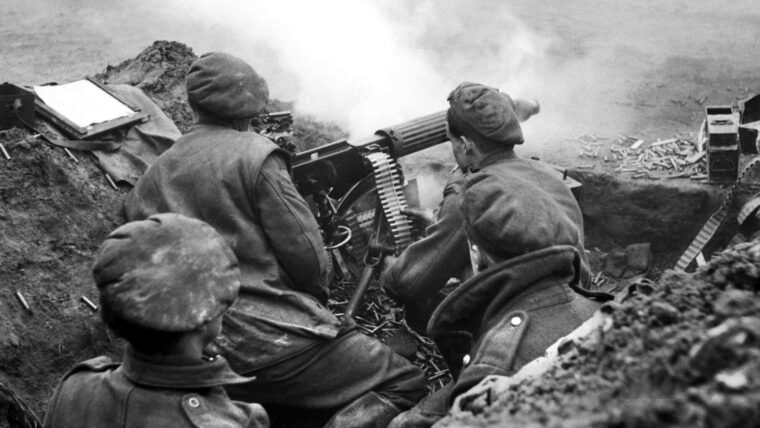
The bloody fight for the Reichswald, according to Lieutenant General Horrocks, was a soldiers’ battle “fought by the regimental officers and men under the most ghastly conditions imaginable.” Read more
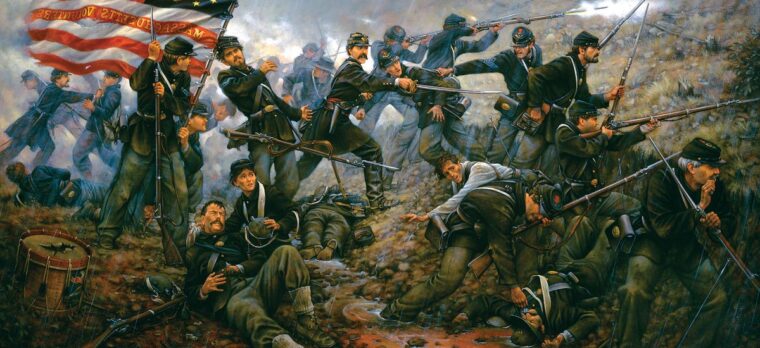
Dripping wet Union soldiers stepped out of the North Anna River’s Jericho Ford on May 22, 1864, setting foot in Hanover County, Virginia. Read more

WWII