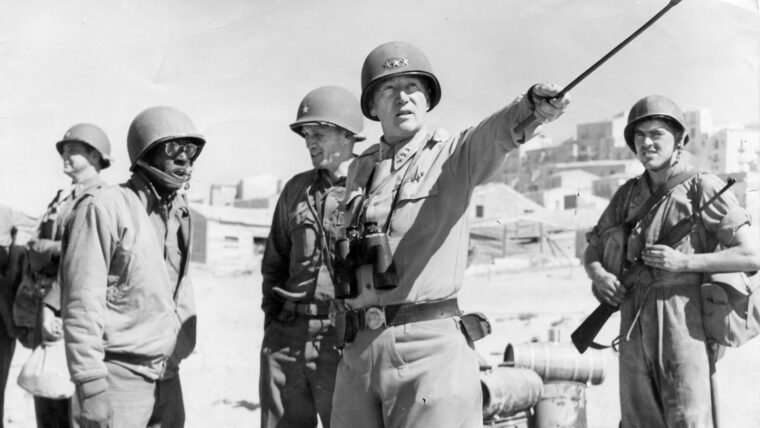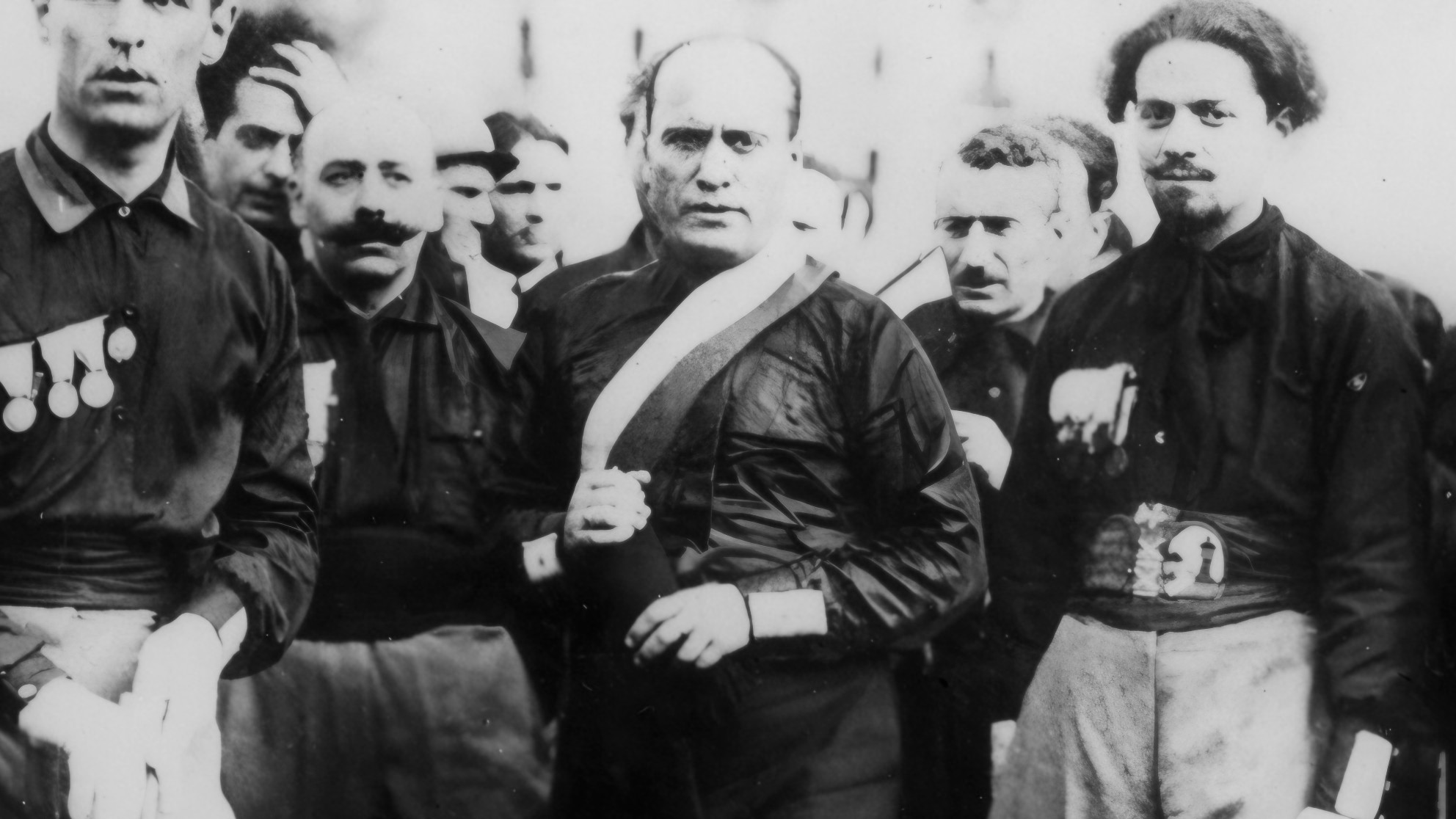
LEFT: Field Marshal Erwin Rommel remains a controversial figure known both as a shrewd, chivalrous, military commander and as Nazi with a potential role in Germany’s atrocities of war. RIGHT: General Dwight D. Eisenhower poses in his eponymous “Eisenhower jacket” or “Ike jacket,”in 1943. The “Wool Field Jacket, M-1944,” as it was officially known, debuted in the European Theater of Operations in November 1944 and was issued to U.S. troops until 1956.

Ike vs. the Desert Fox at Normandy

By Flint Whitlock

One of the supreme ironies of World War II was that the outcome of the Allied invasion of France, and ultimately the fate of the European Theater, would be decided by two men—one a highly decorated veteran, the other untested in combat—and it would be the latter that eventually triumphed. Read more

The M-16’s Troubled Debut

By Mark Carlson

Marine Private Jim McGarrah arrived at Phu Bai in South Vietnam in late 1967 and was sent to what was euphemistically called “The Rockpile,” a firebase that overlooked the Demilitarized Zone between South and North Vietnam. Read more

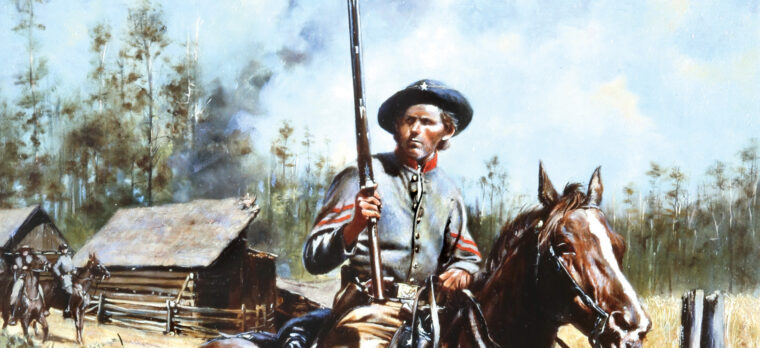
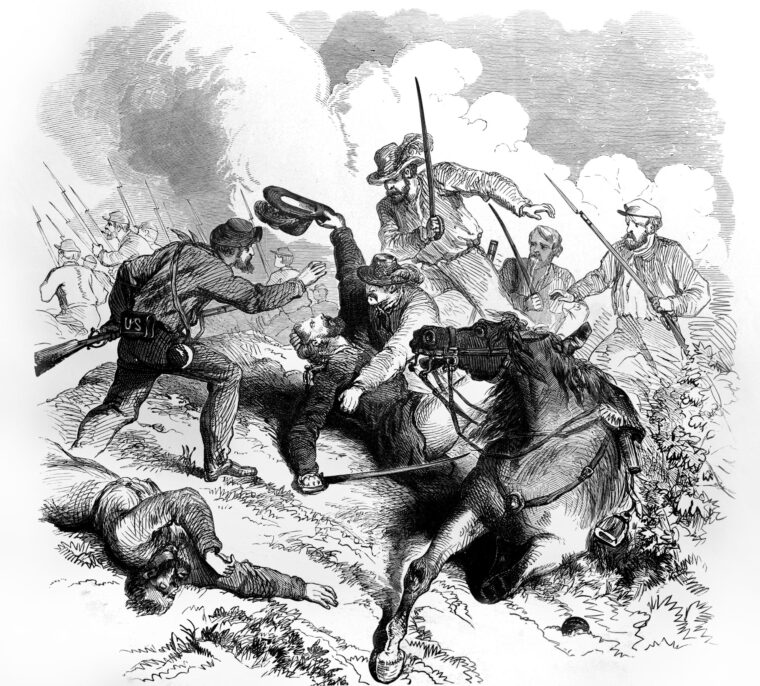
18th Georgia Infantry Regiment, 1862

Art by Keith Rocco

Cap: French chasseur-style gray kepi with blue band.

Coat: Military-style butternut colored greatcoat with brass buttons.

Backpack: Box hardpack knapsack, tarred canvas and leather with wood frame. Read more

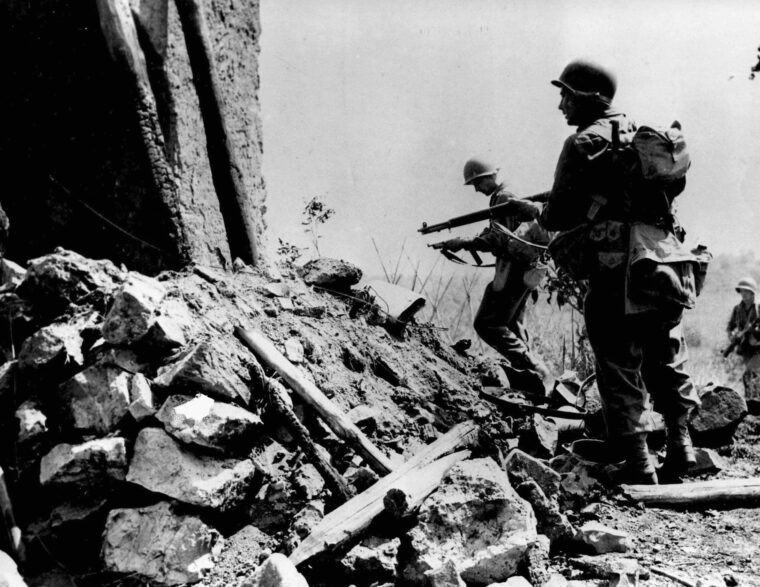
In action on the banks of the Arno River on September 1, 1944, the crew of a 105mm howitzer of Battery B, 598th Field Artillery, services its weapon. The 598th was a component of the 92nd Infantry Division.

Pauline Peretz’ ‘A Black Army’

By Kevin Seabrooke

Unlike other African-American military units such as the Tuske-gee Airmen, or even the 10th Cavalry Regiment “Buffalo Soldiers” who occupied Fort Huachuca before them, the 92nd and 93rd Infantry Divisions—the only two black units of divisional size in World War II—have received much less coverage in popular media over the past 80 years. Read more

After the German garrison on the island of Cezembre has surrendered, soldiers of the U.S. 83rd Infantry Division raise the American flag in triumph. The island is located near the French city of St. Malo, where troops of the 83rd Division were also engaged.

David Nasaw’s ‘The Wounded Generation’

By Kevin Seabrooke

A two-time Pulitzer Prize finalist, Nasaw takes an unvarnished look at the real America in the years after World War II—after the parades and celebrations—and how it affected those who fought and their families and how it changed our nation. Read more

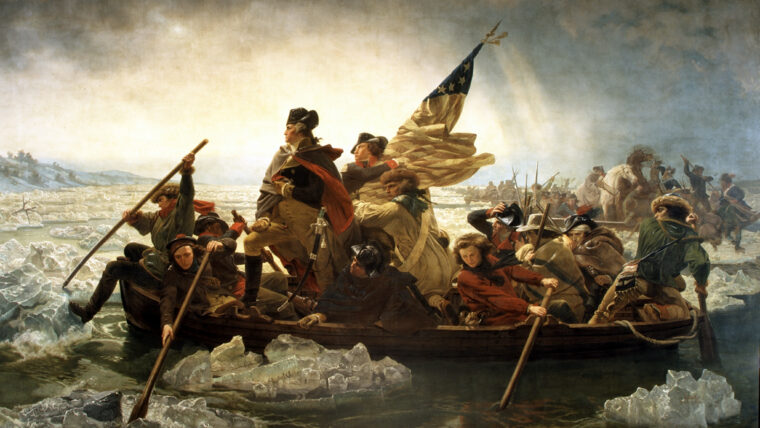
Deborah Sampson: Continental Soldier

By Kelly Bell

Yearning for more out of life than a woman could hope for in her place and time, Deborah Sampson took the only opportunity she could see to fully realize her patriotic ambitions and wanderlust—she cut her waist-length blonde hair, put on men’s clothes and joined the Continental Army to fight for the embryonic country’s independence during the American Revolution. Read more

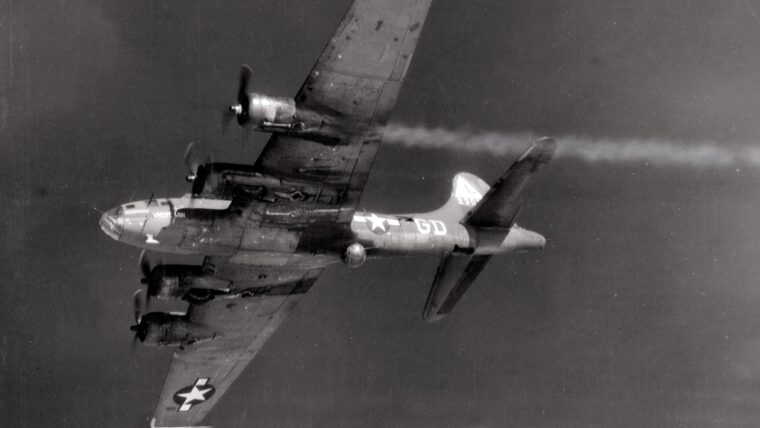
In a photo taken from another B-29 in formation, this heavy bomber disgorges incendiary bombs from the skies above Formosa. The largest B-29 raid of the war to date took place on October 14, 1944. The target was the repair and supply facilities at Okayama on the island.

B-29 Superfortress: The Plane That Bombed Japan Into Submission

By Sam McGowan

As the Japanese delegation stood on the deck of the battleship USS Missouri on September 2, 1945, preparing to sign the documents that ended World War II, a large formation of Boeing B-29 Superfortress heavy bombers swooped low over Tokyo Bay as a reminder of the terrible destruction that had befallen their nation and turned Japan’s cities into ruins. Read more

A U.S. Navy destroyer escort was originally conceived as something of a stopgap measure during World War II. Later, the design proved to be effective in all theaters. Here, a destroyer escort is shown under way during sea trials.

Holding the Line on the High Seas

By Paul B. Cora

Through the first half of World War II, Allied shipping losses to German U-boats climbed steadily from over 400,000 tons in the last four months of 1939 to more than two million tons each in 1940 and 1941, before reaching a staggering 6,266,215 tons in 1942 following the entry of the United States into the war. Read more