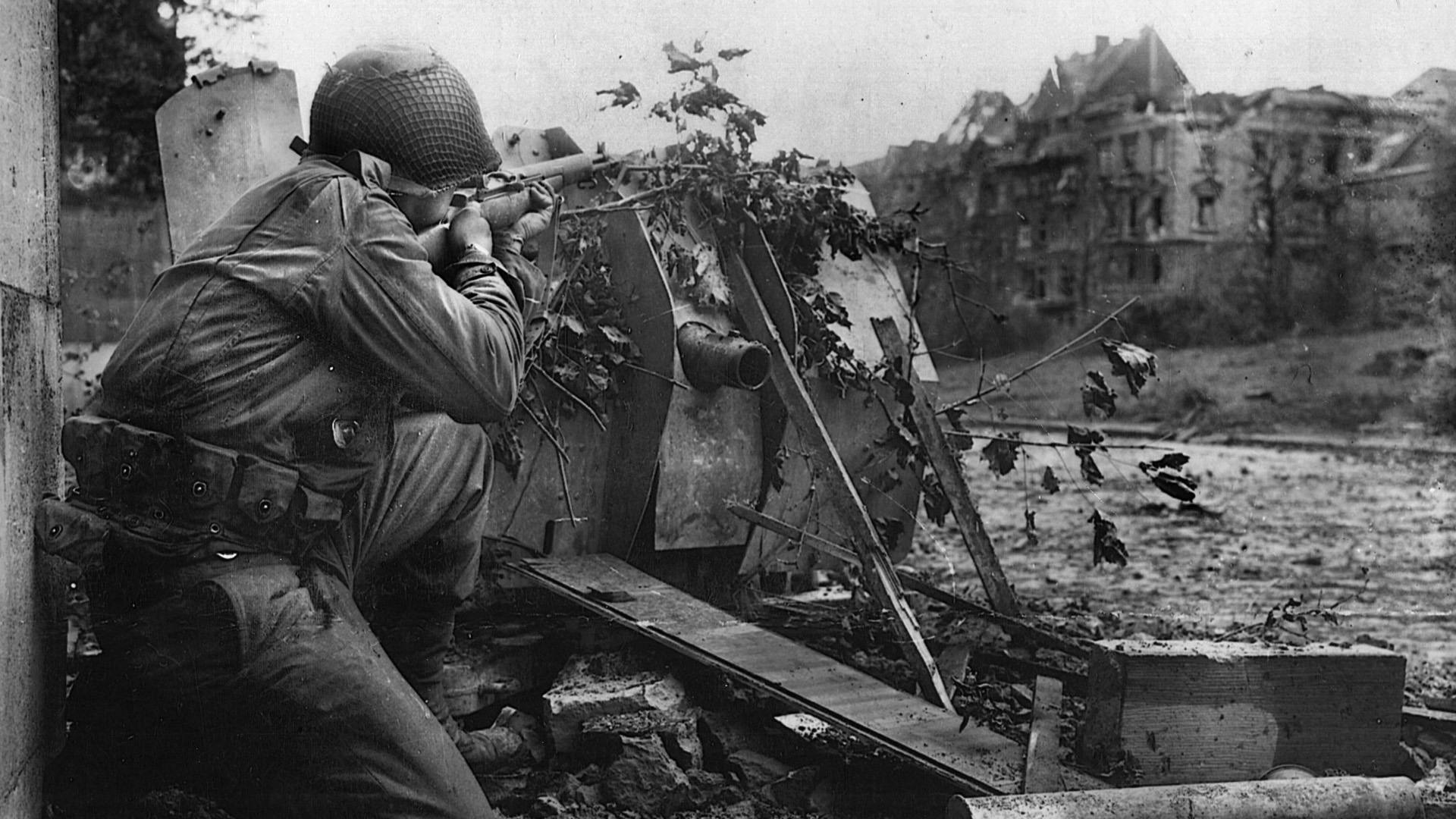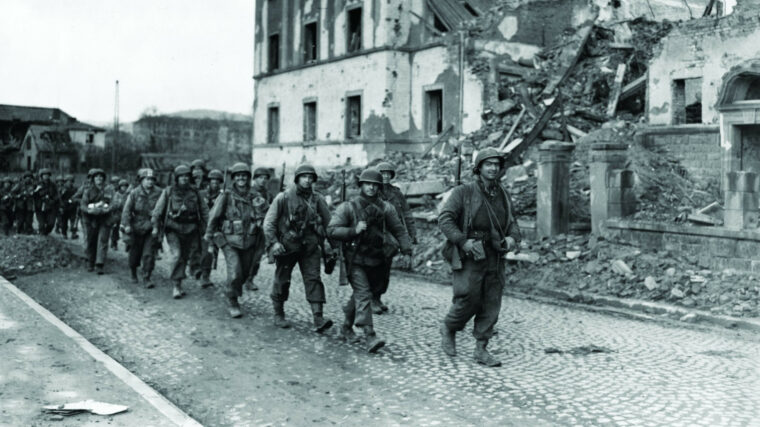
Ten Days at Aschaffenburg
By Christopher MiskimonAs the winter of 1944-1945 slowly gave way to spring, the combined Allied armies ground their way into Germany. Read more
As the winter of 1944-1945 slowly gave way to spring, the combined Allied armies ground their way into Germany. Read more
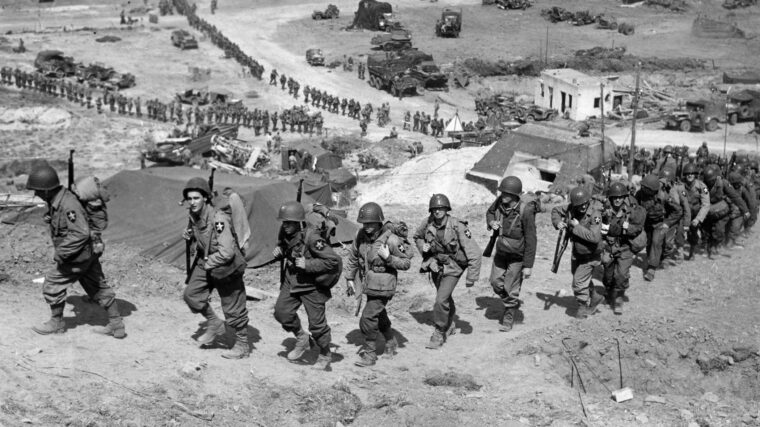
The definitive combat unit of comparable strength among the forces of the world during the 20th century was the division. Read more
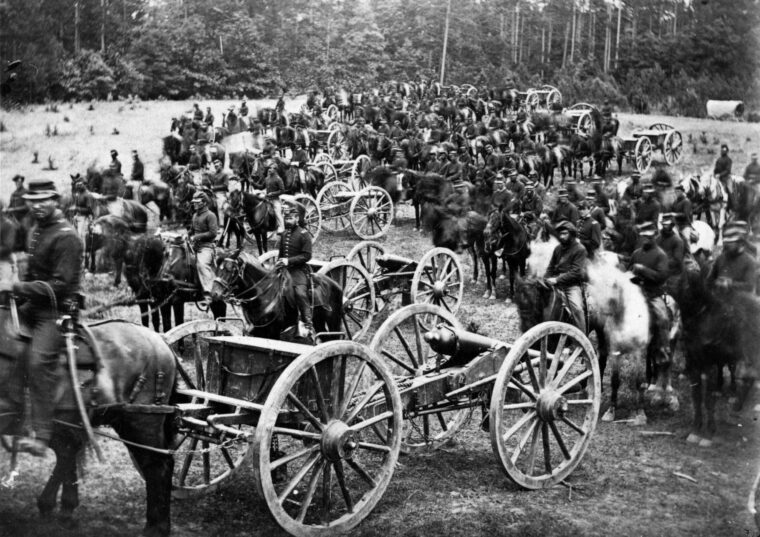
The Civil War came at a crossroads moment in world history. New weapons made possible by industrialization were putting paid to old techniques of warfare that had endured since the Napoleonic Era. Read more
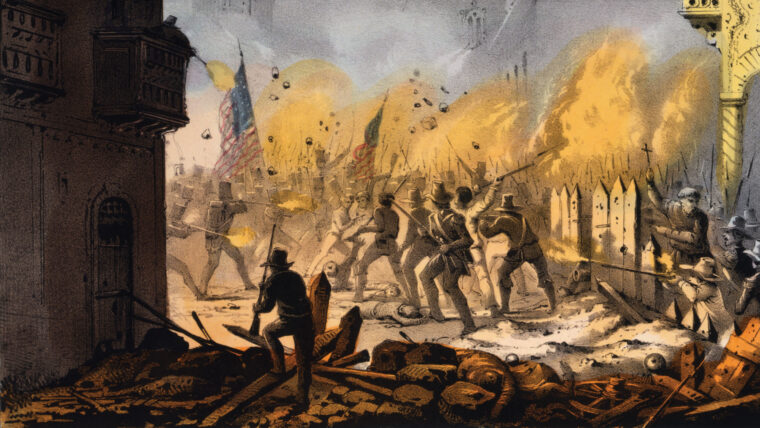
For more than 45 years, Joseph Mansfield prepared himself for the ultimate test of a soldier—high command in time of war. Read more
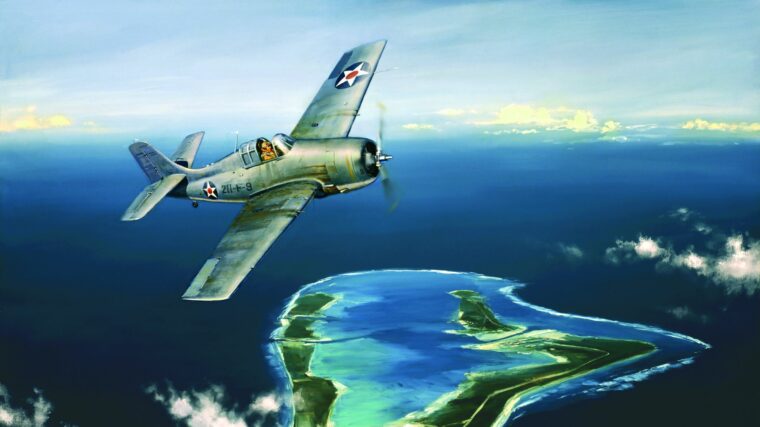
Marine aviators of Fighter Squadron 211, or VMF-211, looked up in frustration as Japanese war planes thronged over Pearl Harbor on December 7, 1941. Read more
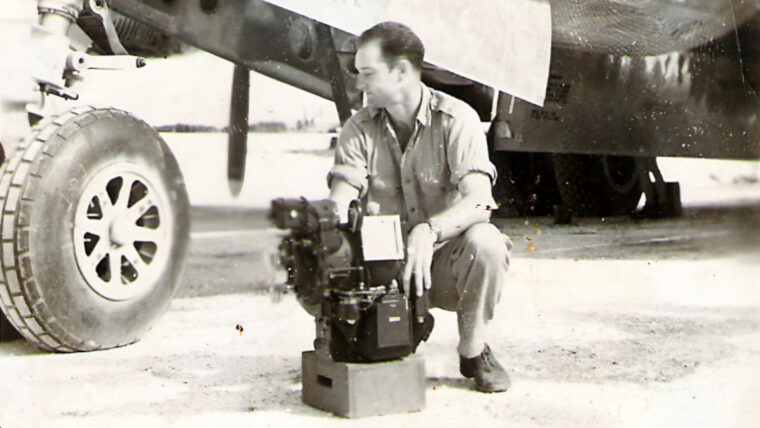
In a 1921 bombing test, U.S. Army Air Corps General Billy Mitchell’s airmen sank the former German battleship Ostfriesland. Read more
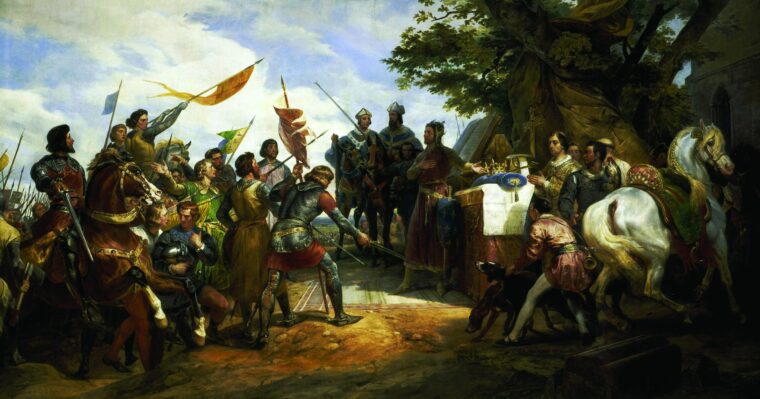
With his one good eye, French King Philip II looked east down the straight line of an old Roman road in the disputed county of Flanders on Sunday, July 27, 1214. Read more
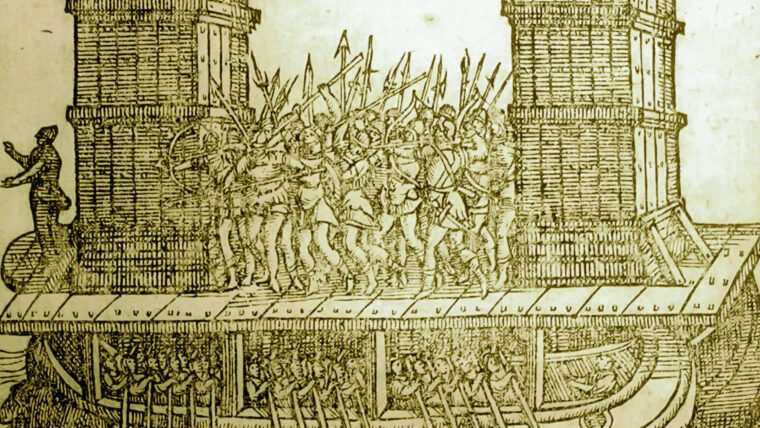
The special packaging of the printed word between compact durable covers and a stitched spine—the book—is one of humanity’s greatest and most enduring achievements. Read more
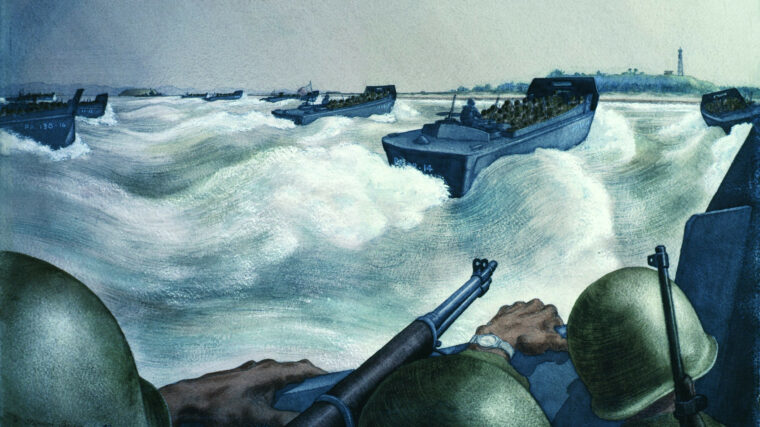
During the more than half a century since the end of World War II, there has been much speculation about what would have happened if President Harry Truman had not dropped the atomic bomb on Hiroshima and Nagasaki and the invasion of Japan had actually taken place. Read more
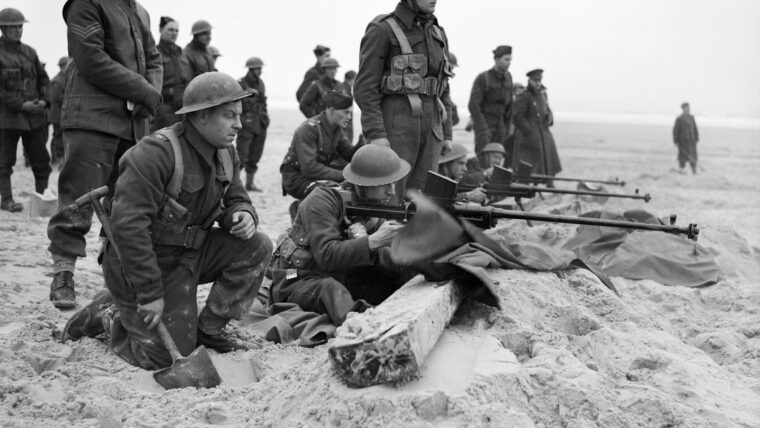
When the first tanks appeared in World War I, they were relatively lightly armored and protected the crews only against small-arms fire. Read more
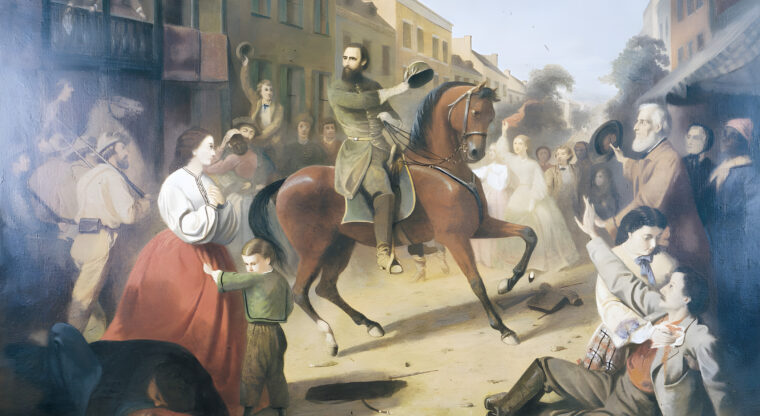
Arguably the most celebrated campaign feat of arms of the American Civil War is that of Stonewall Jackson in the Shenandoah Valley in May and early June 1862. Read more
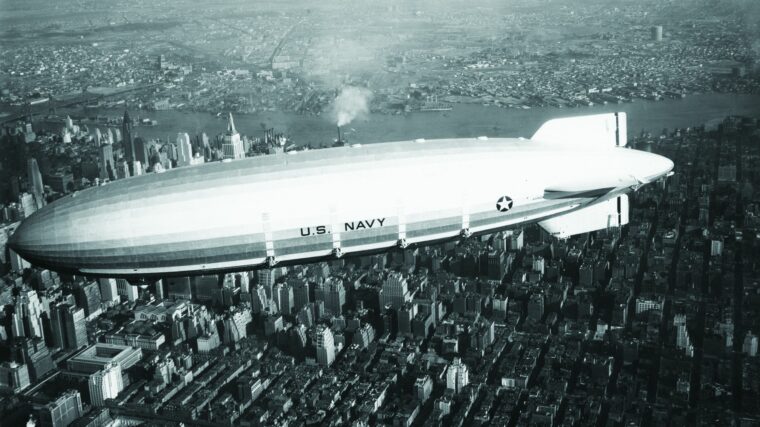
It is sometimes difficult to understand just how immature aviation was in the 1920s and 1930s. Everything about flying was new. Read more
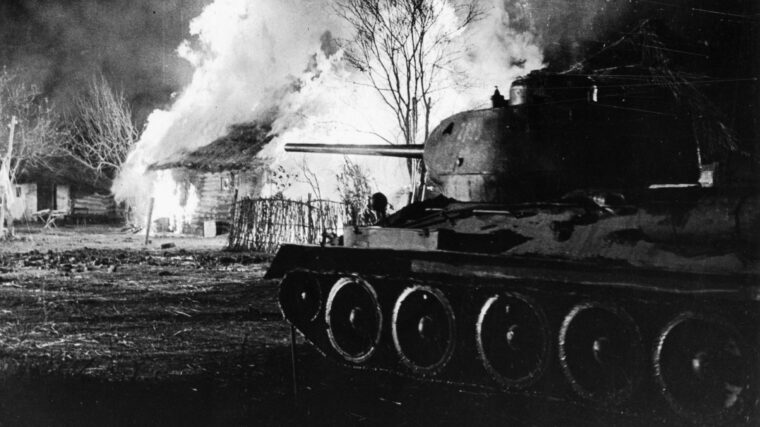
On the morning of July 12, 1943, a climactic engagement of the Battle of Kursk was about to take place. Read more
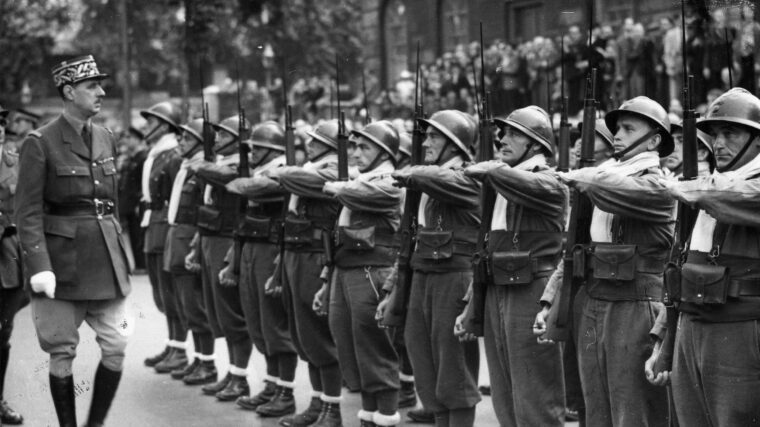
On the evening of June 16, 1940, Marshal Henri Philippe Pétain was appointed Prime Minister of France. It was a critical time. Read more
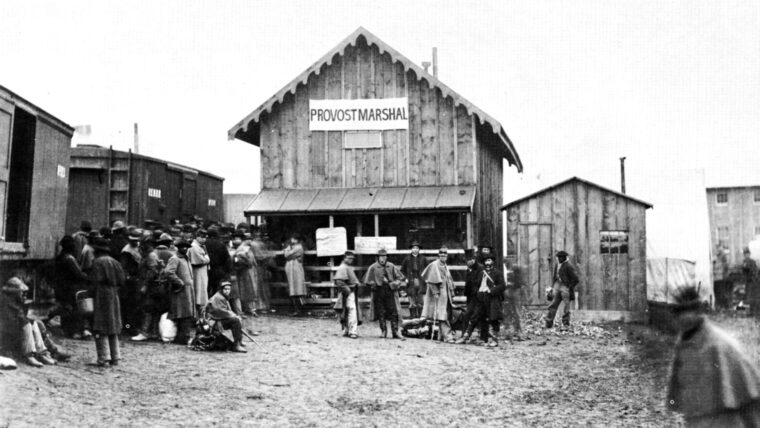
With the bombardment of Fort Sumter in April 1861, the Civil War began in earnest. The first recruits, on both sides, were completely uninitiated in the ways of military life. Read more
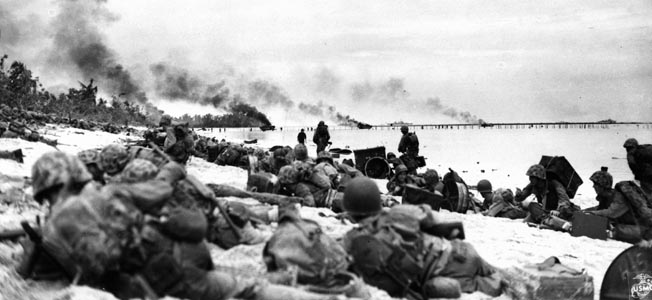
In the predawn hours of September 15, 1944, the official start of the two-month Battle of Peleliu, a powerful fleet of U.S. Read more

One of the supreme ironies of World War II was that the outcome of the Allied invasion of France, and ultimately the fate of the European Theater, would be decided by two men—one a highly decorated veteran, the other untested in combat—and it would be the latter that eventually triumphed. Read more
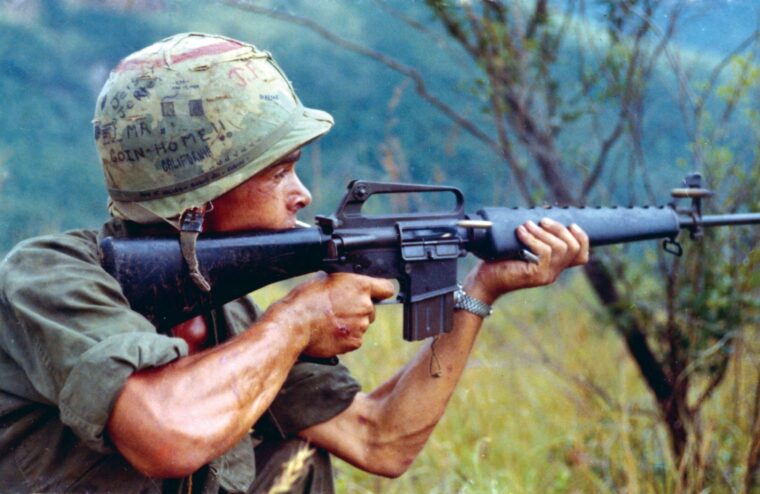
Marine Private Jim McGarrah arrived at Phu Bai in South Vietnam in late 1967 and was sent to what was euphemistically called “The Rockpile,” a firebase that overlooked the Demilitarized Zone between South and North Vietnam. Read more

Boarding a train at the famous station built by the French as a terminus on the line from Djibouti, the Conquering Lion of the Tribe of Judah, Elect of God, Ras Tafari, Emperor Haile Selassie of Abyssinia left his capital Addis Ababa on May 2, 1936. Read more

General George S. Patton, Jr., was one of the most flamboyant and controversial figures of World War II. Read more