Winston Churchill’s Escape During The Battle of Spion Kop
By Herman T. VoelknerAt the start of the Second Boer War in 1899, Winston Churchill sailed to Cape Town, South Africa, where he served as a journalist for the Morning Post. Read more
At the start of the Second Boer War in 1899, Winston Churchill sailed to Cape Town, South Africa, where he served as a journalist for the Morning Post. Read more
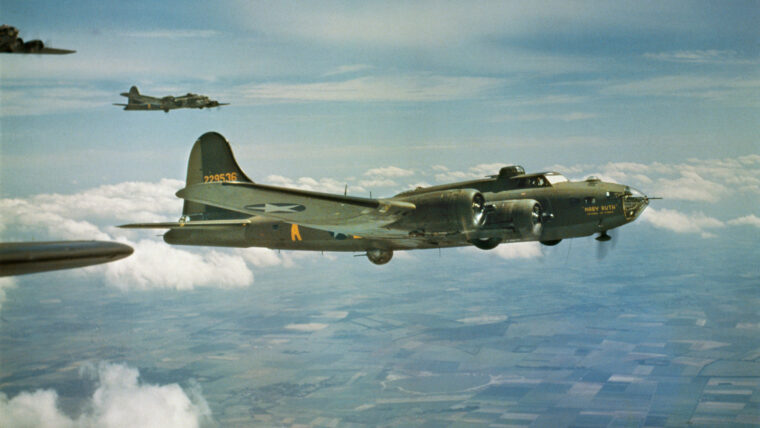
By Blaine Taylor
One query that was raised on the Allied side in 1942—two years before Operation Overlord—was if the cross-English Channel invasion of Northwest Europe via France was necessary at all in order to defeat the Third Reich. Read more
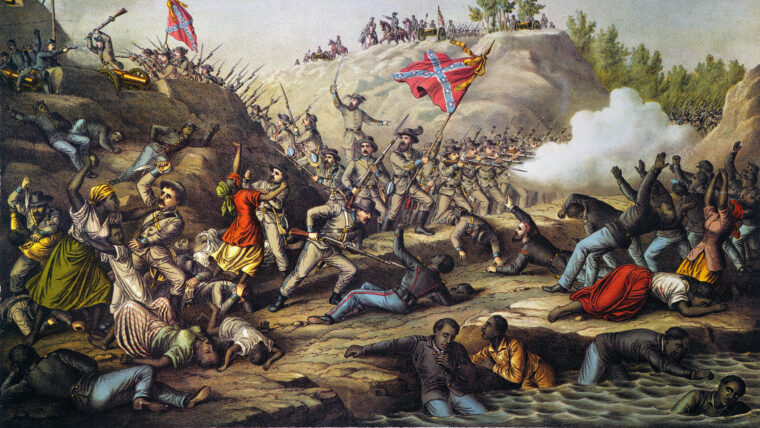
As dawn broke on April 12, 1864, the Union garrison manning Fort Pillow, a small redoubt on a cliff overlooking the Mississippi River in West Tennessee, found itself surrounded by 1,500 Confederate cavalrymen led by Maj. Read more
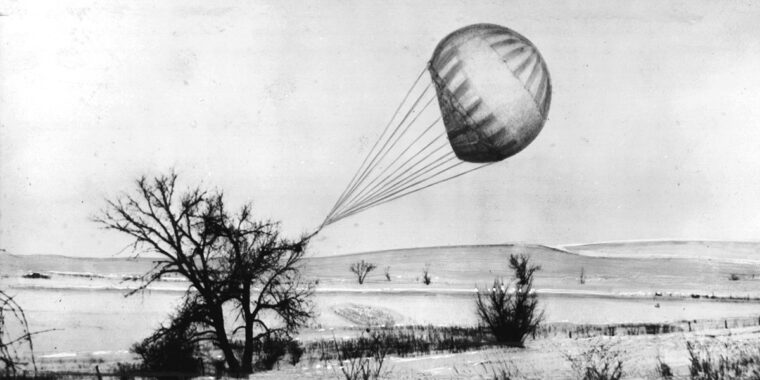
By 1944, the Japanese still had no long-range bombers to match the Boeing B-29 Superfortress. And a great many of Dai Nippon’s warplanes and aircraft carriers were lying at the bottom of the Pacific Ocean. Read more
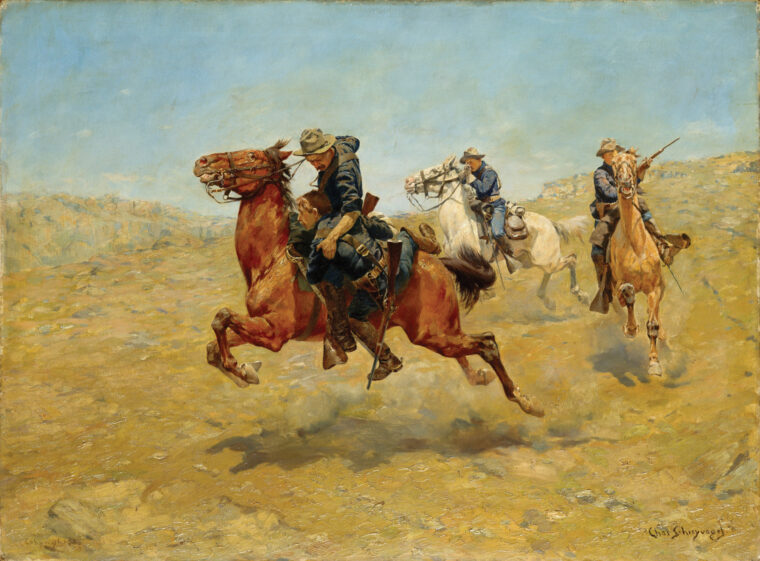
Around 8 o’clock on the morning of June 17, 1876, Brig. Gen. George Crook ordered his troops to halt along the banks of Rosebud Creek. Read more
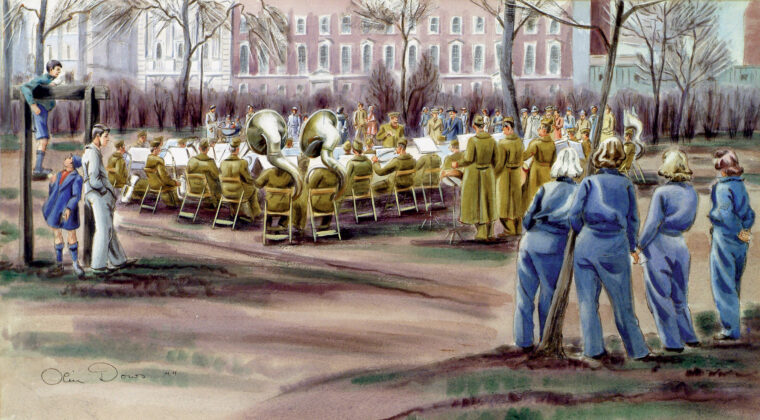
Some of the most memorable and enduring popular music of the 20th century was written during World War II. Read more
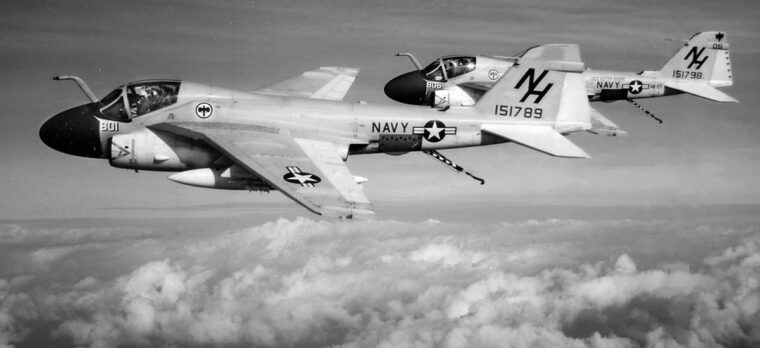
It was dark and difficult to see on the night of April 18, 1966, but the U.S. Navy was counting on that. Read more
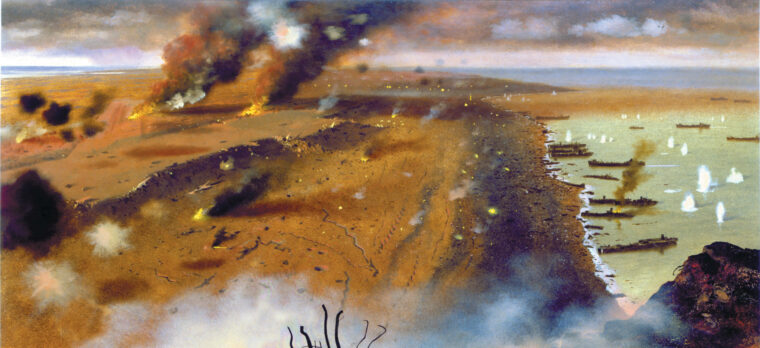
Lieutenant General Holland M. Smith was 62 years of age. At a time in life when most men contemplate retirement, he was a very busy individual. Read more
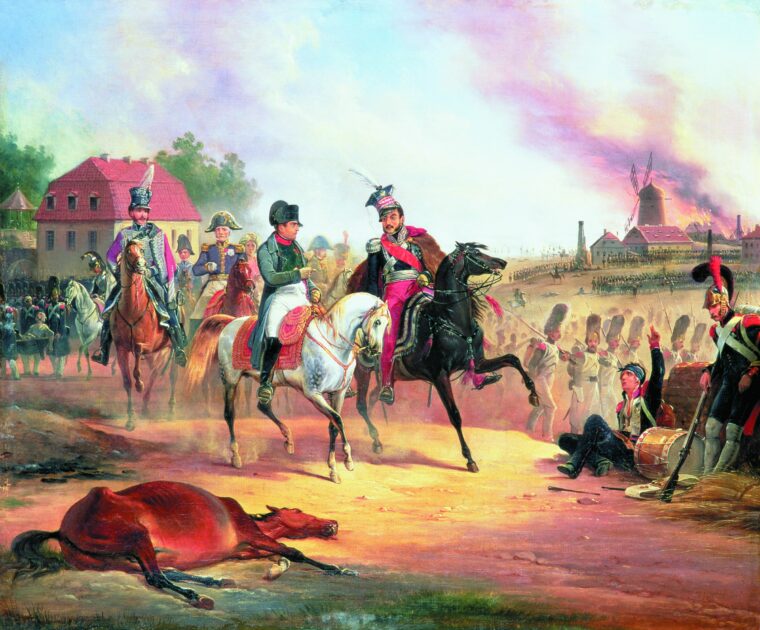
Polish Prince Joseph Poniatowski, a great hero of Napoleonic legend, ultimately was a man without a country. Born on May 7, 1762, the prince at first enjoyed the luxurious life of a nobleman because of his ties to the ruling family of Poland. Read more
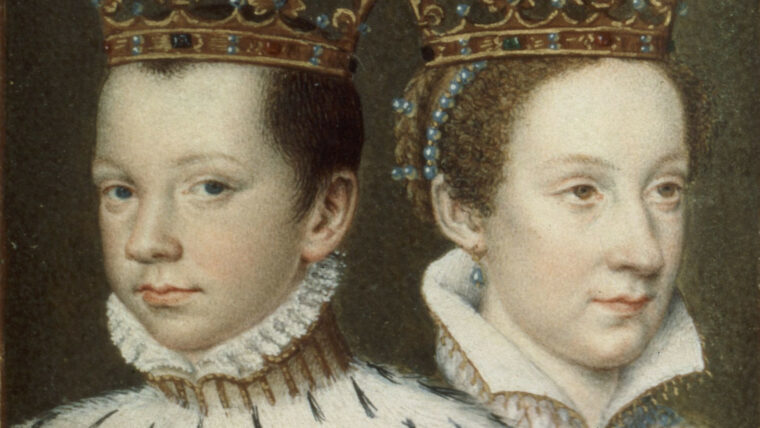
Mention Elizabethan England to most people, and they usually think of William Shakespeare, the Globe Theatre and Sir Francis Drake. Read more
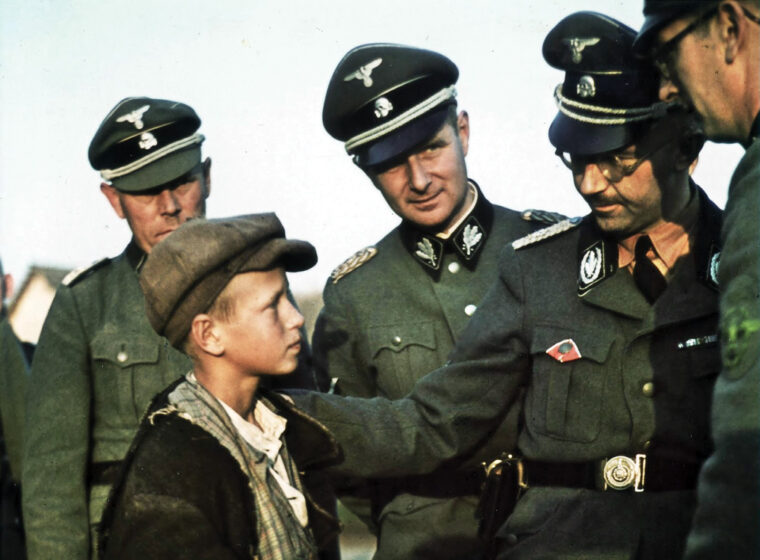
By 1936, 18-year-old Hildegard Koch had reached a crossroads in her young life as she finished her schooling. Read more
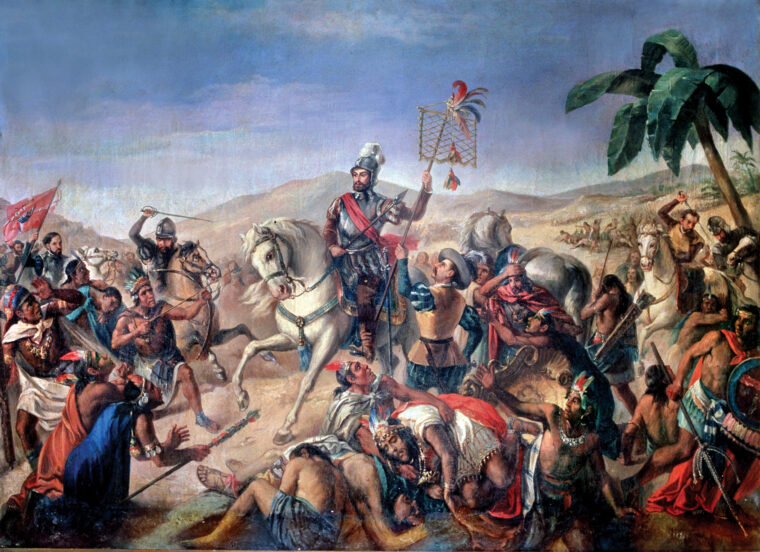
As the year 1520 drew to a close, the half-starved inhabitants of Tenochtitlan, the magnificent capital city of the most powerful city-state in the Aztec Empire, found that they were threatened by a massive host of enemies, both foreign and indigenous, which was led by Spanish Captain-General Hernán Cortés and his small band of conquistadors. Read more
Second Lieutenant William Capron first saw the attacking Messerschmitts as black dots descending rapidly to ambush his squadron of American fighter-bombers. Read more
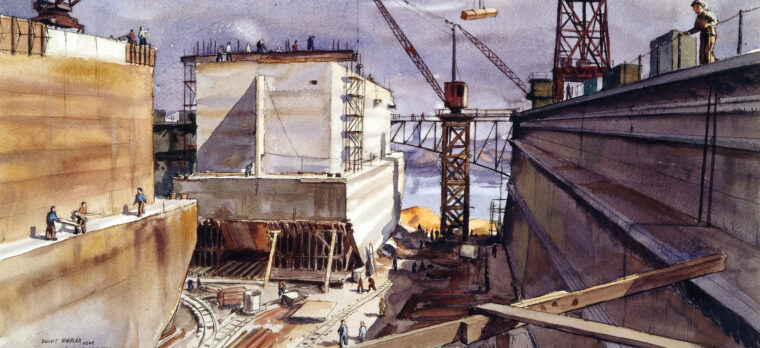
One of the major aims of the great Allied invasion of German-Occupied France on D-Day, June 6, 1944, was the securing of the port of Cherbourg on the Cotentin Peninsula in Normandy. Read more
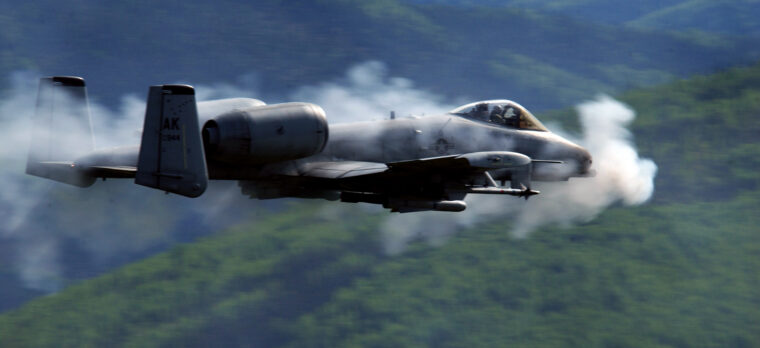
By Christopher Miskimon
Smoke and haze clouded the skies over Kuwait on February 25, 1991. It was the second day of Operation Desert Storm, the ground operation to eject the Iraqi military from its smaller neighbor. Read more
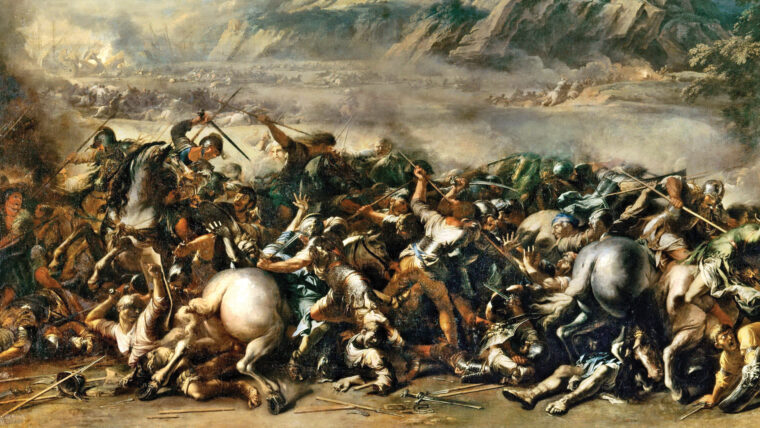
Gnaeus Pompey was one of the pivotal Roman leaders during the last decades of the Republic. He was born into an old and wealthy provincial family from Picenum on September 29, 106 BC. Read more
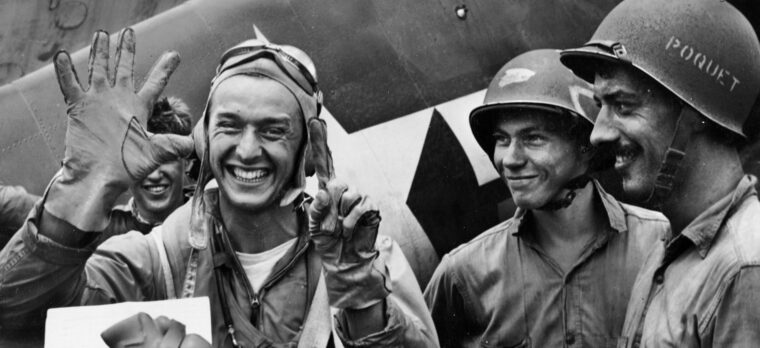
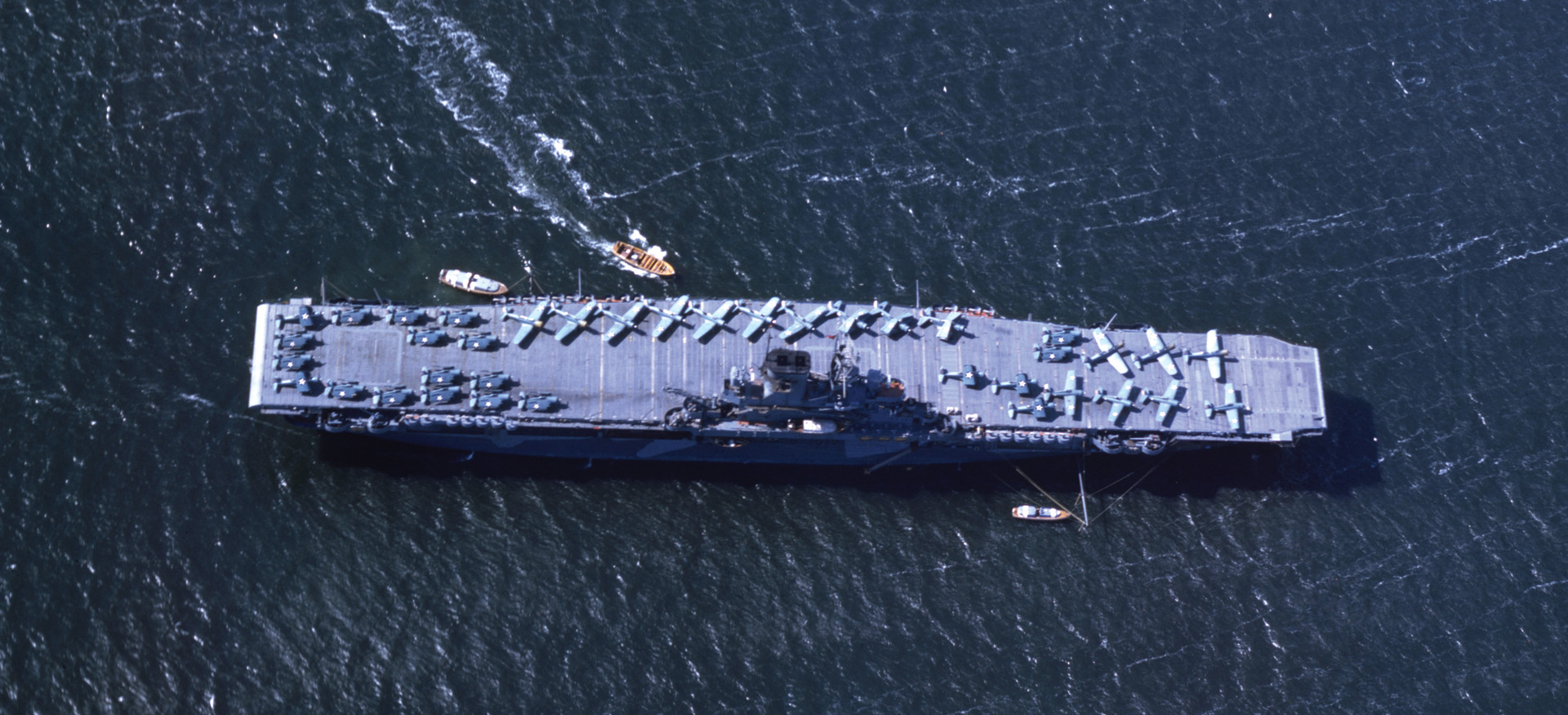
Once again, the Japanese regarded an upcoming naval engagement as the “decisive battle,” but it had been two years since her aircraft carriers and battleships had emerged from their Inland Sea lairs to menace the United States Navy. Read more
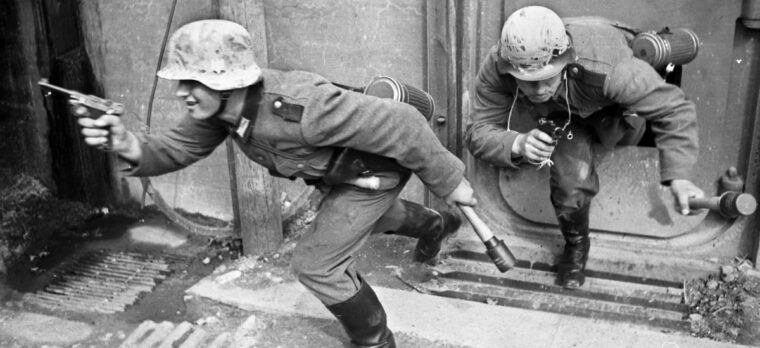
The German Luger is, most likely, the most famous pistol in modern warfare. Almost every World War II movie ever made featuring German armed forces seems to show it as an integral part of its action sequences. Read more
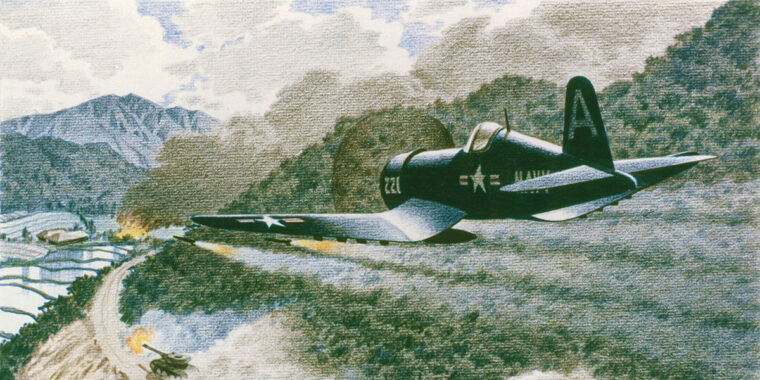
On December 4, 1950, Jesse Brown, U.S. Navy Ensign and the Navy’s first African American aviator, was flying 1,000 feet above the icy Korean mountains in his Corsair when its engine cut out. Read more

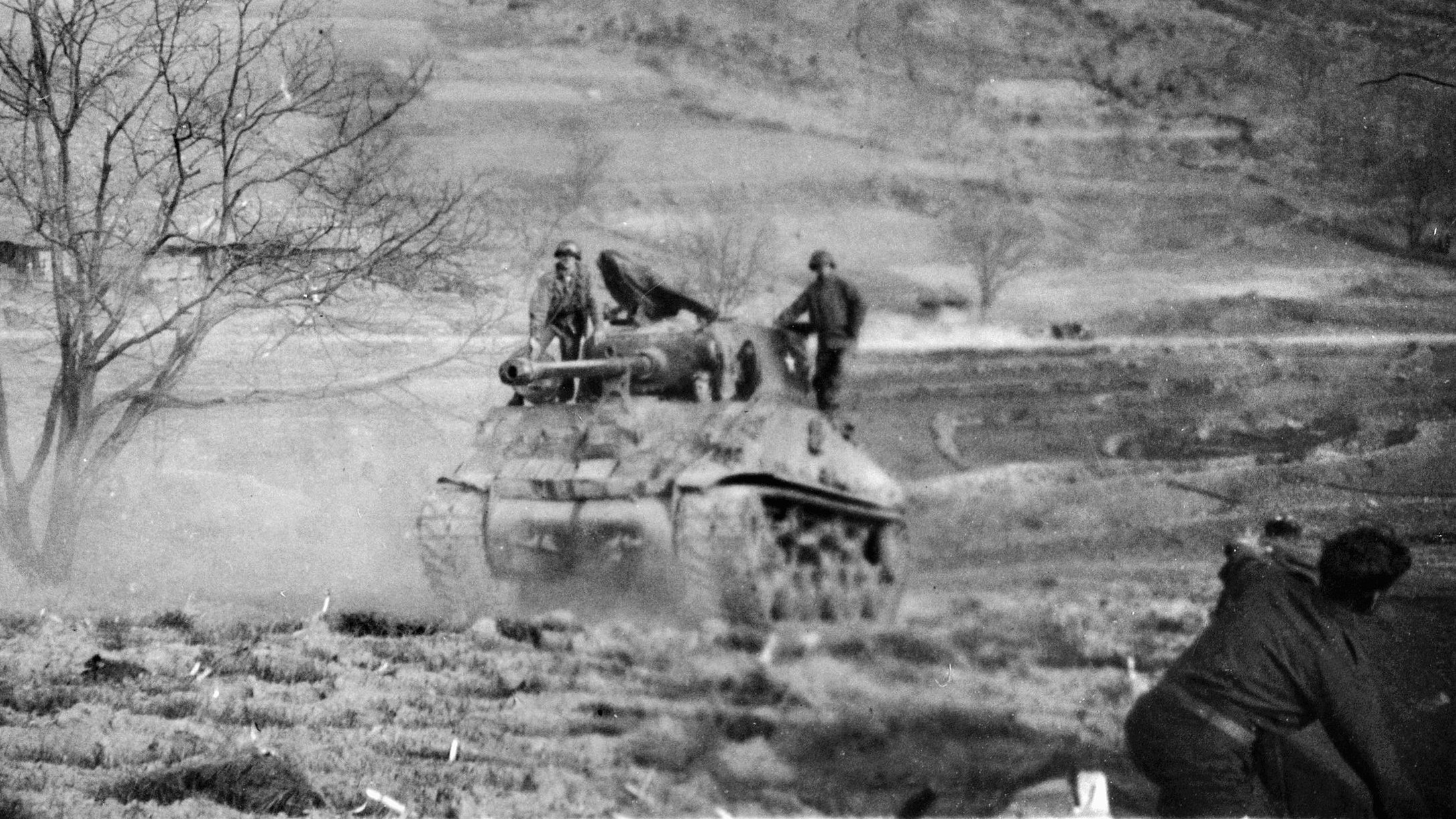
Task force commander Lieutenant Colonel Samuel Hogan, eager to get any advantage over the entrenched enemy of the 12th Infantry Division, requested a section of M2 flamethrowers from the 23rd Engineer Battalion. Read more