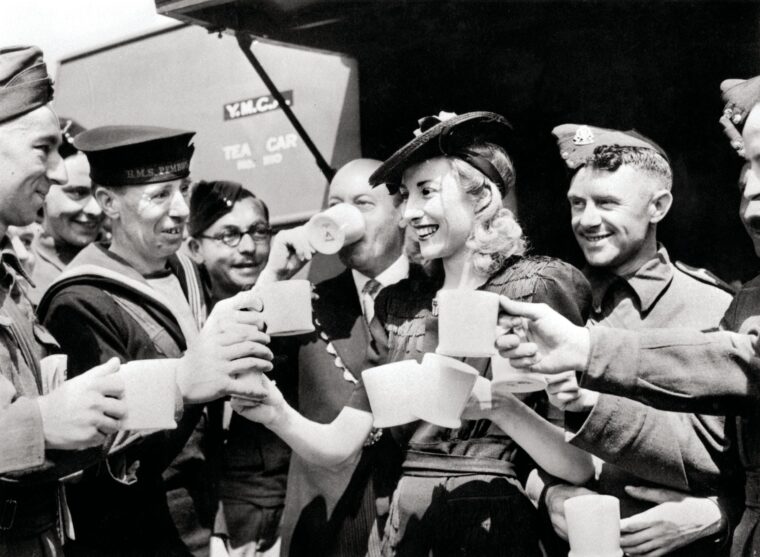
Vera Lynn
By Alan DavidgeAnother concert in a hospital ward for more British soldiers–this time for wounded from the front line near Kohima, brought down to Dimapur for treatment. Read more
Another concert in a hospital ward for more British soldiers–this time for wounded from the front line near Kohima, brought down to Dimapur for treatment. Read more
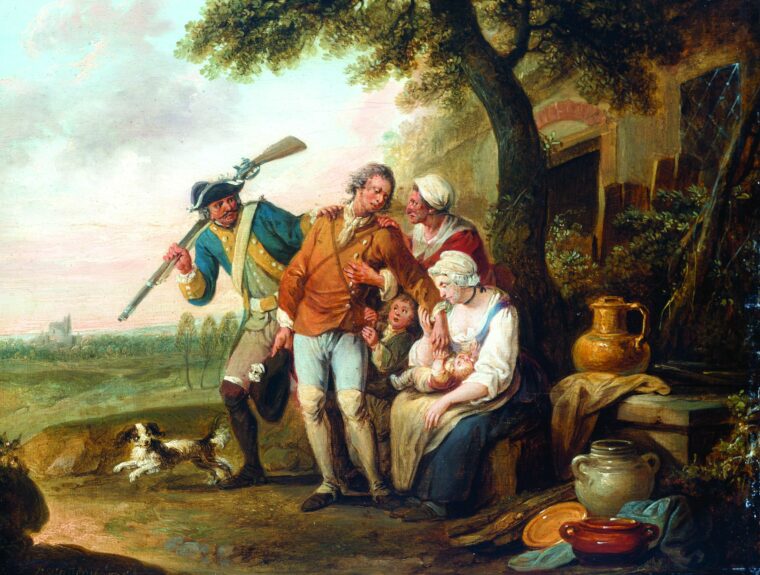
The call of a nation on its civilian population either to create a military force or to augment a standing army is virtually as old as civilization itself. Read more
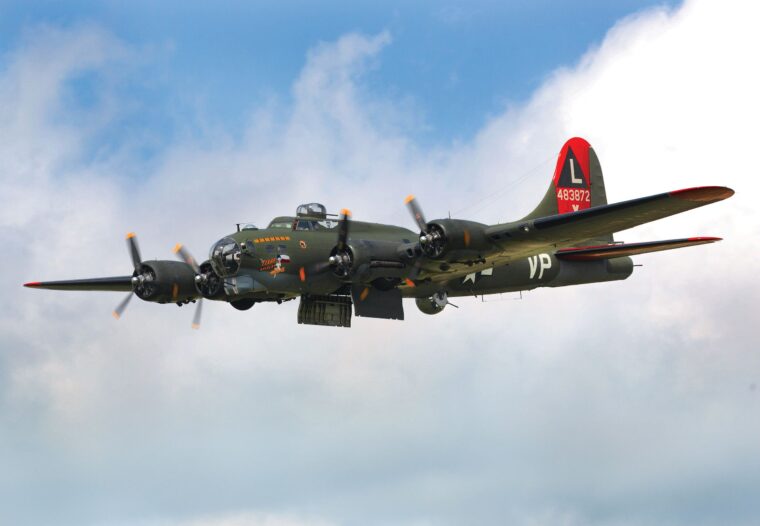
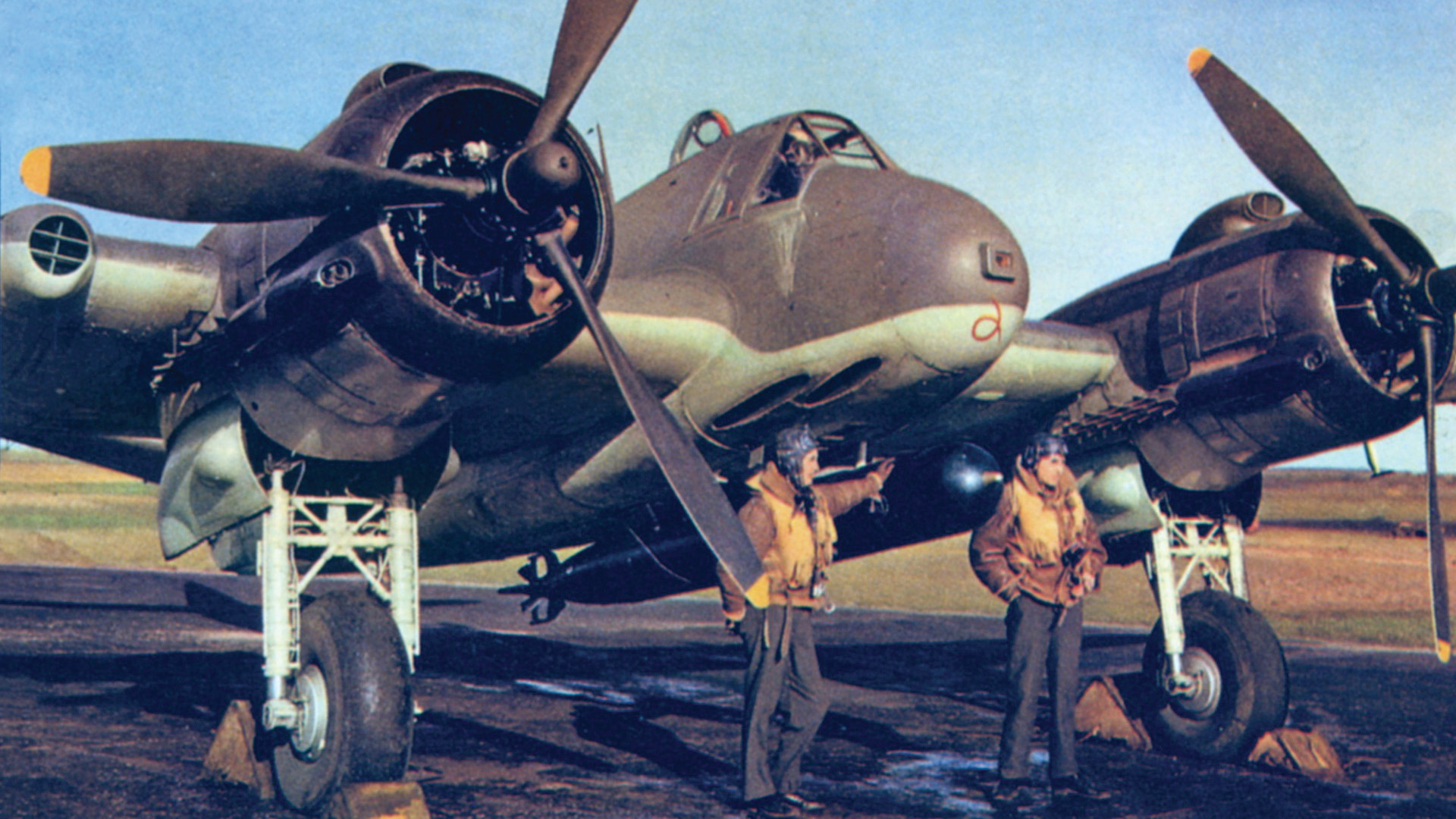
The average American airman in World War II faced some tough challenges. Products of the Great Depression, roughly 50 percent of those who fought the war came from rural America. Read more
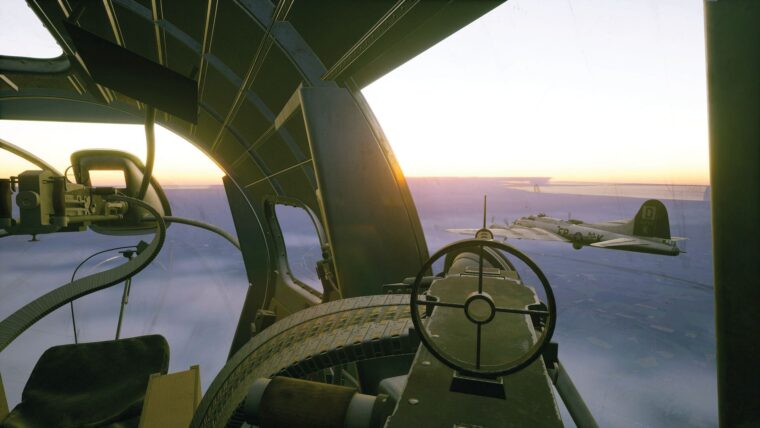
It may be harrowing to experience for many, especially in such an intimate way, but it remains surprising that there aren’t more World War II-based virtual reality games out there. Read more
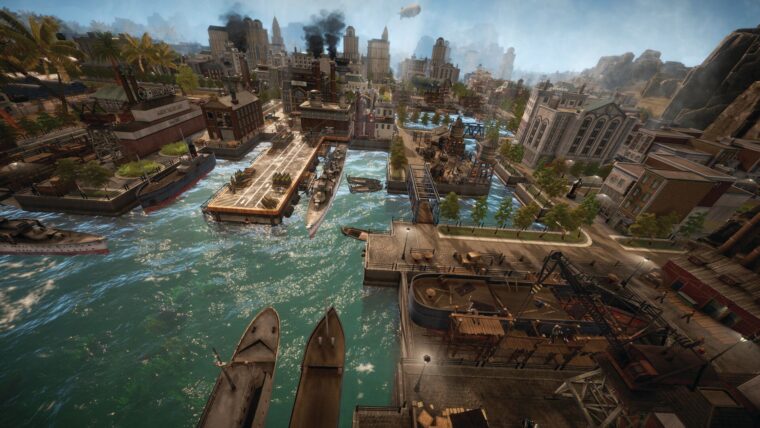
Veering off of our current timeline, developer Overseer Games’ Kaiserpunk takes aim at an alternate history that noticeably split from our reality after the end of World War I. Read more
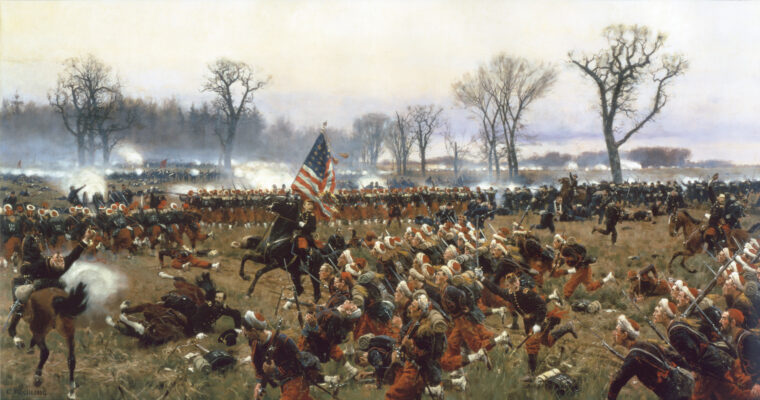
Word spread like wildfire through the camps of the Army of the Potomac during the second week of November 1862: “Little Mac” was out, “Old Burn” was in. Read more
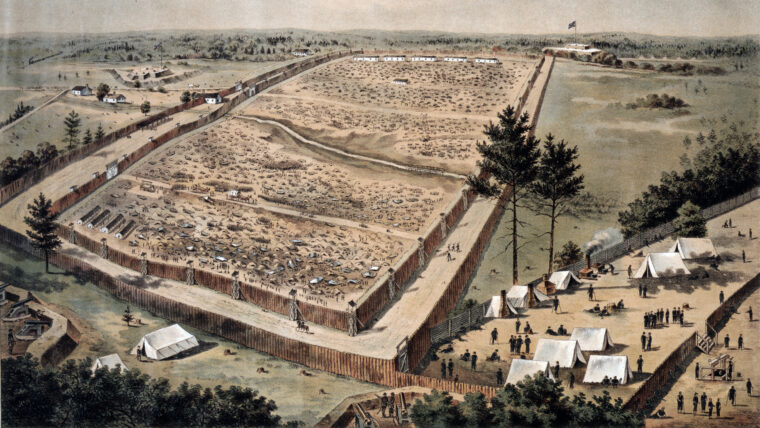
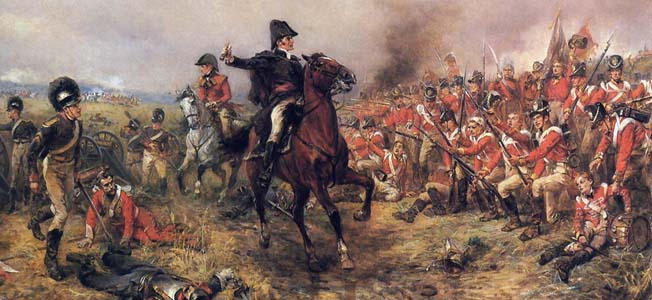
The June 19, 1861, editorial in the Charleston Mercury newspaper warned: “War is bloody reality, not butterfly sporting. Read more
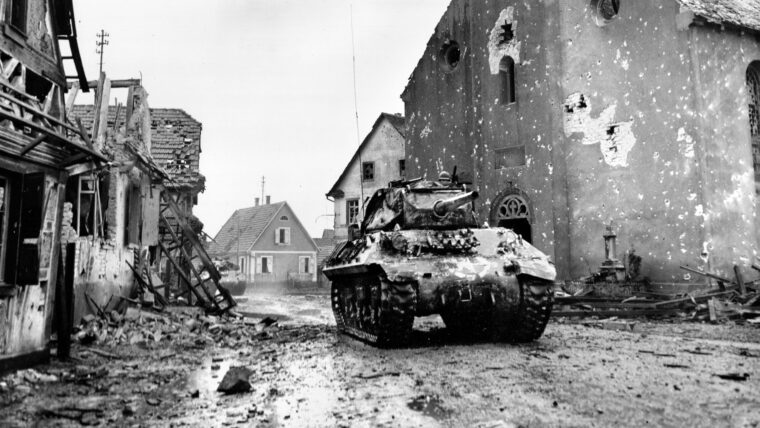
Snow and biting cold covered American foxholes in the Vosges and the Alsace plain as GI wristwatches ticked down the last hours of December 31, 1944, awaiting the German attack. Read more
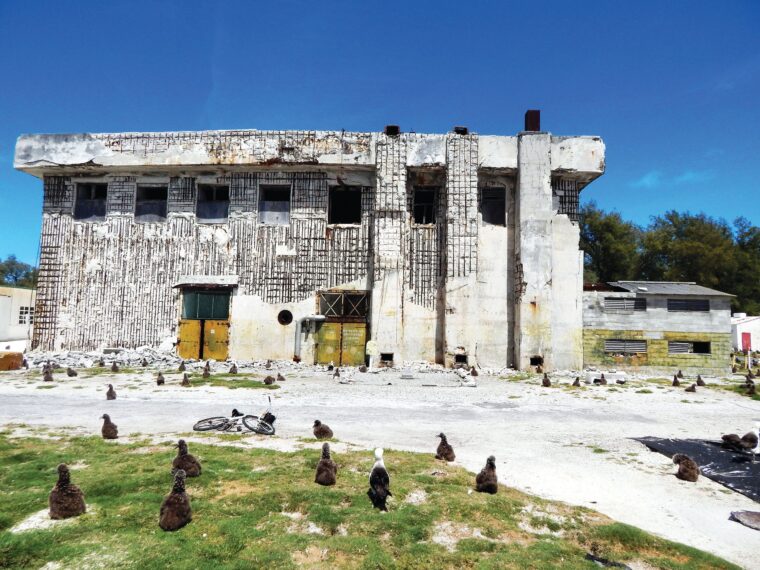
Marine Lieutenant George Cannon flinched instinctively as a barrage of shells erupted short of the sandy beach with a violent roar, sending columns of water and sand soaring into the air. Read more
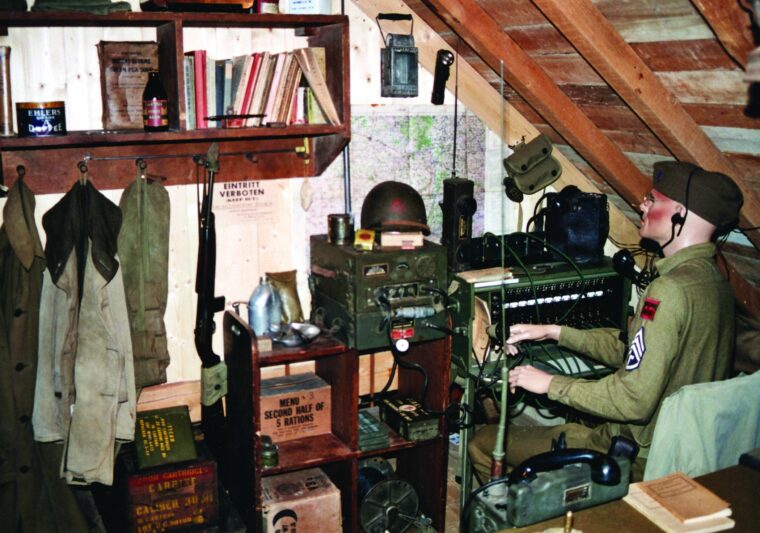
You won’t find the familiar little triangular signs, “Warnung Minen!” hanging on barbed wire today in Western Europe, with one exception. Read more
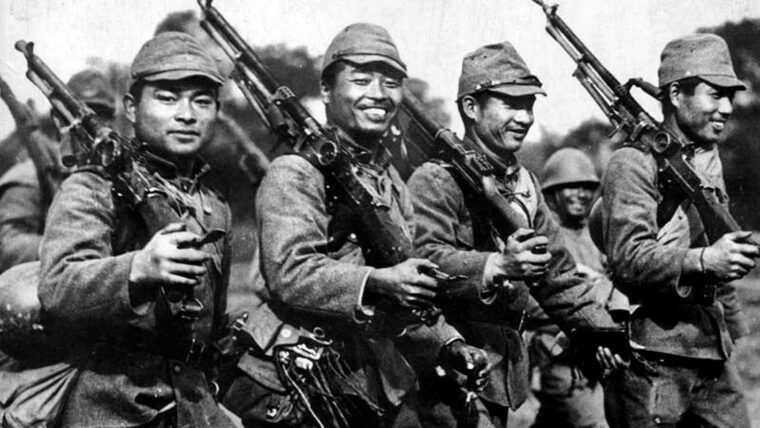
Admiral William F. Halsey had never seen such destruction. Making matters worse, the harm had been inflicted on his beloved Navy inside one of its strongholds—the Pacific bastion of Pearl Harbor. Read more
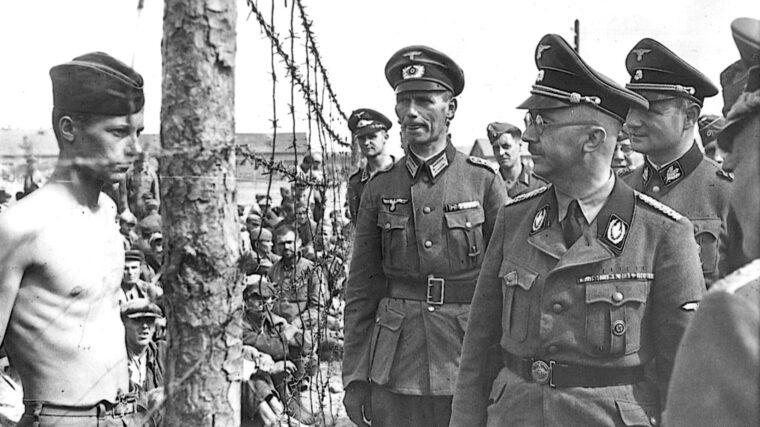
During the last days of the Third Reich and the immediate aftermath of World War II in Europe, the Allied hunt for the high-ranking Nazis closest to the Führer was vigorous. Read more
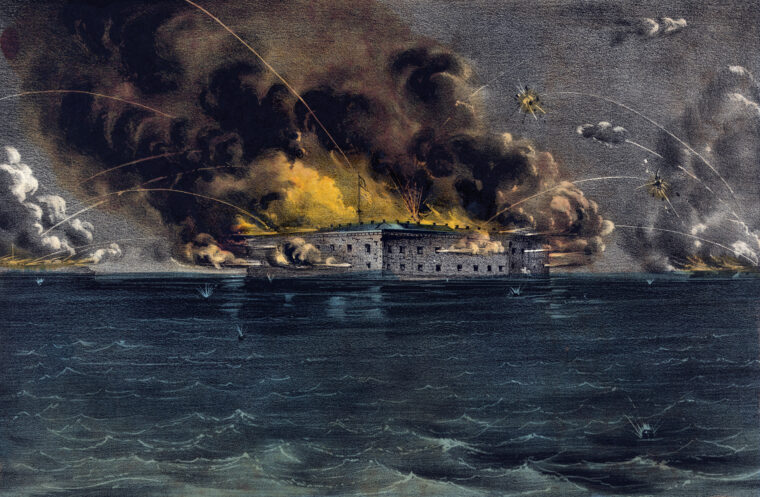
Shortly after midnight on the morning of April 12, 1861, four men in a rowboat made their way across the pitch-black harbor at Charleston, South Carolina, toward an unfinished and architecturally insignificant masonry fort three miles out from the city where the harbor meets the Atlantic Ocean. Read more
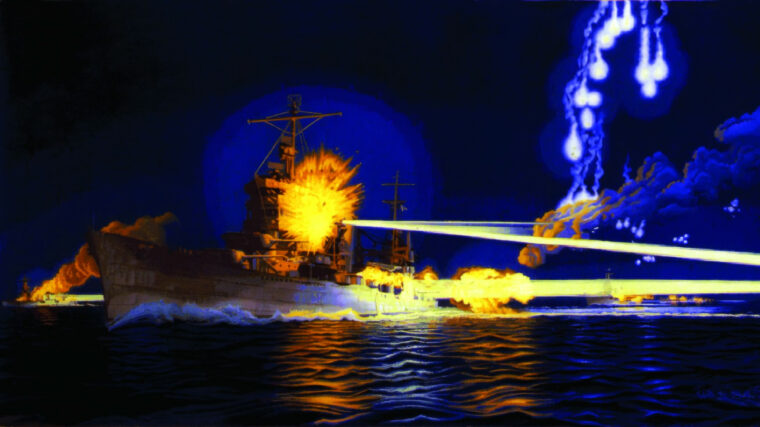
November 13, 1942, was a Friday, which sailors aboard the cruiser USS San Francisco noted with anxiety. Read more
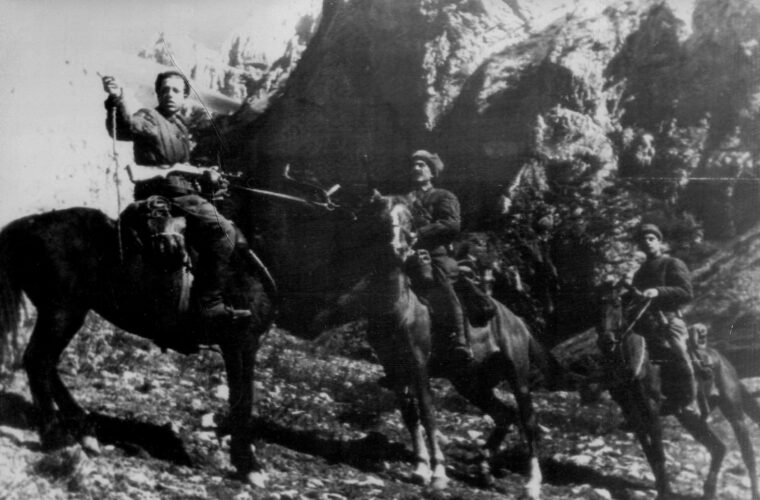
At 8 am on the cold, blustery morning of November 7, 1941, the 24th anniversary of the Russian Communist Bolshevik Revolution of 1917, a dashing lone horseman galloped out of the Spassky Gate of the Kremlin onto snow-covered Red Square. Read more
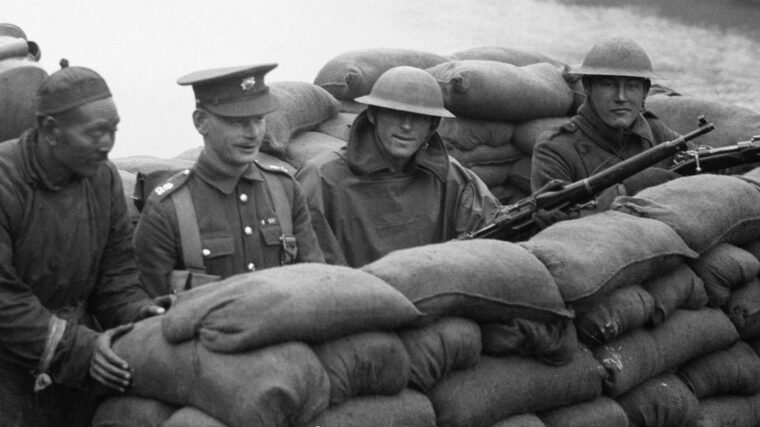
Soochow was a mongrel dog with a remarkable gift for self-preservation. A homeless stray, he attached himself to some U.S. Read more
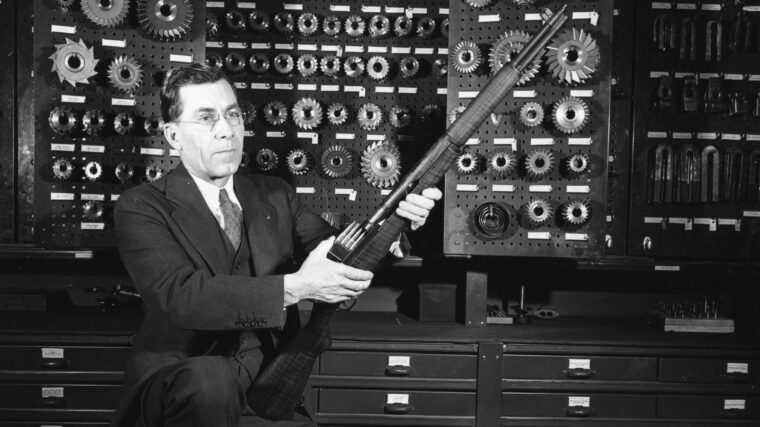
A variety of outstanding weapons and pieces of equipment affected the course of World War II for both the Allies and the Axis powers. Read more

Ever since Julius Caesar’s legions conquered Gaul, opposing armies have built temporary fortifications, or fieldworks, during campaigns in the open countryside. Read more
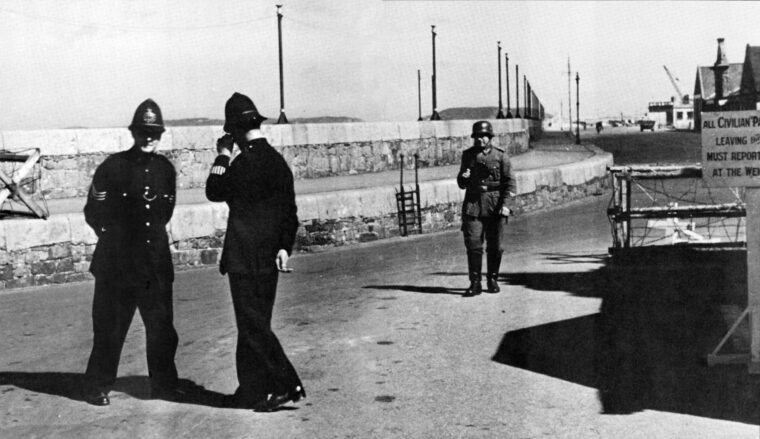
Nations have often pressed unsavory characters and criminals into service during wartime, rationalizing that such action is in the best interest of the country during extraordinary times. Read more
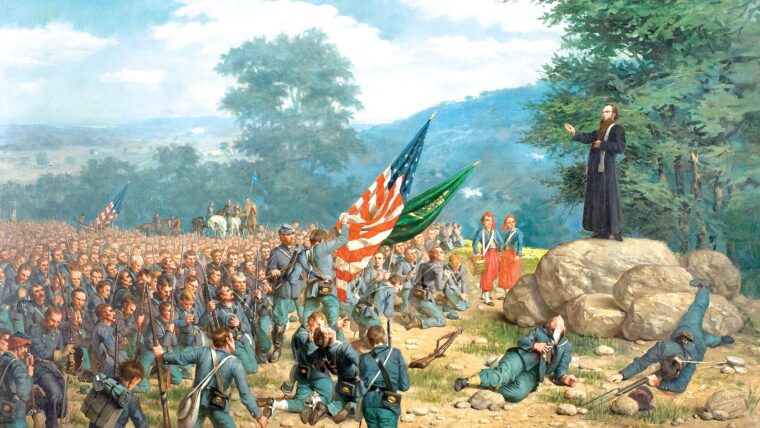
Those who served the Protestant spiritual needs of the fighting men of the Civil War, in both official unofficial capacites, faced numerous barriers, shortages and hardships—though they did receive a captain’s salary and horse, they were not identified as such by the government, nor were they provided with uniforms, rations or forage for the horse. Read more