Crossfire at the Crossroads
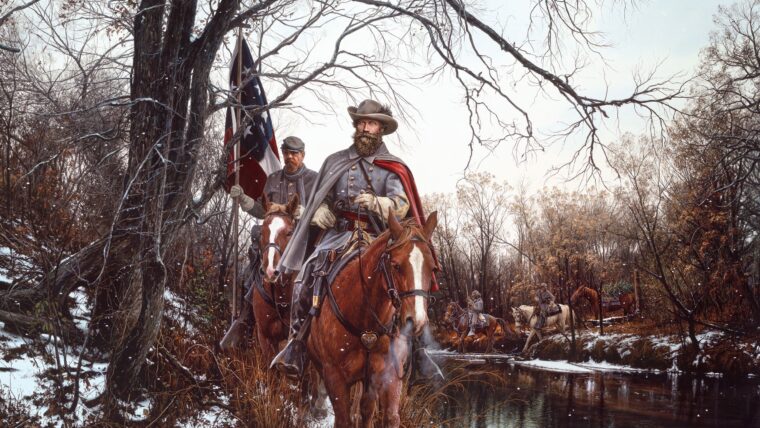
By Ryan QuintWhen his pickets reported Federal troops up ahead in the small crossroads of Dranesville, Virginia, Brig. Gen. J.E.B. Read more
When his pickets reported Federal troops up ahead in the small crossroads of Dranesville, Virginia, Brig. Gen. J.E.B. Read more
Cap: French chasseur-style gray kepi with blue band.
Coat: Military-style butternut colored greatcoat with brass buttons.
Backpack: Box hardpack knapsack, tarred canvas and leather with wood frame. Read more
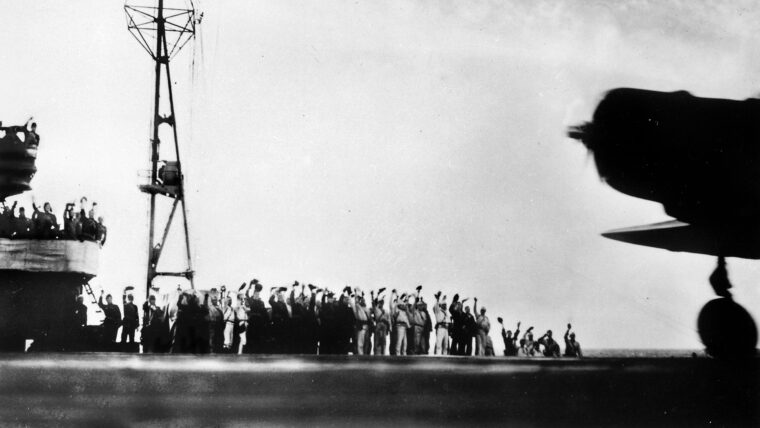
A wave of 177 Japanese aircraft approaching the U.S Naval base at Oahu’s Pearl Harbor became visible at 7:48 a.m. Read more
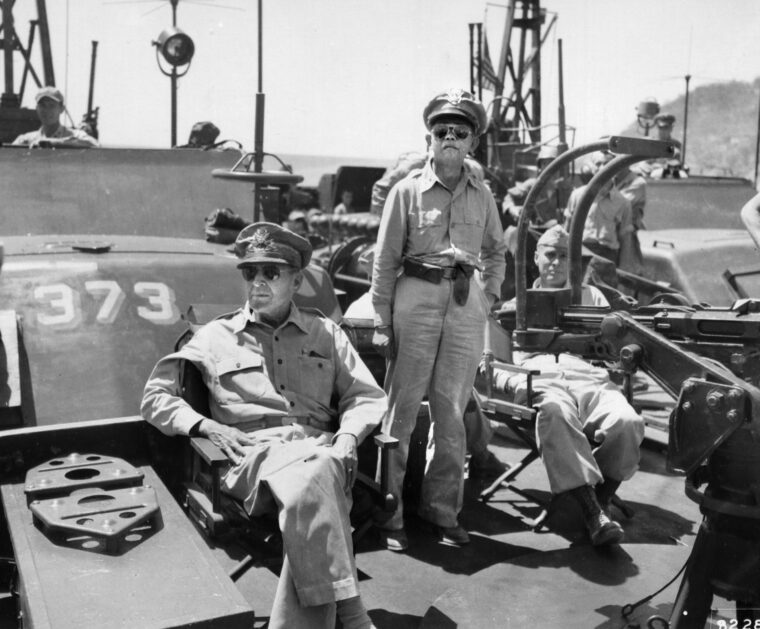
The 1944 Battle of Leyte and the liberation of the Philippines was the largest and costliest campaign of the War in the Pacific. Read more
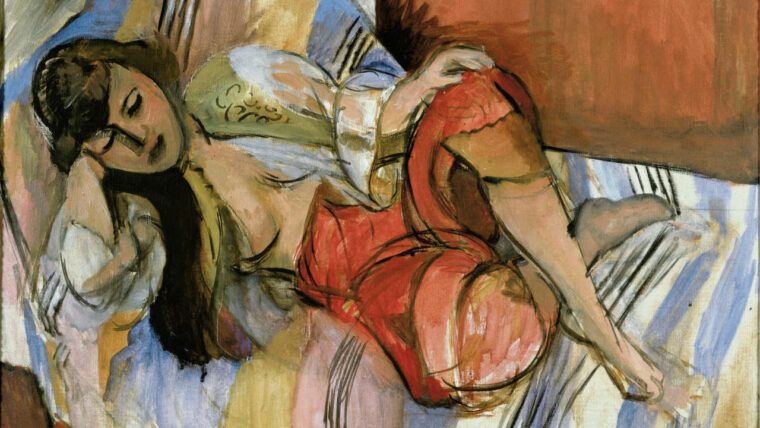
Through intimate letters and many other sources, this book reveals Matisse’s journey of reinvention in the face of war and fascism to create some of his greatest art. Read more

Unlike other African-American military units such as the Tuske-gee Airmen, or even the 10th Cavalry Regiment “Buffalo Soldiers” who occupied Fort Huachuca before them, the 92nd and 93rd Infantry Divisions—the only two black units of divisional size in World War II—have received much less coverage in popular media over the past 80 years. Read more
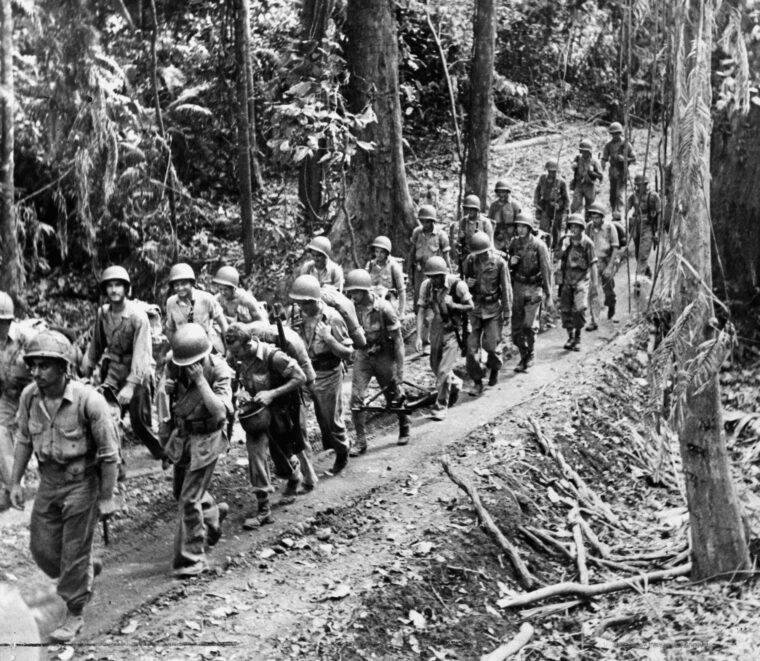
An ground-level view of island warfare by a U.S. Marine Corps rifleman who spent 27 months in the Pacific. Read more
During the liberation of camps like Dachau and Buchenwald, American journalists documented the horrors for the world to see. Read more
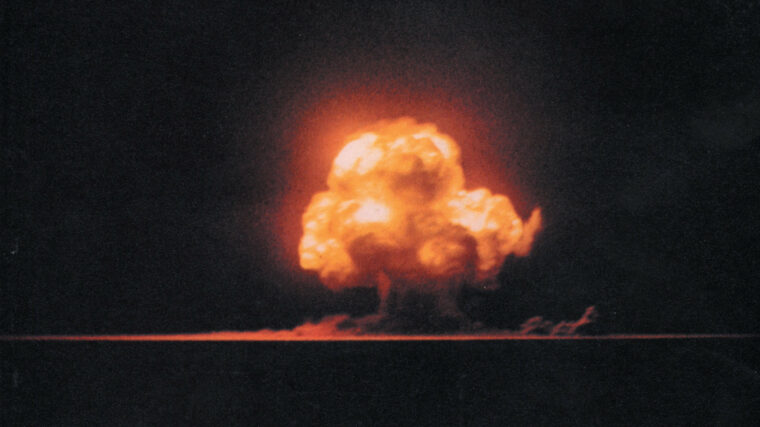
On the 80th anniversary of the Hiroshima and Nagasaki bombings, Graff, a Pulitzer Prize finalist, has drawn from oral history archives and hundreds of books, reports, letters, diaries, and transcripts from across the U.S., Read more
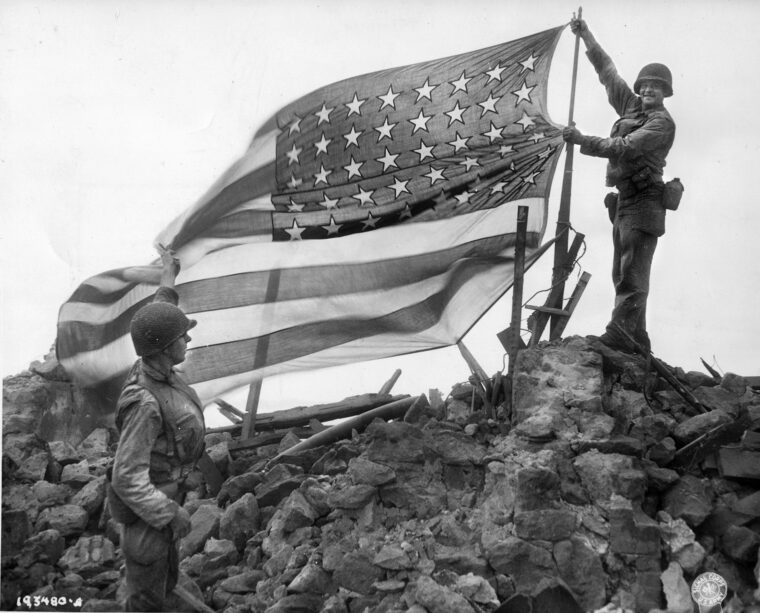
A two-time Pulitzer Prize finalist, Nasaw takes an unvarnished look at the real America in the years after World War II—after the parades and celebrations—and how it affected those who fought and their families and how it changed our nation. Read more

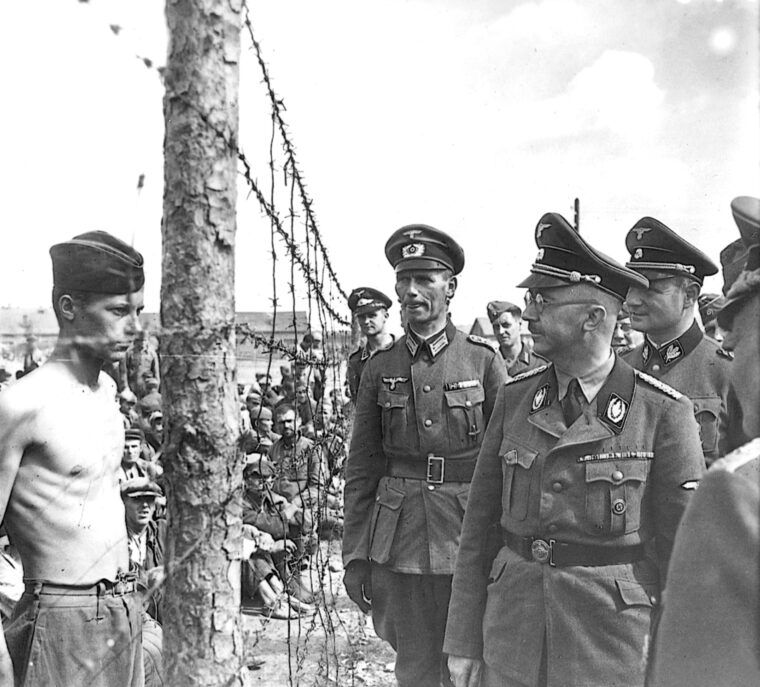
By the spring of 1943, the Nazi deaths camps in eastern Poland—Sobibor, Belzac, and Treblinka—were running out of victims. Read more

As he read the decrypt of the radiogram from Admiral Harold Stark, Chief of Naval Operations, several things bothered Admiral Thomas C. Read more
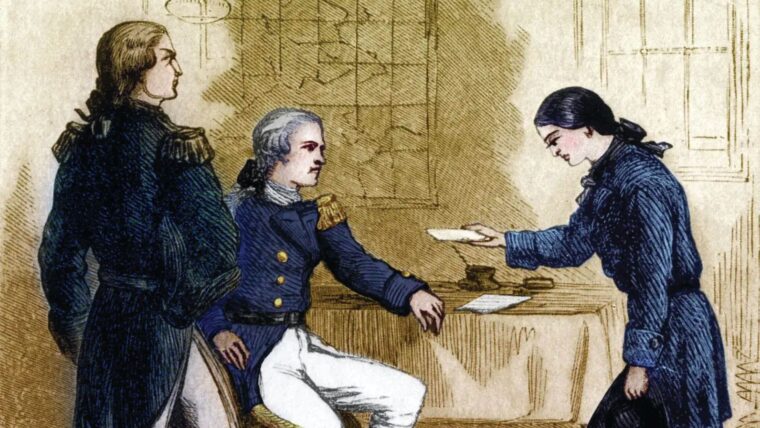
Yearning for more out of life than a woman could hope for in her place and time, Deborah Sampson took the only opportunity she could see to fully realize her patriotic ambitions and wanderlust—she cut her waist-length blonde hair, put on men’s clothes and joined the Continental Army to fight for the embryonic country’s independence during the American Revolution. Read more
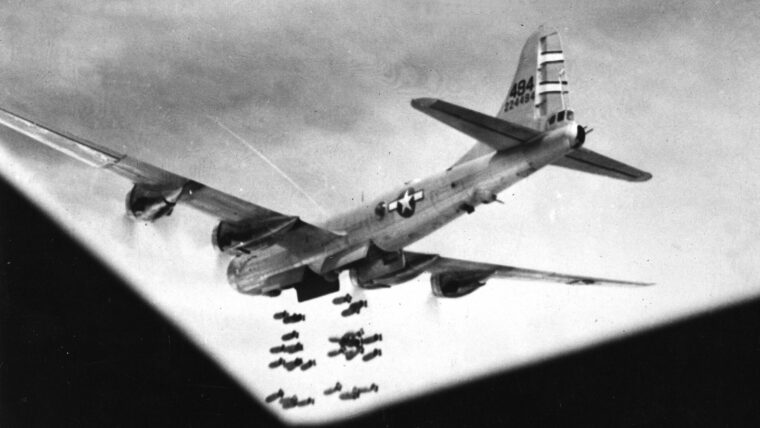
As the Japanese delegation stood on the deck of the battleship USS Missouri on September 2, 1945, preparing to sign the documents that ended World War II, a large formation of Boeing B-29 Superfortress heavy bombers swooped low over Tokyo Bay as a reminder of the terrible destruction that had befallen their nation and turned Japan’s cities into ruins. Read more
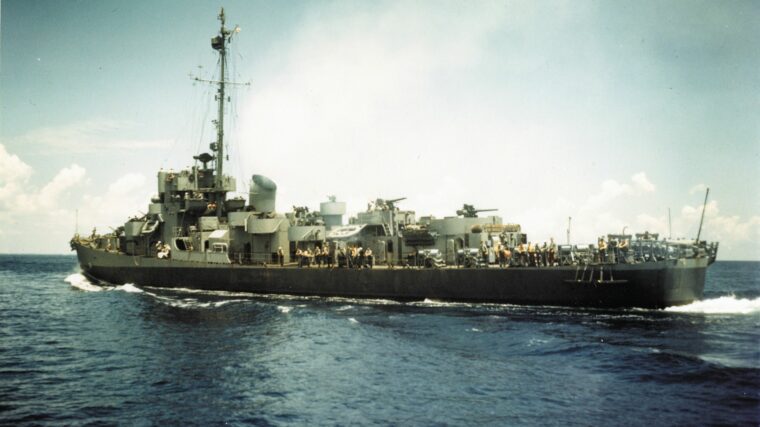
Through the first half of World War II, Allied shipping losses to German U-boats climbed steadily from over 400,000 tons in the last four months of 1939 to more than two million tons each in 1940 and 1941, before reaching a staggering 6,266,215 tons in 1942 following the entry of the United States into the war. Read more
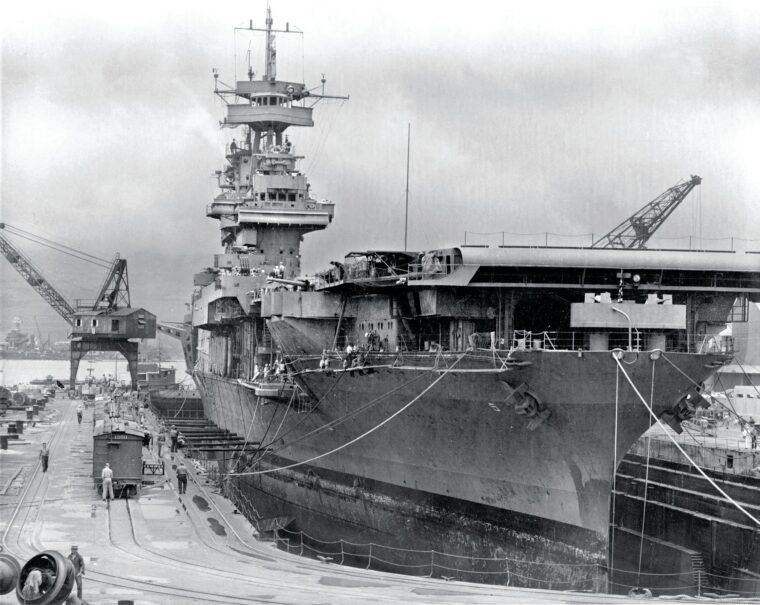
The Battle of the Coral Sea in May 1942 was the first naval engagement in history to be fought between aircraft carriers. Read more
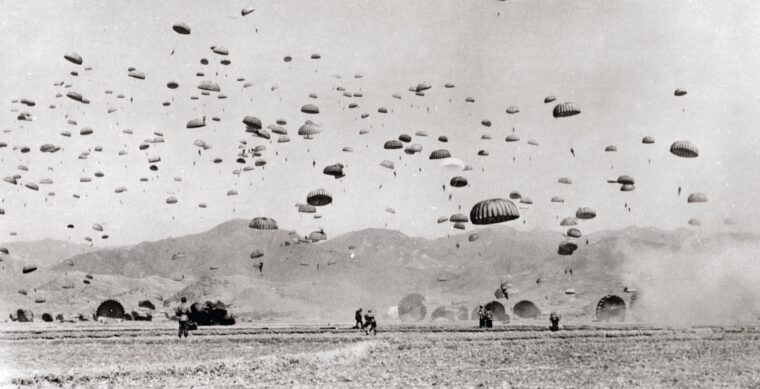
The first two tanks crossed the small Changnung river in one piece. As the third was splashing across, though, it hit a mine the first two had barely missed. Read more
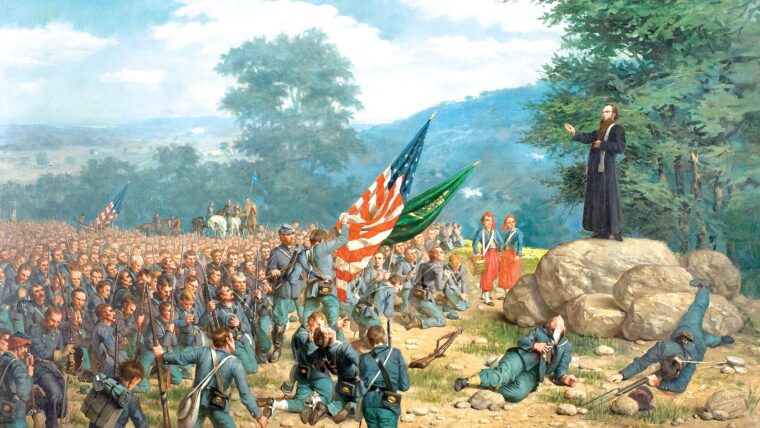
Faith of the Fathers: The Comprehensive History of Catholic Chaplains in the Civil War (Rev. Robert J. Read more
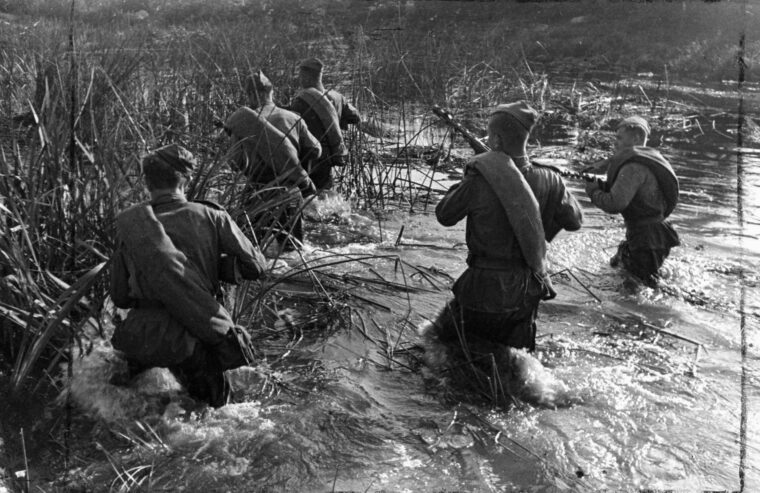
The charred remains of men and machines scattered through the Kursk salient in July 1943 signified the death knell of the last attempt by the German Wehrmacht to regain the initiative on the Eastern Front. Read more
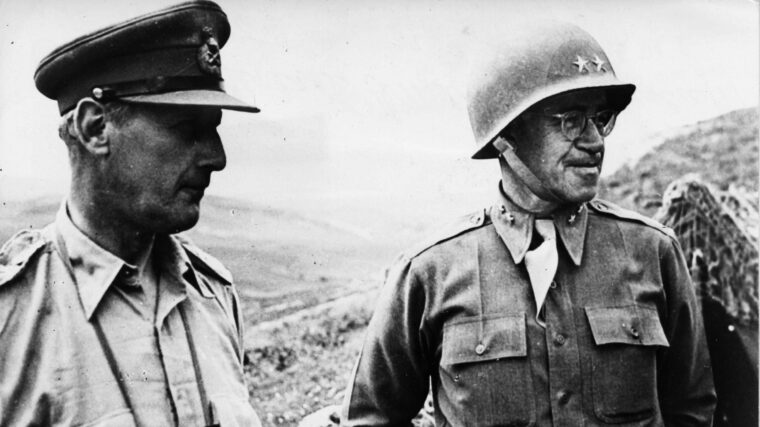
Great commanders need great subordinates. In the campaigns in the Mediterranean and European Theaters of World War II, General Dwight D. Read more