By Kevin Seabrooke
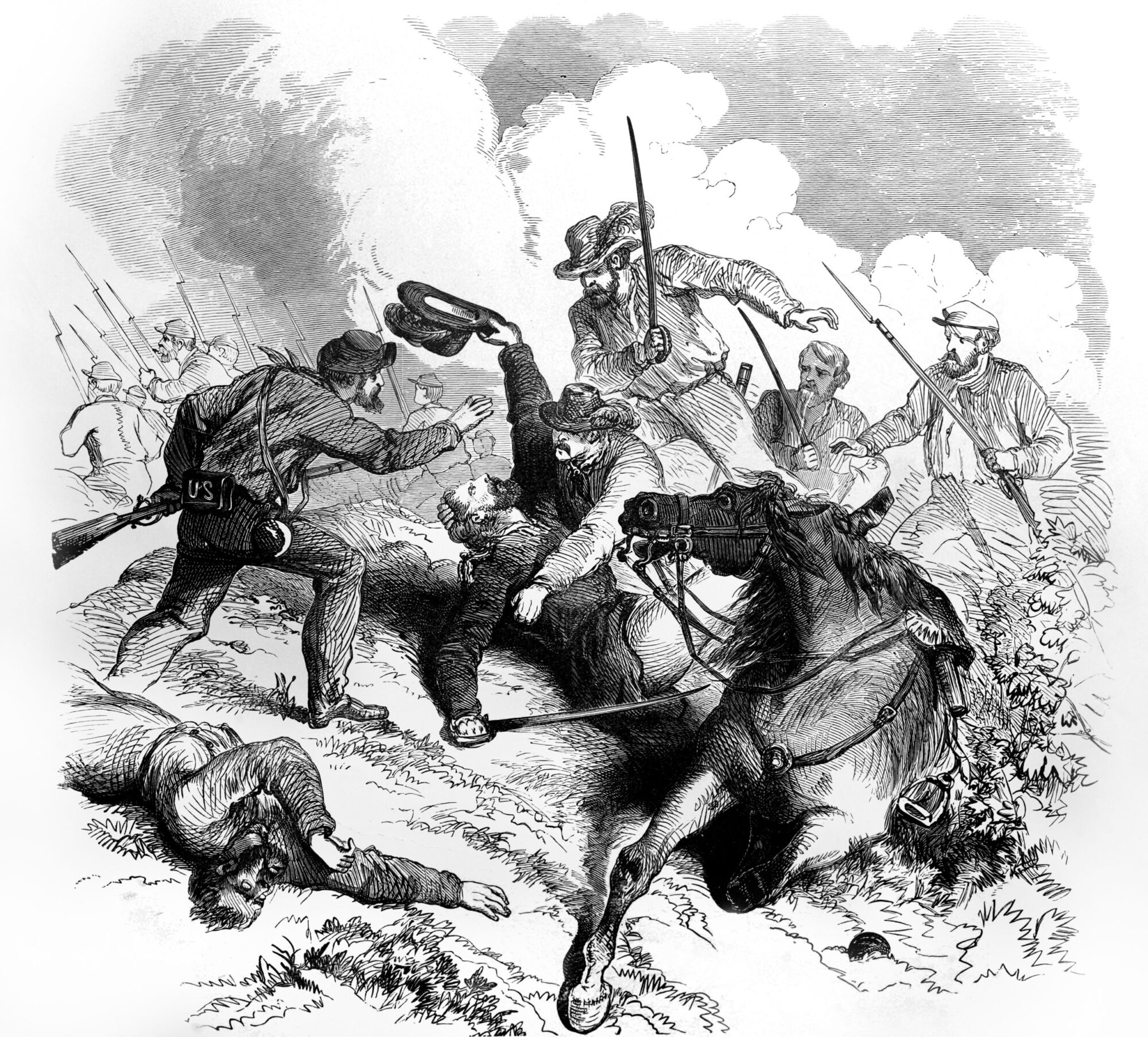
President Abraham Lincoln appointed John C. Frémont as a major general on May 15, 1861, and gave him command of the U.S. Army’s Department of the West, based in St. Louis, Missouri—a border state that officially remained part of the Union, but had strong pro-Confederate sentiments.
Though obviously political, Lincoln’s choice did have some merit, though Wolk notes portentously that Frémont was being given “a rank and responsibility that few independent observers would have thought him fit to occupy.”
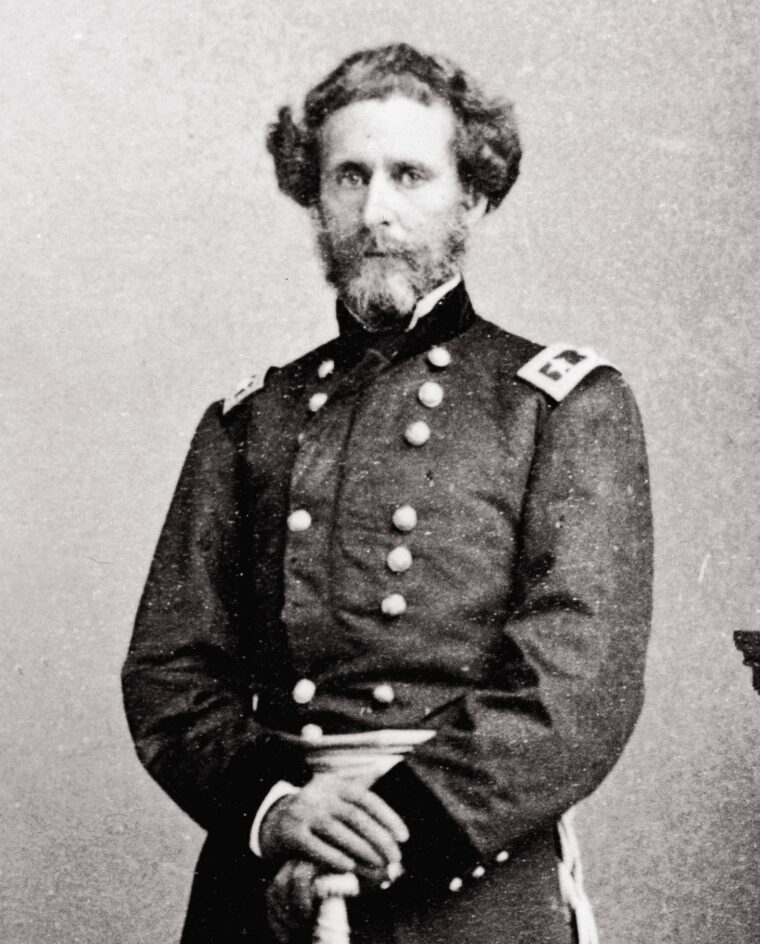 Frémont, “Great Pathfinder,” had become a nationally famous figure after embarked on a series of expeditions beginning in the early 1840s as a young officer in the U.S. Army’s Corps of Topographical Engineers that mapped and documented the vast, largely unknown territories of the American West. These expeditions—often guided by legendary frontiersmen like Kit Carson—were crucial to the westward expansion of America. They surveyed and charted vital routes such as the Oregon Trail, documented the flora and fauna of the region, and explored geographical features like the Great Salt Lake and the Sierra Nevada.
Adding to his fame was the popularity of his reports, often co-authored by his wife, Jessie Benton Frémont, that often read more like tales of adventure and discovery at a time when the country was enthralled by the idea of Manifest Destiny.
As the Western Department was headquartered in St. Louis, Missouri, Lincoln was also aware that Frémont’s wife was the daughter of powerful Missouri Senator Thomas Hart Benton (in office from the state’s founding in 1821 until 1851).
During the U.S.-Mexican War (1846-48) Frémont’s fame and reputation grew even more after he led an expedition into California in which he eventually took command of the American settlers whose “Bear Flag Revolt” in Sonoma declared the short-lived California Republic. When war officially broke out between the U.S. and Mexico, Frémont’s actions were seen as instrumental in securing California for the U.S.
After he was appointed the territory’s military governor, Frémont got into a bitter conflict with General Stephen W. Kearny over who held ultimate authority and found himself court-martialed for insubordination. His military career was saved by a public outcry and presidential pardon, but he resigned his commission.
Somehow the affair only added to his reputation as maverick willing to stand up to authority and following the discovery of gold on his Mariposa estate that made him a millionaire, he became one of the new state’s first two senators in 1850.
 By the mid-1850s, Frémont’s national popularity, combined with his anti-slavery views, made him a natural choice for the emerging Republican Party in the North. He was their first presidential candidate in 1856, with a slogan of “Free Soil, Free Men, Frémont,” presenting himself as a man of the West, with no ties to the “slave power” of the South. Appointing him to a significant military command at the outset of the Civil War was likely a way to garner support for the Union cause among various factions within the party and the public.
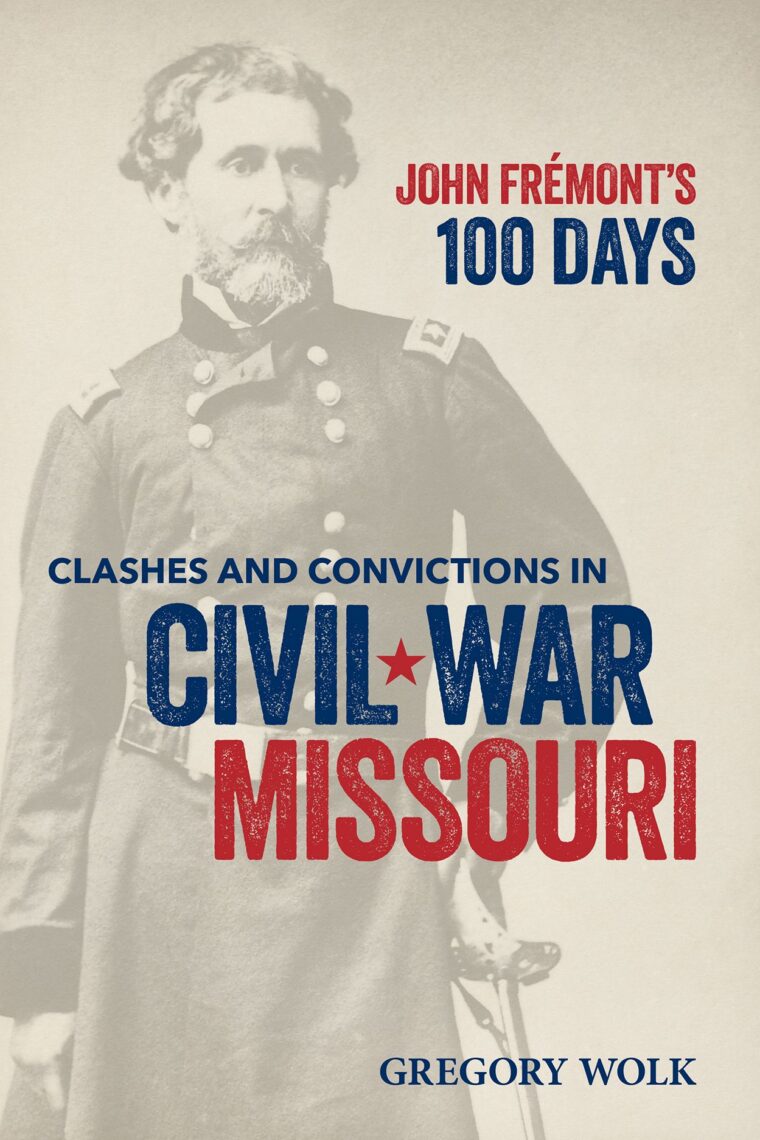
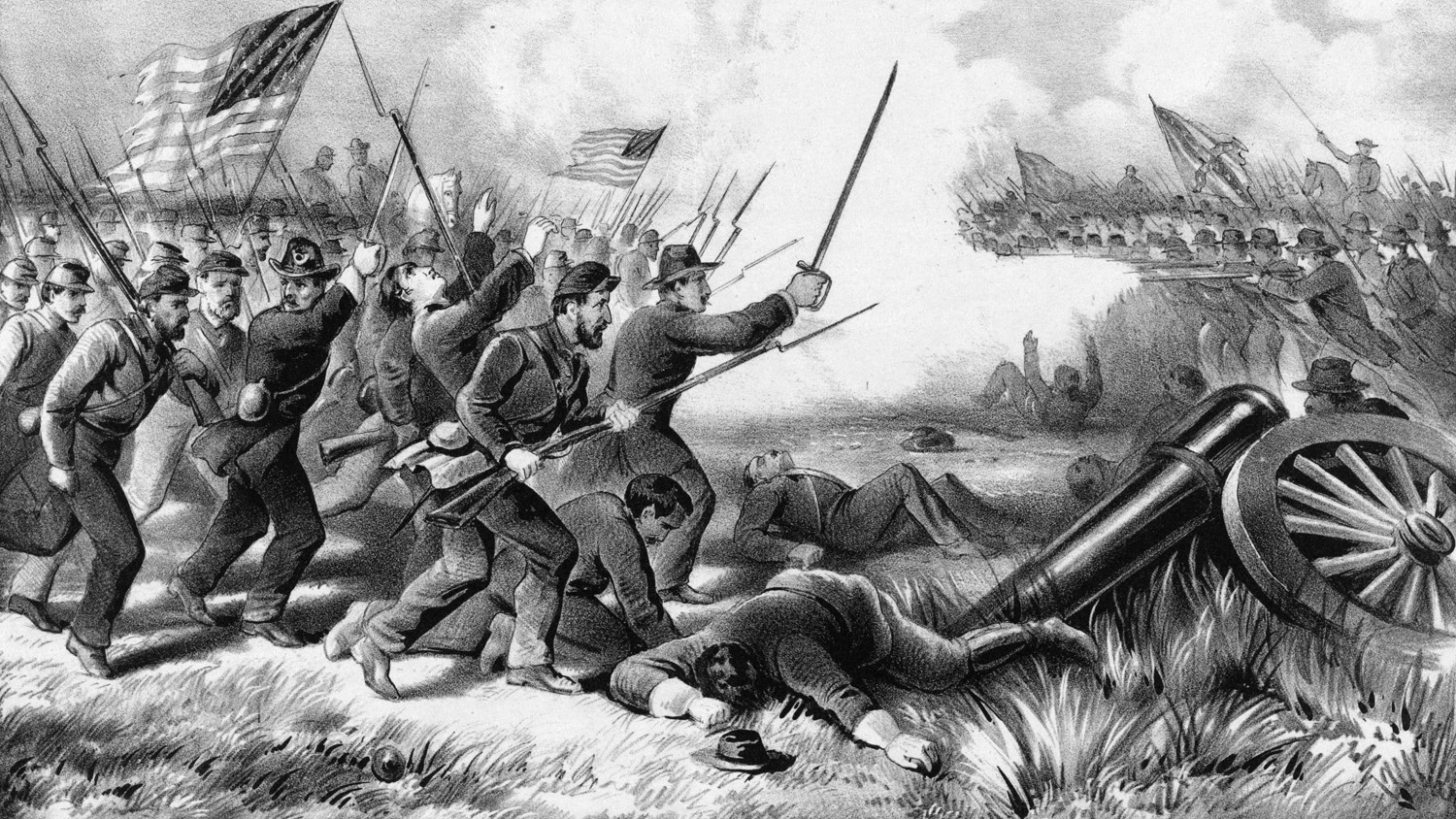
In John Frémont’s 100 Days: Clashes and Convictions in Civil War Missouri (Gregory Wolk, University of Chicago Press, Chicago, IL, 208 pp., 25 halftones, 11 line drawings, 3 maps, Sept. 29, 2025 $22 SC), Wolk notes that one positive thing that Frémont did during his 100 days in Missouri was to put Colonel Ulysses Grant in command of the District of Cairo (southern Illinois and southeastern Missouri). However, as Wolk points out, “Within the next 48 hours, however, Frémont would make a decision that was probably his worst.”
Frémont penned and released a proclamation on August 30 that, in addition to declaring martial law in much of Missouri, “ignited a firestorm,” in Wolk’s words, with the inclusion of the phrase, “and their Slaves, if any they have, are hereby declared Free men.” It would lead to a public clash with Lincoln and political factions in Washington and Missouri and seal Frémont’s fate, just a month after taking command.
Wolk’s meticulously researched narrative is a fascinating read, filled with the tortuous machinations of politics, personalities, and the military in a maelstrom of moral conflict and the fortunes of war.

Join The Conversation
Comments
View All Comments