By Kevin Seabrooke
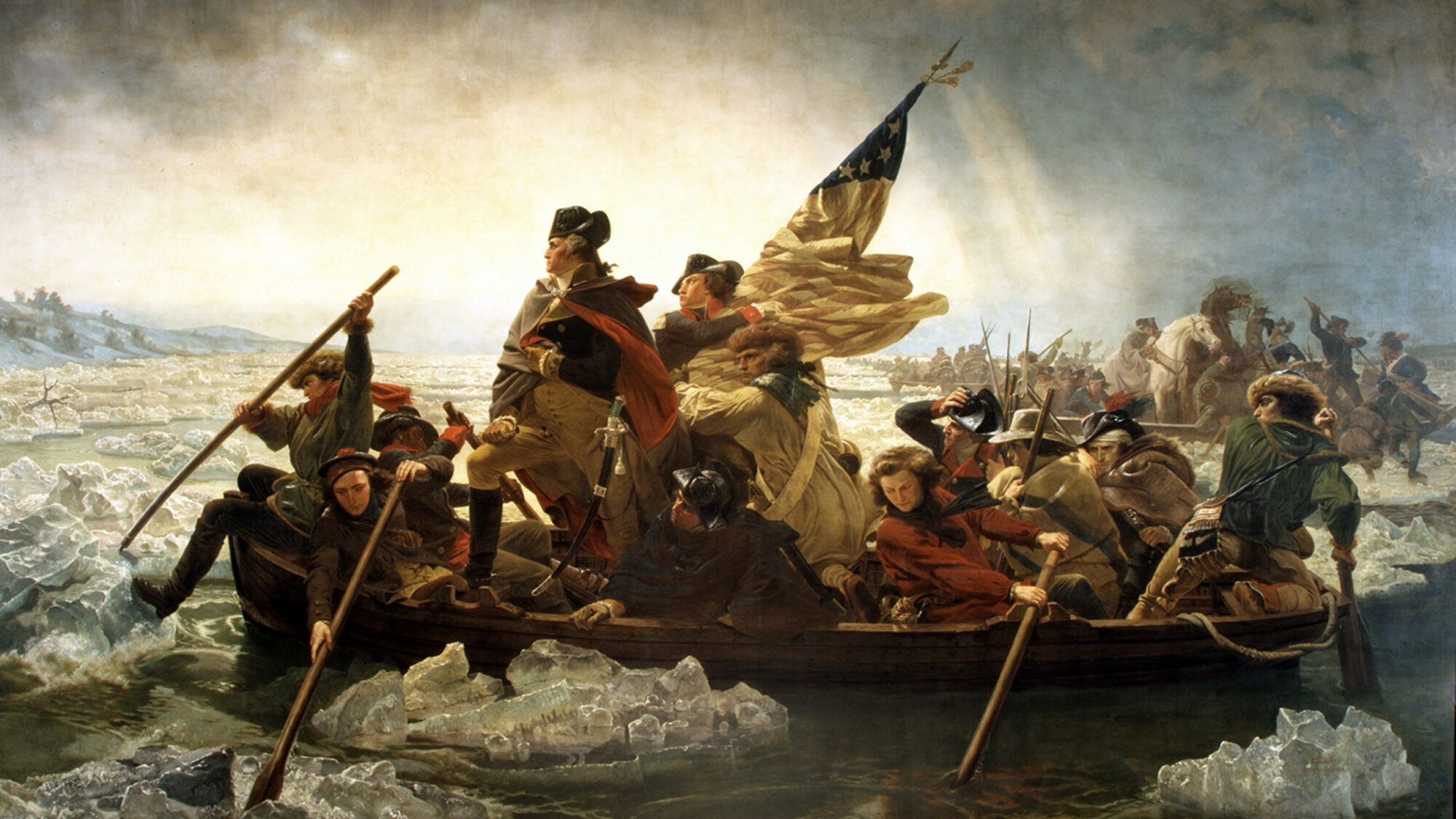
 Growing up in Britain, naturalized American citizen and University of Maryland history professor Richard Bell learned almost nothing in school about the American Revolution. In America, Bell notes that the mythification of “the plucky homegrown heroes faced down all the king’s horses and all the king’s men, all on their own” began immediately after the war.
The mythology surrounding America’s battle for independence has only reinforced the belief that it was “an event somehow separate from world history.” making it difficult for those raised on Longfellow’s poem, “Paul Revere’s Ride, to see it as the international transformation it was.
But Bell places the struggle of those 13 colonies at the center of a network that spanned the globe and was the origin of what would become our modern world. His comprehensive narrative puts “the Sons of Liberty, the minutemen, and the members of the Continental Congress on the same stage as Black American freedom seekers, German relief troops, Irish privateers, Chinese tea-pickers, Mohawk warriors, Sierra Leonean separatists, French sailors, Spanish blanket weavers, patriot POWs, Jamaican washerwomen, Indian rulers, loyalist war widows, and British peace activists.”
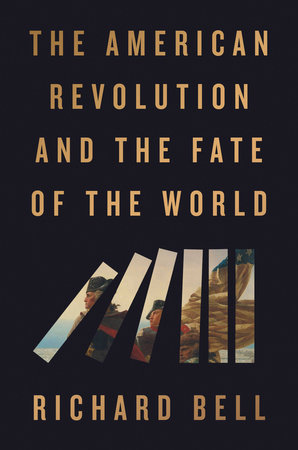
The American Revolution and the Fate of the World (Richard Bell, Riverhead Books, New York, NY, 416 pp., Nov. 4, 2025 $35 HC)

Join The Conversation
Comments
View All Comments