By Kevin Seabrooke
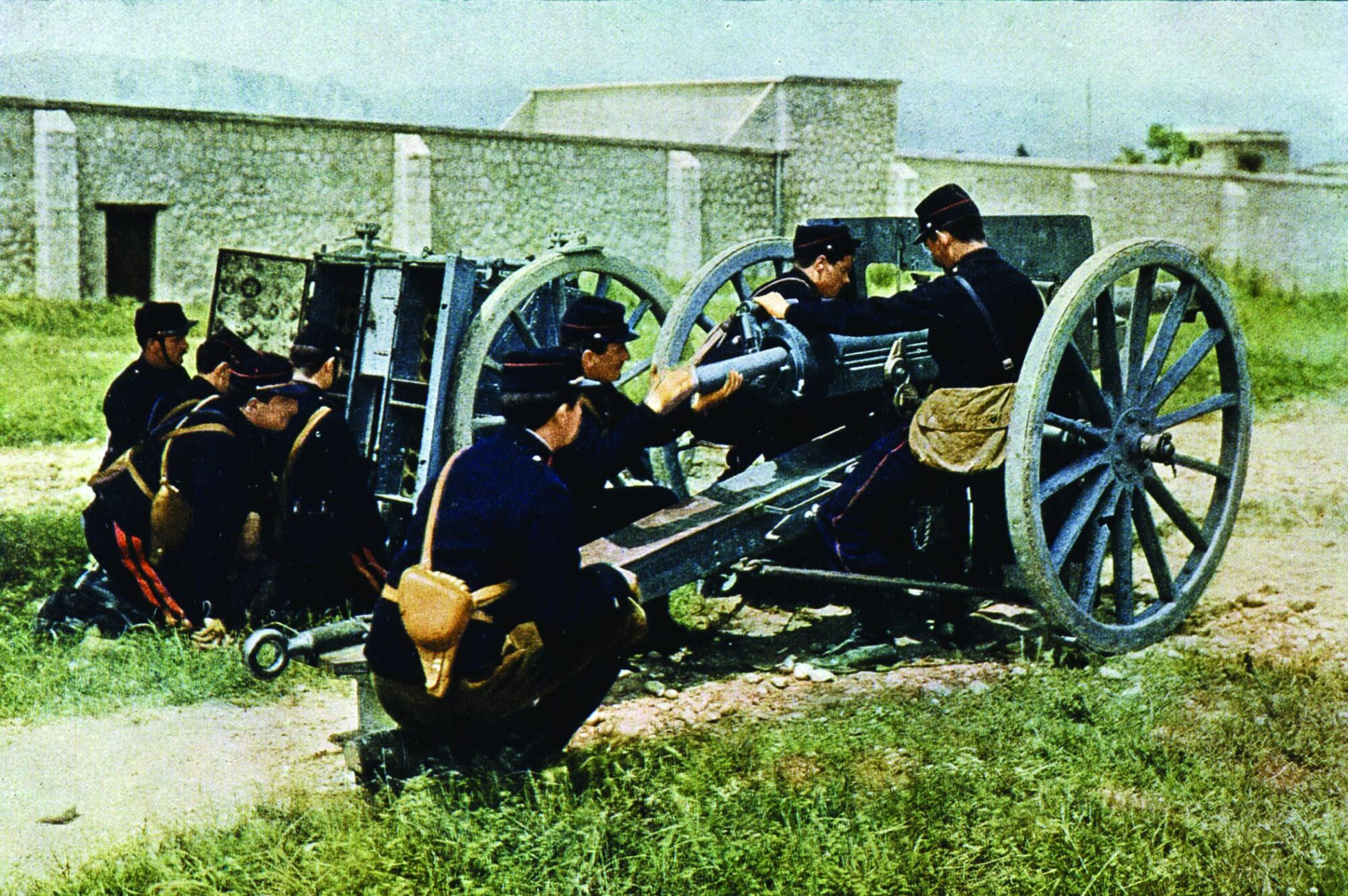
 In August 1914, Germany implemented its Schlieffen Plan with 1.7 million soldiers sweeping through Belgium and northern France to envelop and crush the French and British armies. Overwhelmed at Mons, Belgium, the British Expeditionary Force (BEF) and the French Fifth Army began a 180-mile strategic withdrawal. Crossing the Marne River southeast of Paris, the Allies dug trenches and were finally able to stop the German juggernaut at the First Battle of the Marne (September 5-12), a conflict Cowley himself once called “the most important military event of the last century.”
An authority on the Great War, Cowley’s new book takes readers on a novelistic chronicle focused on the legendary “Race to the Sea”—a series of unsuccessful flanking maneuvers by both sides that ended at the coast of Belgium around October 19. The proliferation of the iconic trenches put an end to the fighting on open ground—the Killing Season—of the war’s beginning.
Cowley argues that it was Germany’s loss at the First Battle of Ypres (October 19-November 22), with the Channel ports of Dunkirk, Calais and Boulogne at stake, that foretold their ultimate defeat.
The Killing Season: The Autumn of 1914, Ypres, and the Afternoon That Cost Germany a War (Robert Cowley, Penguin Random House, New York, NY, 752 pp., photos, maps, index Sept. 2, 2025 $40 HC)
Join The Conversation
Comments
View All Comments