WWII
Hadtorteneti Museum
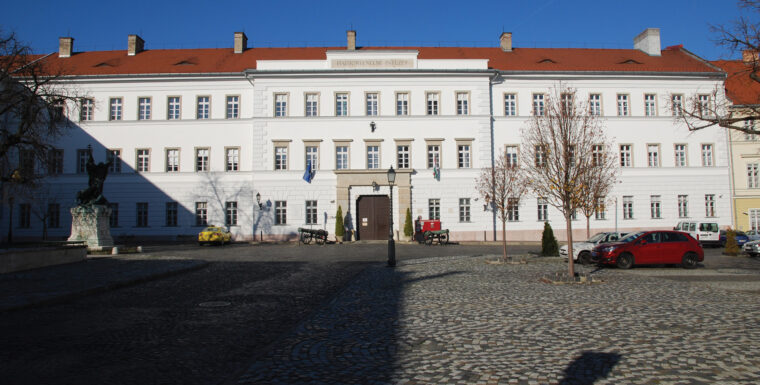
By Peter SuciuThe Hungarian capital of Budapest is more than just a city. It is actually three cities in one, each with just a bit of unique color and flare. Read more
WWII
The Hungarian capital of Budapest is more than just a city. It is actually three cities in one, each with just a bit of unique color and flare. Read more
WWII
On board one of the transports headed for the island of Saipan in early June 1944, a battalion surgeon gave a group of Marines a lecture on what they could expect when they reached their destination. Read more
WWII
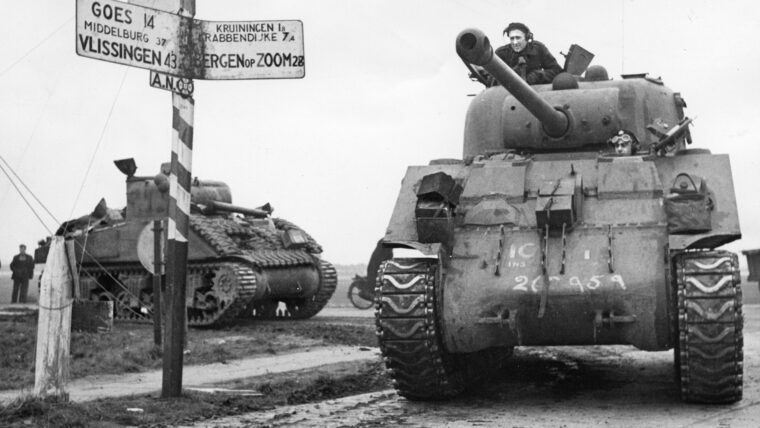
On September 4, 1944, tanks of the British 11th Armored Division lumbered into the outskirts of Antwerp, Belgium. Read more
WWII
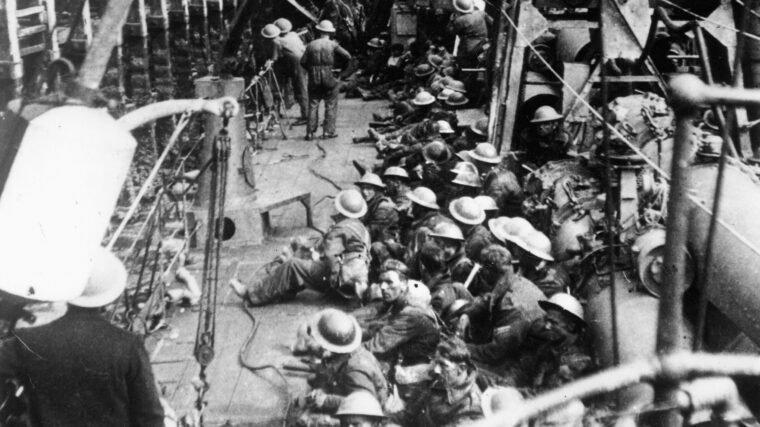
In the summer of 1940, the world watched with rapt attention as the citizens, airmen, sailors, and soldiers of Great Britain steeled themselves for imminent invasion by the victorious German Army. Read more
WWII
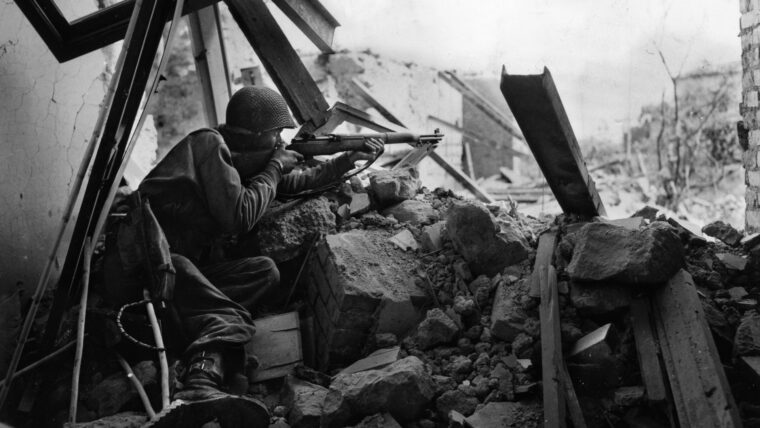
They had been staring at it for the past four months. That small, rubble-strewn town of Cisterna di Littoria in central Italy just inland from the ports of Anzio-Nettuno, had become their nemesis. Read more
WWII
It was at the grand banquet given in his honor that General William “Wild Bill” Donovan told his host, General Dai Li, that the OSS intended to work on its own in China and that he wanted no interference from the Chinese. Read more
WWII
General Dwight D. Eisenhower, the supreme Allied commander in Europe during World War II, considered General Alfonse Juin to be the best French combat general of the conflict. Read more
WWII
There was tight security and feverish activity on the dock at the Hunters Point Navy Shipyard in San Francisco Bay around 3 am on Monday, July 16, 1945. Read more
WWII
Immediately after the Japanese attack on the United States Naval base at Pearl Harbor, Hawaii, on December 7, 1941, the Japanese realized that the oil reserves needed to carry on their new war against the Western powers were not as adequate as first thought. Read more
WWII
It was the most exciting scene Associated Press correspondent Robert St. John had yet witnessed in the career he had abandoned for five years to farm in New Hampshire then returned to when he sensed that war was coming. Read more
WWII
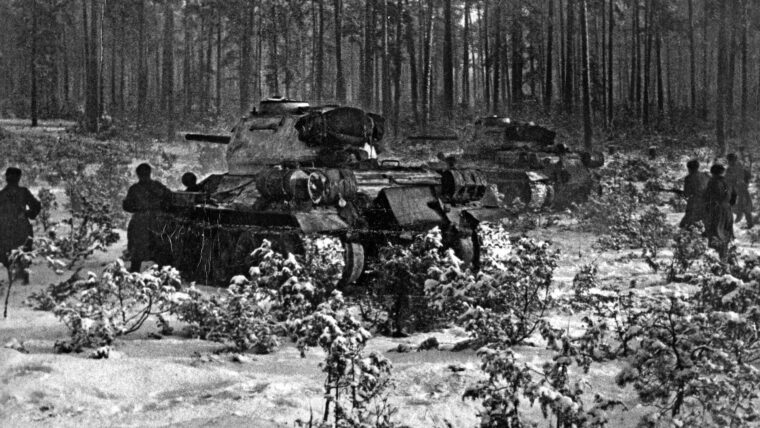
During the last half of 1944, the Wehrmacht in the east had been forced to cede just about everything it had conquered since the beginning of the war against the Soviet Union in June 1941. Read more
WWII
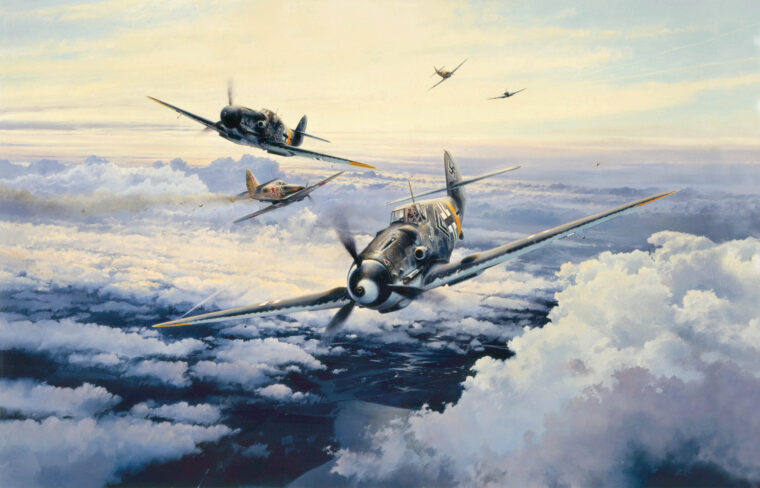
By May 8, 1945, Adolf Hitler had been dead for more than a week. Germany was in the act of formally surrendering to the Soviets and the Western Allies, so occupying Red Army troops in the eastern German town of Brunn were not expecting to witness what may have been World War II’s last dogfight over Europe. Read more
WWII
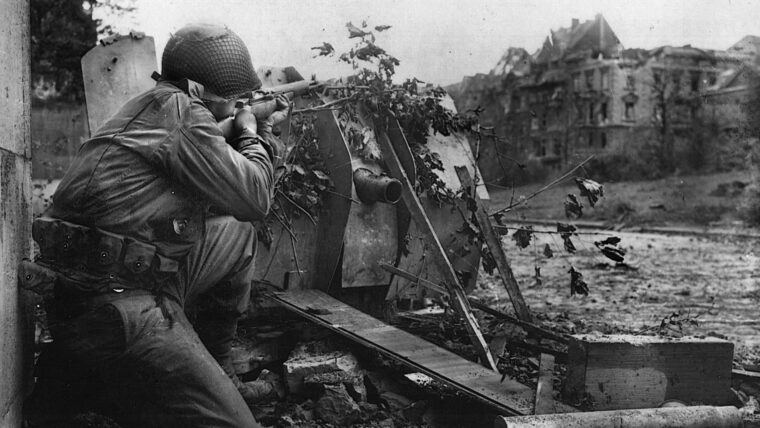
In their directive to General Dwight D. Eisenhower, Supreme Headquarters Allied Expeditionary Force (SHAEF) in northwestern Europe, the Allied Combined Chiefs of Staff ordered Allied forces to land in France in June 1944, break out of Normandy, and mount an offensive “aimed at the heart of Germany and the destruction of her armed forces.” Read more
WWII
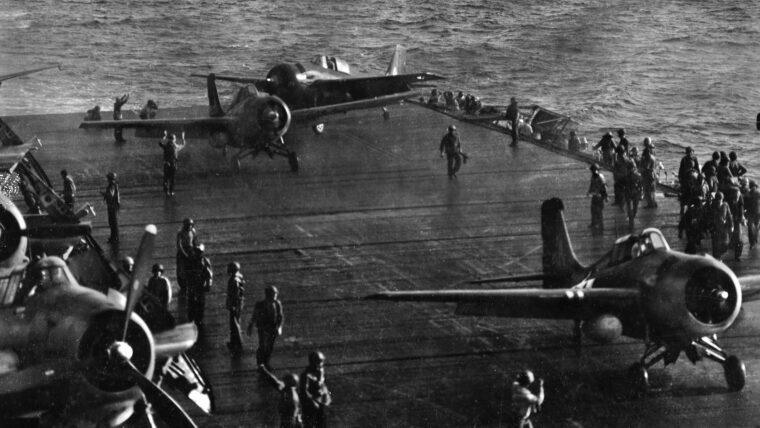
At exactly 6:45 on the morning of October 25, 1944, Rear Admiral Clifton A.F. Sprague received a message from one of his pilots on antisubmarine patrol. Read more
WWII
Brigadier Leslie Andrew, VC, DSO, was born in New Zealand on March 24, 1897. He served his country and the British Empire during both world wars. Read more
WWII
I was raised on a farm between Hickory and Conover, North Carolina, the oldest of nine children, and this is a brief accounting of my military, combat, and prisoner of war experience in World War II. Read more
WWII
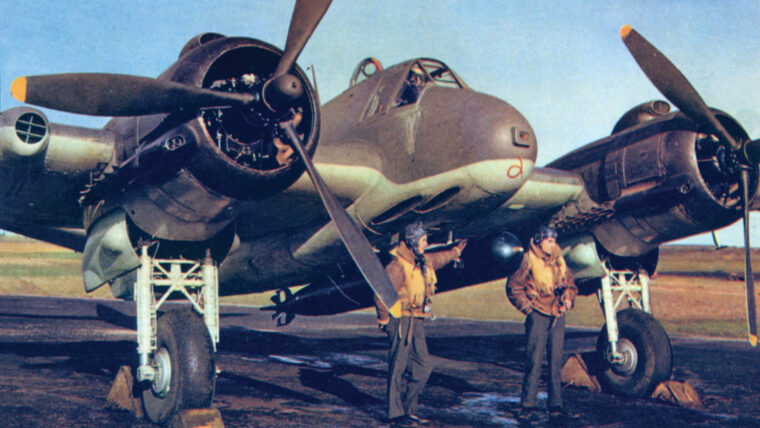
The day’s flight was to be a fairly typical “rhubarb,” or a fast freelance strike, for the two pilots in their Bristol Beaufighters. Read more
WWII
Admiral Soemu Toyoda needed answers. The newly appointed commander in chief of Japan’s Combined Fleet, Toyoda found himself facing several unpleasant facts. Read more
WWII
On Sunday morning, December 7, 1941, Gunner’s Mate Russell Winsett, 19, awoke at 5 am as he did most mornings. Read more
WWII
Among many sticky issues British Prime Minister Churchill would discuss with President Franklin D. Roosevelt at the Casablanca conference in January 1943 was the fact that the U.S. Read more