WWII
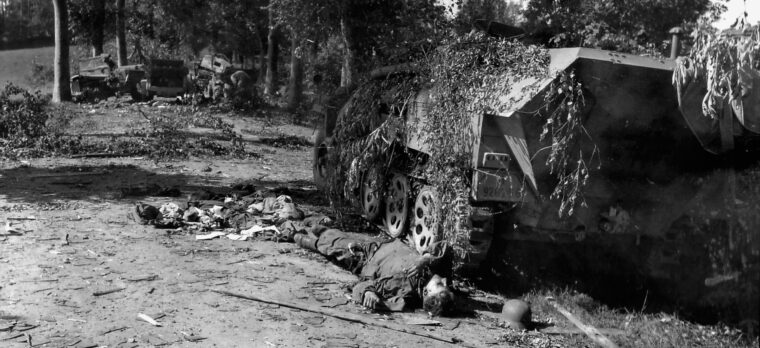
The Allies’ Strong Stand Atop Mortain
by Kevin HymelA German SS officer, holding a white flag of truce, walked through the American lines and up to a tall lieutenant from Texas. Read more
WWII
A German SS officer, holding a white flag of truce, walked through the American lines and up to a tall lieutenant from Texas. Read more
WWII
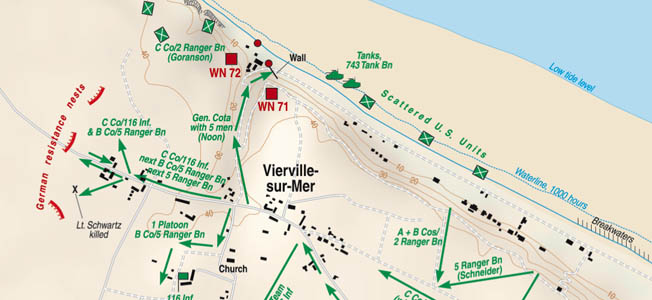
The townspeople of Vierville-sur-Mer awoke around 3 am on June 6, 1944, to the sound of bombs. In the early morning of the Normandy Invasion, American Consolidated B-24 Liberator bombers were dropping their payloads, preparing the invasion beaches for the coming attack. Read more
WWII
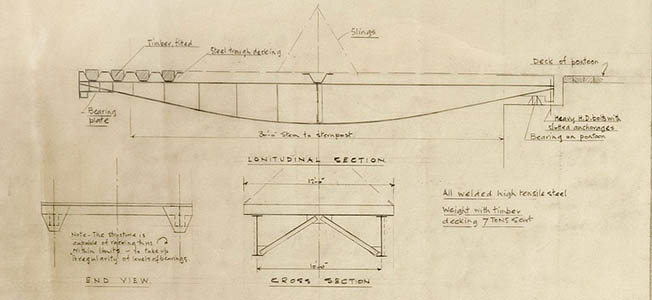
Developed by the British in World War II, “Mulberry harbours” were portable, temporary harbors that could be used for rapid on- and off-loading of cargo ships during the D-Day Invasion. Read more

WWII
On the afternoon of January 7, 1943, Boeing 314s Dixie Clipper and Atlantic Clipper took off from the Marine Air Terminal, La Guardia Airport in New York, their destination Miami. Read more
WWII
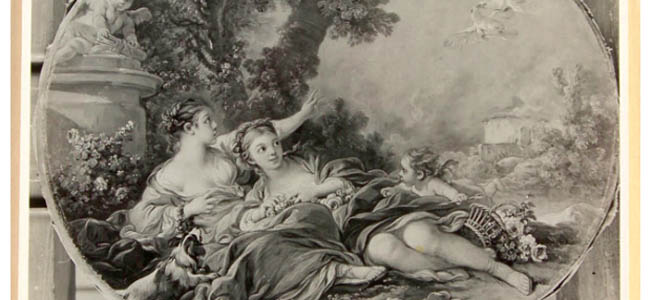
One of Adolf Hitler’s photo albums of art stolen by his Nazi troops is soon to be donated to the National Archives, according to the Washington Post. Read more
WWII
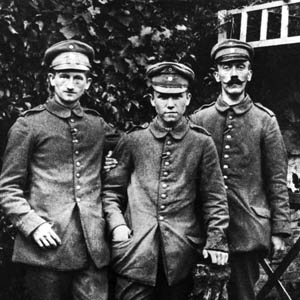
Private Henry Tandey had a clear shot at the German soldier. He was so close that he could look his enemy in the eyes. Read more
WWII
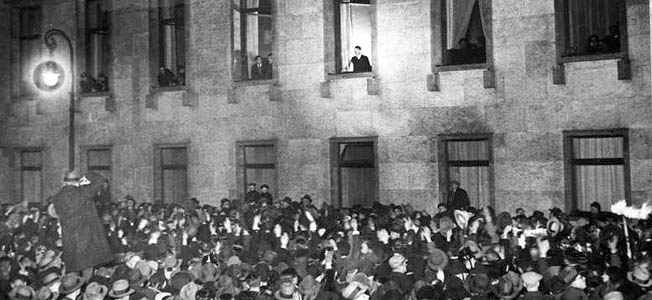
German interest in Adolf Hitler is on the rise, according to a recent Telgraph article and a study conducted by the German Media Control group. Read more
WWII
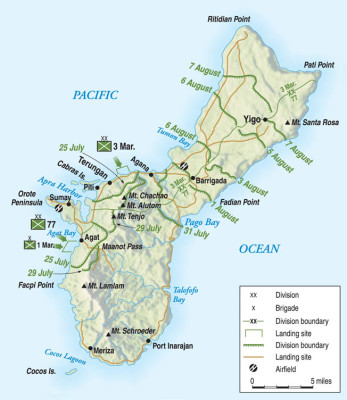
For U.S. forces, the Pacific Theater was orchestrated by two leading commanders: Admiral Chester Nimitz controlled the Pacific Ocean Areas (POA), and General MacArthur was the Supreme Allied Commander of the South West Pacific Area (SWPA). Read more
WWII
By Joe Kirby
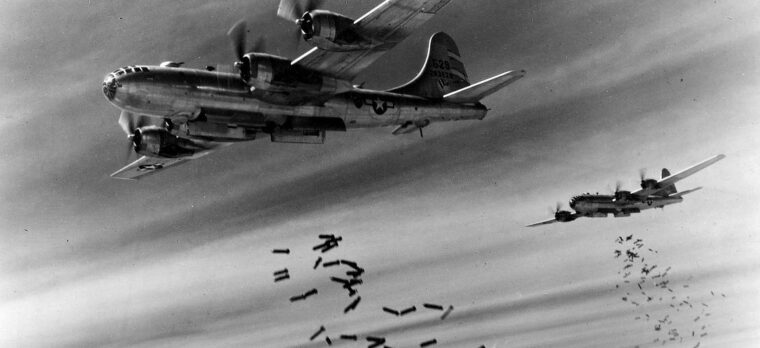
When Maj. Gen. Curtis LeMay, the hard-driving commander of the Twentieth U.S. Air Force based in Guam, decided to change tactics in early 1945 to boost the effectiveness of the B-29 Superfortress, it was the Bell Aircraft plant in Marietta, Georgia, that ultimately provided him with the stripped-down bombers that played such a key role in ending the war in the Pacific. Read more
WWII
Mobile Army Surgical Hospitals, or M*A*S*H units, were popularized by Richard Hooker’s novel series, the 1970 film starring Donald Southerland and of course the long-running television show starring Alan Alda. Read more

WWII
“At Tarnopol we endured heavy Russian fire but in Normandy we were hit again and again, day after day by British artillery that was so heavy the Frundsberg [10th SS Panzer Division “Frundsberg,” named after 16th-century German knight and general Georg Von Frundsberg] bled to death before our eyes. Read more
WWII
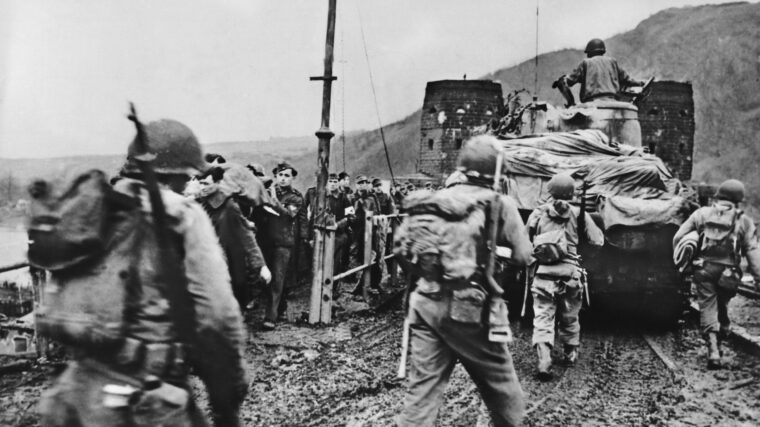
Once they escaped from Nazi-dominated Europe, hundreds of German and Austrian Jews joined the American and British military to help bring an end to the Nazis’ reign of terror. Read more
WWII
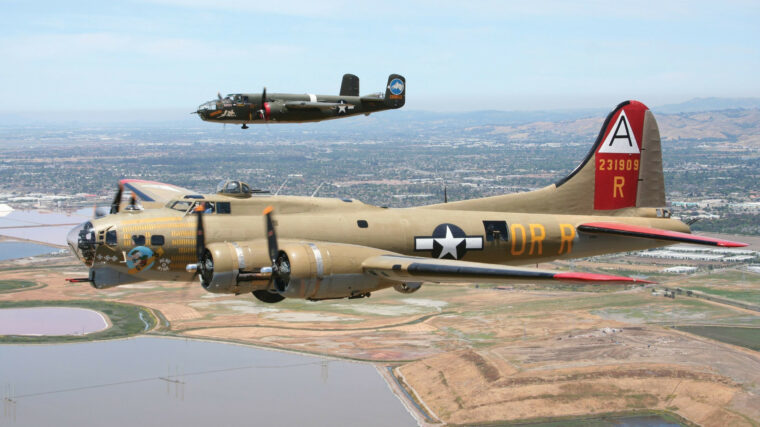
Delta Air Lines and former Northwest pilot Robert Trammell, 45, has made numerous 747 flights on Asian routes across the Pacific. Read more
WWII
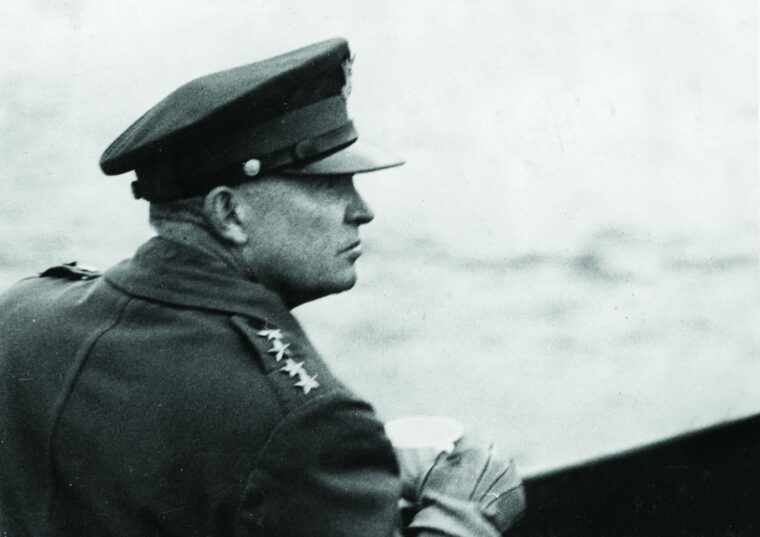
Dwight David Eisenhower began life as David Dwight Eisenhower in Abilene, Kansas, on October 14, 1890, the third of five sons. Read more
WWII
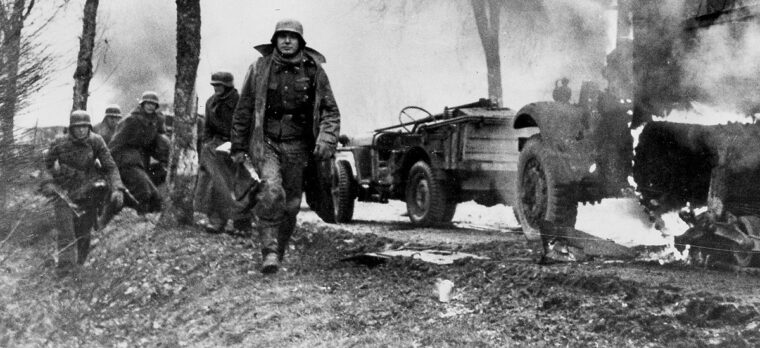
The American airborne troops shivered in their foxholes as temperatures plummeted on Christmas Eve 1944. Behind them to the east lay the beleaguered town of Bastogne. Read more

WWII
British General Sir Bernard Montgomery was given command of two Allied armies for the invasion of Normandy: Lt. Read more
WWII
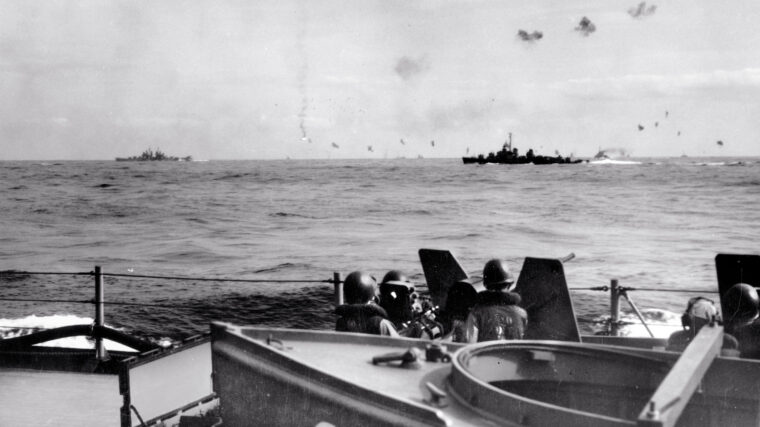
Only 340 miles from the home island of Kyushu, the final objective of the American military surge across the Pacific during World War II, short of an invasion of Japan itself, was Okinawa in the Ryukyu archipelago. Read more
WWII
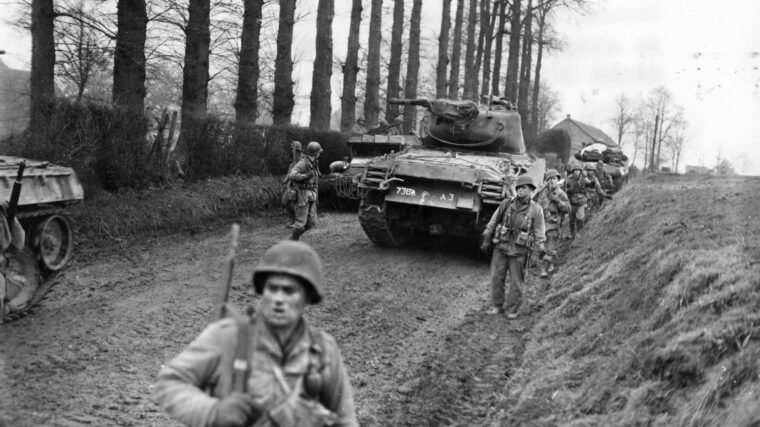
The 83rd U.S. Infantry Division had been mobilized for World War I in September 1917. Its unit patch was a downward-pointing black triangle with the letters O-H-I-O stitched as an abstract gold monogram in the center. Read more
WWII
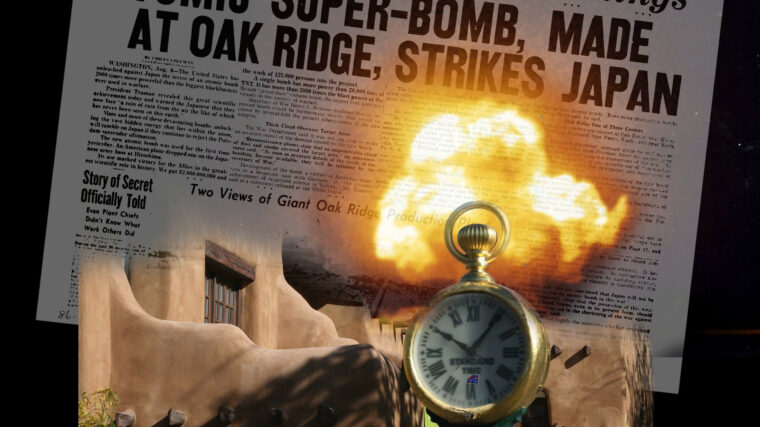
New Mexico and its capital of Santa Fe bring to mind some beautiful images. Stunning sunsets, unlimited vistas, a plethora of art galleries, the spectacular food enlivened with the local green chile, an ancient Native American culture that still thrives, and a Spanish heritage tradition going back to within 50 years of Columbus’s arrival all make for a unique cultural and physical environment. Read more
WWII
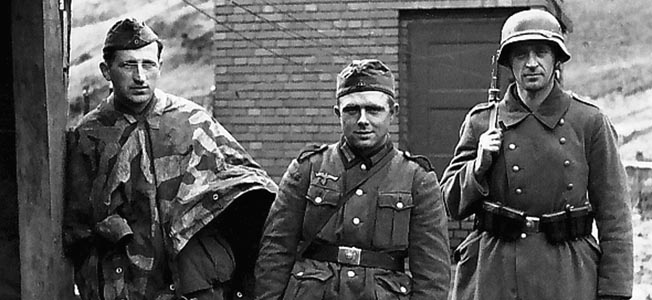
The evolution of Third Reich uniforms followed from a long history of European uniforms in general and Imperial German uniforms in particular. Read more