WWII

WWII
WWII
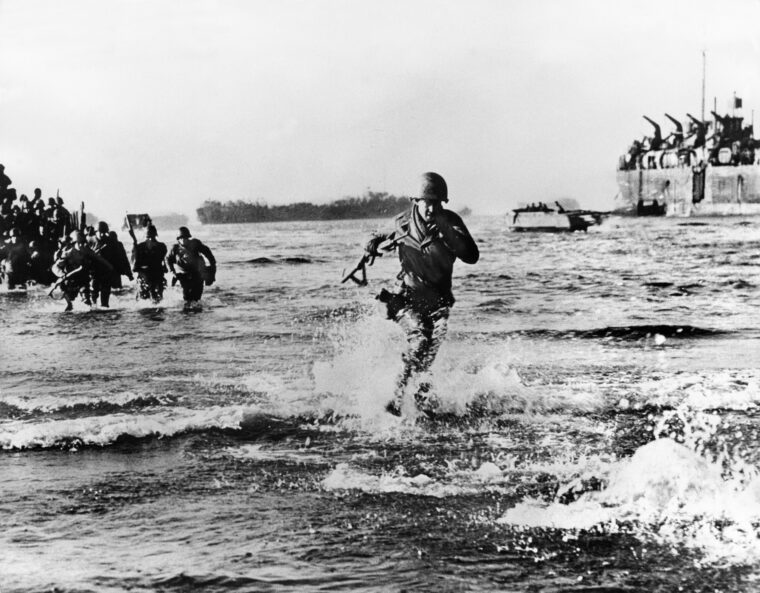
Hitler called it an “abscess.” British Prime Minister Winston Churchill, the chief sponsor and loudest cheerleader for the endeavor, grudgingly proclaimed it “a disaster.” Read more
WWII
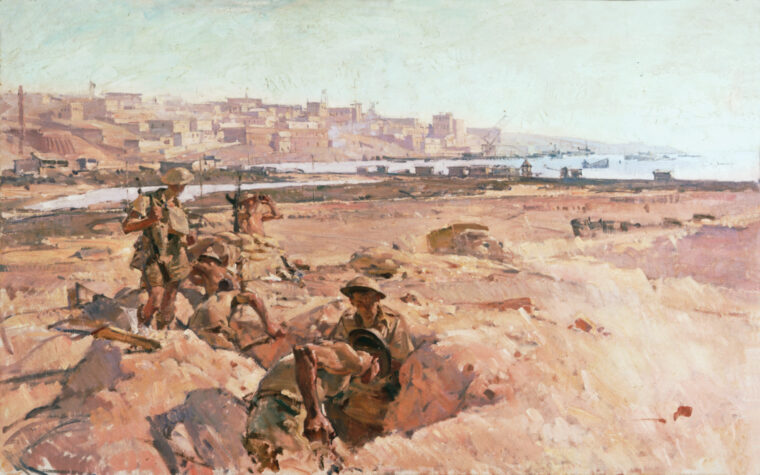
It was the first week of April 1941, and Lt. Gen. Richard O’Connor could scarcely believe what was happening as his driver suddenly cocked the wheel and swerved hard left, flooring the gas pedal in a futile attempt to outrun the multiple bursts of machine-gun fire erupting all around them, lighting up the Saharan night as bullets chased after his wheels. Read more
WWII
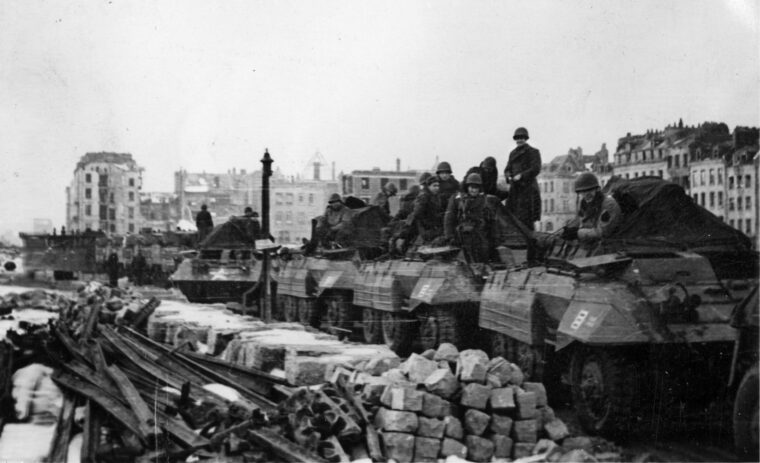
The 809th Tank Destroyer Battalion was an independently attached unit of the U.S. Army. The battalion was activated on March 18, 1942, at Camp Forrest, Tennessee, and remained in the United States through most of the war. Read more
WWII
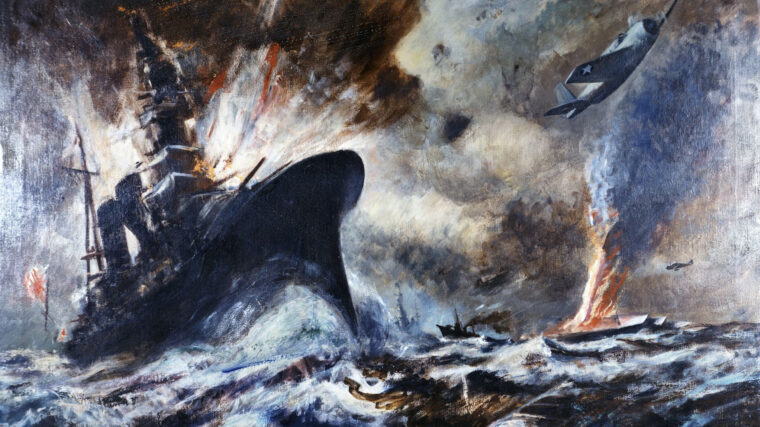
Despite more than a decade of triumphs in Asia and the Pacific, by the spring of 1942 the Japanese military establishment was in a somber mood. Read more
WWII
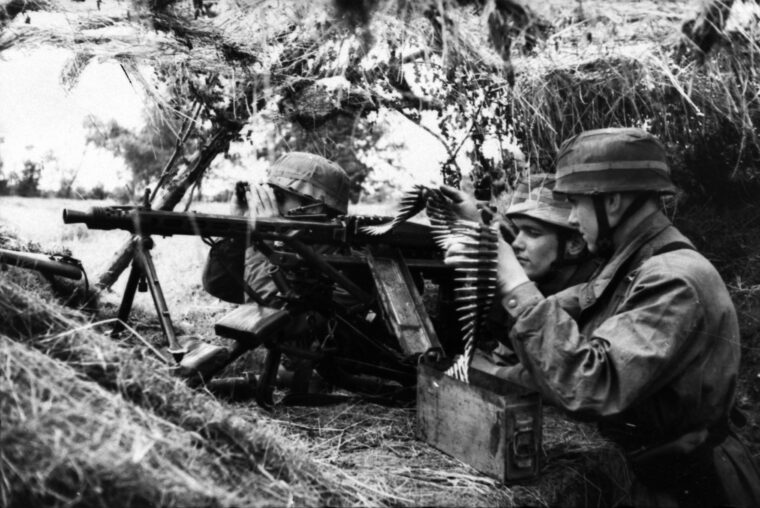
Whether fighting in the mountains of the Italian peninsula, assaulting Nazi defensive positions along the vast Russo-German Eastern Front, or clashing with German Army opponents from Normandy to the Elbe River, from 1942 to 1945, Allied soldiers in World War II faced a determined enemy armed with the most effective machine gun produced during that struggle: the Maschinengewehr 42, or the MG 42 for short. Read more
WWII
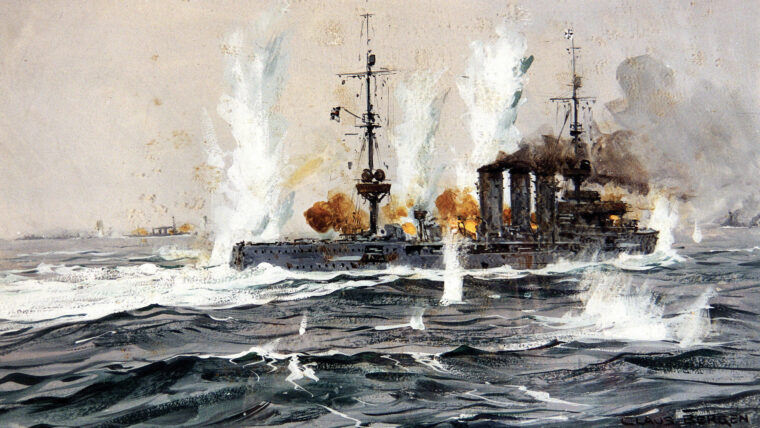
Commodore Reginald Tyrwhitt of the Royal Navy was in a grave predicament on August 28, 1914. His force was near the German base at Heligoland Bight. Read more
WWII
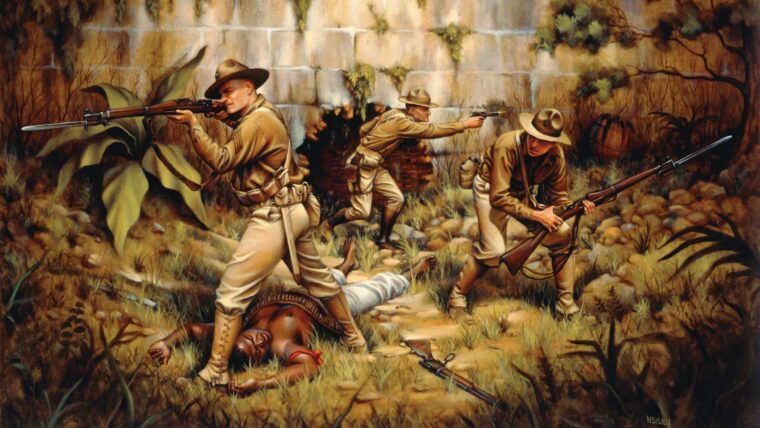
On November 17, 1915, Major Smedley Butler and a small force of U.S. Marines approached the old French bastion of Fort Riviere in Haiti. Read more
WWII
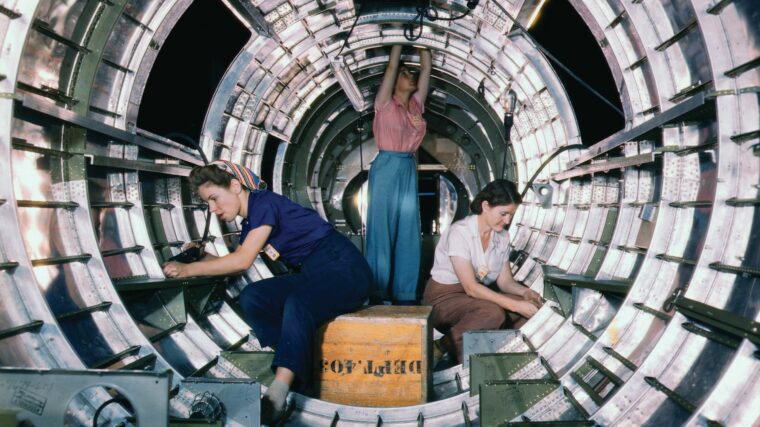
The iconic image of a woman in overalls, her hair tied up in a bandana, and flexing her bicep below the headline, “We Can Do It,” is one of the most recognizable images from World War II. Read more
WWII
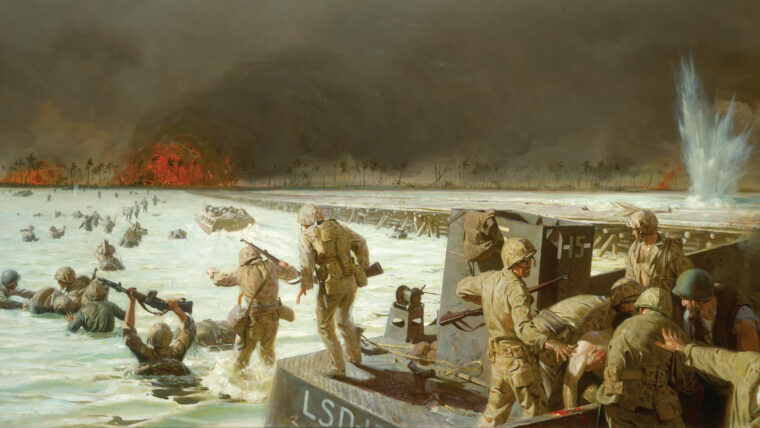
Seventeen months after the juggernaut of Japanese conquest in the Pacific had come to an abrupt end with the Battle of Midway, American strategists were ready to launch their long-awaited offensive in the Central Pacific. Read more
WWII
“Where the hell have you been?”
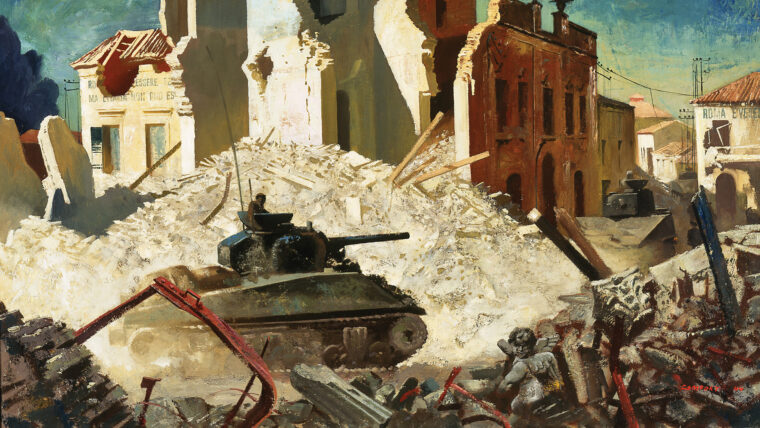
Major Bert Kennedy, acting commander of Canada’s Hastings and Prince Edward Regiment of the 1st Canadian Infantry Brigade, asked Lieutenant Farley Mowat of the intelligence section. Read more
WWII
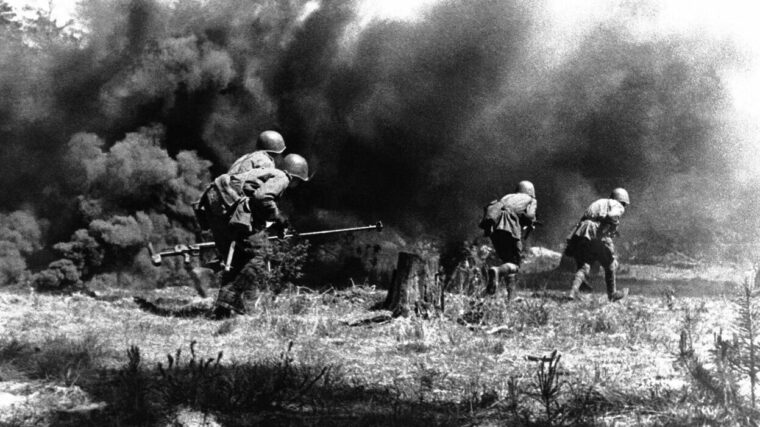
The German panzers approached the Russian artillery column as it moved to a new position. As the troops trudged toward their new firing point, six panzers appeared, rampaging into the Russian rear area, no doubt searching for vulnerable targets to destroy. Read more
WWII
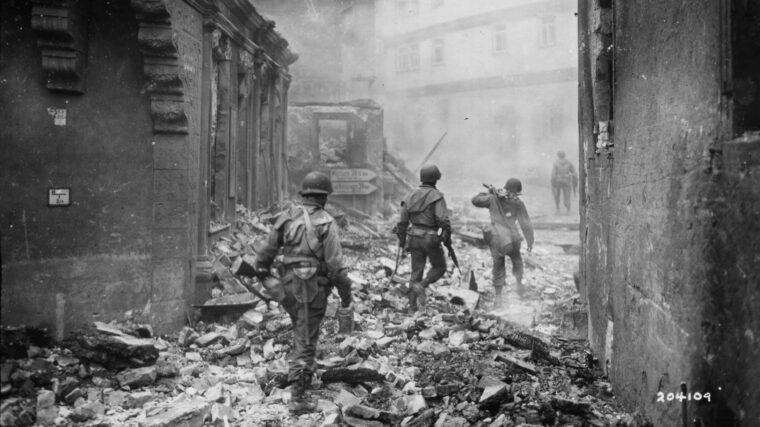
Like something out of a dream, a soldier walked into the command post. He unspooled a line of wire, hooked a field phone to it, checked the line, and handed the receiver to the officer in charge, Captain Howard Trammell, saying, “Someone wants to talk to you.” Read more
WWII
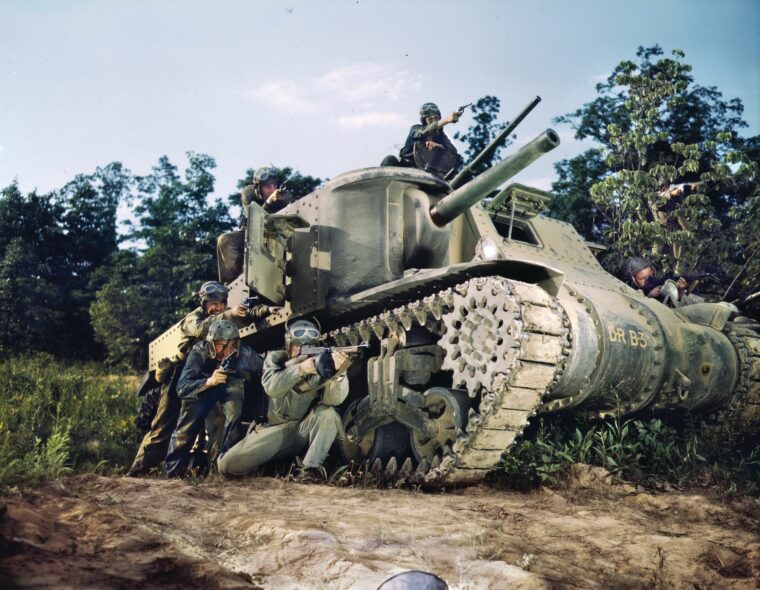
The United States had not yet entered World War II when Time magazine noted that the Army had created two new armored divisions. Read more

WWII
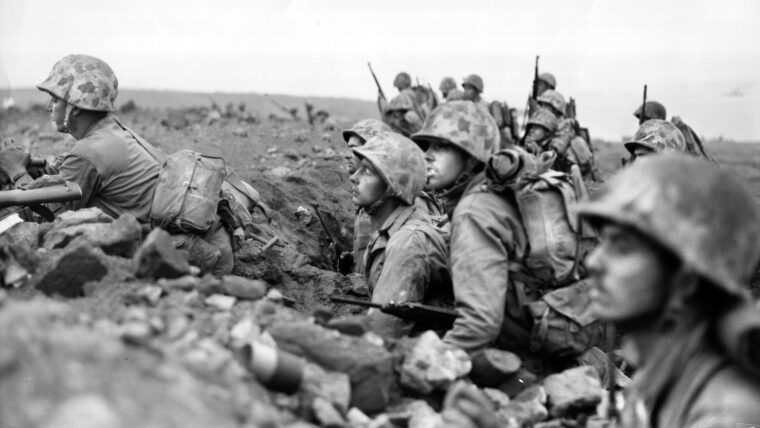
The citation made it plain. U.S. Marine Corps Demolition Sergeant Hershel W. “Woody” Williams had exhibited extraordinary courage during the bloody, protracted fight for the porkchop-shaped scrap of land in the Volcano Islands known as Iwo Jima. Read more
WWII
The Boeing B-29 Superfortress bomber nicknamed Dinah Might struggled to stay in the air on the afternoon of March 4, 1945. Read more
WWII
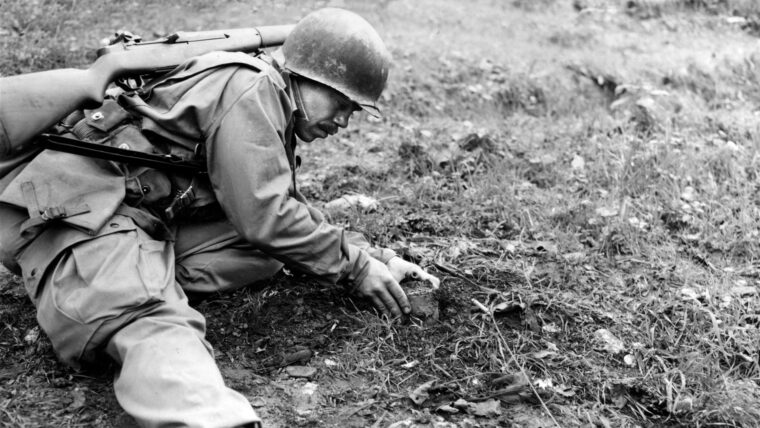
Red-hot grenade fragments sliced through First Lieutenant Bill Munson’s left arm and shoulder, causing him to fall backwards onto the lip of a German machine gun nest. Read more
WWII
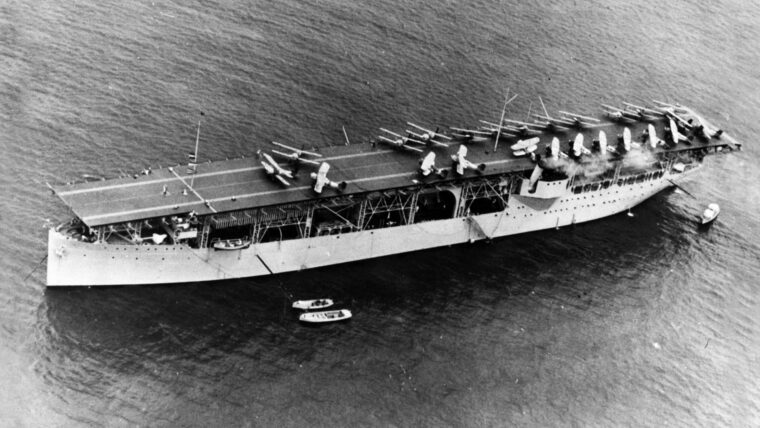
Five years after Great Britain had launched HMS Argus, the world’s first aircraft carrier, in 1917, and following the signing of the Washington Naval Treaty on February 6, 1922, the U.S. Read more
WWII
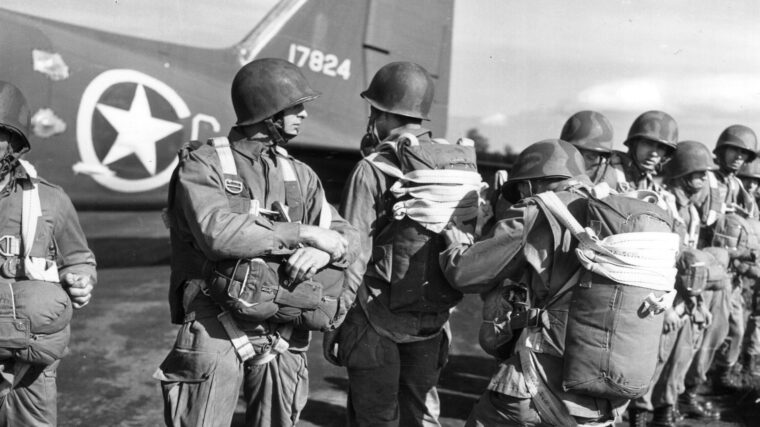
Only two years after the U.S. Army officially sanctioned the formation of an airborne arm, American paratroopers were committed to a vast offensive against Axis forces on the coast of French North Africa. Read more
WWII
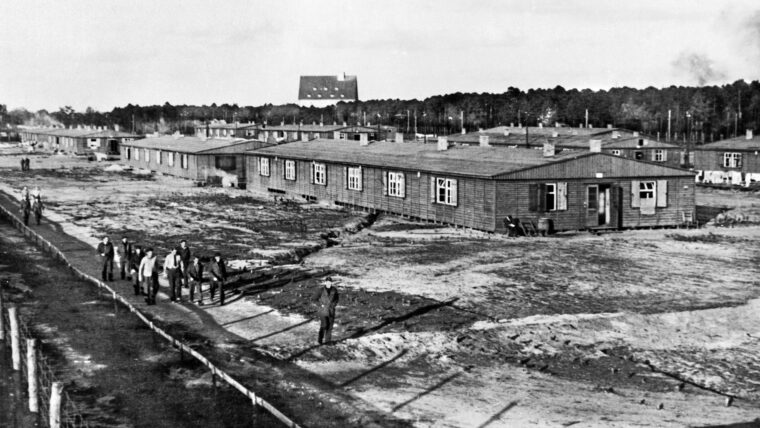
For Allied soldiers, sailors, and airmen interned in enemy prison camps during World War II, escaping was regarded as their unwritten duty. Read more