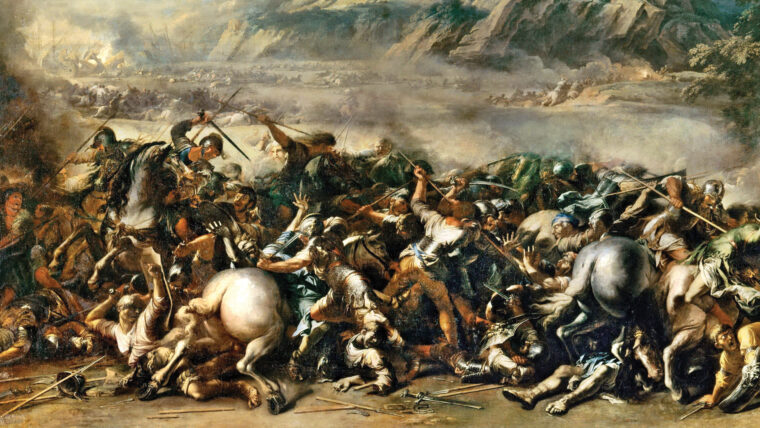
Gnaeus Pompeius Magnus
By Ludwig Heinrich DyckGnaeus Pompey was one of the pivotal Roman leaders during the last decades of the Republic. He was born into an old and wealthy provincial family from Picenum on September 29, 106 BC. Read more
Gnaeus Pompey was one of the pivotal Roman leaders during the last decades of the Republic. He was born into an old and wealthy provincial family from Picenum on September 29, 106 BC. Read more
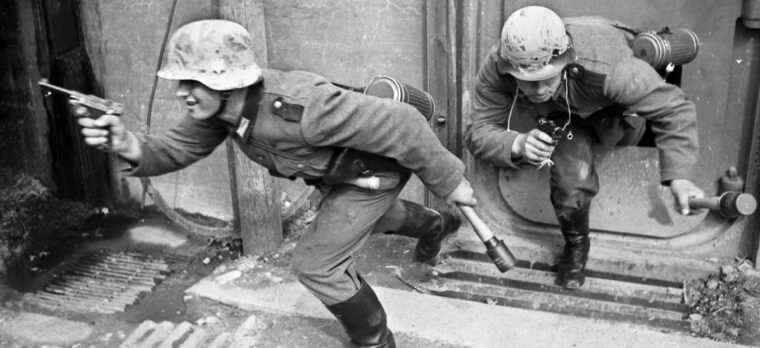
The German Luger is, most likely, the most famous pistol in modern warfare. Almost every World War II movie ever made featuring German armed forces seems to show it as an integral part of its action sequences. Read more
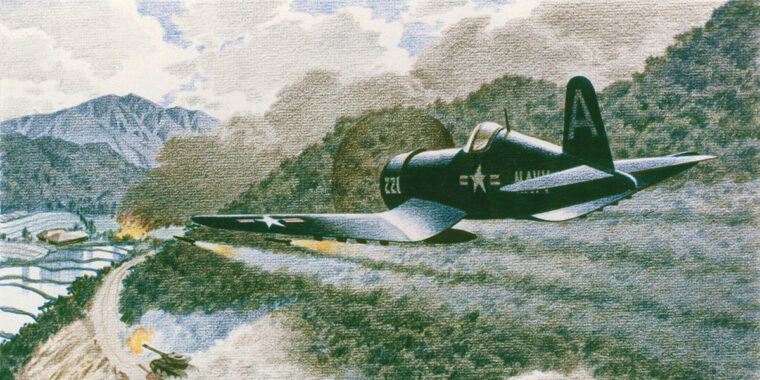
On December 4, 1950, Jesse Brown, U.S. Navy Ensign and the Navy’s first African American aviator, was flying 1,000 feet above the icy Korean mountains in his Corsair when its engine cut out. Read more

Task force commander Lieutenant Colonel Samuel Hogan, eager to get any advantage over the entrenched enemy of the 12th Infantry Division, requested a section of M2 flamethrowers from the 23rd Engineer Battalion. Read more
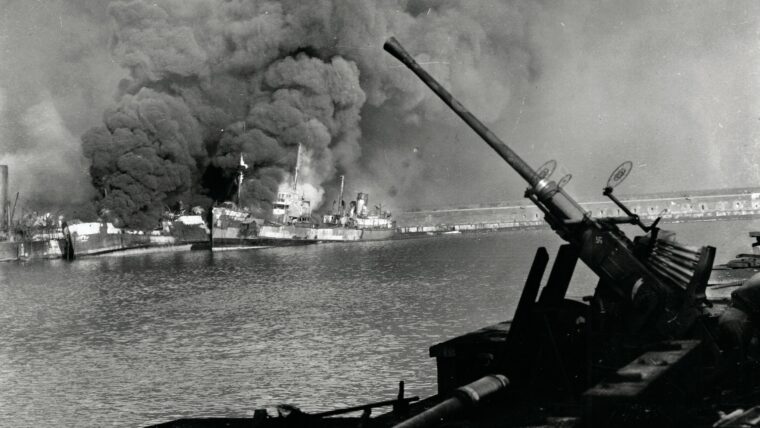
Ensign Kay Kopl Vesole, USNR, did not like being a sitting duck. Normally he would have enjoyed the warm Italian sunshine, but as commander of the Navy Armed Guard aboard the John Bascom, a 7,176-ton Liberty ship, he was not permitted to relax while his ship lay moored in crowded Bari harbor, a small though vital port on the heel of Italy. Read more
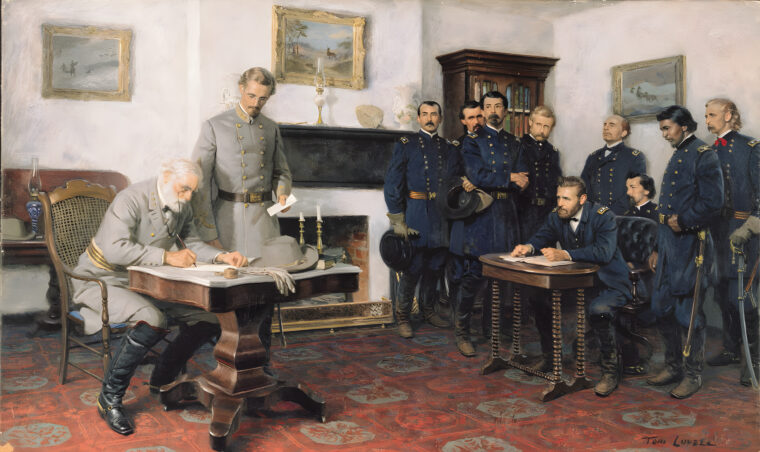
Horace Porter was born April 15, 1837 in Huntingdon, Pa. He traced his ancestry and family motto, “Vigilantia et virtute,” to William De La Grange, who accompanied William the Conqueror to England in 1066. Read more
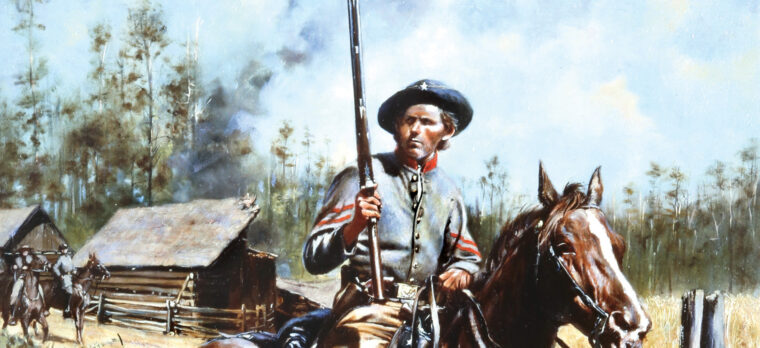
Colonel Benjamin F. Terry, a sugar planter from Fort Bend County on the coastal plains of Texas, raised the 8th Texas Cavalry Regiment. Read more

The message was sent to a staff officer for Brig. Gen. Paul Robinett to read, and it made very little sense. Read more
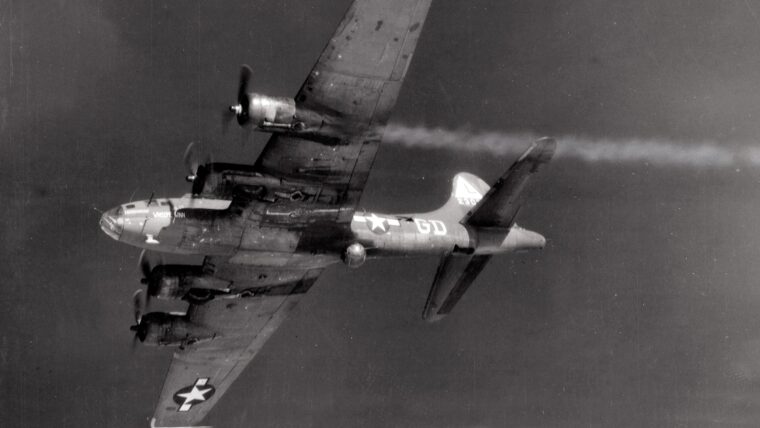
Mission No. 443, dispatching the 1st, 2nd, and 3rd Air Divisions against Nazi-occupied Europe was launched by the U.S. Read more

Near Marseilles, at Aubagne, stands the modern home of the French Foreign Legion. Its spotless grounds include a massive stone pile, the Monument aux Morts, which commemorates the Legion dead of the past 175 years. Read more
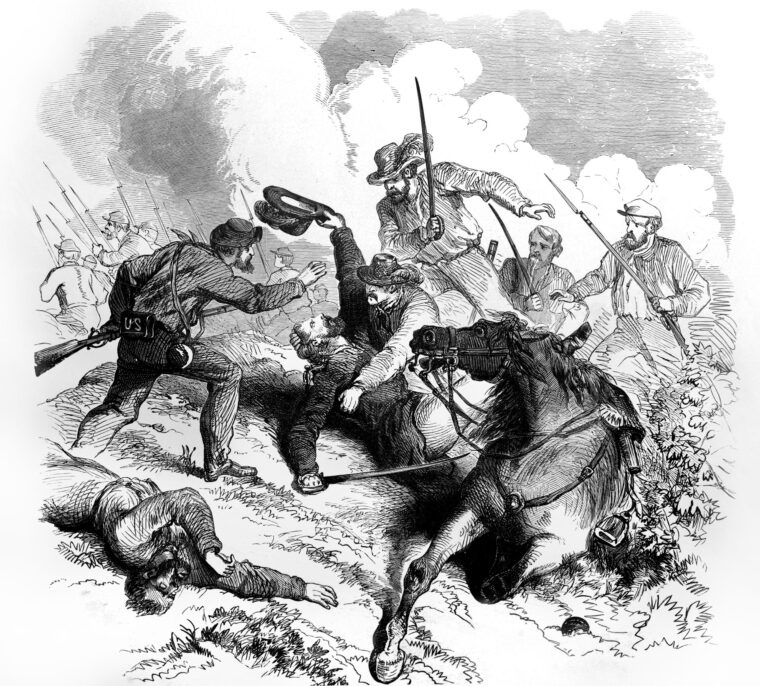
President Abraham Lincoln appointed John C. Frémont as a major general on May 15, 1861, and gave him command of the U.S. Read more
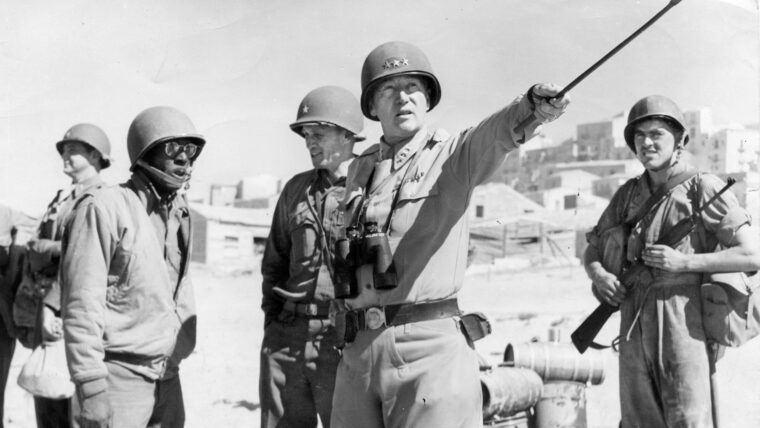
Launched on the night of July 9-10, 1943, the amphibious assault of Operation Husky was the largest the world had ever seen—more than 3,200 vessels and half a million Allied soldiers, sailors, and airmen attacked the island of Sicily, Adolf Hitler’s “Fortress Europe.” Read more
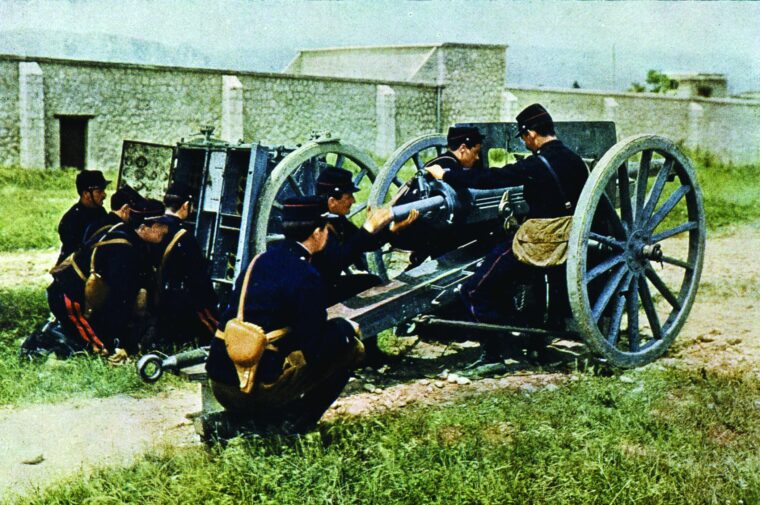
In August 1914, Germany implemented its Schlieffen Plan with 1.7 million soldiers sweeping through Belgium and northern France to envelop and crush the French and British armies. Read more
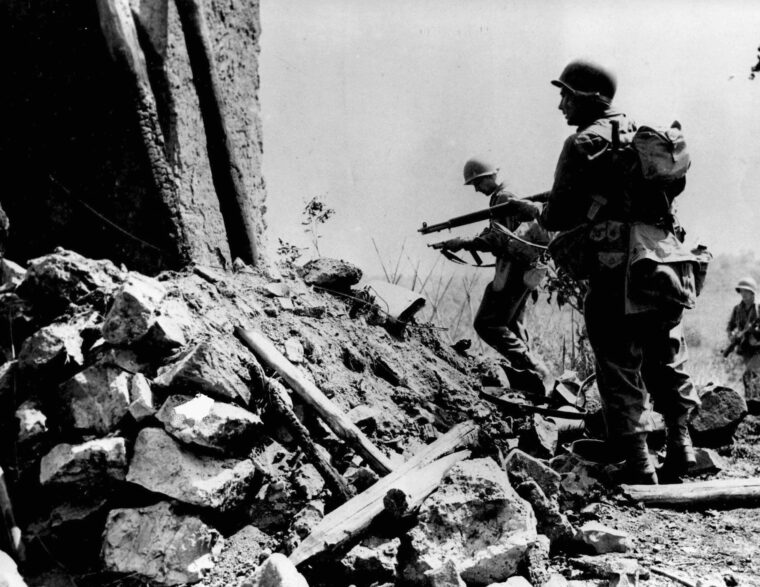
Operation Shingle, better known as the Battle of Anzio (January 22-May 25, 1944), was aimed at bypassing the German’s daunting Gustav Line in an effort to capture Rome. Read more
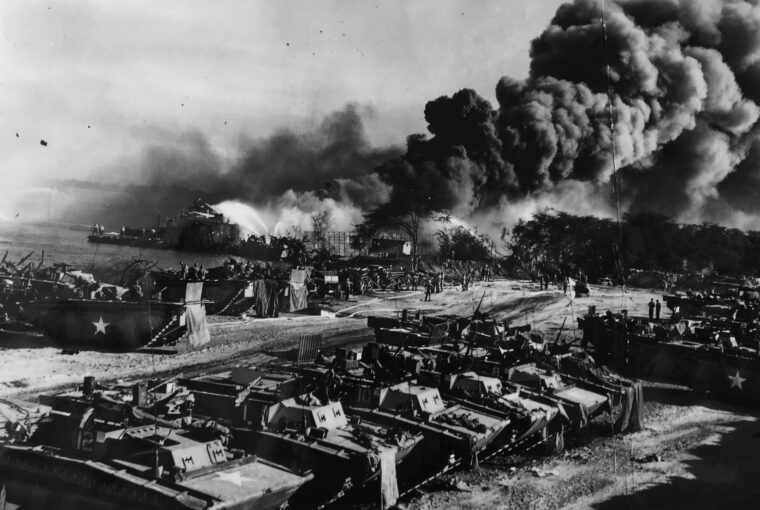
A letter from a screenwriter researching WWII in 1994 turned journalist Christine Kuehn’s world upside down. The writer wanted to know what her father, 70-year-old Eberhard Kuehn, remembered about his own father’s life as a spy. Read more
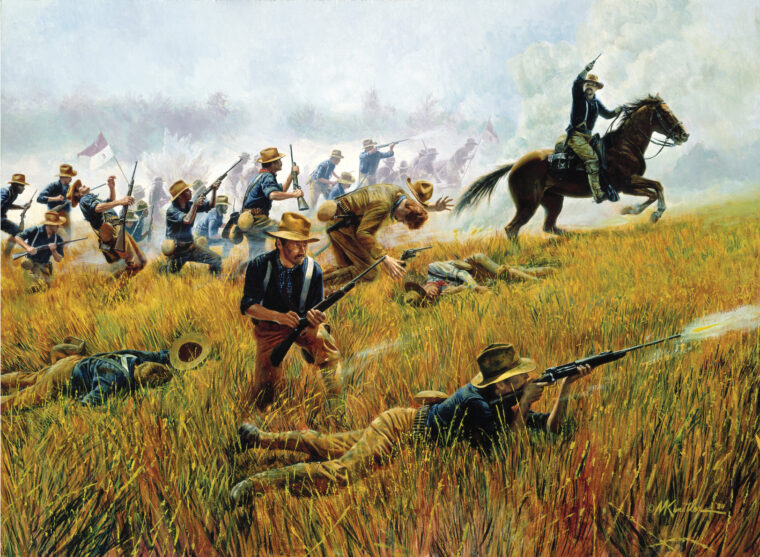
The explosion of the USS Maine on February 15, 1898, Cuba’s Havana harbor, did not directly result in war with Spain—but with the help of the “yellow press” and public opinion it did escalate tensions between the two countries. Read more
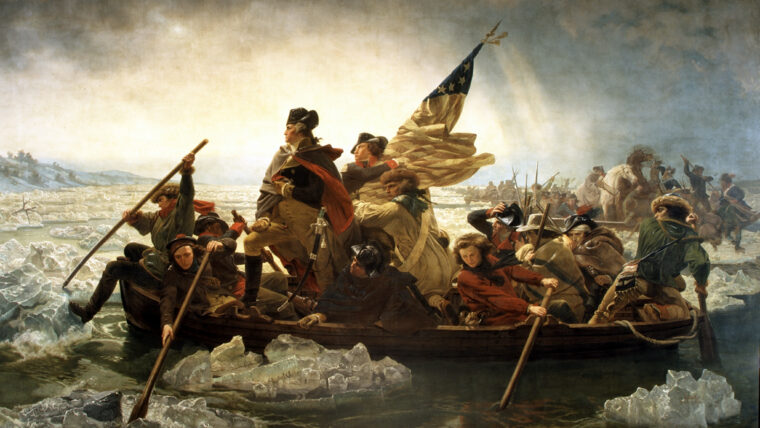
Growing up in Britain, naturalized American citizen and University of Maryland history professor Richard Bell learned almost nothing in school about the American Revolution. Read more
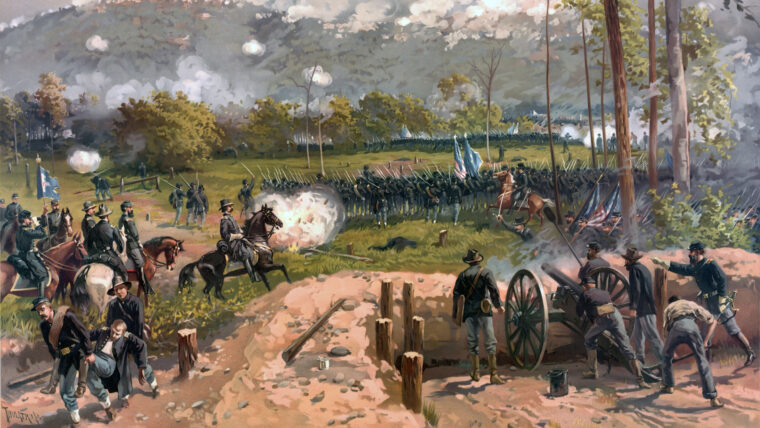
Recognizing that the Confederacy could not win a war of attrition, Gen. Ulysses S. Grant ordered five simultaneous offensives in the spring of 1864 in a strategy to exhaust Southern resources and manpower. Read more
In the pre-Revolutionary War era of the New England colonies, provincial soldiers fought a series of wars against New France and its Native American allies, with mixed results. Read more
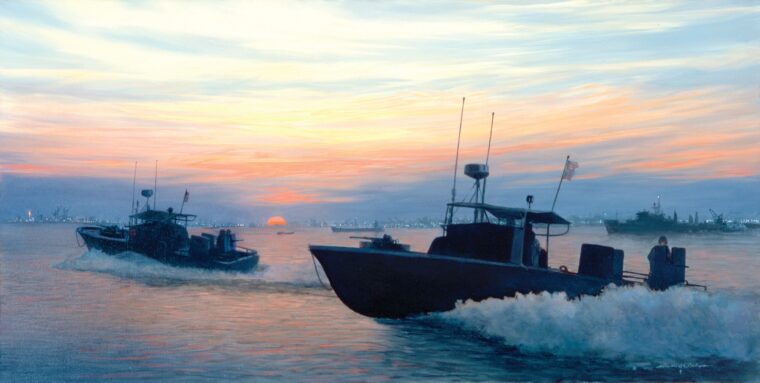
Deep within the guided-missile cruiser U.S.S. Wainwright, Captain James Chandler scanned various screens in the dimly lit climate-controlled combat information center (CIC) absorbing details on the status of the ship’s weapons systems and the activity outside on the sweltering Persian Gulf. Read more