Eric Setzekorn’s ‘Arming East Asia’
By Christopher MiskimonAfter China fell to Communist rule in 1949, it became a new threat to the West in the fledgling Cold War. Read more
After China fell to Communist rule in 1949, it became a new threat to the West in the fledgling Cold War. Read more
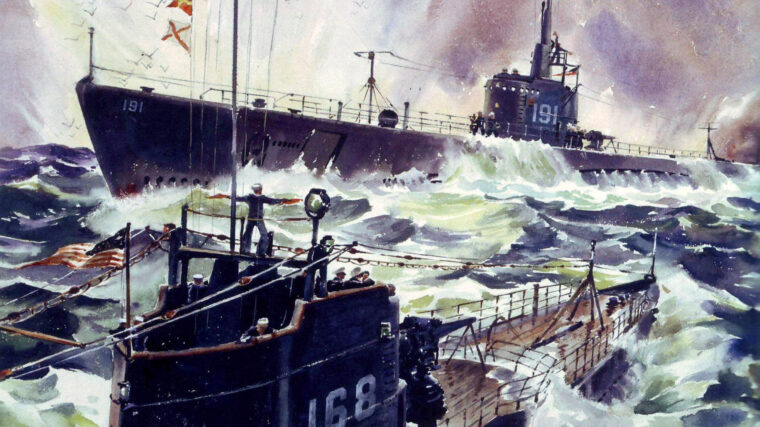
Two days after receiving intelligence on the route of an important enemy convoy, the USS Sculpin (Sargo-class submarine SS-191) made radar contact with the Japanese ships near the Caroline Islands in the Western Pacific Ocean. Read more
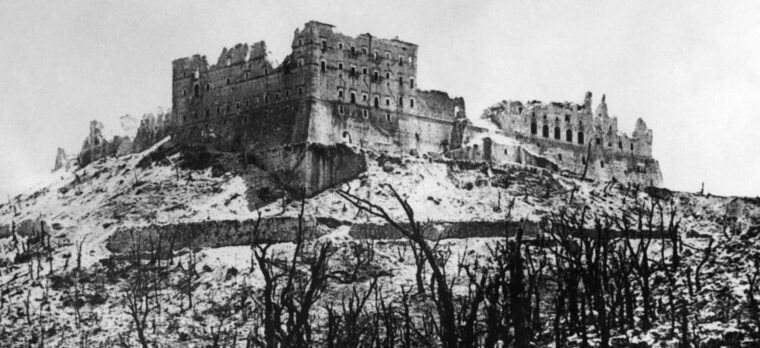
For the thousands of Allied soldiers who had fought and suffered for so long in the shadow of the abbey of Monte Cassino, Tuesday morning, February 15, 1944, was a time of joy and celebration. Read more
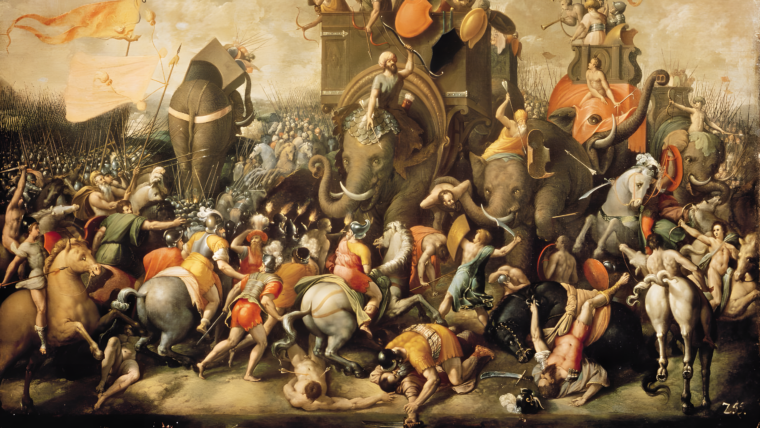
The Carthaginian hero Hannibal Barca has long been considered to have possessed one of history’s greatest military minds. Read more
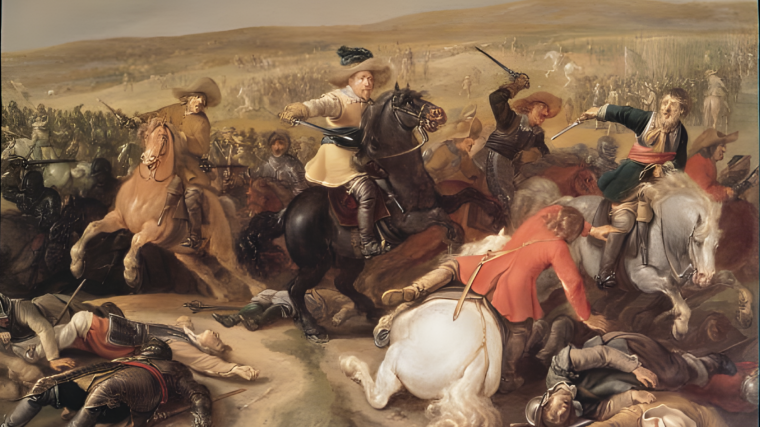
Oddly, the fall of the brilliant King Gustavus Adolphus on the field of battle marked both the beginning of Sweden’s rise to power and the end of one of the most aggressive ages of military reform. Read more
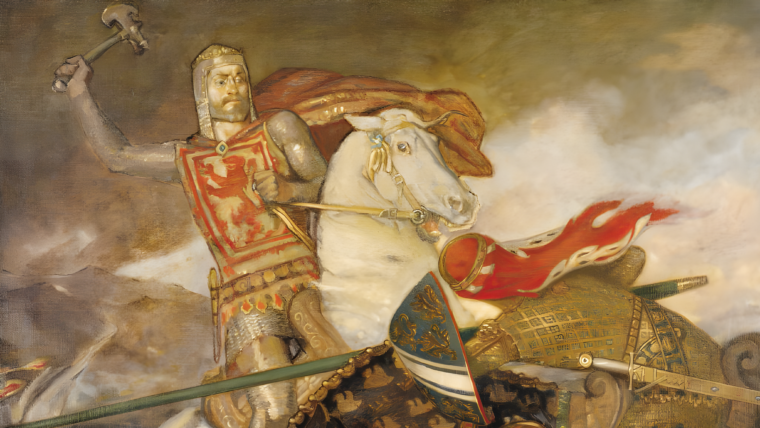
Robert the Bruce, self-proclaimed King of the Scots, grasped his axe as the heavily armored English nobleman, a member of the vanguard of the 20,000-strong English army, bore down upon him, lance leveled and clods of earth arching from his charger’s hoofs. Read more
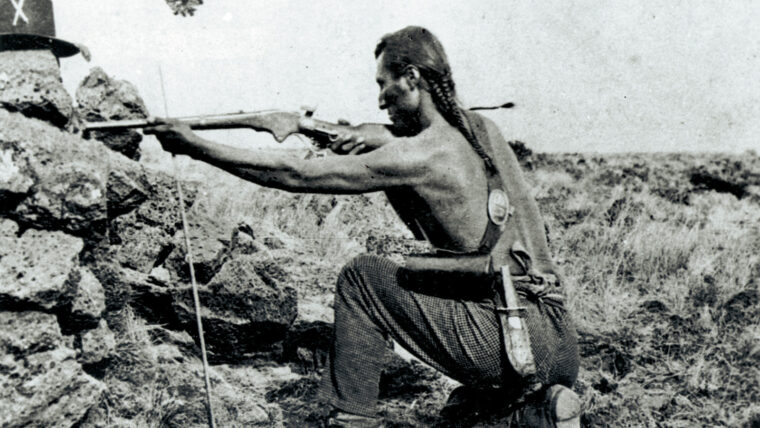
Most Indian battles were small affairs, often company-sized engagements. Many were fought between equally numbered forces, or if disproportional, the U.S. Read more
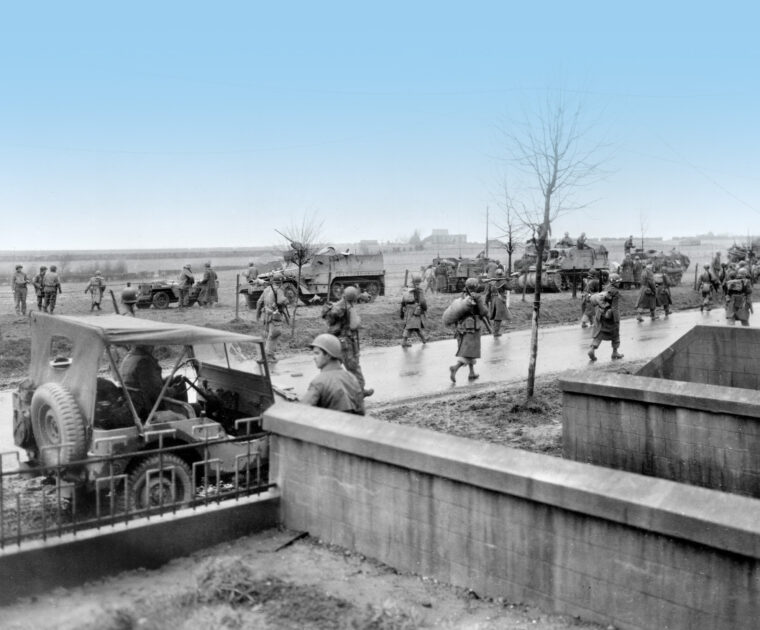
When word reached 21-year-old Private Bradford “Brad” Freeman in Mourmelon-le-Grand, France, that the entire 101st Airborne Division was being put on 24-hour alert for movement to the front, he was neither surprised nor shocked. Read more
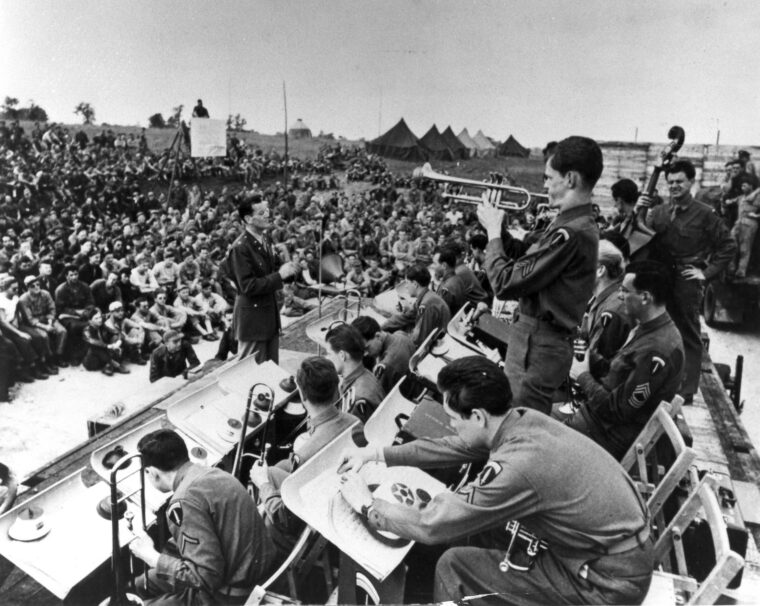
One of the best known and most effective champions of the Allied cause in World War II was a dour, slightly built Iowa native wearing rimless glasses who never fired a shot in anger and collected no ribbons for gallantry. Read more
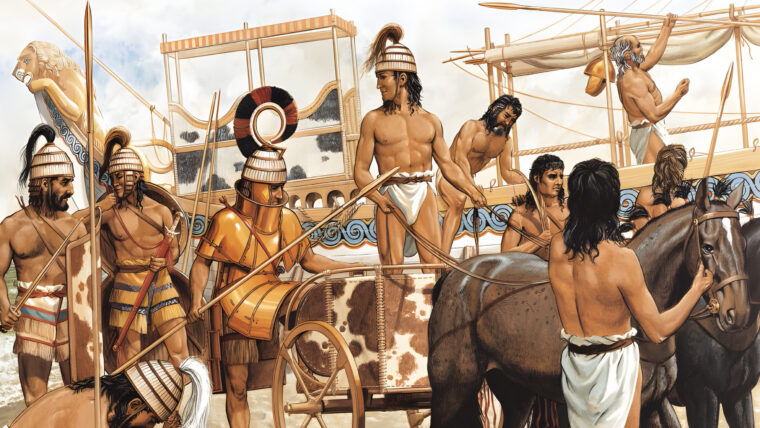
Western Anatolia in the 13th century bc was the main arena for a protracted trial of strength between two vital and aggressive empires, Hatti and Ahhiyawa. Read more
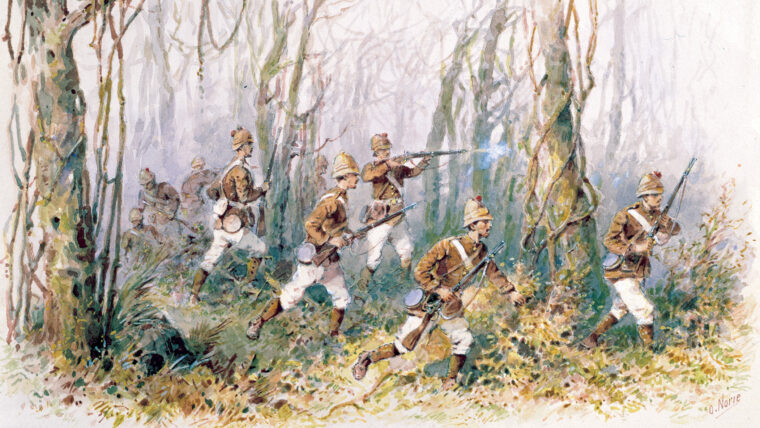
War correspondents are relatively new to history. The Crimean War (1854-1856), pitting Great Britain, France, Turkey, and Sardinia against Russia, was the first conflict in which an organized effort was made for civilian correspondents reporting news directly to the civilian population of the home country. Read more
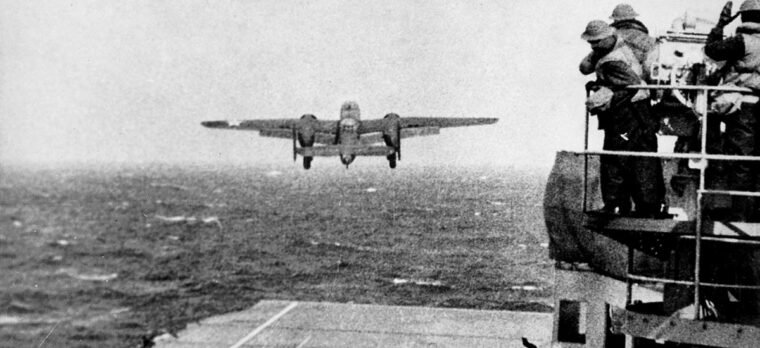
Little more than four months after the disastrous attack on Pearl Harbor, America went on the offensive against Japan with one of the boldest and best remembered bomber raids of World War II. Read more
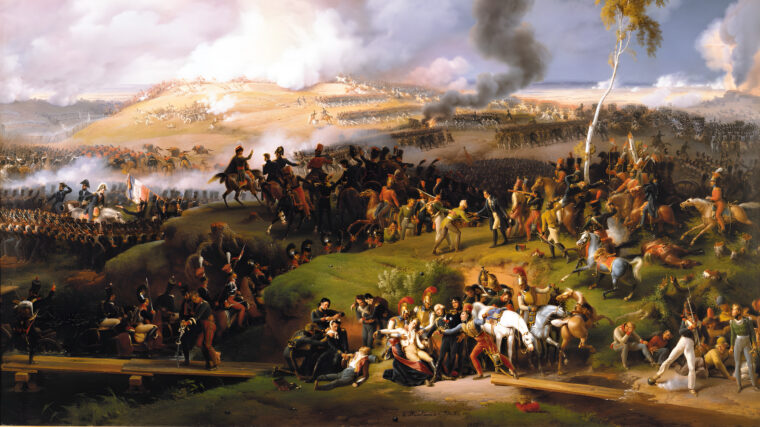
At 11 o’clock on the evening of June 23, 1812, the first elements of Napoleon’s mighty army marched on three pontoon bridges over the river Niemen and set foot on Russian soil; the epic invasion of Russia had begun. Read more
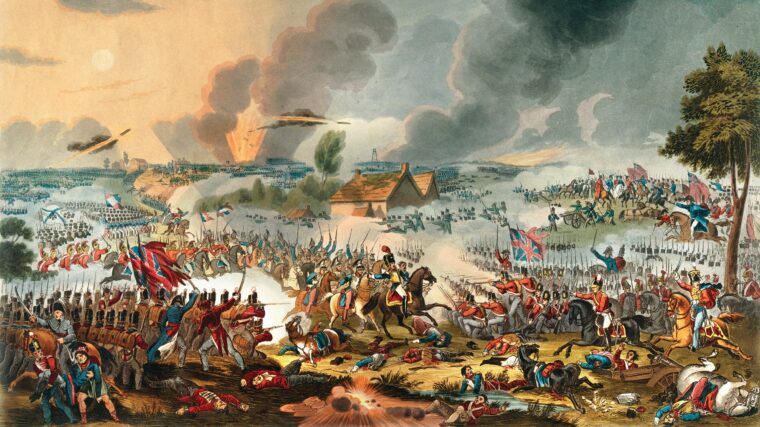
“And the rockets’ red glare, the bombs bursting in air …”
That, as most people know, is a line from the American national anthem, words by Francis Scott Key, to the tune of Anacreon in Heaven by John Stafford Smith. Read more
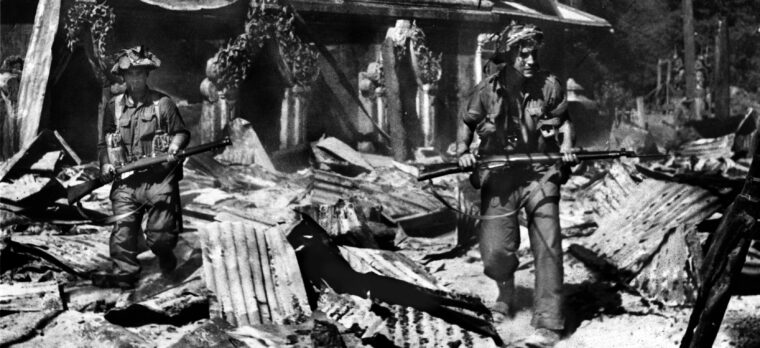
While the soldiers and officers of the Japanese 15th Army fought fiercely to defend Mandalay in central Burma, they were alarmed to discover that British and Indian troops were dangerously close to attacking their supply depot at Meiktila, 90 miles to their rear. Read more
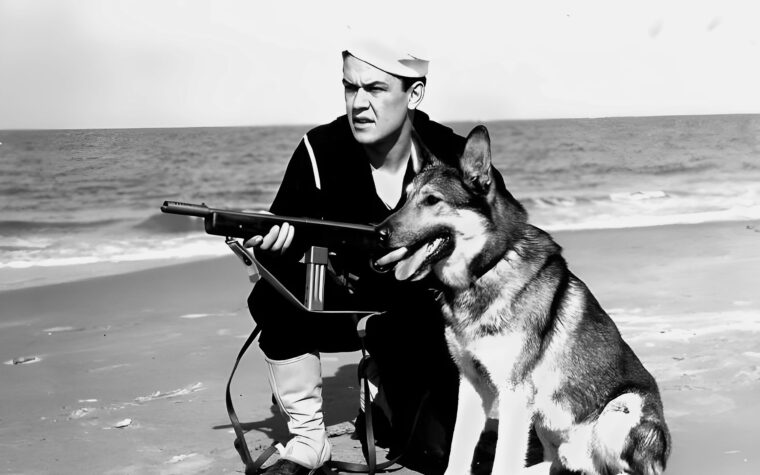
On paper, the Reising submachine gun appeared to be an ideal close-combat weapon. Accurate, lightweight, and inexpensive to manufacture, it was selected by the U.S. Read more
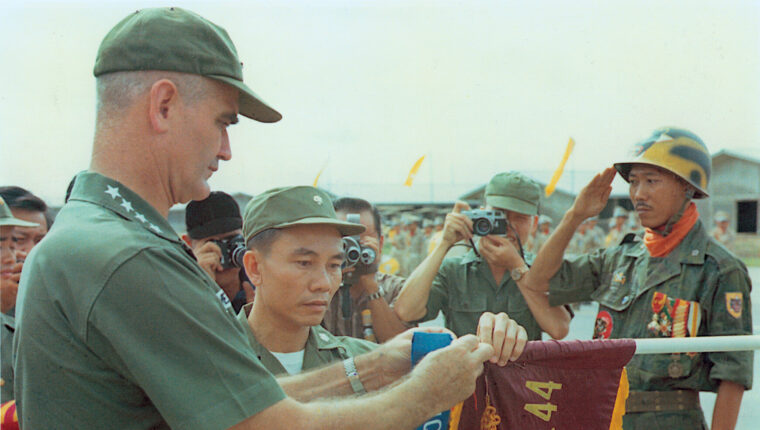
In 1989, this writer had occasion to interview four-star General William Childs Westmoreland, now 86, formerly U.S. military commander in South Vietnam and at the time of the interview a retired Chief of Staff of the Army. Read more
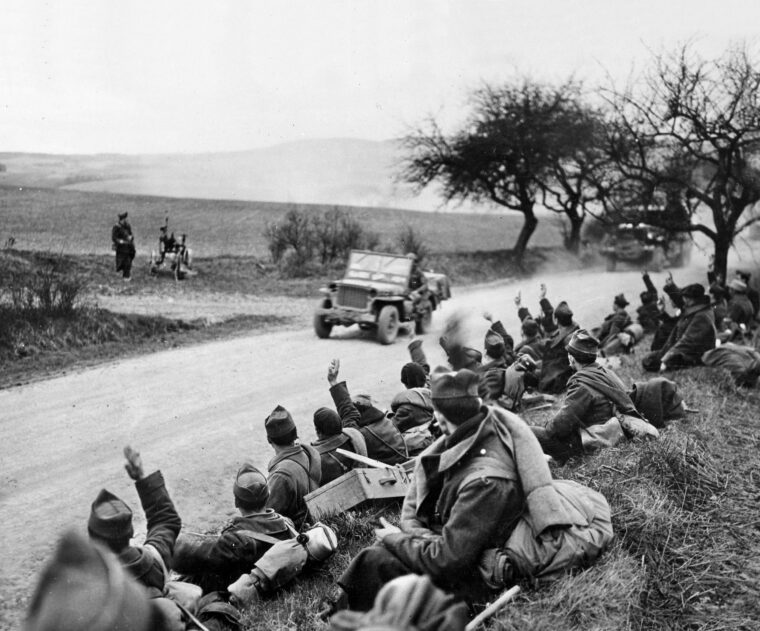
Private First Class Bob Wolf rode in a jeep along an exposed hill in Germany’s Ruhr Valley when he heard an enemy artillery round screeching toward him. Read more
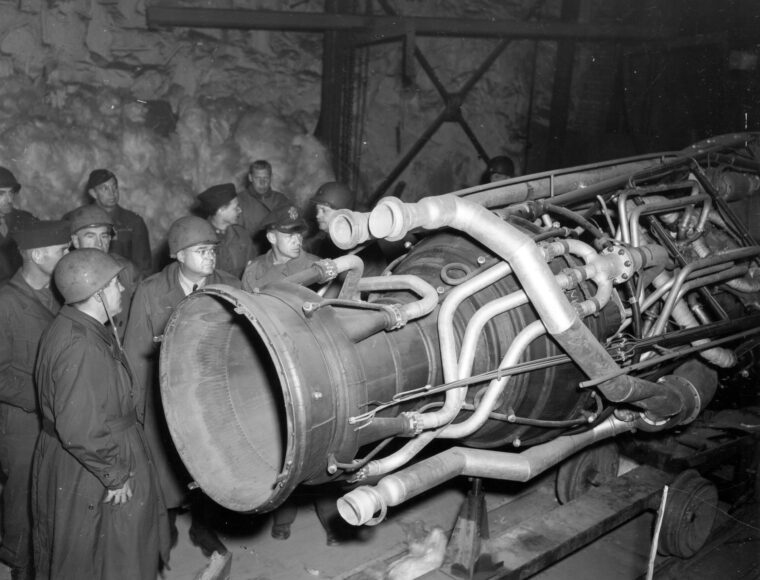
At first, Major Robert Staver seemed to have plenty of time. An Army Ordnance officer with a mechanical engineering degree from Stanford, he had been sent to Germany as part of the Combined Intelligence Objectives Subcommittee. Read more
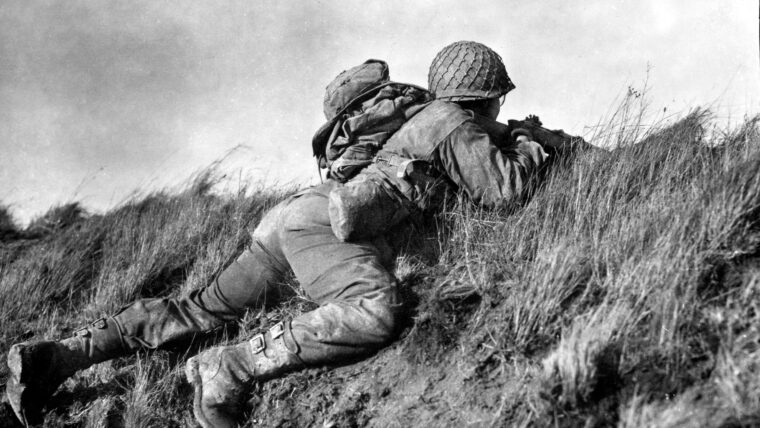
As casualties mounted in the fall of 1944, the U.S. Army began experiencing a problematic manpower shortage in the ranks of its infantry. Read more