 By Kevin Seabrooke
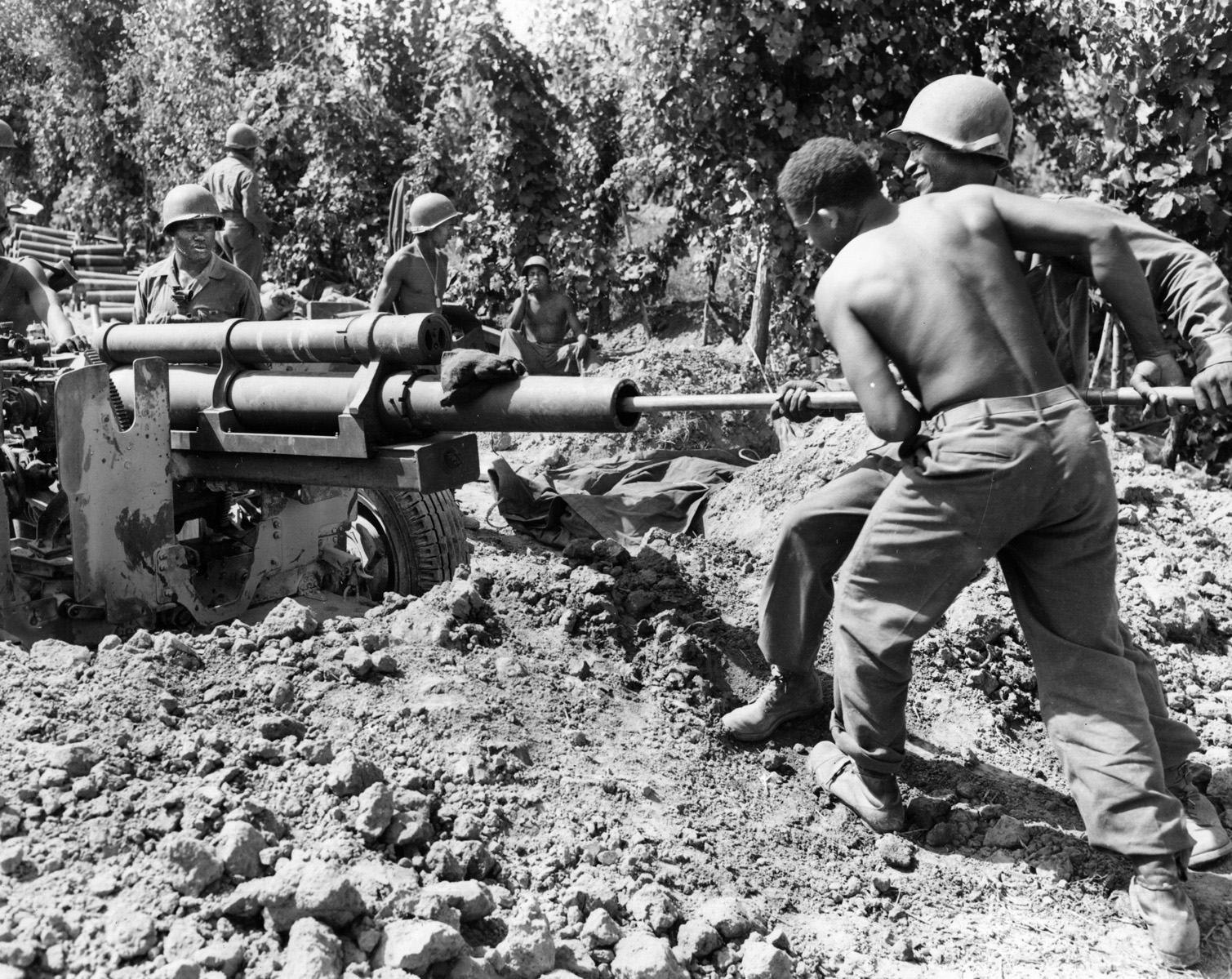
Unlike other African-American military units such as the Tuske-gee Airmen, or even the 10th Cavalry Regiment “Buffalo Soldiers” who occupied Fort Huachuca before them, the 92nd and 93rd Infantry Divisions—the only two black units of divisional size in World War II—have received much less coverage in popular media over the past 80 years.
A Black Army thoroughly examines the experiences of African American soldiers stationed at America’s only “black post”—built in 1877 in southeastern Arizona near the Mexican border, Huacha was home to the 10th Cavalry from 1913 to 1933. From 1941 to 1945, 30,000 African-American infantrymen were trained there. Peretz focuses on the contradictions between the Army’s rhetoric of “fighting for democracy” abroad while maintaining segregation at home and details the harsh realities of segregation—strict confinement and control—and the Army’s mistrust of the soldiers’ capabilities. Despite the discrimination, the book also highlights the resilience of these soldiers in the face of adversity.
A professor of American History in Paris, Peretz sheds long-overdue light on an important chapter in our nation’s history.
A Black Army: Segregation and the US Military at Fort Huachuca, Arizona, 1941–1945 (Pauline Peretz, Cambridge University Press, New York, NY, Sept. 5, 2025, 352 pp., index, 62 photographs, $39.99 HC)

Join The Conversation
Comments
View All Comments