 By Kevin Seabrooke
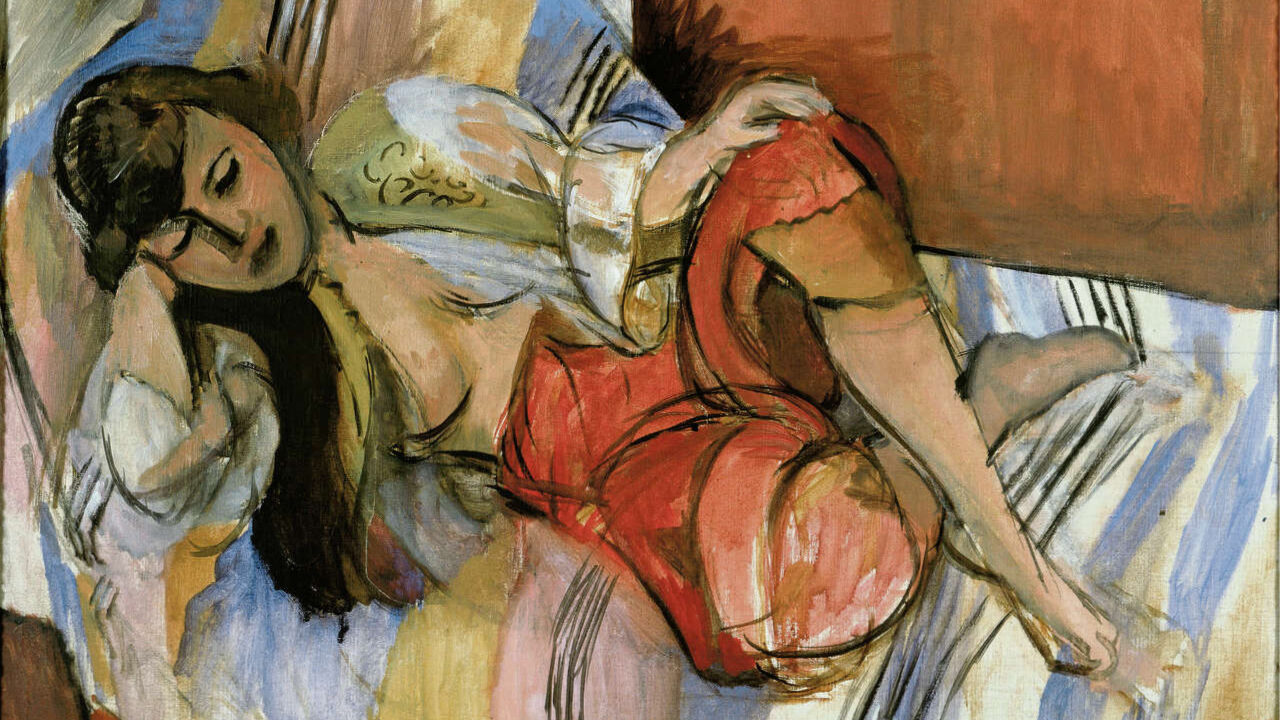
Through intimate letters and many other sources, this book reveals Matisse’s journey of reinvention in the face of war and fascism to create some of his greatest art.
One of Matisse’s sons, Jean, engaged in sabotage efforts with the Allies. His other son, Pierre, helped Jewish artists escape to New York. His estranged wife of 42 years worked for the Communist underground in Paris. His daughter, Marguerite, was a member of the French Underground. She was arrested and tortured by the Gestapo and sent to Ravensbrück, the women’s concentration camp.
Matisse, his health failing, remained in Nice and became an inspiration to his people. In response to the spectre of Nazism, he invented a new art technique as his ability to paint declined —”drawing with scissors” by cutting shapes from sheets of paper pre-painted with vibrant colors and arranging them into compositions.
Matisse at War: Art and Resistance in Nazi Occupied France (Christopher C. Gorham, Citadel Press, New York, NY, September 30, 2025, 452 pp., $29 HC)
Join The Conversation
Comments
View All Comments