WWII

New recruits wearing soft headgear board a C-47 for their first practice jump.

WWII

How Paratroopers Earned Their Wings

Photo Essay By Kevin M. Hymel

Every American soldier who jumped into North Africa, Europe, the Philippines, and other combat zones around the globe during World War II had to first learn his trade at Fort Benning, Georgia. Read more

Corpsmen attend to a wounded Marine while others bring another wounded man up the beach at Betio. Illustration by Kerr Erby.

WWII

Brutal Battle For Betio

By Steven Weingartner

Betio is the main island of the Tarawa Atoll in the Central Pacific nation of Kiribati, formerly known as the Gilbert Islands. Read more

WWII

Home Front USA: Rationing

By Herb Kugel

In 1941-1942, British journalist Alistair Cooke traveled through the United States. In his description of his trip, American Home Front 1941-1942, he reported stopping for breakfast at a restaurant in West Virginia where, “the sugar was rationed at breakfast, and there was a note on the menu requesting that … in the interests of ‘national defense,’ keep to one cup of coffee.” Read more

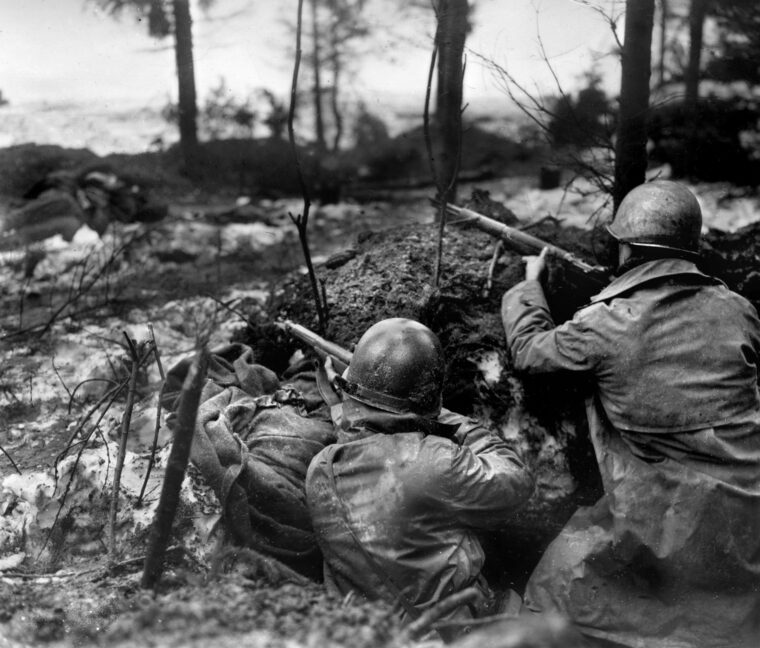
From their position inside a ruined house, two solders from the 4th Infantry Division’s 22nd Infantry Regiment fire on a German tank with a 3.5-inch rocket launcher, commonly called a “bazooka,” during the Battle of the Bulge, December 1944.

WWII

The Cold Shoulder

By Allyn Vannoy

Army commanders understand that the key to dealing with an enemy breakthrough is to slow the enemy’s advance and prevent the breach from widening—that is, “holding the shoulders.” Read more

WWII

A Marine Scout’s War Journey

By Matt Broggie

Sergeant Larry Kirby will always remember the fighting on the morning of March 12, 1945, as his unit, Easy Company, 9th Marines, 3rd Marine Division, attempted to move against Hill 362C under the cover of darkness in northeastern Iwo Jima. Read more

WWII

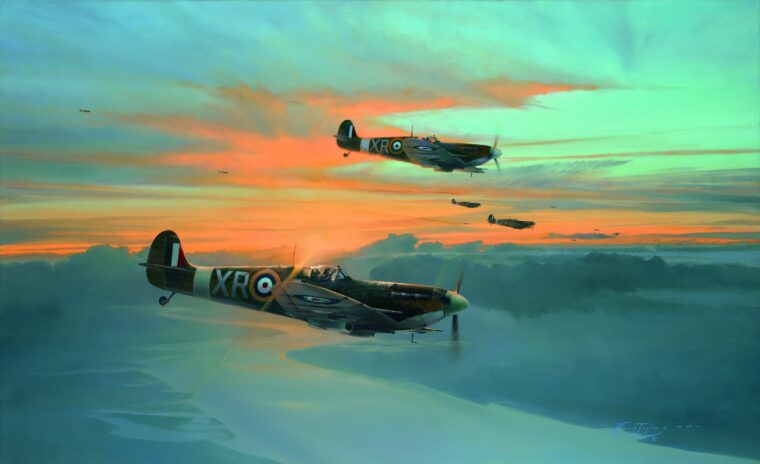
The Workhorse Lancaster

By Nigel Price

Powerful, brisling with firepower and able to carry an amazingly large bombload, the majestic Avro Lancaster, along with the iconic Supermarine Spitfire, has come to symbolize the might of the Royal Air Force in World War II. Read more

WWII

The Strange Odyssey of USS Stewart

By Glenn Barnett

The Spanish-American War saw the development of the torpedo as we know it today. It was not the static mine of the Civil War but a propeller driven, waterborne explosive device. Read more

Smoke billows from bomb strikes against the submarine pens at St. Nazaire. This photo was taken from a U.S. bomber that participated in a costly raid against the heavily defended pens on the French coast.

WWII

Lessons at St. Nazaire

By Robert F. Dorr

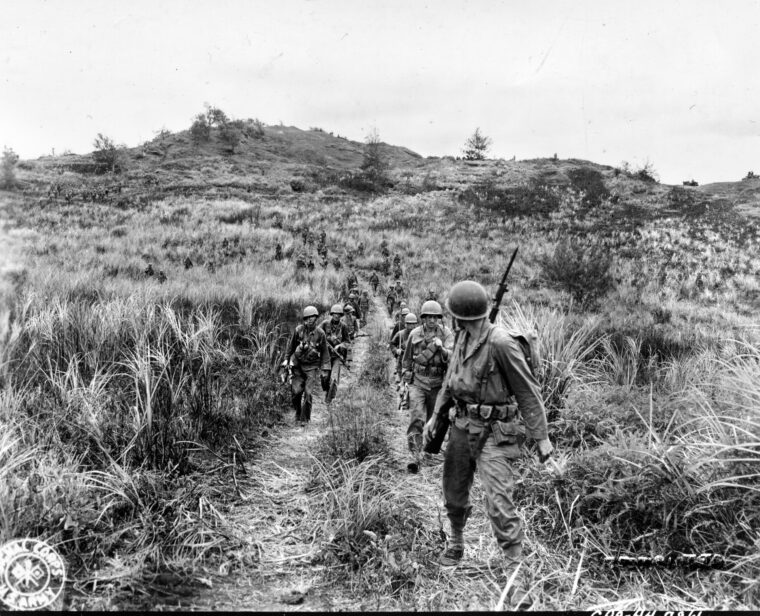
Even today, they don’t like to talk about the St. Nazaire raid.

Compared to the thousand-plane raids that went deep into Germany later in World War II, the January 3, 1943, bomber mission from England to the coast of German-occupied France was small and spanned only a modest distance. Read more

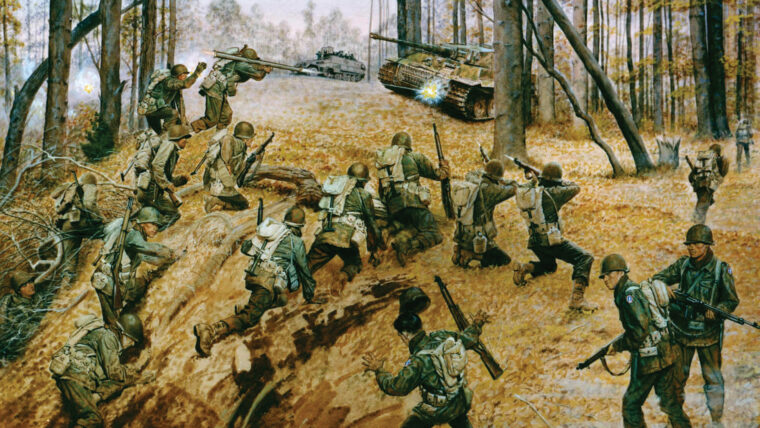
Nisei soldiers of the 442nd Regimental Combat Team take on German tanks during their successful effort to rescue the Lost Battalion in France in October 1944.

WWII

Hero of the 442nd Regimental Combat Team

By Michael D. Hull

Early on the morning of Sunday, October 15, 1944, a platoon of the U.S. 442nd Regimental Combat Team’s 100th Infantry Battalion (Separate) waited on a hill for its first action in the rugged Vosges Mountains of eastern France. Read more

WWII

Night Fighting Corsairs

By Robert F. Dorr and Fred L. Borch

Just before it was drawn into World War II, the United States began developing a night fighter version of one of its most famous warplanes. Read more