WWII

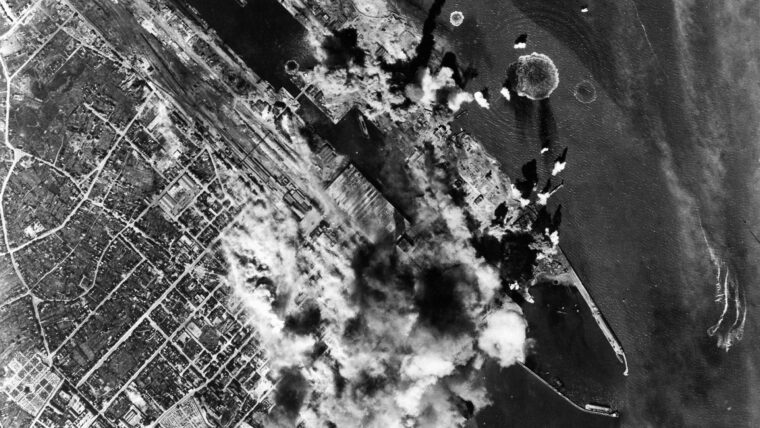
Smoke billows from bomb strikes against the submarine pens at St. Nazaire. This photo was taken from a U.S. bomber that participated in a costly raid against the heavily defended pens on the French coast.

WWII

Lessons at St. Nazaire

By Robert F. Dorr

Even today, they don’t like to talk about the St. Nazaire raid.

Compared to the thousand-plane raids that went deep into Germany later in World War II, the January 3, 1943, bomber mission from England to the coast of German-occupied France was small and spanned only a modest distance. Read more
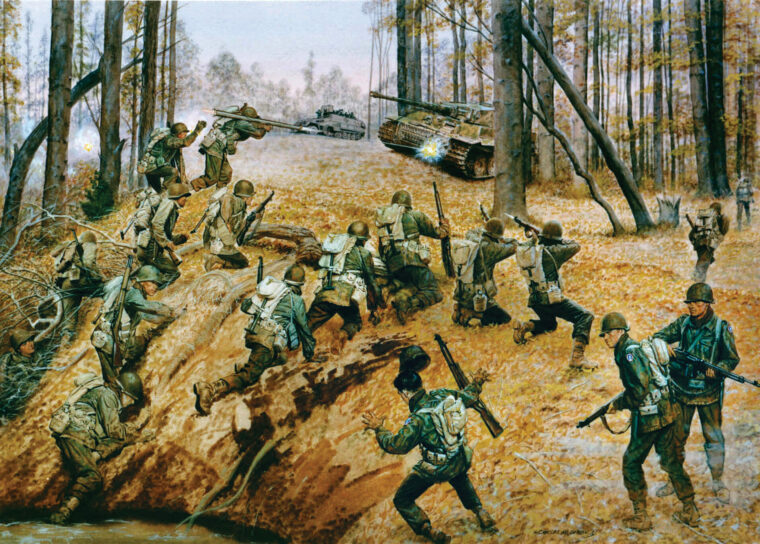
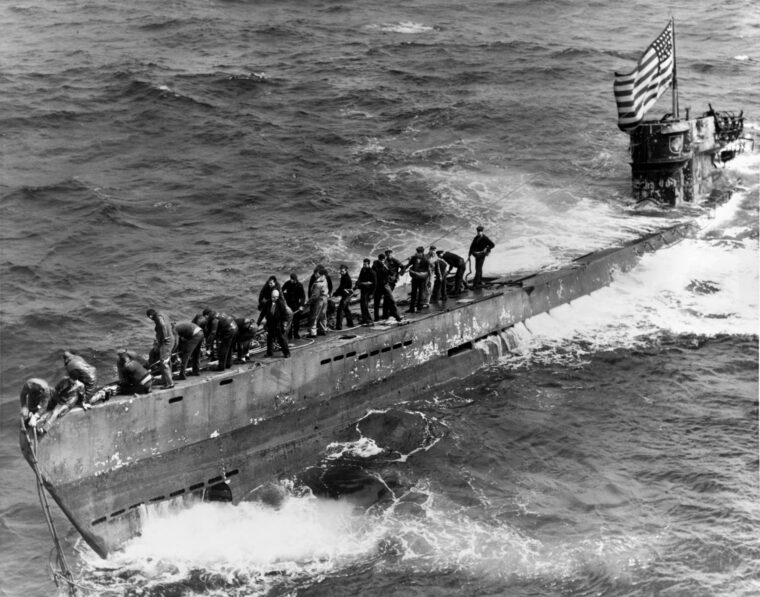
Nisei soldiers of the 442nd Regimental Combat Team take on German tanks during their successful effort to rescue the Lost Battalion in France in October 1944.

WWII

Hero of the 442nd Regimental Combat Team

By Michael D. Hull

Early on the morning of Sunday, October 15, 1944, a platoon of the U.S. 442nd Regimental Combat Team’s 100th Infantry Battalion (Separate) waited on a hill for its first action in the rugged Vosges Mountains of eastern France. Read more

WWII

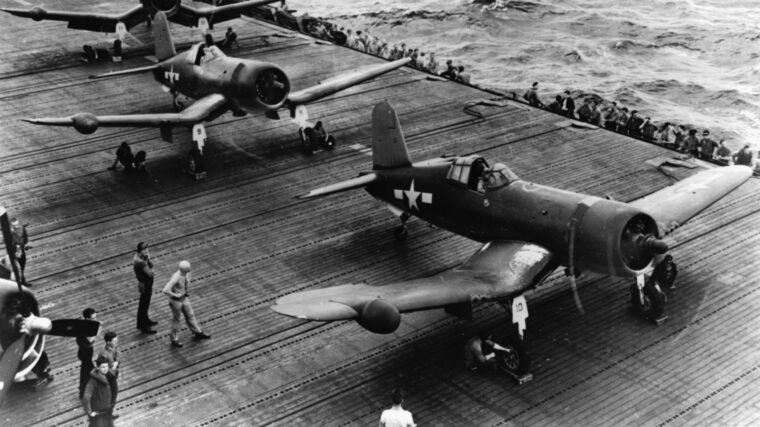
Night Fighting Corsairs

By Robert F. Dorr and Fred L. Borch

Just before it was drawn into World War II, the United States began developing a night fighter version of one of its most famous warplanes. Read more

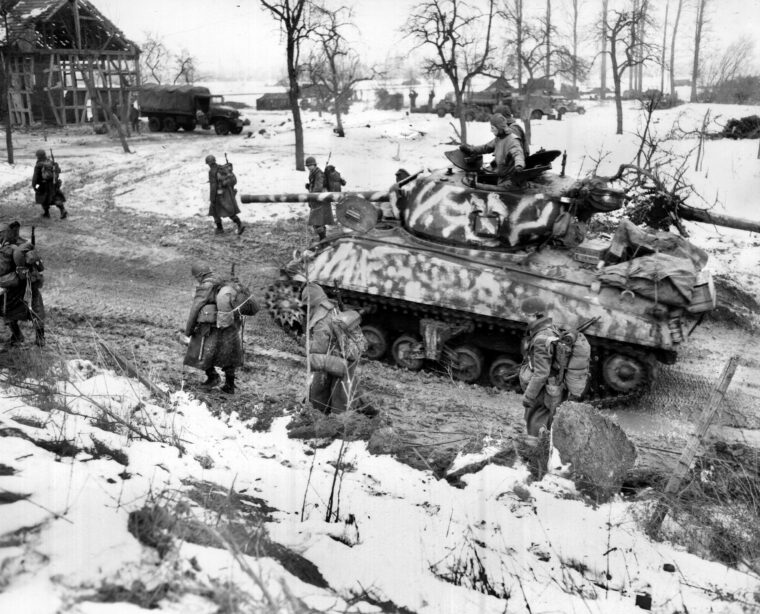
Soldiers of the U.S. 75th Infantry Division tramp through the snow in the Colmar Pocket sector in the Alsace region. The pocket, which consisted of 850 square miles on the west side of the Rhine River, was the last piece of German-held territory on French soil.

WWII

Destruction Of The Colmar Pocket

By Christopher Miskimon

On January 25, 1945, every officer in Company B of the 15th Infantry Regiment of the American 3rd Infantry Division became a casualty in the fight for the “Colmar Pocket” except Lieutenant Audie Murphy. Read more

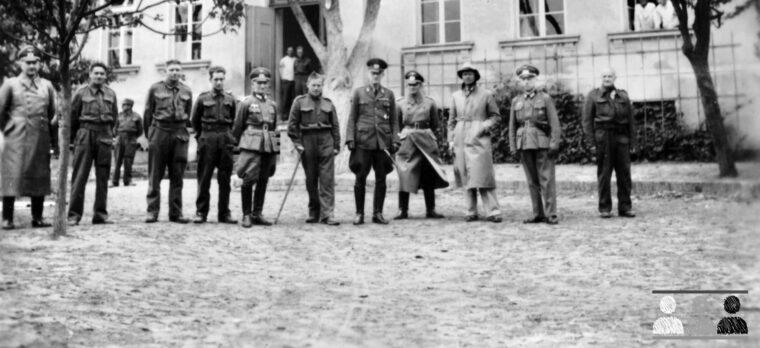
German officers and enlisted personnel stand in front of Oflag 64, a former reform school for boys that was converted into a somewhat unique prison camp for American officers during World War II.

WWII

Life In a Unique Nazi POW Camp

By Duane Schultz

On July 28, 2018, at the Doubletree Hilton Hotel near Dulles Airport, outside Washington, D.C., Mariusz Winiecki, a 42-year-old Polish professor, told an audience of Americans about his experiences growing up in the small town of Szubin, 150 miles southeast of Warsaw. Read more

WWII

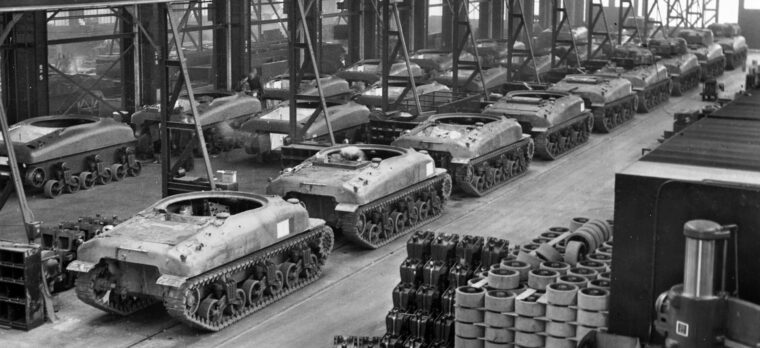
The Allies’ Armored Workhorse

By Michael D. Hull

Early on the gray, chilly afternoon of Tuesday, December 26, 1944, a column of mud-stained Sherman medium tanks, armored cars, and half-tracks of the U.S. Read more

WWII

Lucky All The Way!

By Susan Zimmerman

During World War II, many of England’s Royal Air Force (RAF) Class A airfields were made available to the U.S. Read more

WWII

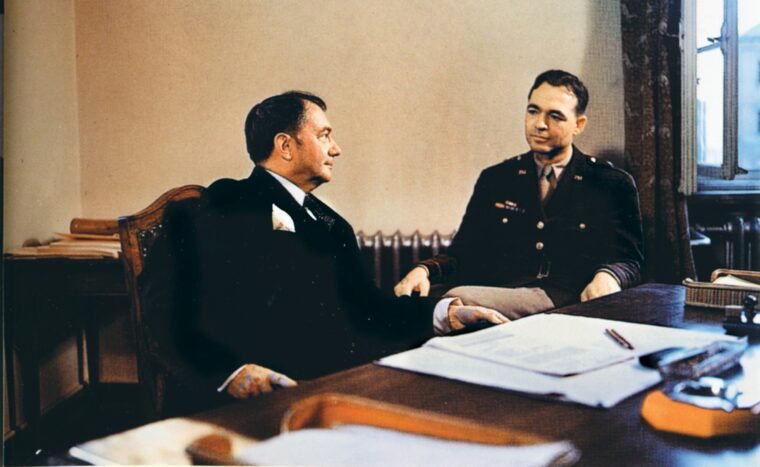
Nuremburg Prosecutor

By Blaine Taylor

On March 23, 1991, at a reunion of the postwar Nuremberg International Military Tribunal staffers in Washington, I had occasion to meet the former American prosecutor, Brigadier General Telford Taylor. Read more

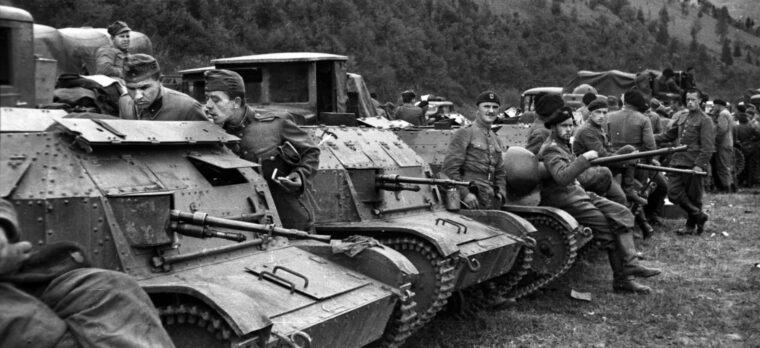
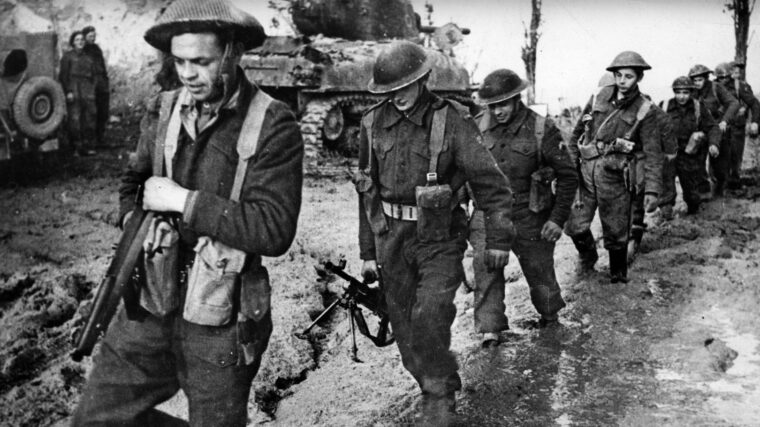
Polish soldiers, attached to the British Eighth Army in Italy, slog along a flooded road.

WWII

Blood In The Soil

By Glenn Barnett

In 1939 the one thing that Adolf Hitler and Josef Stalin could agree on was the partition of Poland. Read more

WWII

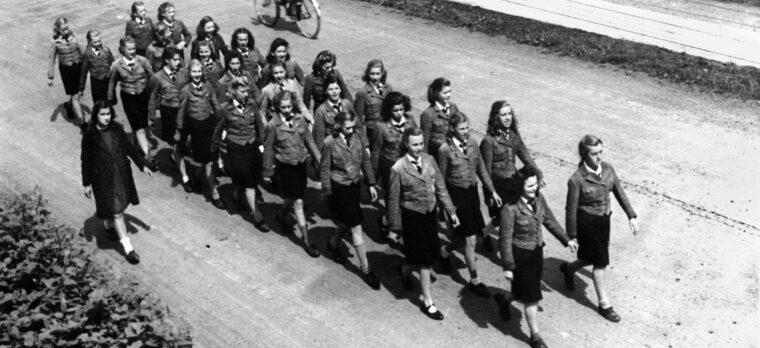
Third Reich Women at War

By Paul Garson

During the 12 years of the highly militarized society of the Third Reich, some 20 million Germans—men and women as well as children—donned a uniform of one kind or another.  Read more

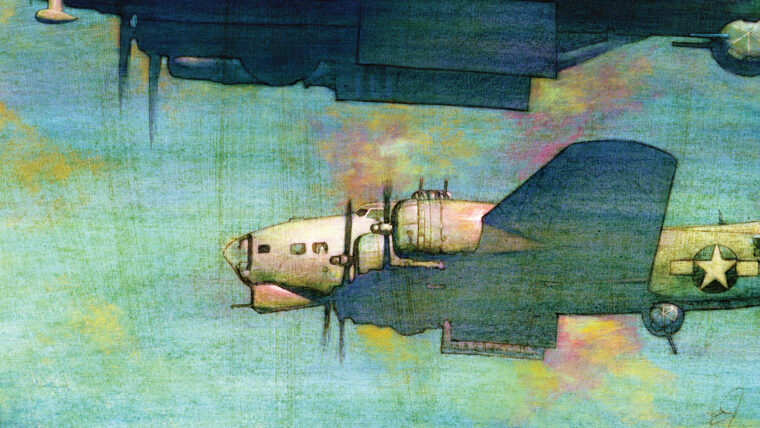
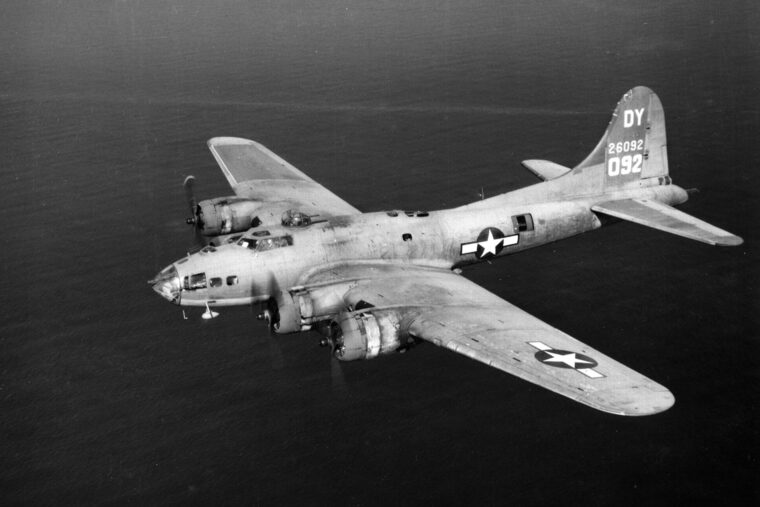
A Boeing B-17 Flying Fortress bomber flies over a body of water. Corporal Joseph Hartman survived a terrible ordeal following a mid-air collision aboard a B-17, which was followed by an incredible odyssey.

WWII

Sole Survivor

By Phil Scearce

On December 1, 1942, a 431st Bomb Squadron Boeing B-17 Flying Fortress named Omar Khayyam – The Plastered Bastard took off from a base codenamed Cactus on a photo-reconnaissance mission toward enemy-held Bougainville Island in the Pacific. Read more

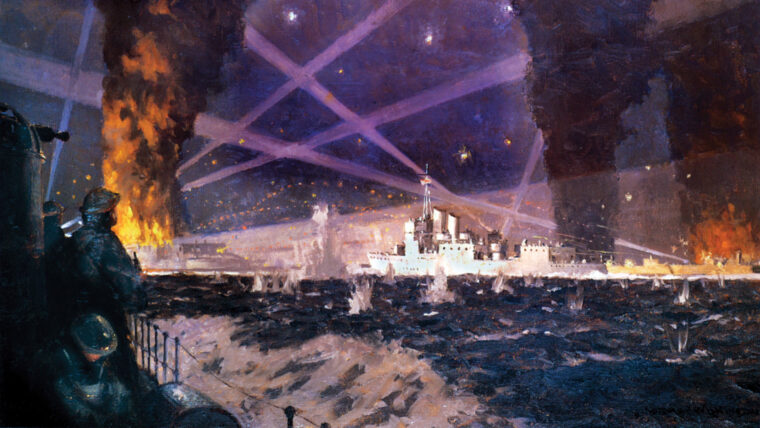
WWII

Lend-Lease on the High Seas

By Glenn Barnett

At high tide on the night of March 28, 1942, an American-built British destroyer disguised as a German torpedo boat steamed boldly up the estuary of the Loire River in occupied France. Read more

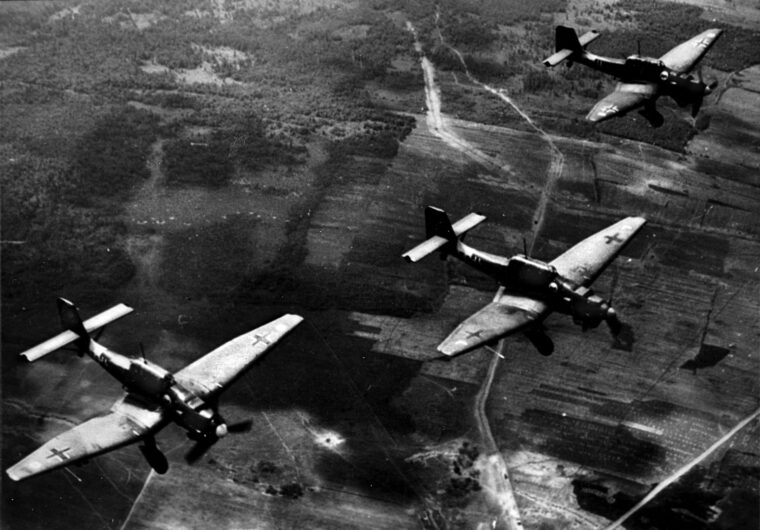
Early in the attempt to defeat the Soviet Union, German aircraft controlled the skies. Here three Junkers Ju-87 Stuka dive bombers fly high over their target city of Novgorod. The dive bombers proved effective as airborne artillery against ground targets, but the growing number of Soviet fighters soon took their toll of the Luftwaffe.

WWII

Struggle for Stalin’s Skies

By Kelly Bell

On February 3, 1943, Lieutenant Herbert Kuntz of the 100th Bomber Group made the last flight by any German pilot over the Soviet city of Stalingrad. Read more