Latest Posts
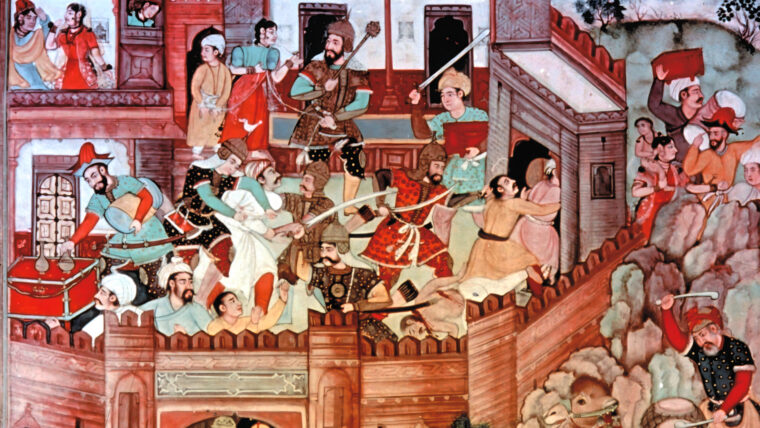
The Mongol Hordes Invade China
By Steven M. JohnsonIn ad 1205, Mongol ruler Genghis Khan, having completed the unification of his Gobi Desert empire, began looking south toward China for further conquest. Read more
Latest Posts
In ad 1205, Mongol ruler Genghis Khan, having completed the unification of his Gobi Desert empire, began looking south toward China for further conquest. Read more
Latest Posts
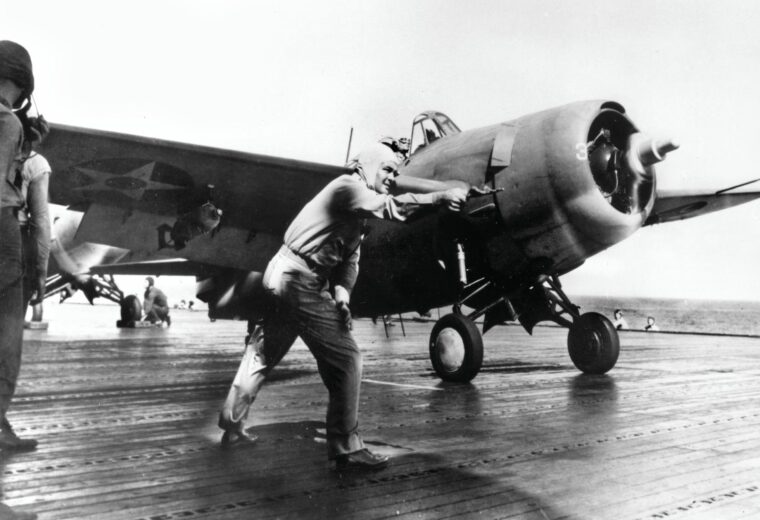
The messenger arrived as U.S. Navy Lt. James “Pug” Southerland tore into a sandwich and coffee in the wardroom of the carrier USS Saratoga. Read more
Latest Posts
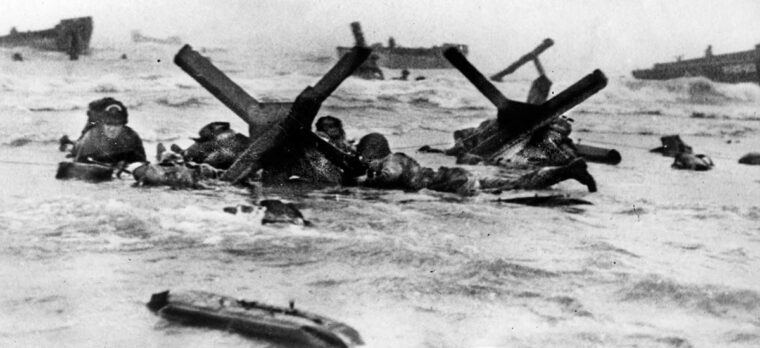
“Andy” Andrews served as a machine gunner in Company H, 16th Infantry Regiment of the 1st Infantry Division. Read more
Latest Posts
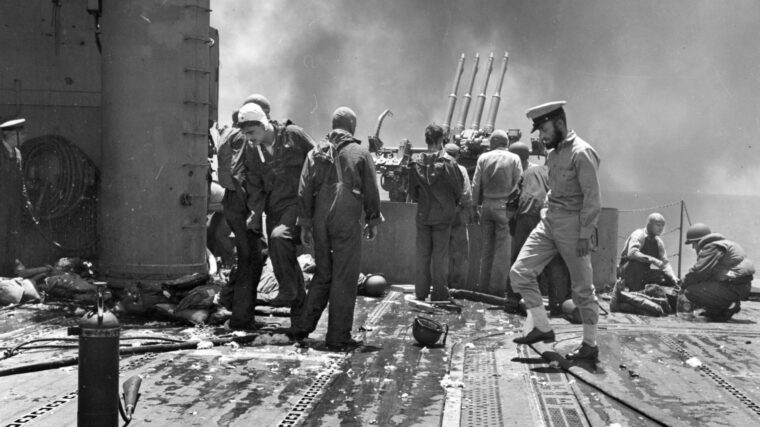
Modern readers benefit from decades of research, interviews, and information on the various battles of the Pacific War. Read more
Latest Posts
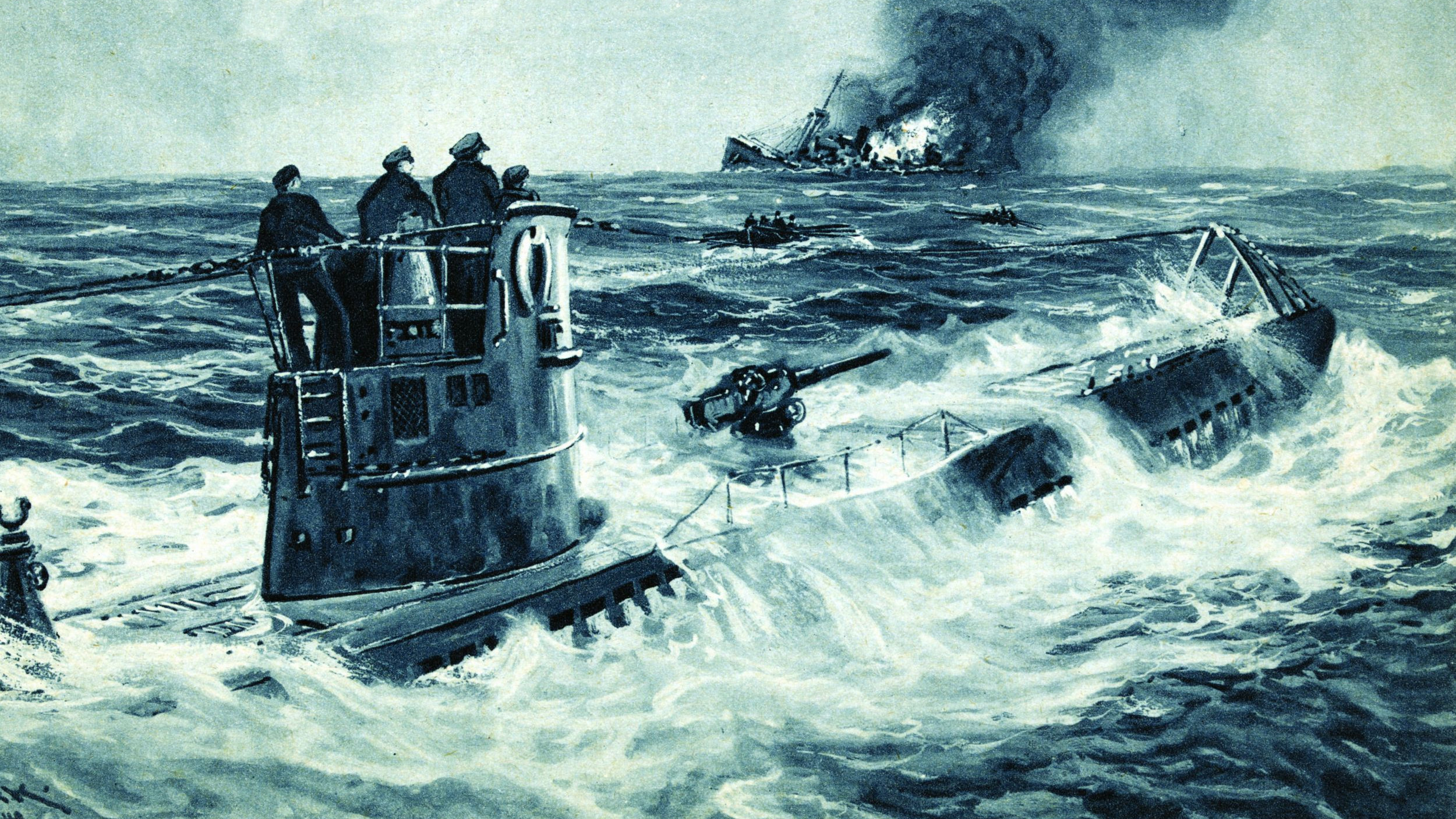
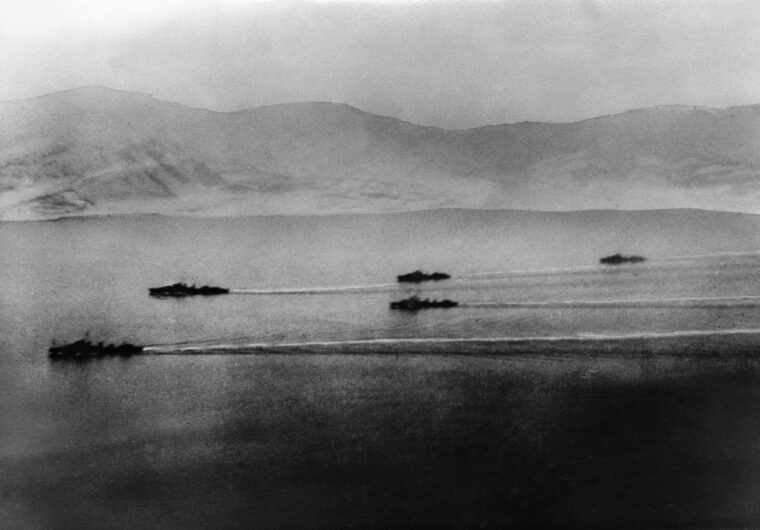
The fighting for Narvik in 1940 was a combined naval and air campaign involving soldiers and sailors from Great Britain, France, Norway, Poland and Germany. Read more
Latest Posts
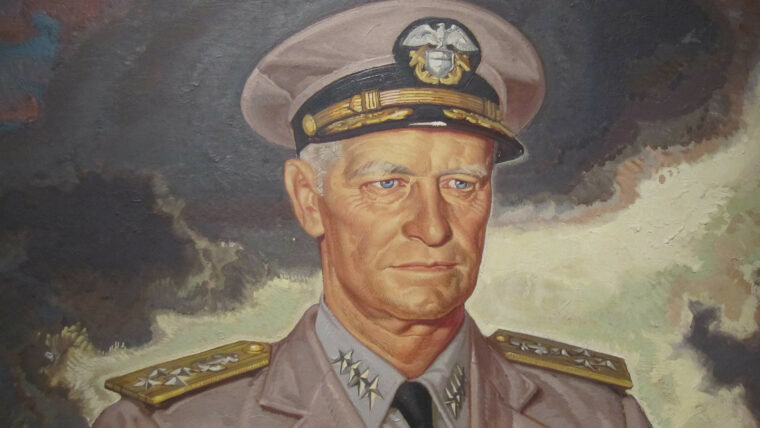
Before World War II, the U.S. Navy developed a culture that purposely created leadership opportunities. An emphasis on decentralized authority gave direction to junior leaders while encouraging them to use their own initiative to achieve results. Read more
Latest Posts
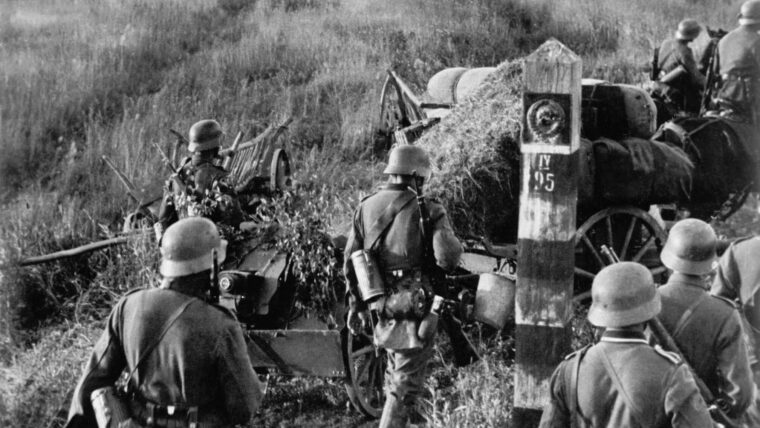
Hans Roth, Frankfurt native and army reservist in his 30s, looked across the fields in front of his position the night before Operation Barbarossa was to begin. Read more
Latest Posts
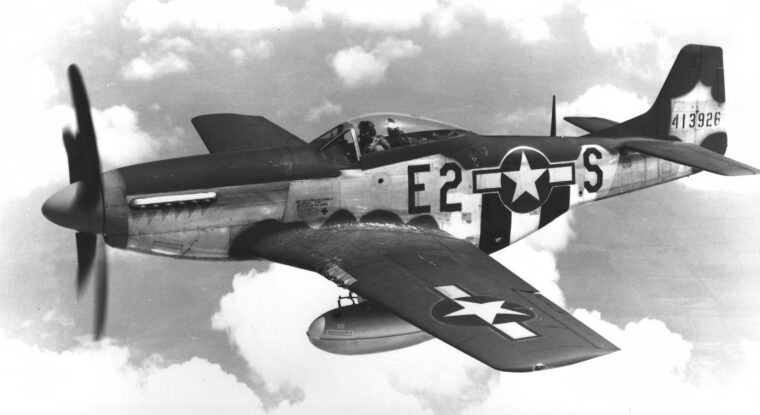
When the North American P-51B Mustang arrived in Europe in 1943, it was the U.S. Army Air Force’s fastest and most maneuverable fighter. Read more
Latest Posts
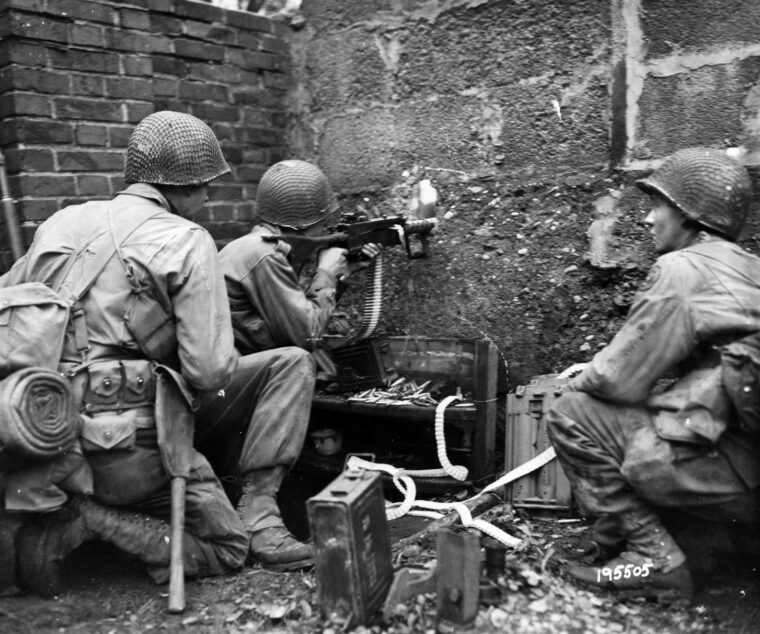
Phil Larimore grew up in Memphis, Tennessee. A Boy Scout, he learned a lot of outdoor skills, including horsemanship. Read more

Latest Posts
When Brigadier H. L. Glyn Hughes entered the Bergen Belsen concentration camp on April 15, 1945, 60,000 starving, abused prisoners greeted him; 10,000 more lay dead and decaying, unburied. Read more
Latest Posts
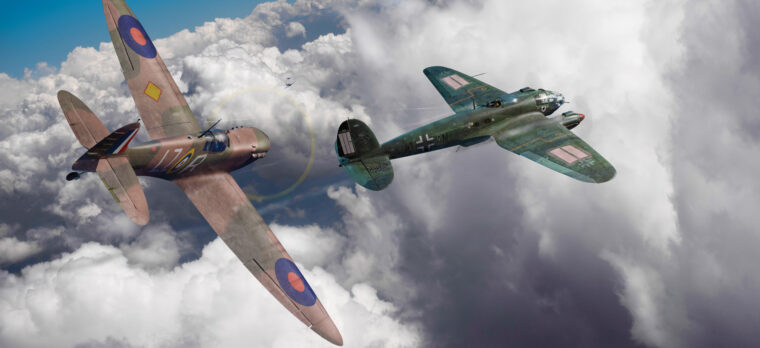
In the six weeks since Britain’s formal declaration of war against Germany on September 3, 1939, the Royal Air Force (RAF) pilots of No. Read more
Latest Posts
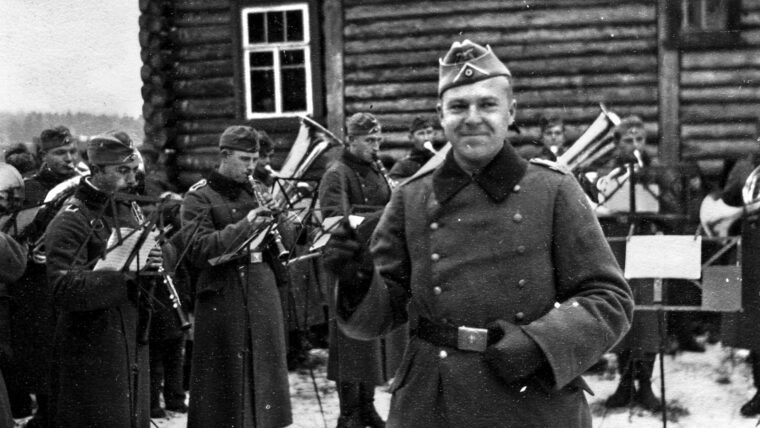
War has been described as long periods of extreme boredom punctuated by brief moments of extreme terror. Read more

Latest Posts
As the first rays of sunlight chased away the shadows from the base of the high walls surrounding the village of Ravenna in northern Italy on Easter Sunday, April 11, 1512, the French army besieging the town began to form into columns. Read more
Latest Posts
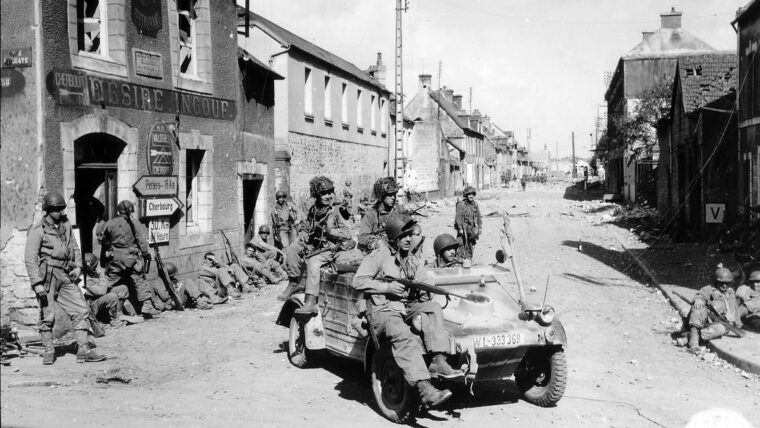
Donald Malarkey’s comrades thought highly of him as a warrior and as a man. Staff Sergeant William “Wild Bill” Guarnere considered him his hero. Read more

Latest Posts
On January 18, ad 532, a 54-year-old eunuch by the name of Narses, described by Agathias, a contemporary chronicler, as “small in stature and of abnormal thinness,” entered alone into the Hippodrome of Constantinople carrying a bag of gold. Read more
Latest Posts
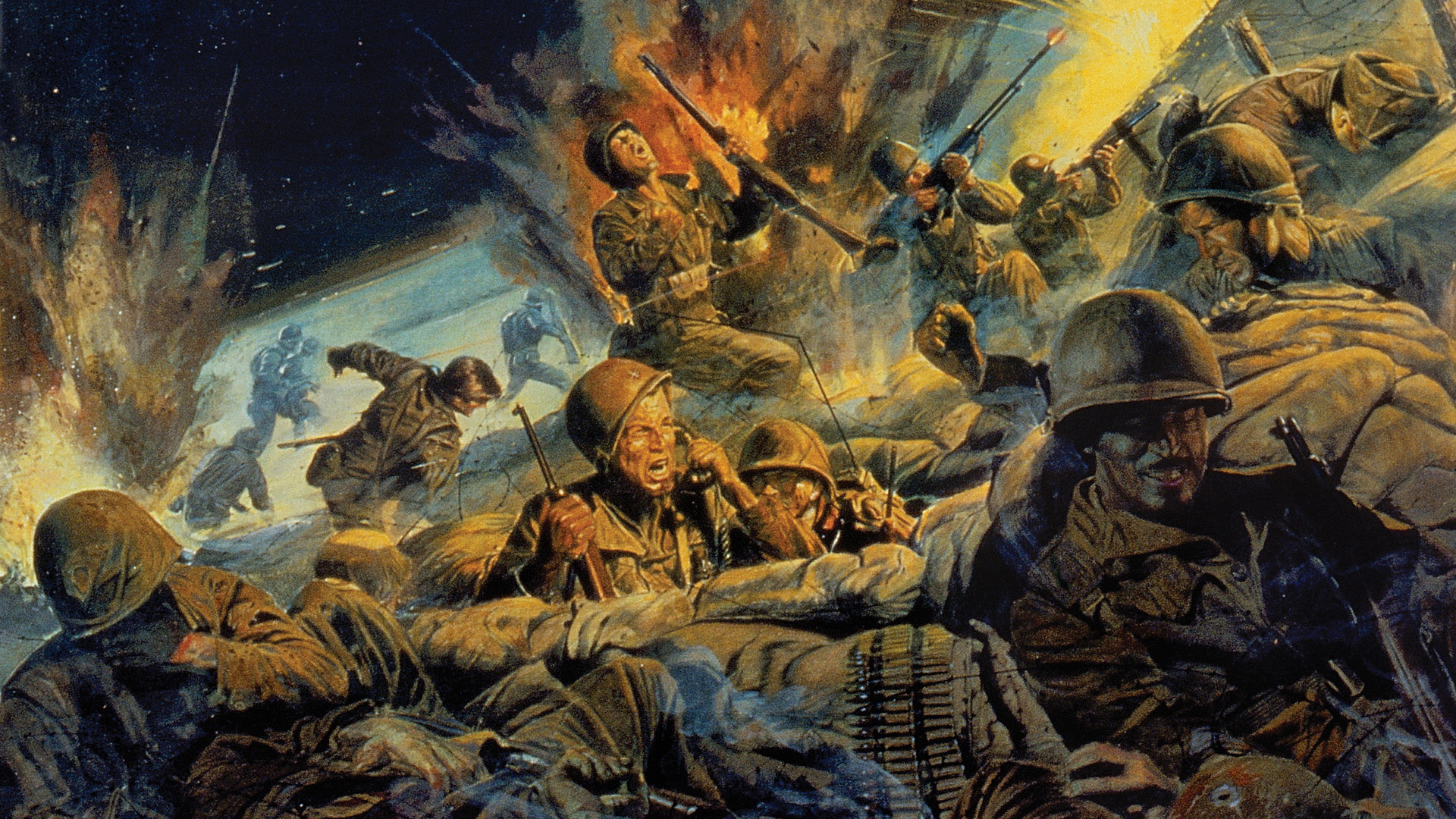
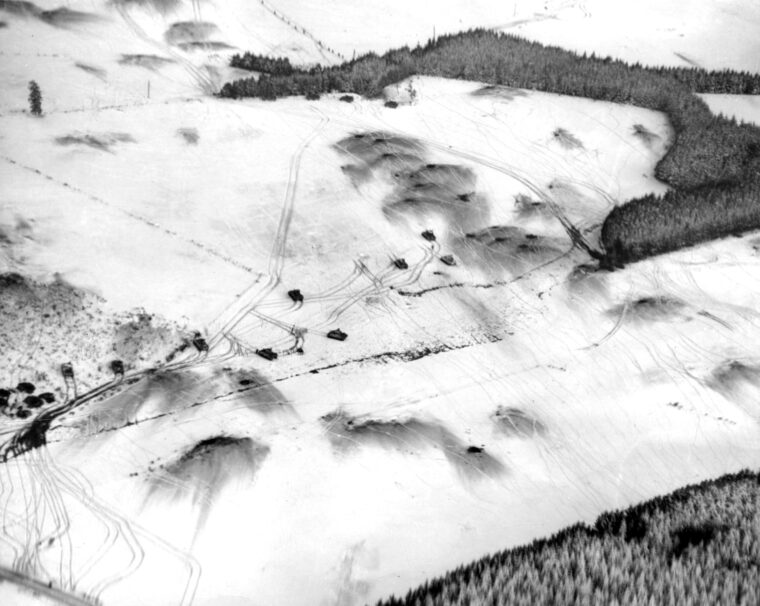
Nobody knew it in the 6th Armored Division’s 9th Armored Infantry Battalion, but the tide of the Battle of the Bulge had turned by the time the outfit moved into snow-covered fields and forests near Bastogne. Read more

Latest Posts
On a sweltering evening in early July 1553, the late King Henry VIII’s only legitimate son, the sickly 15-year-old Edward VI, died an agonizing death from tuberculosis, possibly complicated by measles. Read more
Latest Posts
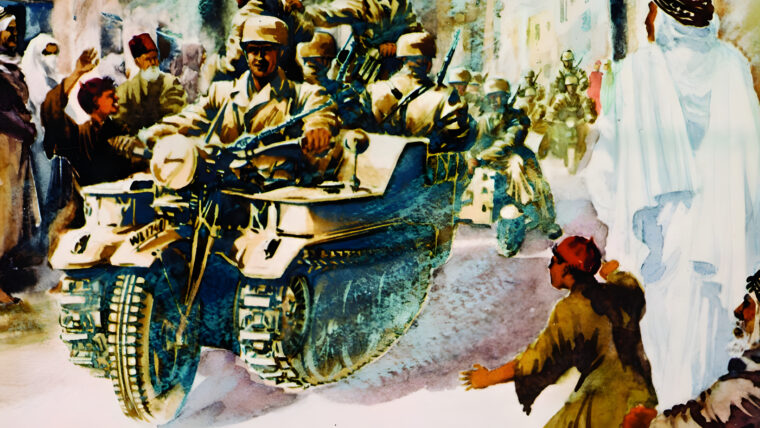
Aside from a number of prototypes and experimental vehicles, the Kettenkrad was one of the most unconventional vehicles built during World War II. Read more

Latest Posts
On a sultry summer night in 9 BC, 29-year-old commander of Augustus Caesar ’s army in Germania bolted upright in his cot, dripping with sweat. Read more

Latest Posts
Maharaja Ranjit Singh, ruler of the Sikh empire in northern India, was dead. Under his intrepid leadership, starting in 1799, Afghan control over Punjab, or Five Rivers Land, was thrown off and the Sikh empire flourished over the next 40 years. Read more